The Grand Auditorium: Where Drama Feels Like a Revolution
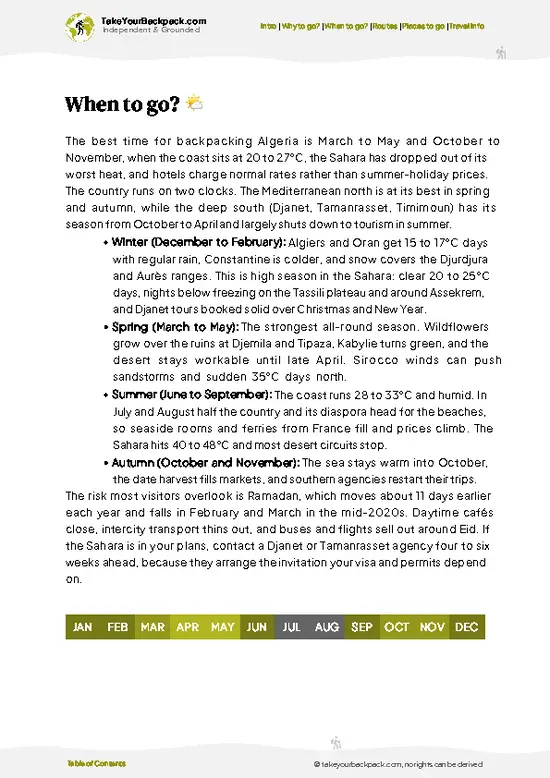
Forget the Instagram shots of velvet curtains and ornate balconies—this isn’t just a pretty face. The main hall of the National Theatre Mahieddine Bachtarzi is a living, breathing relic of Algeria’s cultural resilience. The acoustics are sharp enough to catch a whisper from the back row, and the horseshoe layout means you’re never more than a glance away from the action. When the house lights drop, you feel the pulse of a city that’s been telling stories for centuries—sometimes in defiance, sometimes in celebration, always with guts.
Algerian Classical Music Performances: The Soul of the Stage
You haven’t heard Algerian music until you’ve sat in this theatre and felt the floorboards vibrate under your boots. The Bachtarzi is the unofficial … read more 👉
Forget the Instagram shots of velvet curtains and ornate balconies—this isn’t just a pretty face. The main hall of the National Theatre Mahieddine Bachtarzi is a living, breathing relic of Algeria’s cultural resilience. The acoustics are sharp enough to catch a whisper from the back row, and the horseshoe layout means you’re never more than a glance away from the action. When the house lights drop, you feel the pulse of a city that’s been telling stories for centuries—sometimes in defiance, sometimes in celebration, always with guts.
Algerian Classical Music Performances: The Soul of the Stage
You haven’t heard Algerian music until you’ve sat in this theatre and felt the floorboards vibrate under your boots. The Bachtarzi is the unofficial … read more 👉
The Grand Auditorium: Where Drama Feels Like a Revolution
Forget the Instagram shots of velvet curtains and ornate balconies—this isn’t just a pretty face. The main hall of the National Theatre Mahieddine Bachtarzi is a living, breathing relic of Algeria’s cultural resilience. The acoustics are sharp enough to catch a whisper from the back row, and the horseshoe layout means you’re never more than a glance away from the action. When the house lights drop, you feel the pulse of a city that’s been telling stories for centuries—sometimes in defiance, sometimes in celebration, always with guts.
Algerian Classical Music Performances: The Soul of the Stage
You haven’t heard Algerian music until you’ve sat in this theatre and felt the floorboards vibrate under your boots. The Bachtarzi is the unofficial cathedral of chaâbi and Andalusian classical music. These aren’t sanitized tourist concerts; you’ll see locals mouthing every lyric, and the musicians play like they’re channeling something older than the building itself. If you’re lucky enough to catch a live orchestra or a legendary soloist, you’ll understand why this place is a rite of passage for Algerian artists.
Arabic-Language Theatre: Raw, Unfiltered Storytelling
This is where Algerian playwrights throw down. The theatre’s programming leans hard into Arabic-language productions—sometimes political, often poetic, never dull. Don’t expect slick Broadway polish. Expect urgency, humor, and the kind of social commentary that would get you side-eyed in a café. Even if your Arabic is rusty, the physicality and emotion on stage cut through any language barrier. It’s theatre as it was meant to be: immediate, risky, and very much alive.
The Building Itself: A French Colonial Time Capsule with Algerian Spirit
The architecture is a paradox—French colonial opulence, but with a stubborn Algerian heartbeat. The façade is all Belle Époque grandeur, but step inside and you’ll see how the space has been reclaimed by local artists and audiences. The marble staircases and gilded moldings are impressive, but the real magic is in the way the building has survived wars, revolutions, and decades of change. It’s a monument, yes, but one that’s still in use, still evolving, and still a little rough around the edges.
Backstage Tours (When You Can Get Them): The Grit Behind the Glamour
If you manage to wrangle a backstage tour—usually during festivals or special events—take it. This is where the myth of the theatre gets stripped down to its bones. You’ll see cramped dressing rooms, battered props, and walls scrawled with decades of graffiti from actors who’ve come and gone. It’s not glamorous, but it’s real. You’ll leave with a deeper respect for the people who keep the curtain rising, night after night, against all odds.
Forget the Instagram shots of velvet curtains and ornate balconies—this isn’t just a pretty face. The main hall of the National Theatre Mahieddine Bachtarzi is a living, breathing relic of Algeria’s cultural resilience. The acoustics are sharp enough to catch a whisper from the back row, and the horseshoe layout means you’re never more than a glance away from the action. When the house lights drop, you feel the pulse of a city that’s been telling stories for centuries—sometimes in defiance, sometimes in celebration, always with guts.
Algerian Classical Music Performances: The Soul of the Stage
You haven’t heard Algerian music until you’ve sat in this theatre and felt the floorboards vibrate under your boots. The Bachtarzi is the unofficial cathedral of chaâbi and Andalusian classical music. These aren’t sanitized tourist concerts; you’ll see locals mouthing every lyric, and the musicians play like they’re channeling something older than the building itself. If you’re lucky enough to catch a live orchestra or a legendary soloist, you’ll understand why this place is a rite of passage for Algerian artists.
Arabic-Language Theatre: Raw, Unfiltered Storytelling
This is where Algerian playwrights throw down. The theatre’s programming leans hard into Arabic-language productions—sometimes political, often poetic, never dull. Don’t expect slick Broadway polish. Expect urgency, humor, and the kind of social commentary that would get you side-eyed in a café. Even if your Arabic is rusty, the physicality and emotion on stage cut through any language barrier. It’s theatre as it was meant to be: immediate, risky, and very much alive.
The Building Itself: A French Colonial Time Capsule with Algerian Spirit
The architecture is a paradox—French colonial opulence, but with a stubborn Algerian heartbeat. The façade is all Belle Époque grandeur, but step inside and you’ll see how the space has been reclaimed by local artists and audiences. The marble staircases and gilded moldings are impressive, but the real magic is in the way the building has survived wars, revolutions, and decades of change. It’s a monument, yes, but one that’s still in use, still evolving, and still a little rough around the edges.
Backstage Tours (When You Can Get Them): The Grit Behind the Glamour
If you manage to wrangle a backstage tour—usually during festivals or special events—take it. This is where the myth of the theatre gets stripped down to its bones. You’ll see cramped dressing rooms, battered props, and walls scrawled with decades of graffiti from actors who’ve come and gone. It’s not glamorous, but it’s real. You’ll leave with a deeper respect for the people who keep the curtain rising, night after night, against all odds.
Spotted a mistake or missing something? Contact us.
v2.webp)


Best Backpacking
Hi, I’m Johan (Netherlands 🇳🇱), the creator of TakeYourBackpack. Over the past decade, I’ve backpacked through 80+ countries across six continents, gaining extensive experience with independent travel, long-term trips, and overland routes.