v2.webp)
The Cliffside Troglodyte Dwellings
Forget the Instagram shots of “ancient caves with a view.” The real story is in the bones of these centuries-old homes, carved directly into the ochre cliffs. These aren’t just holes in the rock—they’re multi-level, interconnected chambers, some with remnants of stone staircases and soot-blackened hearths. You can still see the hand-chiseled niches for storage jars and the clever ventilation shafts. The sense of human ingenuity here is palpable. It’s not a sanitized museum; it’s a raw, living memory of how people adapted to the extremes of the Aures mountains. You’ll get dust on your boots and maybe a bat overhead. That’s the point.
The Ghoufi Canyon Panorama
Yes, everyone whips out their phone at the overlook, but the real magic is in the scale. The canyon … read more 👉
Forget the Instagram shots of “ancient caves with a view.” The real story is in the bones of these centuries-old homes, carved directly into the ochre cliffs. These aren’t just holes in the rock—they’re multi-level, interconnected chambers, some with remnants of stone staircases and soot-blackened hearths. You can still see the hand-chiseled niches for storage jars and the clever ventilation shafts. The sense of human ingenuity here is palpable. It’s not a sanitized museum; it’s a raw, living memory of how people adapted to the extremes of the Aures mountains. You’ll get dust on your boots and maybe a bat overhead. That’s the point.
The Ghoufi Canyon Panorama
Yes, everyone whips out their phone at the overlook, but the real magic is in the scale. The canyon … read more 👉
The Cliffside Troglodyte Dwellings
Forget the Instagram shots of “ancient caves with a view.” The real story is in the bones of these centuries-old homes, carved directly into the ochre cliffs. These aren’t just holes in the rock—they’re multi-level, interconnected chambers, some with remnants of stone staircases and soot-blackened hearths. You can still see the hand-chiseled niches for storage jars and the clever ventilation shafts. The sense of human ingenuity here is palpable. It’s not a sanitized museum; it’s a raw, living memory of how people adapted to the extremes of the Aures mountains. You’ll get dust on your boots and maybe a bat overhead. That’s the point.
The Ghoufi Canyon Panorama
Yes, everyone whips out their phone at the overlook, but the real magic is in the scale. The canyon is a 200-meter-deep gash in the earth, with the Abiod River snaking far below. The view is not just “pretty”—it’s a gut-punch reminder of how tiny you are. The layers of sedimentary rock look like a cross-section of time itself. If you’re lucky enough to catch the late afternoon light, the cliffs burn gold and the shadows stretch for miles. No filter needed, and no crowd can ruin the silence that settles here.
The Abiod River Oasis
Down in the canyon, the river is more than a blue ribbon—it’s the reason anyone could survive here. The palm groves and fruit trees are a shock of green against the stone, and you’ll hear the rush of water long before you see it. This isn’t a manicured picnic spot; it’s a working oasis, still used by locals. If you’re respectful, you might spot women washing clothes or kids splashing in the shallows. The contrast between the harsh cliffs and this lush, living artery is what makes Ghoufi feel like a secret pocket of resilience.
The Abandoned Village Streets
Wandering the narrow, crumbling lanes between the old houses is like stepping into a post-apocalyptic film set—minus the zombies, plus a lot more silence. The sense of abandonment is total. You’ll find collapsed roofs, sun-bleached doors hanging by a hinge, and the occasional wild fig tree reclaiming a courtyard. There’s no velvet rope or interpretive sign. It’s just you, the wind, and the ghosts of a vanished community. If you want a place to let your imagination run wild, this is it.
The Berber Granaries and Watchtowers
Look up: those odd, beehive-like structures perched on the cliffs aren’t just for show. They’re ancient granaries and lookout posts, built to guard against raiders and store precious grain. The architecture is pure function—thick walls, tiny windows, and impossible-to-reach entrances. Clambering up to one (if you’re sure-footed and careful) gives you a literal window into the defensive mindset of the people who lived here. It’s a reminder that survival was always a team sport in Ghoufi.
Forget the Instagram shots of “ancient caves with a view.” The real story is in the bones of these centuries-old homes, carved directly into the ochre cliffs. These aren’t just holes in the rock—they’re multi-level, interconnected chambers, some with remnants of stone staircases and soot-blackened hearths. You can still see the hand-chiseled niches for storage jars and the clever ventilation shafts. The sense of human ingenuity here is palpable. It’s not a sanitized museum; it’s a raw, living memory of how people adapted to the extremes of the Aures mountains. You’ll get dust on your boots and maybe a bat overhead. That’s the point.
The Ghoufi Canyon Panorama
Yes, everyone whips out their phone at the overlook, but the real magic is in the scale. The canyon is a 200-meter-deep gash in the earth, with the Abiod River snaking far below. The view is not just “pretty”—it’s a gut-punch reminder of how tiny you are. The layers of sedimentary rock look like a cross-section of time itself. If you’re lucky enough to catch the late afternoon light, the cliffs burn gold and the shadows stretch for miles. No filter needed, and no crowd can ruin the silence that settles here.
The Abiod River Oasis
Down in the canyon, the river is more than a blue ribbon—it’s the reason anyone could survive here. The palm groves and fruit trees are a shock of green against the stone, and you’ll hear the rush of water long before you see it. This isn’t a manicured picnic spot; it’s a working oasis, still used by locals. If you’re respectful, you might spot women washing clothes or kids splashing in the shallows. The contrast between the harsh cliffs and this lush, living artery is what makes Ghoufi feel like a secret pocket of resilience.
The Abandoned Village Streets
Wandering the narrow, crumbling lanes between the old houses is like stepping into a post-apocalyptic film set—minus the zombies, plus a lot more silence. The sense of abandonment is total. You’ll find collapsed roofs, sun-bleached doors hanging by a hinge, and the occasional wild fig tree reclaiming a courtyard. There’s no velvet rope or interpretive sign. It’s just you, the wind, and the ghosts of a vanished community. If you want a place to let your imagination run wild, this is it.
The Berber Granaries and Watchtowers
Look up: those odd, beehive-like structures perched on the cliffs aren’t just for show. They’re ancient granaries and lookout posts, built to guard against raiders and store precious grain. The architecture is pure function—thick walls, tiny windows, and impossible-to-reach entrances. Clambering up to one (if you’re sure-footed and careful) gives you a literal window into the defensive mindset of the people who lived here. It’s a reminder that survival was always a team sport in Ghoufi.
Spotted a mistake or missing something? Contact us.




 Best Backpacking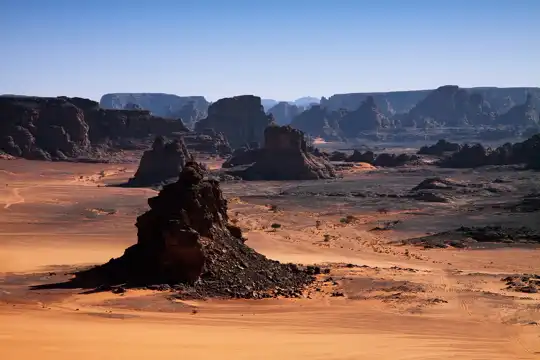
.jpg) Hi, I’m Johan (Netherlands 🇳🇱), the creator of TakeYourBackpack. Over the past decade, I’ve backpacked through 80+ countries across six continents, gaining extensive experience with independent travel, long-term trips, and overland routes.
Hi, I’m Johan (Netherlands 🇳🇱), the creator of TakeYourBackpack. Over the past decade, I’ve backpacked through 80+ countries across six continents, gaining extensive experience with independent travel, long-term trips, and overland routes.