×

Algeria🇩🇿 | citiesMilamountain slopes, Roman ruins, freshwater springs | things to do and best time to go

Explore NaamaExplore Ouargla

Backpacking in Mila
👀 For curious travelerscity ranked #33
By Johan Kruseman 🇳🇱 | Updated June 13, 2026

The first real fork in the road at Mila: do you linger, or just pass through? That choice matters, because Mila isn’t a headline act—it’s a crossroads town in northeastern Algeria, perched between Constantine’s drama and the wild sweep of the Babor Mountains. For backpackers, Mila’s old medina is compact and honest, with stone alleys that smell of baking bread and wood smoke, but nightlife is a whisper and hostels are rare. It’s a practical base for day hikes or a breather on the way to the coast, not a destination for urban thrills. Buses are reliable, streets are walkable, and costs are low, but you’ll find more solitude than social buzz—think slow evenings, not backpacker bar crawls. Compared to Constantine, Mila is quieter, less showy, and more about the rhythm of daily life than spectacle.

Discover everything you want to know in the 📖 Algeria Travel Guide.


Get your Algeria guide
91 ranked highlights, routes & tips, works offline (356 pages)
Loading the map 🌍
CLICK TO FILTER
cities
towns
landmarks
national parks
hikes
beaches
attractions
festivals
SHOW COUNTRY’S BESTSHOW ALL

✨ Why go?
Ranked #33 city in Algeria
What makes it a must-see city

Backpackers flock to Mila for its strategic position along the route to Algeria’s stunning landscapes. It’s a gateway to nearby hikes, where the scent of wild herbs fills the air, and the trails lead to breathtaking views. The beaches aren’t far either, offering a refreshing escape after a day of trekking.

Accommodations here are cozy, with small-scale hostels and guesthouses that foster a friendly atmosphere. You’ll find locals serving up hearty meals that reflect the region’s rich culinary heritage, making every bite an experience. The walkable streets invite exploration, whether you’re wandering to the market or chatting with fellow travelers.

Most visitors tend to stay a few days, soaking in the relaxed vibe. This town suits slow travelers, hikers, and solo adventurers looking for … read more 👉
Backpackers flock to Mila for its strategic position along the route to Algeria’s stunning landscapes. It’s a gateway to nearby hikes, where the scent of wild herbs fills the air, and the trails lead to breathtaking views. The beaches aren’t far either, offering a refreshing escape after a day of trekking.

Accommodations here are cozy, with small-scale hostels and guesthouses that foster a friendly atmosphere. You’ll find locals serving up hearty meals that reflect the region’s rich culinary heritage, making every bite an experience. The walkable streets invite exploration, whether you’re wandering to the market or chatting with fellow travelers.

Most visitors tend to stay a few days, soaking in the relaxed vibe. This town suits slow travelers, hikers, and solo adventurers looking for connection without the chaos of nightlife. Mila is not just a stop; it’s a chance to breathe in the essence of Algeria.
Want to include Mila in your Algeria route?
Create a personalized Algeria itinerary that includes Mila and the places that fit your trip — based on your travel style, budget, and available time. Get your route in seconds.

Generate my trip

💡 HighlightsPlaces and moments you shouldn't skip

  • Old Medina and the Souk (Mila’s historic quarter) — Tight alleyways, street-level trade and small workshops give the best feel for Mila: local produce, traditional crafts, and everyday life converge here, so walking through the lanes is the quickest way to understand the city’s living culture and architecture.
  • Musée de Mila (Municipal/Archaeological museum) — Small but focused, the local museum displays pottery, stone inscriptions and artifacts recovered from nearby Roman and pre-Roman sites, offering concise context for the region’s layered history without leaving town.
  • Main City Mosque (central mosque of Mila) — The mosque in the city center is a local social hub as well as a place of worship; observing the architecture, the daily rhythms, and the courtyard life gives a clear sense of
read more 👉
  • Old Medina and the Souk (Mila’s historic quarter) — Tight alleyways, street-level trade and small workshops give the best feel for Mila: local produce, traditional crafts, and everyday life converge here, so walking through the lanes is the quickest way to understand the city’s living culture and architecture.
  • Musée de Mila (Municipal/Archaeological museum) — Small but focused, the local museum displays pottery, stone inscriptions and artifacts recovered from nearby Roman and pre-Roman sites, offering concise context for the region’s layered history without leaving town.
  • Main City Mosque (central mosque of Mila) — The mosque in the city center is a local social hub as well as a place of worship; observing the architecture, the daily rhythms, and the courtyard life gives a clear sense of Mila’s contemporary cultural heartbeat.
A few real, visitable highlights just outside Mila that make perfect day trips are the Roman ruins at Djemila, the dramatic bridges and old quarter of Constantine, and the nearby Aurès foothills for short mountain walks.
Spotted a mistake or missing something? Contact us.

🏘️ NeighborhoodsNeighborhood guide to Mila

Mila, Algeria, is a tapestry of history and culture, where ancient ruins meet vibrant street life. Each neighborhood offers a unique flavor, making it essential to choose wisely.

Centre Ville: This is the heartbeat of Mila. Bustling markets and cafes line the streets, creating a lively atmosphere. It’s walkable, with everything you need within reach. Ideal for short stays, you can soak in the local vibe without breaking the bank. Nightlife is modest but charming, with small bars where locals gather.

El-Madania: A quieter area, perfect for those seeking a peaceful retreat. The streets are lined with olive trees, and the scent of fresh bread wafts from local bakeries. While it’s less vibrant at night, the tranquility makes it suitable for longer stays. Transport access is decent, but you’ll … read more 👉
Mila, Algeria, is a tapestry of history and culture, where ancient ruins meet vibrant street life. Each neighborhood offers a unique flavor, making it essential to choose wisely.

Centre Ville: This is the heartbeat of Mila. Bustling markets and cafes line the streets, creating a lively atmosphere. It’s walkable, with everything you need within reach. Ideal for short stays, you can soak in the local vibe without breaking the bank. Nightlife is modest but charming, with small bars where locals gather.

El-Madania: A quieter area, perfect for those seeking a peaceful retreat. The streets are lined with olive trees, and the scent of fresh bread wafts from local bakeries. While it’s less vibrant at night, the tranquility makes it suitable for longer stays. Transport access is decent, but you’ll want to enjoy the slower pace on foot.

La Gare: Close to the train station, this area is a hub for travelers. It’s convenient for transport, but the vibe can be hectic. If you’re on the move, this is your spot. However, it’s not the best for nightlife or relaxation. A short stay here works well if you’re just passing through.

Choose your neighborhood wisely, and Mila will reward you with its rich experiences.

⌛️ 1 dayWhat you can realistically do in a day

Mila, Algeria, is a town steeped in history, where ancient Roman ruins meet vibrant local life. The air is thick with the scent of spices from nearby markets, and the warm sun casts golden light on the ochre buildings. This is a place where you can feel the pulse of Algeria, away from the usual tourist trails.

Start your morning at the bustling local market, Souk El-Had, where the colors of fresh produce and the chatter of vendors create an electric atmosphere. Grab a flaky pastry called “mhadjeb” from a street vendor; it’s a savory delight that will fuel your day. Afterward, stroll over to the Roman ruins of Timgad, just a short drive away. The well-preserved columns and ancient mosaics tell stories of a time long past. The quiet here allows you to imagine the lives that once thrived in … read more 👉
Mila, Algeria, is a town steeped in history, where ancient Roman ruins meet vibrant local life. The air is thick with the scent of spices from nearby markets, and the warm sun casts golden light on the ochre buildings. This is a place where you can feel the pulse of Algeria, away from the usual tourist trails.

Start your morning at the bustling local market, Souk El-Had, where the colors of fresh produce and the chatter of vendors create an electric atmosphere. Grab a flaky pastry called “mhadjeb” from a street vendor; it’s a savory delight that will fuel your day. Afterward, stroll over to the Roman ruins of Timgad, just a short drive away. The well-preserved columns and ancient mosaics tell stories of a time long past. The quiet here allows you to imagine the lives that once thrived in this space.

In the afternoon, head back to Mila and explore the charming neighborhood of El-Mansourah. The narrow streets are lined with traditional houses, and you might catch a glimpse of locals sipping mint tea on their doorsteps. Visit the stunning Mosque of Sidi Boumediene, where the intricate tile work and serene atmosphere invite reflection.

As evening approaches, make your way to the viewpoint at the top of the hill overlooking the town. The sunset paints the sky in hues of orange and pink, a perfect backdrop for winding down. For dinner, seek out a local eatery serving “couscous,” a dish that embodies the flavors of Algeria. This day in Mila is not just about sights; it’s about immersing yourself in the rhythm of life here, making every moment feel like a well-earned treasure.
Turn your Mila visit into an Algeria adventure
Build a complete Algeria route with Mila, hidden gems, must-see destinations, and realistic travel times included.

Generate my trip

🌤️ When to go?Weather, crowds, and seasonal trade-offs


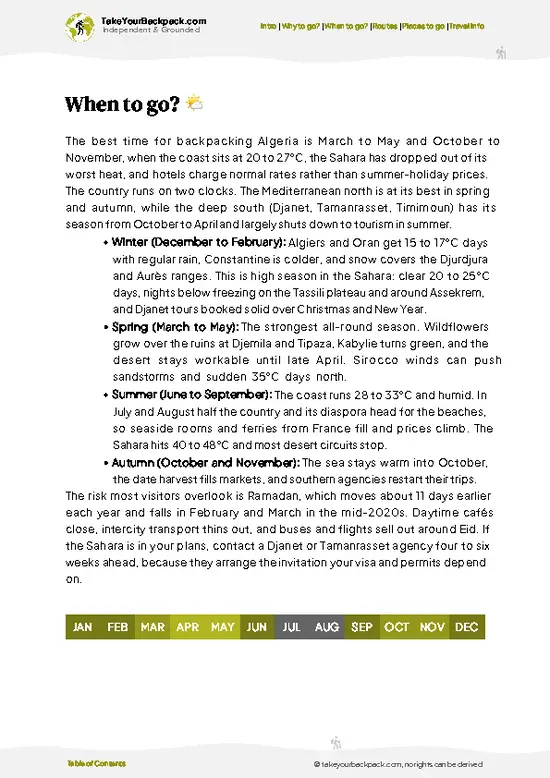
  • Topic: Weather — Mila’s summers scorch, often hitting 35-40°C (95-104°F), making midday hikes brutal. Winters are mild, around 10-15°C (50-59°F), perfect for exploring without overheating.

  • Topic: Temperature — Spring and autumn offer a sweet spot: daytime highs hover between 20-25°C (68-77°F), cool enough for long treks but warm enough to enjoy evenings outdoors.

  • Topic: Daylight Hours — From April to September, you get 12-14 hours of daylight, giving you plenty of time to soak in the rugged landscapes before dusk cools the air.

  • Topic: Crowds — Peak tourist season aligns with summer holidays, so expect more visitors and higher prices then. Shoulder seasons bring quieter trails and more authentic local encounters.

  • Topic: Seasonal Activities — Spring blooms bring wildflowers and fresh
read more 👉

  • Topic: Weather — Mila’s summers scorch, often hitting 35-40°C (95-104°F), making midday hikes brutal. Winters are mild, around 10-15°C (50-59°F), perfect for exploring without overheating.

  • Topic: Temperature — Spring and autumn offer a sweet spot: daytime highs hover between 20-25°C (68-77°F), cool enough for long treks but warm enough to enjoy evenings outdoors.

  • Topic: Daylight Hours — From April to September, you get 12-14 hours of daylight, giving you plenty of time to soak in the rugged landscapes before dusk cools the air.

  • Topic: Crowds — Peak tourist season aligns with summer holidays, so expect more visitors and higher prices then. Shoulder seasons bring quieter trails and more authentic local encounters.

  • Topic: Seasonal Activities — Spring blooms bring wildflowers and fresh mountain streams, while autumn harvests offer local festivals and fresh produce markets, enriching your cultural experience.

  • Topic: Price Fluctuations — Accommodation and transport costs spike in summer; booking in shoulder seasons can save you a good chunk of cash without sacrificing the experience.


Pro-tip: Aim for late April to early June or September to October—when the air smells of earth and blossoms, the trails are quiet, and the light lingers just right for those golden-hour photos.


source: climatestotravel.comJANJanuary: good for travelingFEBFebruary: good for travelingMARMarch: highly recommended for travelingAPRApril: excellent for travelingMAYMay: excellent for travelingJUNJune: highly recommended for travelingJULJuly: fair for travelingAUGAugust: fair for travelingSEPSeptember: excellent for travelingOCTOctober: excellent for travelingNOVNovember: highly recommended for travelingDECDecember: good for traveling
when-to-go

✈️ The backpacker research shortcutAlgeria Travel Guide

An offline-friendly backpacking guide with optimized travel routes, ranked highlights, transport advice, and the best areas to stay.
example page 0 from our offline Travel Guide for Algeria
example page 1 from our offline Travel Guide for Algeria
example page 2 from our offline Travel Guide for Algeria
example page 3 from our offline Travel Guide for Algeria
example page 4 from our offline Travel Guide for Algeria
example page 5 from our offline Travel Guide for Algeria
example page 6 from our offline Travel Guide for Algeria
example page 7 from our offline Travel Guide for Algeria
The digital guide (356 pages) contains:
91 highlights, ranked by travel appeal
Optimized 7, 14 & 21-day travel routes
Cities, national parks, landmarks, beaches
How to get around
Offline-friendly for travel without Wi-Fi
👉 Click to see all 30+ guide features

📅 Plan smarter in minutes, not weeks
Month by month travel advice
Festivals & national holidays
Budget expectations

🗺️ Go to the right places, skip the overrated ones
Honest pros & cons of destinations
Top hikes, parks & viewpoints
Lesser-known places most travelers miss
Clear “worth it vs skip it” guidance

🛏️ Travel smoothly without rookie mistakes
Best areas to stay
Transport systems explained simply
Common scams & safety advice
SIM cards, money & practical tips

🌍 Understand the country, not just visit it
Culture & traditions
52 Essential phrases & customs
Festivals worth planning around
Traveler-friendly historical context
Insights that make places more meaningful

📱 Built for real travel conditions
Fully downloadable PDF
Works completely offline
Optimized for phone use
Useful in remote areas & buses
Everything in one place
Save weeks of stressful planning
Get instant access to your full guide. 30‑day money-back guarantee.


By proceeding you agree to our terms.
Sent to your inbox immediately after payment • 100% Secure Checkout
Best Backpacking Travel Advisor 2025 tourism awardBest Backpacking
Travel Advisor
2025
What others say about Take Your Backpack Guides:
⭐⭐⭐⭐⭐
Fantastic, amazing amount of information!
⭐⭐⭐⭐⭐
My goodness this is amazing, it's what I've been looking for hats off too you!
⭐⭐⭐⭐⭐
I think this is absolutely BRILLIANT
⭐⭐⭐⭐
Very complete and informative. It's still missing places, but I gotta to commend you
⭐⭐⭐⭐⭐
This is truly amazing, thank you, can't wait to explore it with my kids!
⭐⭐⭐⭐⭐
Awesome resource, thank you!
⭐⭐⭐⭐⭐
This is amazing! Can't wait to explore the ones I haven't seen
⭐⭐⭐⭐
I love this! Well done, great idea.
⭐⭐⭐⭐⭐
Thanks for taking the time to make this gem!
⭐⭐⭐⭐⭐
This might be the best website I've ever seen.
⭐⭐⭐⭐⭐
Congratulations, and thank you so much for your work; it's incredibly valuable.
⭐⭐⭐⭐
In all seriousness I think you did a great job pointing out the important spots
⭐⭐⭐⭐⭐
10/10 very good
⭐⭐⭐⭐⭐
As someone who's only just starting to visit regularly this is awesome, thank you.
⭐⭐⭐⭐
Thank you very much! I'm going to visit my dad, it's going to be very useful!
⭐⭐⭐⭐⭐
This is really cool! We'll be travelling for the first time and this definitely come in handy.
⭐⭐⭐⭐⭐
You are now our minister of culture, congratulations 👨‍💼
⭐⭐⭐⭐⭐
Just wanted to tell you that this is a pearl! Going to follow your recommendations.
⭐⭐⭐⭐⭐
This is so cool. I'll definitely be using the resource for my travels soon.
⭐⭐⭐⭐⭐
This is very impressive! Good work.
⭐⭐⭐⭐⭐
This is an amazing and informative site. Very well done!

🛏️ Where to stay?Where staying makes the most sense

In Mila, the best spot for backpackers is the city center around Place Emir Abdelkader. This area hums with local life—street vendors selling fresh figs, the scent of strong coffee drifting from small cafés, and the chatter of students spilling out of nearby schools. It’s safe, thanks to a steady police presence and the natural watchfulness of locals who know every face. You’ll find a handful of budget hostels here, simple but clean, where solo travelers gather easily, swapping stories over mint tea. Staying here means you’re steps from markets and the main bus station, cutting down on taxi hassle … read more 👉
In Mila, the best spot for backpackers is the city center around Place Emir Abdelkader. This area hums with local life—street vendors selling fresh figs, the scent of strong coffee drifting from small cafés, and the chatter of students spilling out of nearby schools. It’s safe, thanks to a steady police presence and the natural watchfulness of locals who know every face. You’ll find a handful of budget hostels here, simple but clean, where solo travelers gather easily, swapping stories over mint tea. Staying here means you’re steps from markets and the main bus station, cutting down on taxi hassle and letting you soak in the city’s pulse without the noise or risk of more residential neighborhoods. Other parts of Mila feel quieter but less connected—this center spot is where the city’s rhythm is alive, making it easier to meet people and navigate with confidence.

🚌 Getting aroundGetting around like a local

Mila moves at its own rhythm—neither frantic nor sluggish, but a steady pulse that feels like the town’s heartbeat syncing with the sun’s arc. Streets hum with a mix of purposeful locals and curious travelers, where schedules exist but bend to the day’s light and the scent of fresh bread from corner bakeries. You won’t find rigid timetables here; instead, transit flows with a kind of intuitive logic, where knowing when to hop on or off is as much about reading the crowd and the sky as it is about clocks. This is a place where patience pays off, and the reward is a seamless glide through its textured neighborhoods, each turn revealing a new layer of its character.


  • Walking: Mila’s compact center invites exploration on foot—expect cobblestone streets warmed by afternoon sun and narrow alleys
read more 👉
Mila moves at its own rhythm—neither frantic nor sluggish, but a steady pulse that feels like the town’s heartbeat syncing with the sun’s arc. Streets hum with a mix of purposeful locals and curious travelers, where schedules exist but bend to the day’s light and the scent of fresh bread from corner bakeries. You won’t find rigid timetables here; instead, transit flows with a kind of intuitive logic, where knowing when to hop on or off is as much about reading the crowd and the sky as it is about clocks. This is a place where patience pays off, and the reward is a seamless glide through its textured neighborhoods, each turn revealing a new layer of its character.


  • Walking: Mila’s compact center invites exploration on foot—expect cobblestone streets warmed by afternoon sun and narrow alleys where every corner smells of roasting coffee or spices. Walking is free, immersive, and often faster than waiting for transport in the busiest parts.

  • City Bus: Runs roughly from 6:00 AM to 10:00 PM, with fares around $0.75. Buses are modest but reliable, threading through main arteries and stopping near markets and plazas. They’re slow during rush hour but perfect for budget travelers wanting to cover longer distances without breaking the bank.

  • Shared Minivans (Colectivos): These dart through the city and outskirts, leaving when full rather than on a fixed schedule. Fares hover near $1.25. They’re cramped but fast, weaving through traffic with local drivers who know every shortcut—ideal if you’re comfortable with a bit of unpredictability.

  • Bicycle Rentals: Available from small shops near the central square, costing about $5 per day. The town’s gentle hills and scenic riverside paths make cycling a refreshing way to cover ground on your own time, with the added bonus of catching the scent of jasmine and fresh earth on the breeze.

👛 Costs (as of 16 April 2025)Money, prices, and spending tips

Backpacking in Mila, Algeria, offers a raw, authentic experience with costs that reflect its off-the-beaten-path status and local economy. Here’s what you can expect to spend daily:
  • Dorm Accommodation: Hostels or budget guesthouses in Mila are sparse but available, typically charging between €8 and €15 per night. These places are basic—think simple beds, shared bathrooms, and a chance to connect with locals or fellow travelers without the tourist gloss.
  • Meals: Street food and small local eateries dominate the scene. A hearty meal of traditional Algerian fare like couscous or tajine will cost around €2 to €5. If you opt for a café or a slightly more tourist-oriented spot, expect to pay up to €7. Fresh bread, olives, and mint tea are staples that keep costs low and flavors rich.
  • Local Transport:
read more 👉
Backpacking in Mila, Algeria, offers a raw, authentic experience with costs that reflect its off-the-beaten-path status and local economy. Here’s what you can expect to spend daily:
  • Dorm Accommodation: Hostels or budget guesthouses in Mila are sparse but available, typically charging between €8 and €15 per night. These places are basic—think simple beds, shared bathrooms, and a chance to connect with locals or fellow travelers without the tourist gloss.
  • Meals: Street food and small local eateries dominate the scene. A hearty meal of traditional Algerian fare like couscous or tajine will cost around €2 to €5. If you opt for a café or a slightly more tourist-oriented spot, expect to pay up to €7. Fresh bread, olives, and mint tea are staples that keep costs low and flavors rich.
  • Local Transport: Public transport is limited but functional. Shared taxis and minibuses run routes around town and nearby villages, usually costing between €0.30 and €1 per trip. For longer distances or more convenience, private taxis might charge €3 to €5, but always negotiate upfront.
  • Basic Activities/Entry Fees: Mila’s attractions are mostly natural and historical sites with minimal or no entrance fees. Expect to pay around €1 to €3 for entry to museums or archaeological sites. Guided tours are rare and usually arranged locally, costing about €10 to €15 if you want a deeper dive into the history and culture.
  • Miscellaneous Expenses: This includes bottled water, snacks, and occasional small purchases like SIM cards or toiletries. Budget around €1 to €3 daily here. Water quality varies, so bottled water is a must, adding to your daily spend.

In total, a backpacker in Mila can expect to spend roughly €15 to €30 per day. This range covers the essentials without cutting corners on comfort or experience, letting you soak in the town’s atmosphere without the stress of overspending.


source: algeria.com
⚠️ Prices can change and everyone travels differently, so take this as a rough guide. Hope it helps you plan your adventure!

🚌 Day tripsShort trips worth adding

Mila, Algeria, is a backpacker’s dream base, offering easy access to stunning landscapes and rich history. Here are some day trips that pack a punch.

Trip to the Roman Ruins of Timgad
Just a couple of hours from Mila, Timgad is a UNESCO World Heritage site that transports you back to Roman times. The ruins are sprawling, with well-preserved mosaics and an impressive amphitheater. The scent of wild thyme fills the air as you wander through ancient streets. Expect to spend around 200 DZD on transport and entry fees. Spring or early fall is ideal, avoiding the summer heat. A common mistake? Rushing through without taking time to soak in the atmosphere—grab a local snack and linger a bit.
👉 Explore Timgad

Trip to the Tassili n’Ajjer National Park
This trip is a bit longer, about three … read more 👉
Mila, Algeria, is a backpacker’s dream base, offering easy access to stunning landscapes and rich history. Here are some day trips that pack a punch.

Trip to the Roman Ruins of Timgad
Just a couple of hours from Mila, Timgad is a UNESCO World Heritage site that transports you back to Roman times. The ruins are sprawling, with well-preserved mosaics and an impressive amphitheater. The scent of wild thyme fills the air as you wander through ancient streets. Expect to spend around 200 DZD on transport and entry fees. Spring or early fall is ideal, avoiding the summer heat. A common mistake? Rushing through without taking time to soak in the atmosphere—grab a local snack and linger a bit.
👉 Explore Timgad

Trip to the Tassili n’Ajjer National Park
This trip is a bit longer, about three hours by bus, but the surreal rock formations and prehistoric art are worth every minute. The park feels like stepping into another world, with its otherworldly landscapes and the scent of desert air. Budget around 500 DZD for transport and park fees. Late autumn is perfect for cooler temperatures and fewer tourists. Many first-timers underestimate the park’s size; bring plenty of water and snacks to keep your energy up while exploring.


Trip to the City of Constantine
Only an hour away, Constantine is a city that hangs dramatically over a gorge. The bridges connecting the cliffs offer breathtaking views and a chance to feel the city’s pulse. You can get there for about 300 DZD. Spring is lovely, with blooming flowers adding color to the rocky landscape. A common misstep is sticking to the main tourist spots; dive into local cafes for authentic pastries and coffee.
👉 Explore Constantine

Trip to the Oasis of El Kantara
Just under an hour’s drive, El Kantara is a lush oasis that feels like a slice of paradise. The contrast of palm trees against the arid backdrop is striking. You can enjoy a day of hiking and exploring for around 150 DZD. The best time to visit is in the cooler months, when the weather is pleasant. Many travelers overlook the small village; take time to chat with locals and learn about their way of life.
Want to know what more Algeria offers?
The Algeria Travel Guide describes 91 highlights, from cities to national parks, from beaches to hikes

Get the Travel Guide -

🍲 FoodLocal Cuisine & Drinks

In Mila, the food scene is a playground for your taste buds, where couscous reigns supreme—steamed to fluffy perfection and often paired with tender lamb or a medley of vegetables. Don’t miss out on chorba, a spiced, hearty soup that feels like a warm handshake from the city itself. Street stalls and bustling markets are your best bets for authentic bites; here, locals gather around sizzling grills and fragrant spice piles, making every meal a social event.

Drinks lean heavily on mint tea, poured with flair and shared in small glasses, a ritual that invites you to slow down and connect. Casual cafés spill onto sidewalks, where the hum of conversation blends with the clink of tea glasses. Expect a relaxed pace—meals aren’t rushed, and sharing food is a quiet nod to hospitality. In Mila, eating … read more 👉
In Mila, the food scene is a playground for your taste buds, where couscous reigns supreme—steamed to fluffy perfection and often paired with tender lamb or a medley of vegetables. Don’t miss out on chorba, a spiced, hearty soup that feels like a warm handshake from the city itself. Street stalls and bustling markets are your best bets for authentic bites; here, locals gather around sizzling grills and fragrant spice piles, making every meal a social event.

Drinks lean heavily on mint tea, poured with flair and shared in small glasses, a ritual that invites you to slow down and connect. Casual cafés spill onto sidewalks, where the hum of conversation blends with the clink of tea glasses. Expect a relaxed pace—meals aren’t rushed, and sharing food is a quiet nod to hospitality. In Mila, eating is less about speed and more about savoring the moment, a delicious trade-off worth every second.

🛡️ SafetyScams, Hazards, and Annoyances

Mila, Algeria, is generally safe for backpackers, but a few practical tips can enhance your experience. Stay aware in crowded markets like the Souk, where pickpockets might lurk. Keep your valuables close and use a crossbody bag.

If you’re traveling solo, especially at night, stick to well-lit areas and avoid wandering too far from the main streets. The atmosphere can shift after dark, so trust your instincts.

Common annoyances include persistent vendors who might try to engage you in conversation to sell their wares. A polite but firm “no, thank you” usually suffices.

Overall, Mila offers a rich experience, and with a little awareness, you can navigate it smoothly while soaking in the local culture.

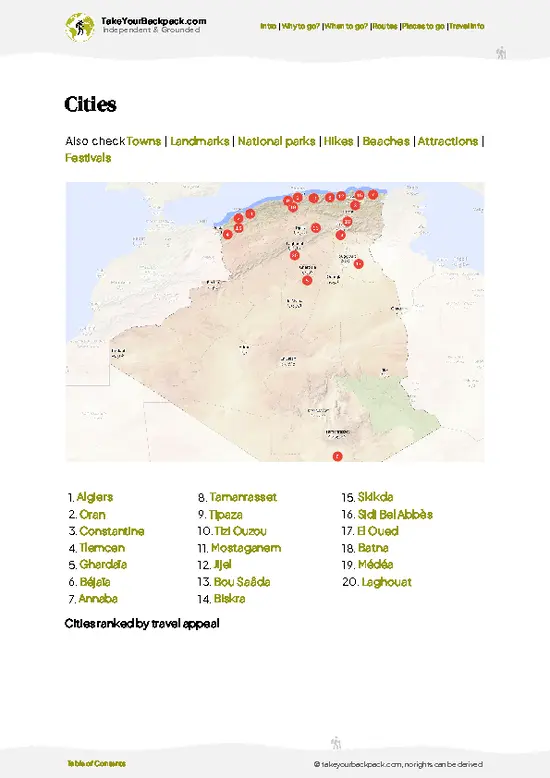
Other Algerian cities near Mila

Explore more nearby:

  • Constantine—Suspension bridges, deep gorges, limestone cliffs| 36 km away
  • Jijel—Sea caves, sandy beaches, cedar forests| 60 km away
  • Skikda—Colonial port, sandy bays, oil terminals| 74 km away

💡 Not sure where to go next?
Create a personalized itinerary for Algeria including Mila and the places that fit your trip.

Generate my itinerary

👉 Discover all cities

Or checkout all Algeria has to offer (think cities, towns, villages, national parks, hikes, beaches, festivals)
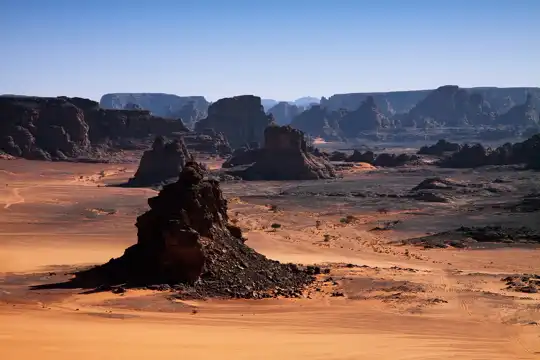
Country photo of Algeria

We 💚 feedbackKey takeaways before you go

Mila has a pulse that’s hard to ignore. The aroma of fresh mint tea mingles with the sound of laughter spilling from cafes. Don’t miss the local market; it’s a sensory overload of colors and spices. Just a heads-up: the midday sun can be relentless, so plan your explorations for early morning or late afternoon. Embrace the rhythm, and let the city surprise you with its warmth and charm.

✍️ Help improve this page!
The information on this page is based on in-depth research, insights shared by experienced travelers, and feedback from the local travel community in Algeria. While every effort is made to keep the information accurate and current, conditions can change — so if you spot anything incorrect or outdated, please get in touch.


🙋‍♂️ Give feedback

👋 Meet the founderWho’s Behind Take Your Backpack?

Johan, backpacker and founder of TakeYourBackpackHi, I’m Johan (Netherlands 🇳🇱), the creator of TakeYourBackpack. Over the past decade, I’ve backpacked through 80+ countries across six continents, gaining extensive experience with independent travel, long-term trips, and overland routes.

This site is built on a combination of firsthand travel experience and carefully curated insights from other backpackers. Many guides are based on places I’ve personally visited, while others bring together tips, observations, and practical advice shared by trusted travelers I’ve met along the way.

The goal is to provide realistic, experience-driven guidance — not generic itineraries — so you can explore destinations with better context, clearer expectations, and more confidence.

Get full Algeria guide •
Instant download • 91 highlights • Full Offline guide