v2.webp)
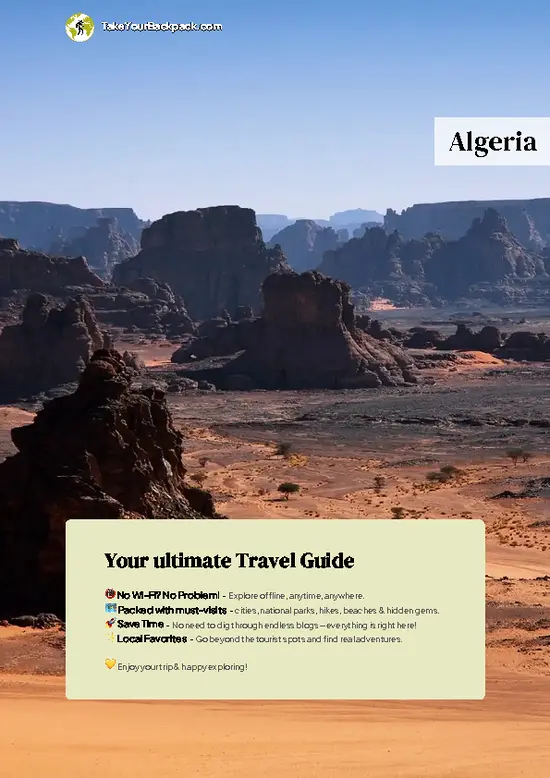
- Rugged mountain ridges and plateaus — jagged, weathered summits that give sweeping views from the Atlas down into the Sahara; great for short ridge walks at sunrise or sunset when the colors go crazy and the temperature behaves.
- Deep canyons and wadis — narrow gorges carved into sandstone and limestone that shelter cooler microclimates and seasonal pools; perfect for scramble-y day hikes and feeling properly remote without going full Sahara.
- Salt pans and seasonal chotts — broad, mirror-like flats after rains and surreal white plains in dry months; they’re excellent for dramatic photos and sometimes attract migrating waders and other water-dependent birds.
- Oasis groves and date palms — pockets of green dotting the arid landscape where springs support small villages and shade; great places
- Rugged mountain ridges and plateaus — jagged, weathered summits that give sweeping views from the Atlas down into the Sahara; great for short ridge walks at sunrise or sunset when the colors go crazy and the temperature behaves.
- Deep canyons and wadis — narrow gorges carved into sandstone and limestone that shelter cooler microclimates and seasonal pools; perfect for scramble-y day hikes and feeling properly remote without going full Sahara.
- Salt pans and seasonal chotts — broad, mirror-like flats after rains and surreal white plains in dry months; they’re excellent for dramatic photos and sometimes attract migrating waders and other water-dependent birds.
- Oasis groves and date palms — pockets of green dotting the arid landscape where springs support small villages and shade; great places to rest, meet locals, and see traditional agriculture against a desert backdrop.
- Desert wildlife — look for Barbary sheep (aoudad), foxes, and a range of reptiles and small mammals adapted to arid life; best chances are at dawn or dusk when animals move and the light is decent for photos.
- Birding hotspots — raptors riding the thermals, larks and sandgrouse on the plains, plus seasonal migrants at water points; bring binoculars and plan visits in spring or autumn for the most species.
- Prehistoric rock art and archaeological traces — scattered petroglyphs and old campsite sites that hint at thousands of years of human use; they give the landscape cultural depth and are a neat complement to the natural scenery.
Spotted a mistake or missing something? Contact us.

 Best Backpacking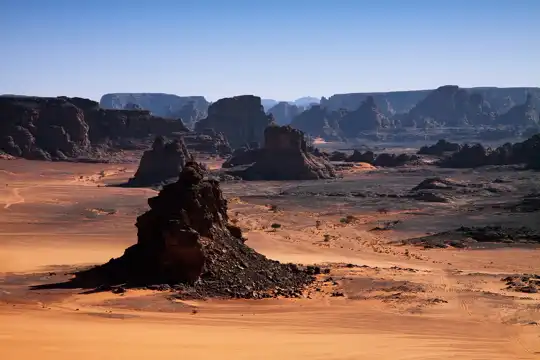
.jpg) Hi, I’m Johan (Netherlands 🇳🇱), the creator of TakeYourBackpack. Over the past 3 decades, I’ve backpacked through 90+ countries across six continents, gaining extensive experience with independent travel, long-term trips, and overland routes.
Hi, I’m Johan (Netherlands 🇳🇱), the creator of TakeYourBackpack. Over the past 3 decades, I’ve backpacked through 90+ countries across six continents, gaining extensive experience with independent travel, long-term trips, and overland routes.