×

Algeria🇩🇿 | national parksGourara National Parkoasis settlements, sand dunes, salt lakes, date palm groves | things to do and best time to go

Explore Saharan Atlas National ParkExplore Ouarsenis National Park

Backpacking in Gourara
By Johan Kruseman 🇳🇱 | Updated May 30, 2026

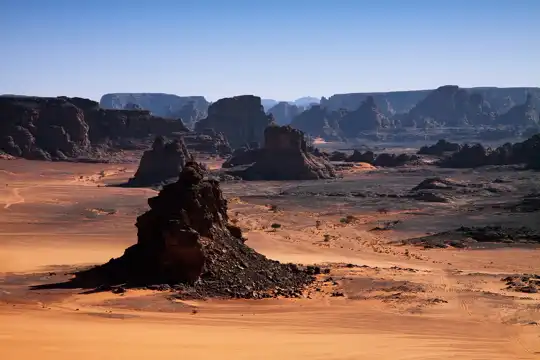
Sand crunches under your boots as the wind carries a dry, mineral tang—somewhere, a fennec fox darts behind a sun-bleached acacia. Gourara National Park sits in Algeria’s southwest, on the edge of the Sahara. It’s raw, remote, and honest: hiking here means endless horizons, sparse wildlife, and almost no crowds. You’ll pay little to enter, but you’ll work for every view. Compared to Tassili n’Ajjer’s rock art or Ahaggar’s drama, Gourara is quieter, harsher, and far less forgiving—perfect if you want solitude, not spectacle.

Discover everything you want to know in the 📖 Algeria Travel Guide.


Get your Algeria guide
91 ranked highlights, routes & tips, works offline (356 pages)
Loading the map 🌍
CLICK TO FILTER
cities
towns
landmarks
national parks
hikes
beaches
attractions
festivals
SHOW COUNTRY’S BESTSHOW ALL

✨ Why go?
Ranked #99 national park in Algeria
What makes this national park worth exploring

Gourara National Park in Algeria attracts backpackers for several solid reasons. Independent exploration is a major draw; the park’s vast landscapes invite you to wander off the beaten path without the constraints of guided tours. Budget-conscious travelers appreciate the camping options and nearby hostels, which keep costs low while offering a chance to connect with fellow adventurers. The trail variety is impressive, catering to both casual hikers and those seeking more challenging routes. Plus, the park is well-suited for self-guided travelers. You can easily navigate the trails with a good map and a sense of adventure. Avoid the tourist traps and focus your energy on the experiences that truly matter in this stunning wilderness.
Want to include Gourara National Park in your Algeria route?
Create a personalized Algeria itinerary that includes Gourara National Park and the places that fit your trip — based on your travel style, budget, and available time. Get your route in seconds.

Generate my trip

💡 HighlightsMust-see experiences and standout moments

  • Oasis palm groves and foggaras — The carpet of date palms and the old underground irrigation channels (foggaras) are the heart of Gourara. Walk the shaded alleys between palms to see how life is suspended in the desert, and learn the traditional water management that keeps these oases alive.
  • Sand dunes and erg walks — Wide, wind-sculpted dunes flank the oases and make for classic Saharan hiking and sunset photography. The dunes change hour by hour, so a short climb before dusk rewards you with dramatic colors and quieter trails than the rocky sectors.
  • Rocky plateaus (hamada) and viewpoints — Rugged, flat-topped hamada provide contrast to the sands and excellent vantage points. Trails cross broken stone plains where you can see how the desert’s bones meet its skin — great for panoramic
read more 👉
  • Oasis palm groves and foggaras — The carpet of date palms and the old underground irrigation channels (foggaras) are the heart of Gourara. Walk the shaded alleys between palms to see how life is suspended in the desert, and learn the traditional water management that keeps these oases alive.
  • Sand dunes and erg walks — Wide, wind-sculpted dunes flank the oases and make for classic Saharan hiking and sunset photography. The dunes change hour by hour, so a short climb before dusk rewards you with dramatic colors and quieter trails than the rocky sectors.
  • Rocky plateaus (hamada) and viewpoints — Rugged, flat-topped hamada provide contrast to the sands and excellent vantage points. Trails cross broken stone plains where you can see how the desert’s bones meet its skin — great for panoramic photos and simple, scrambly hikes.
  • Gueltas and desert pools — Scattered spring-fed pools and seasonal gueltas are biodiversity magnets in the park. These small water pockets are beautiful, unexpected oases for birds and insects, and they’re peaceful spots to rest between longer crossings.
  • Wildlife spotting — Look for desert specialists: fennec foxes at dawn/dusk, small antelopes like the dorcas gazelle, and a surprising variety of passerines and raptors that pass through the oases. Sightings aren’t guaranteed, but patience near water and at first light pays off.
  • Earthen architecture and ksour — Traditional mudbrick villages and fortified granaries (ksour) dot the region and give the landscape a human scale. The reddish ochre buildings blend with the desert — great for photography and for seeing how people adapted to extreme conditions.
  • Stargazing and night skies — The park’s remoteness means very little light pollution. Lay out a blanket after dinner and the Milky Way, shooting stars, and strange desert constellations feel uncommonly close. It’s one of those simple experiences that sticks with you.
Spotted a mistake or missing something? Contact us.

🌤️ When to go?Weather, crowds, and seasonal trade-offs


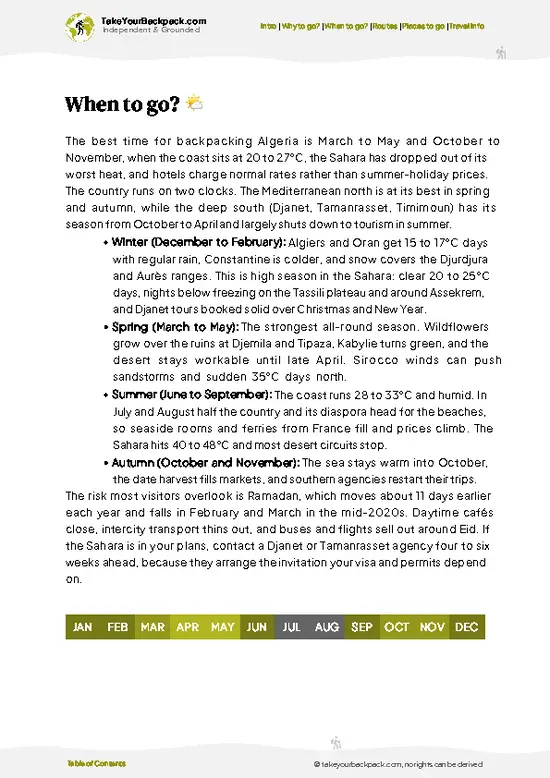
  • Weather: The best window is late autumn to early spring when temperatures drop to a manageable 15-25°C (59-77°F). Summers scorch above 40°C (104°F), making hiking brutal and dehydration a real threat.

  • Temperature: Nights can get surprisingly cold, especially in winter, dipping near 5°C (41°F). Layering is essential to avoid wasting energy shivering or overheating.

  • Daylight Hours: Winter days are shorter, around 10 hours, limiting hiking time. Spring and autumn offer a better balance with 12-14 hours of daylight.

  • Crowds: The park sees few visitors year-round, but spring attracts local groups. Avoid weekends if you want solitude.

  • Seasonal Activities: Spring brings wildflowers and migratory birds, while autumn is better for desert trekking without the summer heat.

  • Price Fluctuations:
read more 👉

  • Weather: The best window is late autumn to early spring when temperatures drop to a manageable 15-25°C (59-77°F). Summers scorch above 40°C (104°F), making hiking brutal and dehydration a real threat.

  • Temperature: Nights can get surprisingly cold, especially in winter, dipping near 5°C (41°F). Layering is essential to avoid wasting energy shivering or overheating.

  • Daylight Hours: Winter days are shorter, around 10 hours, limiting hiking time. Spring and autumn offer a better balance with 12-14 hours of daylight.

  • Crowds: The park sees few visitors year-round, but spring attracts local groups. Avoid weekends if you want solitude.

  • Seasonal Activities: Spring brings wildflowers and migratory birds, while autumn is better for desert trekking without the summer heat.

  • Price Fluctuations: Off-peak seasons (winter and summer) see lower accommodation and transport costs, but summer’s heat makes it a poor trade-off.


Pro-tip: Aim for late March to May or October to early November to dodge extreme heat, maximize daylight, and keep costs reasonable.


source: climatestotravel.comJANJanuary: highly recommended for travelingFEBFebruary: highly recommended for travelingMARMarch: highly recommended for travelingAPRApril: excellent for travelingMAYMay: excellent for travelingJUNJune: fair for travelingJULJuly: below average for travelingAUGAugust: below average for travelingSEPSeptember: good for travelingOCTOctober: excellent for travelingNOVNovember: highly recommended for travelingDECDecember: highly recommended for traveling
when-to-go

✈️ The backpacker research shortcutAlgeria Travel Guide

An offline-friendly backpacking guide with optimized travel routes, ranked highlights, transport advice, and the best areas to stay.
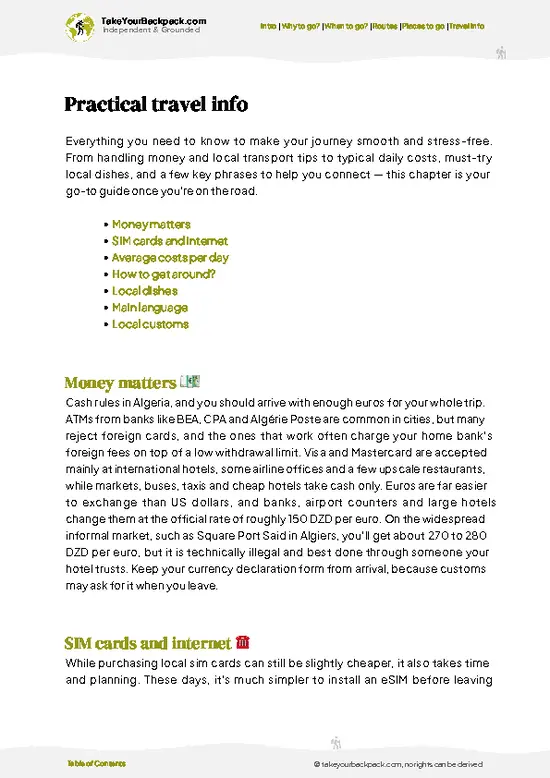
example page 0 from our offline Travel Guide for Algeria
example page 1 from our offline Travel Guide for Algeria
example page 2 from our offline Travel Guide for Algeria
example page 3 from our offline Travel Guide for Algeria
example page 4 from our offline Travel Guide for Algeria
example page 5 from our offline Travel Guide for Algeria
example page 6 from our offline Travel Guide for Algeria
example page 7 from our offline Travel Guide for Algeria
The digital guide (356 pages) contains:
91 highlights, ranked by travel appeal
Optimized 7, 14 & 21-day travel routes
Cities, national parks, landmarks, beaches
How to get around
Offline-friendly for travel without Wi-Fi
👉 Click to see all 30+ guide features

📅 Plan smarter in minutes, not weeks
Month by month travel advice
Festivals & national holidays
Budget expectations

🗺️ Go to the right places, skip the overrated ones
Honest pros & cons of destinations
Top hikes, parks & viewpoints
Lesser-known places most travelers miss
Clear “worth it vs skip it” guidance

🛏️ Travel smoothly without rookie mistakes
Best areas to stay
Transport systems explained simply
Common scams & safety advice
SIM cards, money & practical tips

🌍 Understand the country, not just visit it
Culture & traditions
52 Essential phrases & customs
Festivals worth planning around
Traveler-friendly historical context
Insights that make places more meaningful

📱 Built for real travel conditions
Fully downloadable PDF
Works completely offline
Optimized for phone use
Useful in remote areas & buses
Everything in one place
Save weeks of stressful planning
Get instant access to your full guide. 30‑day money-back guarantee.


By proceeding you agree to our terms.
Sent to your inbox immediately after payment • 100% Secure Checkout
Best Backpacking Travel Advisor 2025 tourism awardBest Backpacking
Travel Advisor
2025
What others say about Take Your Backpack Guides:
⭐⭐⭐⭐⭐
Fantastic, amazing amount of information!
⭐⭐⭐⭐⭐
My goodness this is amazing, it's what I've been looking for hats off too you!
⭐⭐⭐⭐⭐
I think this is absolutely BRILLIANT
⭐⭐⭐⭐
Very complete and informative. It's still missing places, but I gotta to commend you
⭐⭐⭐⭐⭐
This is truly amazing, thank you, can't wait to explore it with my kids!
⭐⭐⭐⭐⭐
Awesome resource, thank you!
⭐⭐⭐⭐⭐
This is amazing! Can't wait to explore the ones I haven't seen
⭐⭐⭐⭐
I love this! Well done, great idea.
⭐⭐⭐⭐⭐
Thanks for taking the time to make this gem!
⭐⭐⭐⭐⭐
This might be the best website I've ever seen.
⭐⭐⭐⭐⭐
Congratulations, and thank you so much for your work; it's incredibly valuable.
⭐⭐⭐⭐
In all seriousness I think you did a great job pointing out the important spots
⭐⭐⭐⭐⭐
10/10 very good
⭐⭐⭐⭐⭐
As someone who's only just starting to visit regularly this is awesome, thank you.
⭐⭐⭐⭐
Thank you very much! I'm going to visit my dad, it's going to be very useful!
⭐⭐⭐⭐⭐
This is really cool! We'll be travelling for the first time and this definitely come in handy.
⭐⭐⭐⭐⭐
You are now our minister of culture, congratulations 👨‍💼
⭐⭐⭐⭐⭐
Just wanted to tell you that this is a pearl! Going to follow your recommendations.
⭐⭐⭐⭐⭐
This is so cool. I'll definitely be using the resource for my travels soon.
⭐⭐⭐⭐⭐
This is very impressive! Good work.
⭐⭐⭐⭐⭐
This is an amazing and informative site. Very well done!

🛏️ Where to stay?Where staying makes the most sense

Gourara National Park in Algeria is a stunning expanse, but accommodation options are limited. Inside the park, you won’t find formal lodges or hotels. Instead, consider camping if you’re equipped for it. This allows you to immerse yourself in the park’s rugged beauty.

For nearby towns, head to Timimoun, about 50 kilometers away. It offers a few budget-friendly guesthouses and hotels. Look for places like Hotel El-Moudjahid or local auberges, which provide basic amenities and a chance to connect with locals.

Be prepared for fluctuating prices and limited services, especially during peak seasons. … read more 👉
Gourara National Park in Algeria is a stunning expanse, but accommodation options are limited. Inside the park, you won’t find formal lodges or hotels. Instead, consider camping if you’re equipped for it. This allows you to immerse yourself in the park’s rugged beauty.

For nearby towns, head to Timimoun, about 50 kilometers away. It offers a few budget-friendly guesthouses and hotels. Look for places like Hotel El-Moudjahid or local auberges, which provide basic amenities and a chance to connect with locals.

Be prepared for fluctuating prices and limited services, especially during peak seasons. Always confirm availability in advance. This way, you can focus your energy on exploring the park rather than scrambling for a place to sleep.

👛 Costs (as of 30 March 2025)Typical daily expenses

Gourara National Park in Algeria offers a unique experience, but it’s essential to be aware of the costs involved to avoid surprises.

Entry fees to the park typically range from €2 to €5. This is a small price for access to stunning landscapes and diverse wildlife. However, if you plan to hike or explore deeper areas, consider hiring a local guide. Expect to pay around €20 to €50 for a day’s guiding service, depending on the complexity of your route.

Accommodation options near the park vary widely. Budget travelers can find basic guesthouses for about €15 to €30 per night. If you prefer more comfort, mid-range hotels can cost between €50 and €100. Always check for amenities, as some places may not offer essentials like Wi-Fi or hot water.

Food costs are generally low. Street food or local … read more 👉
Gourara National Park in Algeria offers a unique experience, but it’s essential to be aware of the costs involved to avoid surprises.

Entry fees to the park typically range from €2 to €5. This is a small price for access to stunning landscapes and diverse wildlife. However, if you plan to hike or explore deeper areas, consider hiring a local guide. Expect to pay around €20 to €50 for a day’s guiding service, depending on the complexity of your route.

Accommodation options near the park vary widely. Budget travelers can find basic guesthouses for about €15 to €30 per night. If you prefer more comfort, mid-range hotels can cost between €50 and €100. Always check for amenities, as some places may not offer essentials like Wi-Fi or hot water.

Food costs are generally low. Street food or local eateries can provide meals for €3 to €10. If you opt for dining in more established restaurants, budget around €15 to €25 per meal.

Transportation is another factor. If you’re renting a car, prices can range from €30 to €60 per day. Public transport is available but may not be as reliable, so plan accordingly.

Factor in these costs to ensure your trip remains enjoyable and within budget. Being prepared will help you focus on the beauty of Gourara National Park rather than financial surprises.


source: algeria.com
⚠️ Prices can change and everyone travels differently, so take this as a rough guide. Hope it helps you plan your adventure!

🥾 TrailsTrail guide for Gourara national park

Gourara National Park is a hidden gem, perfect for those who crave a mix of rugged beauty and serene landscapes. The park is characterized by its stunning rock formations and vast, arid expanses, making it a unique spot for hiking. You’ll find yourself surrounded by dramatic cliffs, rolling sand dunes, and the occasional oasis—ideal for snapping some Insta-worthy shots. Wildlife is another highlight here; keep your eyes peeled for the elusive Barbary macaque and various bird species that call this place home.

One of the standout trails is the Oasis Trail, which offers a moderate hike through … read more 👉
Gourara National Park is a hidden gem, perfect for those who crave a mix of rugged beauty and serene landscapes. The park is characterized by its stunning rock formations and vast, arid expanses, making it a unique spot for hiking. You’ll find yourself surrounded by dramatic cliffs, rolling sand dunes, and the occasional oasis—ideal for snapping some Insta-worthy shots. Wildlife is another highlight here; keep your eyes peeled for the elusive Barbary macaque and various bird species that call this place home.

One of the standout trails is the Oasis Trail, which offers a moderate hike through lush pockets of greenery amidst the dry surroundings. Here are the details:
  • Length: 8 km
  • Estimated Duration: 3-4 hours
  • Difficulty Level: Moderate
  • Key Features: Scenic views of the oasis, diverse plant life, and potential wildlife sightings
  • Terrain: Mixed; some sandy sections and rocky paths

Getting to Gourara National Park isn’t too tricky either. Public transport options are available from nearby towns, though they might not run super frequently, so plan accordingly. The park isn’t usually overrun with tourists, which is a plus if you’re looking for some solitude. As for entrance fees, they’re quite reasonable—just a small price to pay for such natural beauty.
⚠️ Hiking info can sometimes be outdated or inaccurate. Before you hit the trail, check the latest conditions with locals. If you do spot anything that's off, I'd love to hear from you, so I can update it for fellow travelers.

🛡️ SafetyScams, Hazards, and Annoyances

Gourara National Park offers a generally accessible experience, but a few practical considerations can enhance your adventure. Weather can shift unexpectedly, so pack layers to adapt to temperature changes. The terrain varies; while many trails are manageable, some sections can be steep or rocky, requiring careful footing.

Wildlife encounters are rare but respectful behavior is key—keep your distance and avoid feeding animals. First-time visitors often underestimate the importance of navigation; a reliable map or GPS is essential, especially in less marked areas. Pace yourself, stay hydrated, and enjoy the journey—these small preparations will keep your energy focused on the stunning landscapes ahead.

Other Algerian national parks near Gourara

Explore more nearby:


💡 Not sure where to go next?
Create a personalized itinerary for Algeria including Gourara and the places that fit your trip.

Generate my itinerary

👉 Discover all national parks

Or checkout all Algeria has to offer (think cities, towns, villages, national parks, hikes, beaches, festivals)
Country photo of Algeria

We 💚 feedbackParting advice and final tips

Gourara National Park has a raw, untamed vibe that’s hard to find elsewhere. The best surprise? The stunning contrast of the ochre dunes against the deep blue sky. Just a heads-up: the heat can be relentless. Stay hydrated and plan your hikes for early morning or late afternoon. It’s worth it for the quiet beauty.

✍️ Help improve this page!
The information on this page is based on in-depth research, insights shared by experienced travelers, and feedback from the local travel community in Algeria. While every effort is made to keep the information accurate and current, conditions can change — so if you spot anything incorrect or outdated, please get in touch.


🙋‍♂️ Give feedback

👋 Meet the founderWho’s Behind Take Your Backpack?

Johan, backpacker and founder of TakeYourBackpackHi, I’m Johan (Netherlands 🇳🇱), the creator of TakeYourBackpack. Over the past decade, I’ve backpacked through 80+ countries across six continents, gaining extensive experience with independent travel, long-term trips, and overland routes.

This site is built on a combination of firsthand travel experience and carefully curated insights from other backpackers. Many guides are based on places I’ve personally visited, while others bring together tips, observations, and practical advice shared by trusted travelers I’ve met along the way.

The goal is to provide realistic, experience-driven guidance — not generic itineraries — so you can explore destinations with better context, clearer expectations, and more confidence.

Get full Algeria guide •
Instant download • 91 highlights • Full Offline guide