The Samoan Tattoo Tools
Forget the sanitized, Instagrammable “tribal tattoo” posts. Here you get the real deal: the actual bone and tusk tools used by Samoan tufuga (tattoo masters) for centuries. These aren’t museum props—they’re the sharp, intimidating instruments that have marked bodies and souls for generations. You can practically hear the rhythmic tapping and feel the weight of tradition. This is living culture, not a souvenir shop display. If you want to understand the Samoan concept of fa’a Samoa—doing things the Samoan way—start here, where pain and pride are inseparable.
The Apollo 11 Moon Rock
Yes, there’s a moon rock in American Samoa. No, it’s not a tourist trap. The U.S. government gifted this lunar fragment to the territory after the Apollo 11 astronauts splashed down off Tutuila’s … read more 👉
Forget the sanitized, Instagrammable “tribal tattoo” posts. Here you get the real deal: the actual bone and tusk tools used by Samoan tufuga (tattoo masters) for centuries. These aren’t museum props—they’re the sharp, intimidating instruments that have marked bodies and souls for generations. You can practically hear the rhythmic tapping and feel the weight of tradition. This is living culture, not a souvenir shop display. If you want to understand the Samoan concept of fa’a Samoa—doing things the Samoan way—start here, where pain and pride are inseparable.
The Apollo 11 Moon Rock
Yes, there’s a moon rock in American Samoa. No, it’s not a tourist trap. The U.S. government gifted this lunar fragment to the territory after the Apollo 11 astronauts splashed down off Tutuila’s … read more 👉
The Samoan Tattoo Tools
Forget the sanitized, Instagrammable “tribal tattoo” posts. Here you get the real deal: the actual bone and tusk tools used by Samoan tufuga (tattoo masters) for centuries. These aren’t museum props—they’re the sharp, intimidating instruments that have marked bodies and souls for generations. You can practically hear the rhythmic tapping and feel the weight of tradition. This is living culture, not a souvenir shop display. If you want to understand the Samoan concept of fa’a Samoa—doing things the Samoan way—start here, where pain and pride are inseparable.
The Apollo 11 Moon Rock
Yes, there’s a moon rock in American Samoa. No, it’s not a tourist trap. The U.S. government gifted this lunar fragment to the territory after the Apollo 11 astronauts splashed down off Tutuila’s coast. It’s a pebble-sized reminder that even the most remote islands are connected to world history. The display is humble, but that’s the charm: no velvet ropes, no overblown fanfare, just a piece of the moon in a glass case, quietly rewriting what you thought you knew about American Samoa’s place in the universe.
Queen Salamasina’s Kava Bowl
This isn’t just a carved wooden bowl. It’s a direct link to Samoan royalty and the ancient rituals that still shape island life. Queen Salamasina is a legendary figure—think Elizabeth I, but with more tattoos and fewer ruffs. Her kava bowl is a symbol of power, diplomacy, and the communal ceremonies that have kept Samoan society glued together for centuries. You won’t find this kind of artifact in a generic “Pacific Islands” exhibit anywhere else.
Handwoven Fine Mats (Ie Toga)
Instagram loves a pretty mat, but these are the real currency of Samoan respect and status. Each ie toga takes months, sometimes years, to weave by hand. They’re not just decorative—they’re essential for weddings, funerals, and settling disputes. The museum’s collection shows off the intricate patterns and the sheer labor involved. If you want to understand what matters here, look at the mats, not the money.
World War II Artifacts
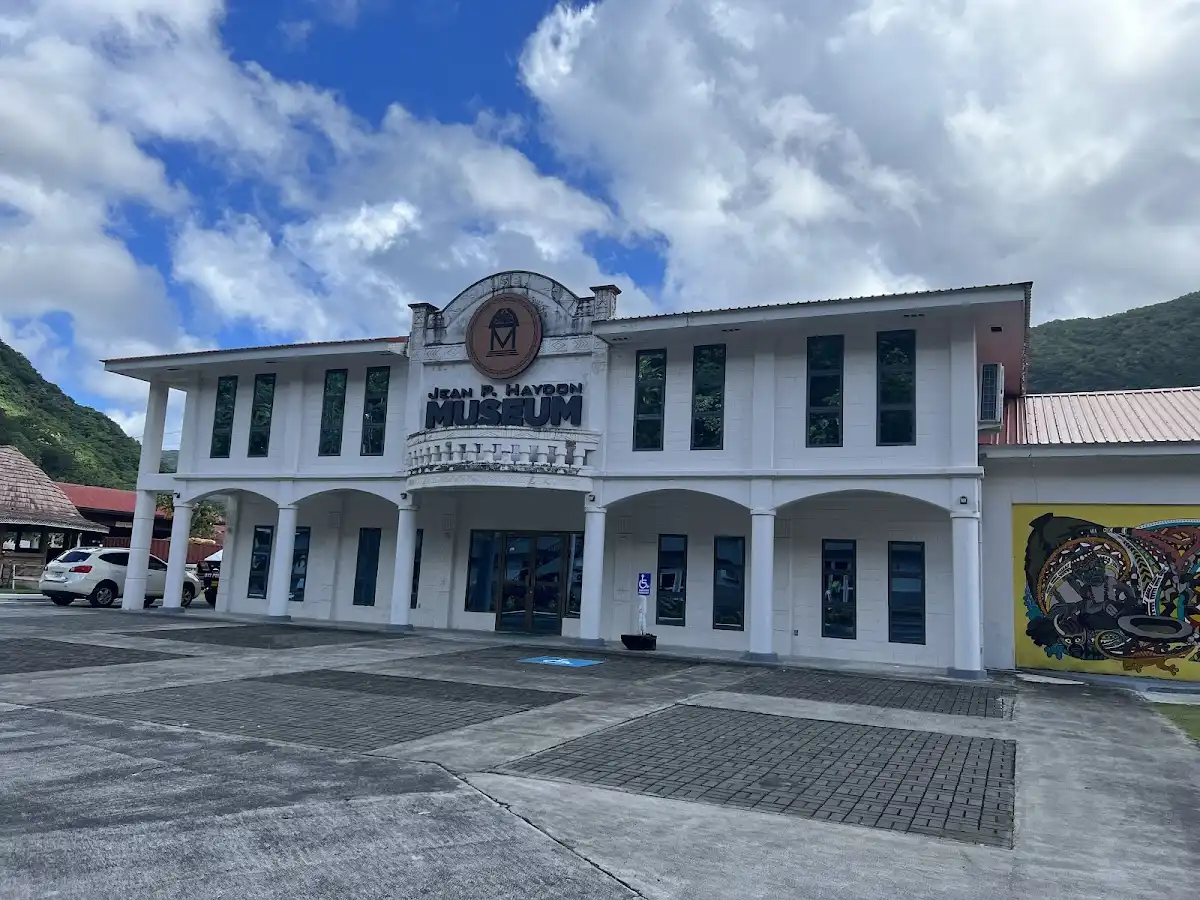
American Samoa was a strategic outpost during World War II, and the museum doesn’t sugarcoat it. Helmets, uniforms, and rusted canteens tell the story of a tiny island suddenly thrust onto the global stage. There’s no Hollywood gloss—just the gritty, everyday objects left behind by soldiers who probably never imagined their gear would end up in a museum on the other side of the world. It’s a reminder that history isn’t always pretty, but it’s always real.
Forget the sanitized, Instagrammable “tribal tattoo” posts. Here you get the real deal: the actual bone and tusk tools used by Samoan tufuga (tattoo masters) for centuries. These aren’t museum props—they’re the sharp, intimidating instruments that have marked bodies and souls for generations. You can practically hear the rhythmic tapping and feel the weight of tradition. This is living culture, not a souvenir shop display. If you want to understand the Samoan concept of fa’a Samoa—doing things the Samoan way—start here, where pain and pride are inseparable.
The Apollo 11 Moon Rock
Yes, there’s a moon rock in American Samoa. No, it’s not a tourist trap. The U.S. government gifted this lunar fragment to the territory after the Apollo 11 astronauts splashed down off Tutuila’s coast. It’s a pebble-sized reminder that even the most remote islands are connected to world history. The display is humble, but that’s the charm: no velvet ropes, no overblown fanfare, just a piece of the moon in a glass case, quietly rewriting what you thought you knew about American Samoa’s place in the universe.
Queen Salamasina’s Kava Bowl
This isn’t just a carved wooden bowl. It’s a direct link to Samoan royalty and the ancient rituals that still shape island life. Queen Salamasina is a legendary figure—think Elizabeth I, but with more tattoos and fewer ruffs. Her kava bowl is a symbol of power, diplomacy, and the communal ceremonies that have kept Samoan society glued together for centuries. You won’t find this kind of artifact in a generic “Pacific Islands” exhibit anywhere else.
Handwoven Fine Mats (Ie Toga)
Instagram loves a pretty mat, but these are the real currency of Samoan respect and status. Each ie toga takes months, sometimes years, to weave by hand. They’re not just decorative—they’re essential for weddings, funerals, and settling disputes. The museum’s collection shows off the intricate patterns and the sheer labor involved. If you want to understand what matters here, look at the mats, not the money.
World War II Artifacts
American Samoa was a strategic outpost during World War II, and the museum doesn’t sugarcoat it. Helmets, uniforms, and rusted canteens tell the story of a tiny island suddenly thrust onto the global stage. There’s no Hollywood gloss—just the gritty, everyday objects left behind by soldiers who probably never imagined their gear would end up in a museum on the other side of the world. It’s a reminder that history isn’t always pretty, but it’s always real.
Spotted a mistake or missing something? Contact us.
v2.webp)

Best Backpacking
Hi, I’m Johan (Netherlands 🇳🇱), the creator of TakeYourBackpack. Over the past decade, I’ve backpacked through 80+ countries across six continents, gaining extensive experience with independent travel, long-term trips, and overland routes.