×

Angola🇦🇴 | citiesNamibePraia do Saco, port fish landing, desert edge, ship cemetery viewpoint | things to do and best time to go

Explore MalanjeExplore Saurimo

Backpacking in Namibe
🏆 Top pickcity ranked #6
By Johan Kruseman 🇳🇱 | Updated October 16, 2026

Namibe suits travelers who like their coastlines raw: salt-bleached air, fishing boats hauled onto the sand, and the desert pressing right against the last streets of town. It is less rewarding if you want nightlife, a hostel scene or polished sights, because evenings are quiet and the choices are few. Namibe sits on Angola’s southwest coast, in the province of the same name, where the Namib Desert meets the Atlantic. Mornings bring cool fog and the smell of drying fish, then the sun burns it off by ten. It is calmer and hotter than Lubango, the highland city a few hours inland, and far more relaxed than Luanda. Expect limited tourism infrastructure and patience.

Discover everything you want to know in the 📖 Angola Travel Guide.


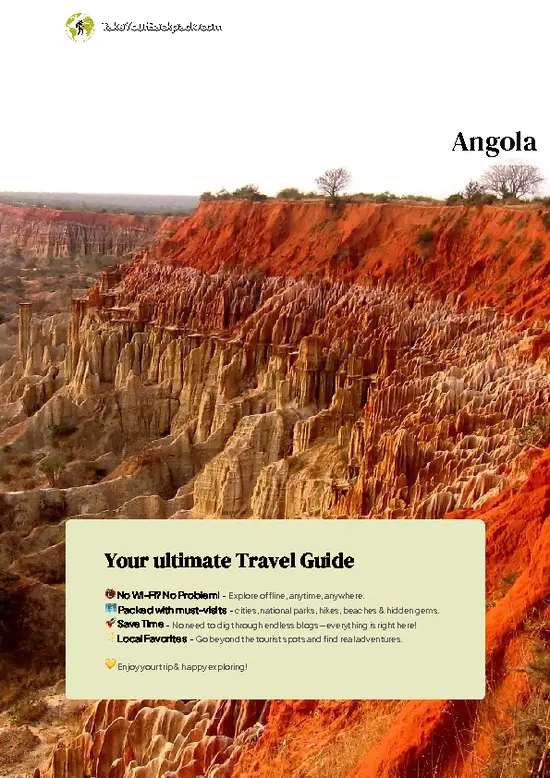
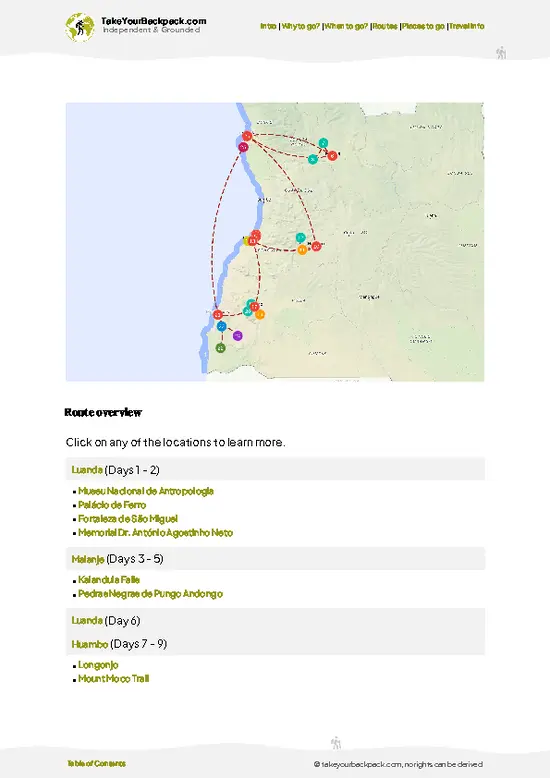
example page 0 from our offline Travel Guide for Angola
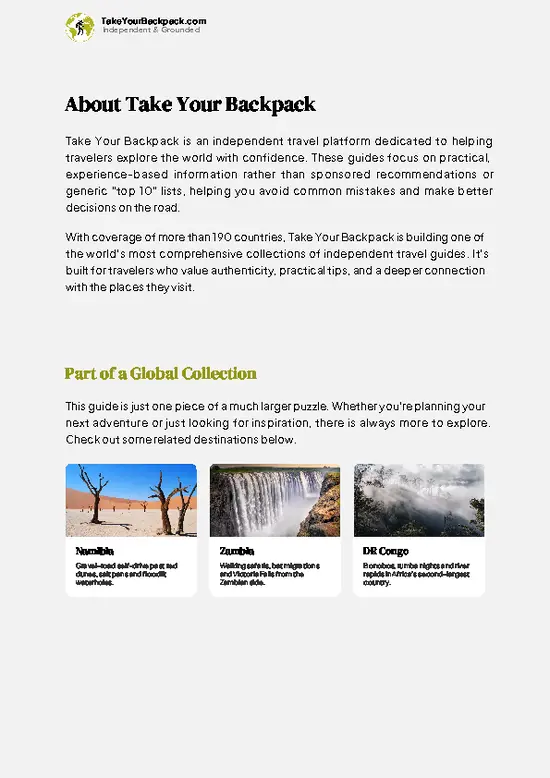
example page 1 from our offline Travel Guide for Angola
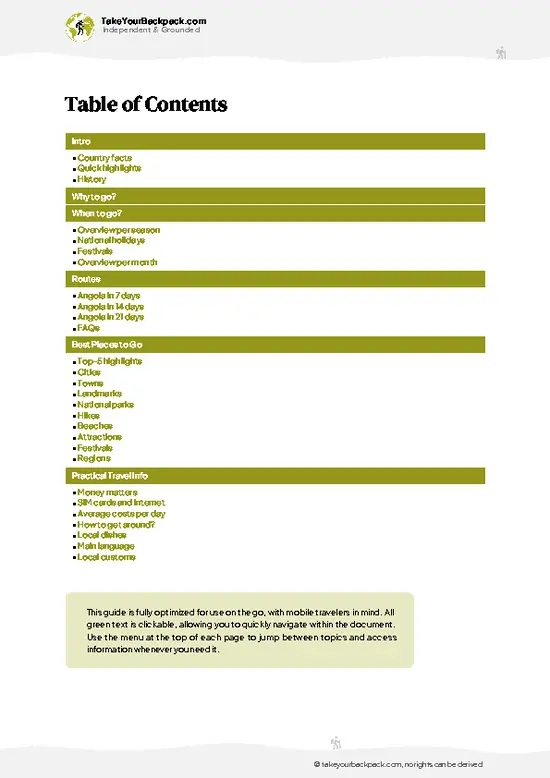
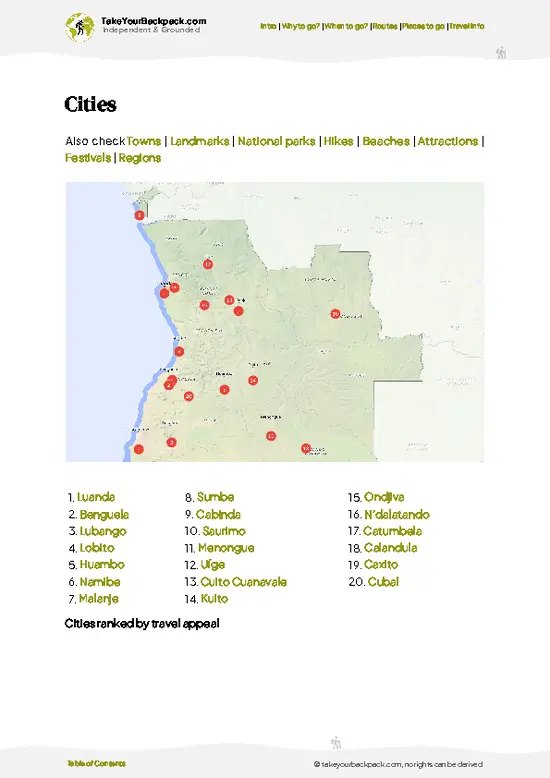
example page 2 from our offline Travel Guide for Angola
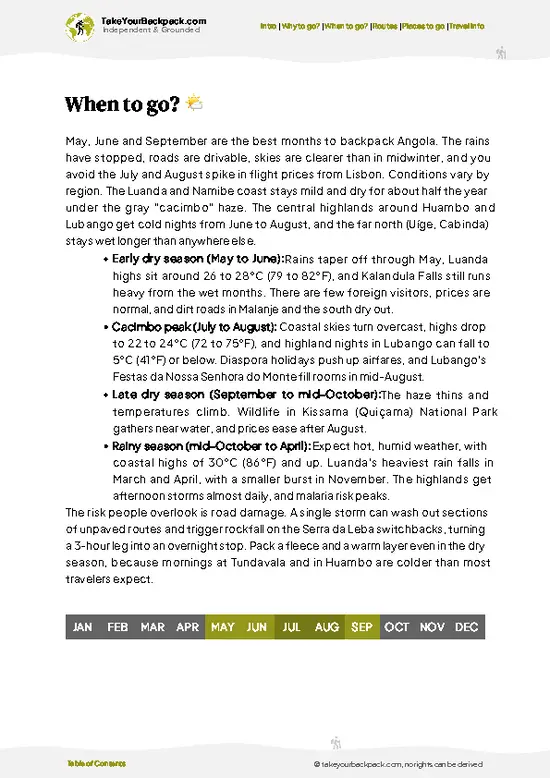
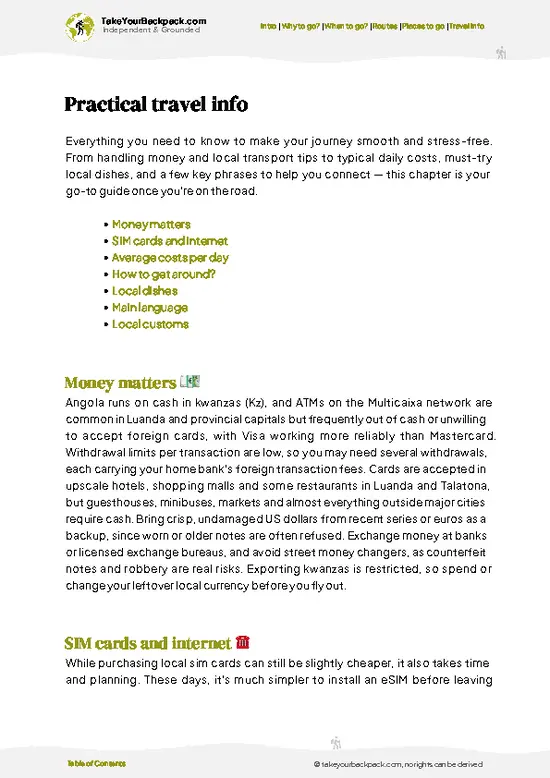
example page 3 from our offline Travel Guide for Angola
example page 4 from our offline Travel Guide for Angola
example page 5 from our offline Travel Guide for Angola
example page 6 from our offline Travel Guide for Angola
example page 7 from our offline Travel Guide for Angola
Loading the map 🌍
CLICK TO FILTER
cities
towns
landmarks
national parks
hikes
beaches
attractions
festivals
regions
SHOW COUNTRY’S BESTSHOW ALL

✨ Why go?
Ranked #6 city in Angola
Why visitors keep coming back

Namibe earns its place on a route as the desert and ocean gateway of southern Angola, and it works best as a two or three night stop. The big draw is the contrast: you can sleep by the sea and be among dunes, dry riverbeds and strange plants within an hour. Seafood is the other reason, with grilled catch at simple spots near the Praia do Saco and the port area, usually cheaper and fresher than anything in the capital. The town is flat and small enough to cover on foot or with short taxi rides. It also links well to Lubango and the Serra da Leba road, roughly 190 km inland, so it slots between highland and coast. Come for the landscapes and food. Skip it if you need much nightlife.

💡 HighlightsMust-see experiences and standout moments

  1. Praia do Saco: A sheltered, curved bay beside town with calm water and fishing boats. Best in the morning or late afternoon. Free, 1 to 2 hours.
  2. Port and fish landing area: Watch catches come in and get sorted on the quay. Go early, around 7 to 9 AM. Free, about 1 hour. Ask before photographing people.
  3. Namibe Cathedral and old colonial center: Portuguese-era buildings, pastel facades and quiet squares on a short walk. Late afternoon light is best. Free, 1 hour.
  4. Namibe railway station: The terminus of the line from Lubango, a reminder of the colonial-era port. Visit in daylight. Free, 30 minutes.
  5. Local seafood restaurants: Grilled fish, crayfish and shellfish near the beach. Lunch is the best time. Expect roughly 6,000 to 15,000 kwanzas (US$7 to 17), 1 to 1.5 hours.
  6. Cemitério dos Navios viewpoint
… read more 👉
  1. Praia do Saco: A sheltered, curved bay beside town with calm water and fishing boats. Best in the morning or late afternoon. Free, 1 to 2 hours.
  2. Port and fish landing area: Watch catches come in and get sorted on the quay. Go early, around 7 to 9 AM. Free, about 1 hour. Ask before photographing people.
  3. Namibe Cathedral and old colonial center: Portuguese-era buildings, pastel facades and quiet squares on a short walk. Late afternoon light is best. Free, 1 hour.
  4. Namibe railway station: The terminus of the line from Lubango, a reminder of the colonial-era port. Visit in daylight. Free, 30 minutes.
  5. Local seafood restaurants: Grilled fish, crayfish and shellfish near the beach. Lunch is the best time. Expect roughly 6,000 to 15,000 kwanzas (US$7 to 17), 1 to 1.5 hours.
  6. Cemitério dos Navios viewpoint area: Rusting wrecks and shoreline desert on the coast north and south of town; this needs a local driver and a 4x4. Go in the morning. Budget roughly US$60 to 120 for a vehicle, half a day.
For day trips, the Giraul River valley and the desert plains toward Tômbwa are reachable by 4x4, while Lubango, Tundavala and the Serra da Leba pass are the classic longer excursion inland. For a first visit, Praia do Saco is the best start, since it gives you the bay, the boats and the desert edge in one easy stop.
Spotted a mistake or missing something? Contact us.

🏘️ NeighborhoodsHow different areas shape the experience

Namibe is a flat, compact port city where the Atlantic fog meets desert dust, and most of what you need sits within a 30-minute walk.
  • Centro and the Avenida: Colonial-era Portuguese facades in faded pastels line the grid near the main square, and the air smells of diesel, grilled fish and salt. Pharmacies, banks, bakeries and ATMs cluster here. Walk it in the morning, before the midday glare turns the pavement white. This is the best value for a first day, since it costs nothing and covers almost everything.
  • Praia Amélia and the seafront: A wide bay with gusting wind, fishing boats and gulls. Evening is when families and joggers appear, and beach shacks serve cold beer and grilled fish. A 20 to 30 minute walk from the center, or a short taxi ride that saves your legs on the way back after dark.
… read more 👉
Namibe is a flat, compact port city where the Atlantic fog meets desert dust, and most of what you need sits within a 30-minute walk.
  • Centro and the Avenida: Colonial-era Portuguese facades in faded pastels line the grid near the main square, and the air smells of diesel, grilled fish and salt. Pharmacies, banks, bakeries and ATMs cluster here. Walk it in the morning, before the midday glare turns the pavement white. This is the best value for a first day, since it costs nothing and covers almost everything.
  • Praia Amélia and the seafront: A wide bay with gusting wind, fishing boats and gulls. Evening is when families and joggers appear, and beach shacks serve cold beer and grilled fish. A 20 to 30 minute walk from the center, or a short taxi ride that saves your legs on the way back after dark.
  • Port and fishing quarter: Loud, fishy and photogenic at dawn, when catches are hauled in and sorted on the sand. Watch your footing on slick, uneven ground. Go early, then leave by midmorning.
  • Railway area: Rusting rolling stock and the old station give a quieter, industrial feel. Little nightlife, so it is best as a short daytime detour.
  • Bairros on the edges: Dusty, unpaved streets with small stalls and music from doorways. Visit with a local guide or by taxi rather than wandering aimlessly.

⌛️ 1 dayWhat you can realistically do in a day

Namibe is small, salty and slow, so a single day covers its harbor, beach and old streets without hurrying.
7:30 AM, Port and fish landing: Start where the boats unload. The air smells of brine and diesel, and gulls crowd the quay. Spend an hour watching the catch, then walk about 15 minutes toward the center.
9:00 AM, Colonial center and cathedral: Wander the quiet avenues, the cathedral square and the old station area. The Portuguese-era facades look best before the heat builds. Stop for coffee at a local café.
11:30 AM, Railway station: Few visitors bother, but it explains why the town exists. Ten minutes is enough, and a short taxi ride takes you onward.
1:00 PM, Seafood lunch: Order grilled fish or crayfish near the beach. Prices are modest, and portions are generous.
3:00 PM, Praia do Saco: … read more 👉
Namibe is small, salty and slow, so a single day covers its harbor, beach and old streets without hurrying.
7:30 AM, Port and fish landing: Start where the boats unload. The air smells of brine and diesel, and gulls crowd the quay. Spend an hour watching the catch, then walk about 15 minutes toward the center.
9:00 AM, Colonial center and cathedral: Wander the quiet avenues, the cathedral square and the old station area. The Portuguese-era facades look best before the heat builds. Stop for coffee at a local café.
11:30 AM, Railway station: Few visitors bother, but it explains why the town exists. Ten minutes is enough, and a short taxi ride takes you onward.
1:00 PM, Seafood lunch: Order grilled fish or crayfish near the beach. Prices are modest, and portions are generous.
3:00 PM, Praia do Saco: Walk the bay and swim if the water is calm. Cool Atlantic water shocks at first, then feels wonderful.
5:30 PM, Desert edge at sunset: Take a taxi to the edge of town where the sand begins and watch the light turn copper over the dunes. Return for a simple dinner.

🌤️ When to go?Best time to visit Namibe

The best time for Namibe is May to September, when days are dry and mild and the desert tracks nearby are easiest to drive.
  • Cool Dry Season (May to September): Highs around 22 to 26°C (72 to 79°F), lows near 15 to 18°C (59 to 64°F). Mornings are often overcast with sea fog, and daylight runs roughly 11 hours. Accommodation fills a little with visiting workers and domestic travelers.
  • Hot Season (October to April): Highs reach 28 to 33°C (82 to 91°F), with warm sea water and sunshine around 13 hours a day. Rainfall in town stays very low, though inland roads can turn bad after storms in the highlands. Beach days are best now.
  • Shoulder Months: April and October offer fewer visitors and manageable heat. Prices stay fairly steady year-round, though fuel and vehicle hire rise around Christmas and Easter.
… read more 👉
The best time for Namibe is May to September, when days are dry and mild and the desert tracks nearby are easiest to drive.
  • Cool Dry Season (May to September): Highs around 22 to 26°C (72 to 79°F), lows near 15 to 18°C (59 to 64°F). Mornings are often overcast with sea fog, and daylight runs roughly 11 hours. Accommodation fills a little with visiting workers and domestic travelers.
  • Hot Season (October to April): Highs reach 28 to 33°C (82 to 91°F), with warm sea water and sunshine around 13 hours a day. Rainfall in town stays very low, though inland roads can turn bad after storms in the highlands. Beach days are best now.
  • Shoulder Months: April and October offer fewer visitors and manageable heat. Prices stay fairly steady year-round, though fuel and vehicle hire rise around Christmas and Easter.
Book desert transport a day ahead in the cool months, when drivers are busiest.


source: climatestotravel.comJANJanuary: fair for travelingFEBFebruary: fair for travelingMARMarch: fair for travelingAPRApril: highly recommended for travelingMAYMay: excellent for travelingJUNJune: excellent for travelingJULJuly: excellent for travelingAUGAugust: excellent for travelingSEPSeptember: excellent for travelingOCTOctober: highly recommended for travelingNOVNovember: fair for travelingDECDecember: fair for traveling
when-to-go

✈️ The backpacker research shortcutAngola Travel Guide

An offline-friendly backpacking guide with optimized travel routes, ranked highlights, transport advice, and the best areas to stay.
example page 0 from our offline Travel Guide for Angola
example page 1 from our offline Travel Guide for Angola
example page 2 from our offline Travel Guide for Angola
example page 3 from our offline Travel Guide for Angola
example page 4 from our offline Travel Guide for Angola
example page 5 from our offline Travel Guide for Angola
example page 6 from our offline Travel Guide for Angola
example page 7 from our offline Travel Guide for Angola
The digital guide (246 pages) contains:
✅ 71 highlights, ranked by travel appeal
✅ Optimized 7, 14 & 21-day travel routes
✅ Cities, national parks, landmarks, beaches
✅ How to get around
✅ Offline-friendly for travel without Wi-Fi
👉 Click to see all 30+ guide features

📅 Plan smarter in minutes, not weeks
✅ Month by month travel advice
✅ Festivals & national holidays
✅ Budget expectations

🗺️ Go to the right places, skip the overrated ones
✅ Honest pros & cons of destinations
✅ Top hikes, parks & viewpoints
✅ Lesser-known places most travelers miss
✅ Clear “worth it vs skip it” guidance

🛏️ Travel smoothly without rookie mistakes
✅ Best areas to stay
✅ Transport systems explained simply
✅ Common scams & safety advice
✅ SIM cards, money & practical tips

🌍 Understand the country, not just visit it
✅ Culture & traditions
✅ 52 Essential phrases & customs
✅ Festivals worth planning around
✅ Traveler-friendly historical context
✅ Insights that make places more meaningful

📱 Built for real travel conditions
✅ Fully downloadable PDF
✅ Works completely offline
✅ Optimized for phone use
✅ Useful in remote areas & buses
✅ Everything in one place
Stop searching, start planning
Get instant access to your full guide. 30‑day money-back guarantee.
+ Add another guide for just

By proceeding you agree to our terms.
Sent to your inbox immediately after payment • 100% Secure Checkout
Best Backpacking Travel Advisor 2025 tourism awardBest Backpacking
Travel Advisor
2025
What others say about Take Your Backpack Guides:
⭐⭐⭐⭐⭐
Fantastic, amazing amount of information!
⭐⭐⭐⭐⭐
My goodness this is amazing, it's what I've been looking for hats off too you!
⭐⭐⭐⭐⭐
I think this is absolutely BRILLIANT
⭐⭐⭐⭐
Very complete and informative. It's still missing places, but I gotta to commend you
⭐⭐⭐⭐⭐
This is truly amazing, thank you, can't wait to explore it with my kids!
⭐⭐⭐⭐⭐
Awesome resource, thank you!
⭐⭐⭐⭐⭐
This is amazing! Can't wait to explore the ones I haven't seen
⭐⭐⭐⭐
I love this! Well done, great idea.
⭐⭐⭐⭐⭐
Thanks for taking the time to make this gem!
⭐⭐⭐⭐⭐
This might be the best website I've ever seen.
⭐⭐⭐⭐⭐
Congratulations, and thank you so much for your work; it's incredibly valuable.
⭐⭐⭐⭐
In all seriousness I think you did a great job pointing out the important spots
⭐⭐⭐⭐⭐
10/10 very good
⭐⭐⭐⭐⭐
As someone who's only just starting to visit regularly this is awesome, thank you.
⭐⭐⭐⭐
Thank you very much! I'm going to visit my dad, it's going to be very useful!
⭐⭐⭐⭐⭐
This is really cool! We'll be travelling for the first time and this definitely come in handy.
⭐⭐⭐⭐⭐
You are now our minister of culture, congratulations 👨‍💼
⭐⭐⭐⭐⭐
Just wanted to tell you that this is a pearl! Going to follow your recommendations.
⭐⭐⭐⭐⭐
This is so cool. I'll definitely be using the resource for my travels soon.
⭐⭐⭐⭐⭐
This is very impressive! Good work.
⭐⭐⭐⭐⭐
This is an amazing and informative site. Very well done!

🛏️ Where to stay?How to pick the right area

The center around the main avenue is the best area for a budget stay in Namibe. Budget beds here are mostly small guesthouses and simple pensions, with few true hostels, so expect private rooms at modest prices rather than dorms. Being central means banks, ATMs, bakeries and taxi ranks are a short walk away, and it is also where you can find drivers for desert trips.

Nights are generally calm, with some noise from bars and street music on weekends. Choose a room away from main junctions, and check for working fans or air conditioning, since generators and water supply can be irregular.

The second … read more 👉
The center around the main avenue is the best area for a budget stay in Namibe. Budget beds here are mostly small guesthouses and simple pensions, with few true hostels, so expect private rooms at modest prices rather than dorms. Being central means banks, ATMs, bakeries and taxi ranks are a short walk away, and it is also where you can find drivers for desert trips.

Nights are generally calm, with some noise from bars and street music on weekends. Choose a room away from main junctions, and check for working fans or air conditioning, since generators and water supply can be irregular.

The second option is the area closer to the seafront and Praia Amélia. It is breezier and quieter, with cooler nights, but you will rely more on taxis after dark, and walking back along dim, empty roads is not advisable. Fewer shops and eateries operate nearby, so it suits those who prefer quiet over convenience. For most backpackers, the center wins: transport links to the bus area and the station are shorter, and evening walks to dinner stay safe and easy. Book ahead in the cool season, as rooms are limited.

🚌 Getting aroundHow to get around Namibe

From the Namibe train station and the bus area, the center is a flat 10 to 20 minute walk or a short taxi ride costing roughly Kz 1,000 to 2,500 (US$1 to 3), with sun-bleached streets and the smell of sea air and exhaust. Most backpackers walk in town and use taxis for beaches or after dark. Traffic is light compared with Luanda, but pavements are cracked and shade is scarce. Formal public transport is limited, so expect to negotiate.
  • Walking: Free and the best option for the center, where distances are short and the grid is easy to read. Carry water and a hat, as wind and glare dry you out fast. At night, take a taxi instead.
  • Shared taxis (candongueiros): Battered minibuses run fixed routes along main roads for about Kz 100 to 300 (under US$0.35). They are the cheapest option and the most cramped,
… read more 👉
From the Namibe train station and the bus area, the center is a flat 10 to 20 minute walk or a short taxi ride costing roughly Kz 1,000 to 2,500 (US$1 to 3), with sun-bleached streets and the smell of sea air and exhaust. Most backpackers walk in town and use taxis for beaches or after dark. Traffic is light compared with Luanda, but pavements are cracked and shade is scarce. Formal public transport is limited, so expect to negotiate.
  • Walking: Free and the best option for the center, where distances are short and the grid is easy to read. Carry water and a hat, as wind and glare dry you out fast. At night, take a taxi instead.
  • Shared taxis (candongueiros): Battered minibuses run fixed routes along main roads for about Kz 100 to 300 (under US$0.35). They are the cheapest option and the most cramped, loud and hot. Worth it for longer straight runs, but unclear about destinations, so ask the conductor.
  • Moto-taxis: Quick and cheap at around Kz 300 to 1,000 (US$0.35 to 1.20) for most town rides. They zip through traffic but offer no protection and often no helmet, so they suit short daytime hops best.
  • Private taxis: Roughly Kz 1,000 to 3,000 (US$1 to 3.50) within town, agreed before you get in, since meters are rare. This gives the best comfort per dollar for beaches and evenings, especially if you split with others.
  • Hired 4x4 with driver: The only practical way into the dunes and the Iona region, usually US$100 to 200 a day for the vehicle, shared among passengers. Expensive, but sharing between three or four people brings it close to reasonable.

👛 Costs (as of 16 October 2026)Money, prices, and spending tips

Namibe costs more than neighboring countries in the region, mainly because imported goods and lodging are pricey, but a careful backpacker can manage on about US$45 to 90 a day.
CategoryBudget RangeLocal Reality
Dorm/budget bed (high season)US$25 to 50Few dorms exist; simple guesthouse rooms are the norm
Dorm/budget bed (off-season)US$20 to 40Slightly lower, with room for negotiation
MealsUS$8 to 20Market snacks and grilled fish plates
Local transportUS$2 to 8Shared taxis and moto-taxis; private taxis cost more
City transport passNot availablePay per ride
Basic activities/entry feesUS$0 to 20Walking and beaches are free; desert trips cost extra
MiscellaneousUS$3 to 10Water, SIM data, snacks
Total Daily BudgetUS$45 to 90Add US$30 to 60 on desert tour days
Split 4x4 hire with other travelers and eat at market stalls to keep costs down.

source: numbeo.com
⚠️ Prices can change and everyone travels differently, so take this as a rough guide. Hope it helps you plan your adventure!

🚌 Day tripsBest day trips from Namibe

Namibe works well as a base for desert and coastal day trips, but nearly all need a hired 4x4 or a guide, so sharing costs matters.
Tômbwa and Baía dos Tigres Road:
The road south runs through shifting dunes toward the fishing town of Tômbwa, about 1.5 hours each way. Expect rough sections, fish-smelling villages and desert light. A shared vehicle costs roughly US$40 to 70 per person. Go in the dry months, and set off early since driving at dusk is risky.

Arco and Lagoa dos Arcos:
Rocky coastal formations and desert viewpoints about an hour from town. Entry is cheap, but transport costs US$20 to 40 shared. First-timers often arrive at midday, when glare flattens the colors; go early or late.

Welwitschia Plains:
Ancient welwitschia plants sprawl across gravel plains inland, roughly 1.5 to … read more 👉
Namibe works well as a base for desert and coastal day trips, but nearly all need a hired 4x4 or a guide, so sharing costs matters.
Tômbwa and Baía dos Tigres Road:
The road south runs through shifting dunes toward the fishing town of Tômbwa, about 1.5 hours each way. Expect rough sections, fish-smelling villages and desert light. A shared vehicle costs roughly US$40 to 70 per person. Go in the dry months, and set off early since driving at dusk is risky.

Arco and Lagoa dos Arcos:
Rocky coastal formations and desert viewpoints about an hour from town. Entry is cheap, but transport costs US$20 to 40 shared. First-timers often arrive at midday, when glare flattens the colors; go early or late.

Welwitschia Plains:
Ancient welwitschia plants sprawl across gravel plains inland, roughly 1.5 to 2 hours away. Strange, low and leathery, they live for centuries. Hire a driver who knows the tracks, since getting lost is the common mistake. Budget US$30 to 60 shared.

Tundavala and Leba Road:
The route toward Lubango climbs the Leba Pass, with dramatic switchbacks. Lubango is about 3 hours away, so the full trip is long. Public shared taxis cost around US$8 to 15 one way, but a same-day return is tiring. Start before dawn.

🍲 FoodEating & Drinking in Namibe

Namibe lives on the sea, so grilled fish is the thing to eat: fresh catches like garoupa or dourada, blackened over charcoal and served with funge (cassava or maize porridge), rice or fries. The smell of smoke and lemon drifts along the seafront by late afternoon. Try calulu, a slow-cooked stew of dried fish or meat with okra and palm oil, and mufete, a beach plate of grilled fish with beans, plantain and cassava.

For cheap eating, head to the central market for fruit, bread and fried snacks, or to small tascas and beach shacks where a plate runs about Kz 3,000 to 7,000 (US$3.50 to 8). Bakeries sell crisp Portuguese-style rolls and strong coffee in the morning.

The local drink is cold Cuca beer, served in small bottles at open-air bars with loud music, especially on weekends. Meals are slow, … read more 👉
Namibe lives on the sea, so grilled fish is the thing to eat: fresh catches like garoupa or dourada, blackened over charcoal and served with funge (cassava or maize porridge), rice or fries. The smell of smoke and lemon drifts along the seafront by late afternoon. Try calulu, a slow-cooked stew of dried fish or meat with okra and palm oil, and mufete, a beach plate of grilled fish with beans, plantain and cassava.

For cheap eating, head to the central market for fruit, bread and fried snacks, or to small tascas and beach shacks where a plate runs about Kz 3,000 to 7,000 (US$3.50 to 8). Bakeries sell crisp Portuguese-style rolls and strong coffee in the morning.

The local drink is cold Cuca beer, served in small bottles at open-air bars with loud music, especially on weekends. Meals are slow, so relax and wait. Confirm prices before ordering fish by weight, and share large plates to save money.

🛡️ SafetySafety Tips and Common Scams in Namibe

Namibe is generally calm by Angolan standards, and most problems are petty. Keep phones and cameras out of sight on the main avenue and near the market, where opportunistic theft happens in crowds. Carry a copy of your passport, since police checkpoints are common and officers may ask for documents; stay polite and patient, and an unhurried manner usually ends the matter. Some officers hint at a fine, so ask calmly for an official receipt. Solo travelers, including women, can walk the center in daylight comfortably, but use a taxi after dark, especially around the seafront and port. Agree taxi and moto fares before you start. Photographing military or port installations can cause trouble, so ask first. Drink bottled water, and use sunscreen as wind hides how strong the sun is.

FAQFrequently asked questions about Namibe

Two to three days is enough for Namibe. That gives you a full day in town for the port, beach and seafood, plus a day for a 4x4 trip into the desert toward Tômbwa or the Giraul valley. Add a third day if you plan to continue inland to Lubango, about 190 km away, which takes roughly 3 to 4 hours by road.
Namibe is generally calm for solo travelers, with far less street crime than Luanda, but ordinary precautions still apply. Stay in the center after dark, use taxis at night and carry only the cash you need, as small theft can happen near the port and market. Keep your passport copy handy for police checks and get local advice before heading into the desert alone.
Namibe is known for its location where the Namib Desert meets the Atlantic, for its fishing port and for its seafood. It is also the terminus of the Moçâmedes Railway to Lubango and a base for trips into the desert and to Mucubal herding communities. Expect a laid-back port town with colonial-era architecture and a meal of grilled fish for around US$7 to 17.
⚠️ Things can change over time, so always validate details locally before you go.

Other Angolan cities near Namibe

Explore more nearby:

  • Lubango—Cristo Rei, plateau chill, Nossa Senhora do Monte, sunset terraces| 146 km away
  • Benguela—Praia Morena, acacia avenues, Pópulo church, railway station| 320 km away
  • Cubal—Railway station, town square, escarpment roads, central market| 329 km away

💡 Not sure where to go next?
Create a personalized itinerary for Angola including Namibe and the places that fit your trip.

Generate my itinerary

👉 Discover all cities

Or checkout all Angola has to offer (think cities, towns, villages, national parks, hikes, beaches, festivals)
Country photo of Angola

We 💚 feedbackIs it worth it?

Namibe rewards the slow traveler who likes empty beaches, grilled fish and desert light more than ticking off sights. Overlanders coming down from Lubango will love it as a breather on the coast. The best surprise is how quickly the desert starts beyond the last street. Bring cash in kwanzas, since cards and ATMs can be unreliable, and sunscreen for the glare.

✍️ Help improve this page!
The information on this page is based on in-depth research, insights shared by experienced travelers, and feedback from the local travel community in Angola. While every effort is made to keep the information accurate and current, conditions can change — so if you spot anything incorrect or outdated, please get in touch.


🙋‍♂️ Give feedback

👋 Meet the founderWho’s Behind Take Your Backpack?

Johan, backpacker and founder of TakeYourBackpackHi, I’m Johan (Netherlands 🇳🇱), the creator of TakeYourBackpack. Over the past 3 decades, I’ve backpacked through 90+ countries across six continents, gaining extensive experience with independent travel, long-term trips, and overland routes.

This site is built on a combination of firsthand travel experience and carefully curated insights from other backpackers. Many guides are based on places I’ve personally visited, while others bring together tips, observations, and practical advice shared by trusted travelers I’ve met along the way.

The goal is to provide realistic, experience-driven guidance — not generic itineraries — so you can explore destinations with better context, clearer expectations, and more confidence.