

×

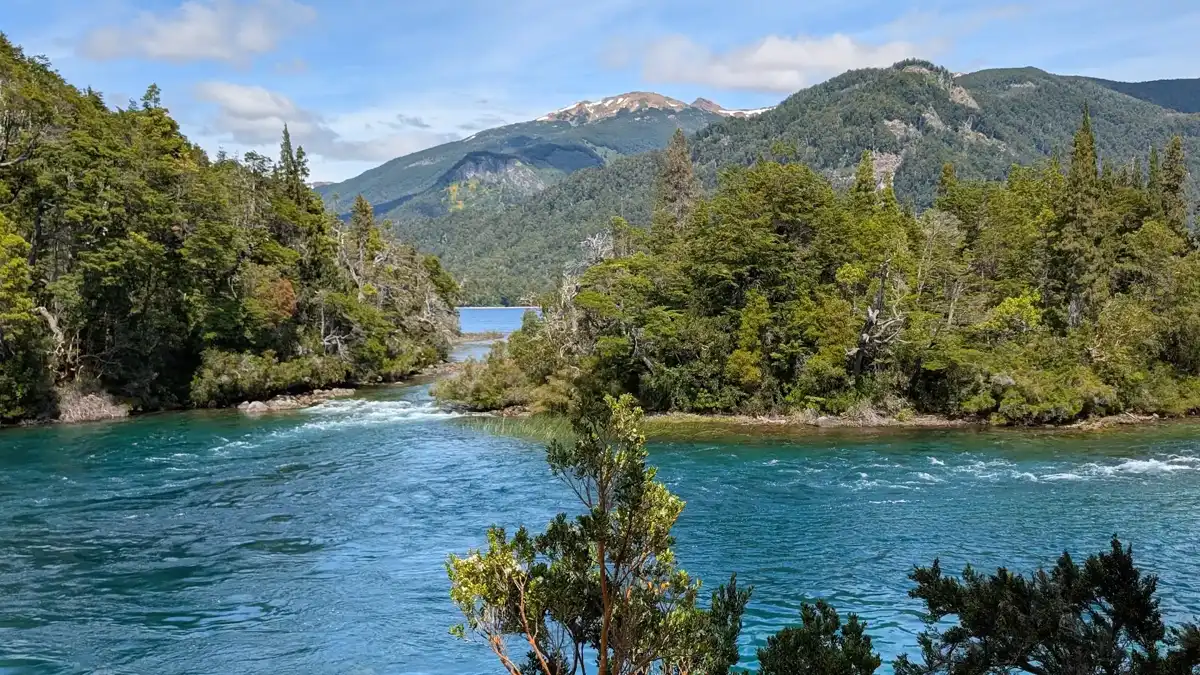
Argentina🇦🇷 | national parksLos Alerces National Parkancient larch forests, turquoise lakes, glacial rivers, Andean foothills | things to do and best time to go

Explore Las Sierras de la VentanaExplore Los Glaciares National Park

Backpacking in Los Alerces
UNESCO World Heritage site
🌟 Highlightnational park ranked #8
By Johan Kruseman 🇳🇱 | Updated September 4, 2026

Most online blurbs sell Los Alerces as “remote and untouched,” but the real surprise is how structured it feels on the ground: lots of private concessions, paid boat trips, and fenced-off lakeshore that quietly add to your daily costs. The park sits in northwest Chubut Province, in Argentine Patagonia, west of Esquel near the Chilean border. For backpackers, it’s a calm, lake-and-forest alternative to the drama of El Chaltén or Bariloche. Trails are beautiful but mostly moderate, with big payoffs in old-growth alerce forests and clear water rather than jagged peaks. Wildlife is shy, access relies on limited buses or pricey transfers, and camping is either basic free sites or organized campgrounds that can feel semi-commercial. Fewer crowds, softer scenery, higher “little” expenses.

Discover everything you want to know in the 📖 Argentina Travel Guide.
Loading the map 🌍
CLICK TO FILTER
cities
towns
villages
landmarks
national parks
hikes
beaches
attractions
festivals
regions
SHOW COUNTRY’S BESTSHOW ALL

✨ Why go?
Ranked #8 national park in Argentina
Reasons people choose to explore here

Backpackers flock to Los Alerces National Park for its blend of independent exploration and affordable accommodations. The park offers a range of budget camping options and nearby hostels, making it easy to stretch your funds. You can pitch a tent by the lake or find a cozy bed in town, keeping your wallet happy.

The trail variety is impressive, catering to all skill levels. Whether you want a leisurely stroll or a challenging hike, there’s something for everyone. This park is particularly suited for self-guided travelers. You won’t feel pressured to join a tour; the well-marked paths allow you to set your own pace and soak in the stunning scenery.

Avoid the tourist traps and embrace the freedom of exploring at your own rhythm. That’s where the real adventure lies.
Want to include Los Alerces National Park in your Argentina route?
Create a personalized Argentina itinerary that includes Los Alerces National Park and the places that fit your trip — based on your travel style, budget, and available time. Get your route in seconds.

Generate my trip

💡 HighlightsPlaces and moments you shouldn't skip

  • Alerce (Fitzroya) groves — The real headline act: giant, slow-growing alerce trees that can be thousands of years old. Walk a short trail through the Alerzal milenario and you feel how tiny your trip is compared to those trunks. Personal favorite — nothing beats standing under one of those old trees.
  • Lago Futalaufquen & boat excursions — Big, deep freshwater lake with mirror reflections and regular boat runs that pick you up for short excursions. Great for lazy afternoons, fishing, or using a kayak to explore quiet inlets that cars can’t reach.
  • Lago Menéndez’s fjord-like shoreline — Menéndez is dramatic: steep granite walls, waterfalls dropping straight into icy blue water, and a wild, remote feel. If you like dramatic scenery and good photo ops, this is the place.
  • Lago Rivadavia beaches
read more 👉
  • Alerce (Fitzroya) groves — The real headline act: giant, slow-growing alerce trees that can be thousands of years old. Walk a short trail through the Alerzal milenario and you feel how tiny your trip is compared to those trunks. Personal favorite — nothing beats standing under one of those old trees.
  • Lago Futalaufquen & boat excursions — Big, deep freshwater lake with mirror reflections and regular boat runs that pick you up for short excursions. Great for lazy afternoons, fishing, or using a kayak to explore quiet inlets that cars can’t reach.
  • Lago Menéndez’s fjord-like shoreline — Menéndez is dramatic: steep granite walls, waterfalls dropping straight into icy blue water, and a wild, remote feel. If you like dramatic scenery and good photo ops, this is the place.
  • Lago Rivadavia beaches and paddling — Turquoise shallows and sandier beaches make this lake a picnic-and-swim spot (well, Patagonia swim—brisk but beautiful). Easy trails and kayak rentals make it one of the park’s most accessible water playgrounds.
  • Waterfalls and river gorges — The park is full of sudden drops where rivers pour into lakes or carve tight gorges; you’ll find short viewpoints and bridge crossings that are perfect for a quick hike-and-photo combo. They’re especially spectacular after spring melt or heavy rain.
  • Wildlife watching — Look for pudú (tiny deer), huemul (very rare), coipos and a variety of waterfowl; raptors cruise the cliffs. Animals are shy, so quiet, slow walks at dawn or dusk pay off more than frantic searching.
  • Backcountry hikes and lenga forests — Multi-day routes and day hikes traverse lenga forests, alpine meadows, and ridge viewpoints. Trails are less crowded than other Patagonian parks, so you can find real solitude if you’re willing to walk a bit.
Spotted a mistake or missing something? Contact us.
🌤️ When to go?Choosing the right time of year


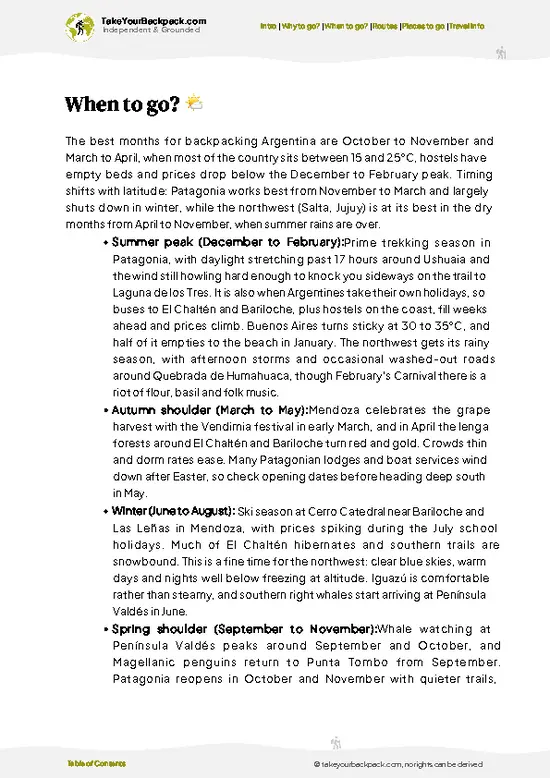
  • Weather: The best weather hits from late spring to early autumn (November to March). Expect mild, mostly dry days with occasional rain. Winter (June to August) brings cold, often below freezing, and snow can block trails.

  • Temperature: Summer highs hover around 20-25°C (68-77°F), perfect for hiking without overheating. Nights can still dip to 5-10°C (41-50°F), so pack layers. Winter days rarely climb above 5°C (41°F), with nights well below freezing.

  • Daylight Hours: Summer offers long days—up to 15 hours of light—ideal for extended treks. Winter days shrink to about 9 hours, limiting hiking time and increasing risk if you get caught out late.

  • Crowds: Peak season (December to February) sees the most visitors, especially weekends. Trails and campsites fill up, which can drain the wilderness
read more 👉

  • Weather: The best weather hits from late spring to early autumn (November to March). Expect mild, mostly dry days with occasional rain. Winter (June to August) brings cold, often below freezing, and snow can block trails.

  • Temperature: Summer highs hover around 20-25°C (68-77°F), perfect for hiking without overheating. Nights can still dip to 5-10°C (41-50°F), so pack layers. Winter days rarely climb above 5°C (41°F), with nights well below freezing.

  • Daylight Hours: Summer offers long days—up to 15 hours of light—ideal for extended treks. Winter days shrink to about 9 hours, limiting hiking time and increasing risk if you get caught out late.

  • Crowds: Peak season (December to February) sees the most visitors, especially weekends. Trails and campsites fill up, which can drain the wilderness vibe. Shoulder seasons offer more solitude.

  • Seasonal Activities: Summer is prime for hiking, kayaking, and fishing. Winter opens up opportunities for snowshoeing but limits access to many trails and roads.

  • Price Fluctuations: Accommodation and transport costs spike in summer. Booking early is essential. Off-season rates drop significantly but expect fewer services and some closures.


Pro-tip: Aim for late spring or early autumn to dodge crowds and enjoy stable weather—this balance saves your energy and wallet for the real adventure.


source: climatestotravel.comJANJanuary: excellent for travelingFEBFebruary: excellent for travelingMARMarch: highly recommended for travelingAPRApril: highly recommended for travelingMAYMay: fair for travelingJUNJune: below average for travelingJULJuly: below average for travelingAUGAugust: below average for travelingSEPSeptember: fair for travelingOCTOctober: good for travelingNOVNovember: highly recommended for travelingDECDecember: excellent for traveling
argentina-national-park-los-alerces-national-park
© Google | Robert Quinn

✈️ The backpacker research shortcutArgentina Travel Guide

An offline-friendly backpacking guide with optimized travel routes, ranked highlights, transport advice, and the best areas to stay.
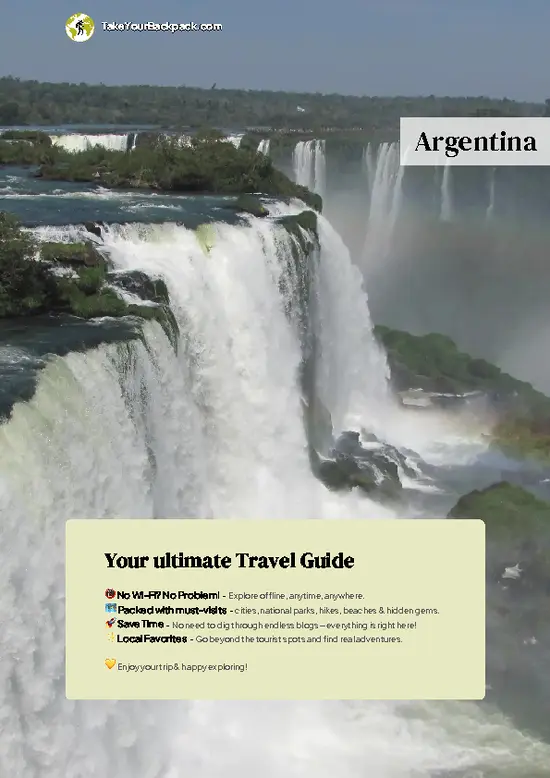
example page 0 from our offline Travel Guide for Argentina
example page 1 from our offline Travel Guide for Argentina
example page 2 from our offline Travel Guide for Argentina
example page 3 from our offline Travel Guide for Argentina
example page 4 from our offline Travel Guide for Argentina
example page 5 from our offline Travel Guide for Argentina
example page 6 from our offline Travel Guide for Argentina
example page 7 from our offline Travel Guide for Argentina
The digital guide (505 pages) contains:
135 highlights, ranked by travel appeal
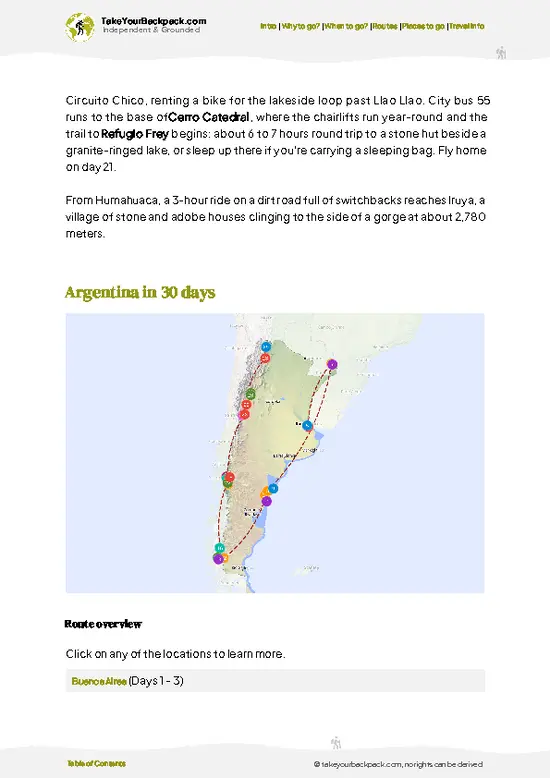
Optimized 14, 21 & 30-day travel routes
Cities, national parks, landmarks, beaches
How to get around
Offline-friendly for travel without Wi-Fi
👉 Click to see all 30+ guide features

📅 Plan smarter in minutes, not weeks
Month by month travel advice
Festivals & national holidays
Budget expectations

🗺️ Go to the right places, skip the overrated ones
Honest pros & cons of destinations
Top hikes, parks & viewpoints
Lesser-known places most travelers miss
Clear “worth it vs skip it” guidance

🛏️ Travel smoothly without rookie mistakes
Best areas to stay
Transport systems explained simply
Common scams & safety advice
SIM cards, money & practical tips

🌍 Understand the country, not just visit it
Culture & traditions
52 Essential phrases & customs
Festivals worth planning around
Traveler-friendly historical context
Insights that make places more meaningful

📱 Built for real travel conditions
Fully downloadable PDF
Works completely offline
Optimized for phone use
Useful in remote areas & buses
Everything in one place
Save weeks of stressful planning
Get instant access to your full guide. 30‑day money-back guarantee.
+ Add another guide for just US$7.80

By proceeding you agree to our terms.
Sent to your inbox immediately after payment • 100% Secure Checkout
Best Backpacking Travel Advisor 2025 tourism awardBest Backpacking
Travel Advisor
2025
What others say about Take Your Backpack Guides:
⭐⭐⭐⭐⭐
Fantastic, amazing amount of information!
⭐⭐⭐⭐⭐
My goodness this is amazing, it's what I've been looking for hats off too you!
⭐⭐⭐⭐⭐
I think this is absolutely BRILLIANT
⭐⭐⭐⭐
Very complete and informative. It's still missing places, but I gotta to commend you
⭐⭐⭐⭐⭐
This is truly amazing, thank you, can't wait to explore it with my kids!
⭐⭐⭐⭐⭐
Awesome resource, thank you!
⭐⭐⭐⭐⭐
This is amazing! Can't wait to explore the ones I haven't seen
⭐⭐⭐⭐
I love this! Well done, great idea.
⭐⭐⭐⭐⭐
Thanks for taking the time to make this gem!
⭐⭐⭐⭐⭐
This might be the best website I've ever seen.
⭐⭐⭐⭐⭐
Congratulations, and thank you so much for your work; it's incredibly valuable.
⭐⭐⭐⭐
In all seriousness I think you did a great job pointing out the important spots
⭐⭐⭐⭐⭐
10/10 very good
⭐⭐⭐⭐⭐
As someone who's only just starting to visit regularly this is awesome, thank you.
⭐⭐⭐⭐
Thank you very much! I'm going to visit my dad, it's going to be very useful!
⭐⭐⭐⭐⭐
This is really cool! We'll be travelling for the first time and this definitely come in handy.
⭐⭐⭐⭐⭐
You are now our minister of culture, congratulations 👨‍💼
⭐⭐⭐⭐⭐
Just wanted to tell you that this is a pearl! Going to follow your recommendations.
⭐⭐⭐⭐⭐
This is so cool. I'll definitely be using the resource for my travels soon.
⭐⭐⭐⭐⭐
This is very impressive! Good work.
⭐⭐⭐⭐⭐
This is an amazing and informative site. Very well done!

🛏️ Where to stay?Best areas and accommodation options

Los Alerces National Park is a treasure for backpackers, but finding the right place to stay can make or break your experience. Inside the park, options are limited. The park has a few rustic campsites, like Lago Rivadavia and Lago Verde, which offer basic amenities. These spots allow you to immerse yourself in nature, but be prepared for a lack of creature comforts.

For a bit more structure, head to the nearby town of Esquel. It’s about an hour away and offers a range of accommodations, from hostels to cozy guesthouses. Staying here gives you access to local eateries and shops, plus a chance … read more 👉
Los Alerces National Park is a treasure for backpackers, but finding the right place to stay can make or break your experience. Inside the park, options are limited. The park has a few rustic campsites, like Lago Rivadavia and Lago Verde, which offer basic amenities. These spots allow you to immerse yourself in nature, but be prepared for a lack of creature comforts.

For a bit more structure, head to the nearby town of Esquel. It’s about an hour away and offers a range of accommodations, from hostels to cozy guesthouses. Staying here gives you access to local eateries and shops, plus a chance to mingle with fellow travelers.

Another option is Trevelin, a charming town known for its Welsh heritage, just a short drive from the park. It’s quieter than Esquel but has enough amenities to keep you comfortable.

Plan ahead; these areas can fill up quickly, especially during peak season.

👛 Costs (as of 4 September 2026)Typical daily expenses

Visiting Los Alerces National Park in Argentina can be a rewarding experience, but it’s essential to be aware of the costs involved to avoid surprises.

Entry fees for the park typically range from $10 to $20 USD per person. This fee grants you access to the park’s stunning landscapes and hiking trails. Keep in mind that prices can vary based on the season, so check ahead if you’re visiting during peak times.

If you plan to camp, expect to pay around $5 to $10 USD per night for a campsite. Facilities are basic, so be prepared for a more rustic experience. For those looking for a bit more comfort, nearby lodges and cabins can range from $50 to $150 USD per night, depending on the amenities.

Transportation costs can add up. If you’re driving, factor in fuel prices and potential tolls. Public … read more 👉
Visiting Los Alerces National Park in Argentina can be a rewarding experience, but it’s essential to be aware of the costs involved to avoid surprises.

Entry fees for the park typically range from $10 to $20 USD per person. This fee grants you access to the park’s stunning landscapes and hiking trails. Keep in mind that prices can vary based on the season, so check ahead if you’re visiting during peak times.

If you plan to camp, expect to pay around $5 to $10 USD per night for a campsite. Facilities are basic, so be prepared for a more rustic experience. For those looking for a bit more comfort, nearby lodges and cabins can range from $50 to $150 USD per night, depending on the amenities.

Transportation costs can add up. If you’re driving, factor in fuel prices and potential tolls. Public transport options are limited, so renting a car might be your best bet, with prices starting around $30 USD per day.

Food is another consideration. Dining in local restaurants can cost between $10 to $30 USD per meal, depending on your choice of cuisine. If you’re on a budget, consider packing your own meals to save money and enjoy a picnic in the park.

Lastly, activities like guided tours or boat rentals can range from $20 to $100 USD, depending on the length and type of experience.

Being aware of these costs will help you manage your budget effectively, allowing you to focus on enjoying the natural beauty of Los Alerces National Park.


source: argentina.gob.ar
⚠️ Prices can change and everyone travels differently, so take this as a rough guide. Hope it helps you plan your adventure!

🥾 TrailsPlan your hike in Los Alerces: routes, terrain, and sights

Los Alerces National Park is a hidden gem in Argentina, offering some stunning hiking opportunities. Picture towering alerce trees, crystal-clear lakes, and snow-capped mountains—it’s like nature’s own gallery. The terrain varies from easy, flat paths to more challenging uphill hikes, so there’s something for everyone. Wildlife is abundant, too; keep an eye out for guanacos, condors, and maybe even a shy deer or two.

For a solid hike, check out the Laguna Los Alerces trail. Here are the details:
  • Length: 8 km (round trip)
  • Estimated Duration: 3-4 hours
  • Difficulty Level: Moderate
  • Key Features: Stunning
read more 👉
Los Alerces National Park is a hidden gem in Argentina, offering some stunning hiking opportunities. Picture towering alerce trees, crystal-clear lakes, and snow-capped mountains—it’s like nature’s own gallery. The terrain varies from easy, flat paths to more challenging uphill hikes, so there’s something for everyone. Wildlife is abundant, too; keep an eye out for guanacos, condors, and maybe even a shy deer or two.

For a solid hike, check out the Laguna Los Alerces trail. Here are the details:
  • Length: 8 km (round trip)
  • Estimated Duration: 3-4 hours
  • Difficulty Level: Moderate
  • Key Features: Stunning views of the lake, ancient alerce trees, and a chance to spot local wildlife
  • Terrain: Mix of flat and slightly hilly paths, well-marked

Another option is the Sendero del Bosque. This one’s a bit shorter but equally beautiful:
  • Length: 4 km (loop)
  • Estimated Duration: 1-2 hours
  • Difficulty Level: Easy
  • Key Features: Dense forests, vibrant flora, and tranquil surroundings
  • Terrain: Mostly flat and accessible

Getting to the park isn’t too tricky. You can catch a bus from Esquel, which runs fairly regularly. Just be mindful that during peak season, the trails can get a bit crowded, especially around the more popular spots. As for the entrance fee, it’s pretty reasonable, usually around a few hundred pesos, but it’s always good to check the latest info before you go. Pack some snacks, bring plenty of water, and enjoy the breathtaking views!
⚠️ Hiking info can sometimes be outdated or inaccurate. Before you hit the trail, check the latest conditions with locals. If you do spot anything that's off, I'd love to hear from you, so I can update it for fellow travelers.

🛡️ SafetySafety Tips and Common Scams in Los Alerces

Los Alerces National Park offers a generally straightforward hiking experience, but a few practical tips can enhance your adventure. Weather can shift quickly, so pack layers and a reliable rain jacket. The trails vary in steepness, with some sections requiring careful footing, especially after rain.

Be mindful of river crossings; they can be tricky, particularly in spring when snowmelt raises water levels. Wildlife encounters are rare, but if you spot a guanaco or a condor, keep your distance and enjoy the moment without disturbing them.

Plan your hikes early in the day to avoid afternoon storms, and always carry enough water. With these considerations, you’ll be set to enjoy the park’s beauty without unnecessary stress.

FAQTraveler FAQ

3 to 4 days are ideal to explore Los Alerces National Park thoroughly, allowing time for hiking, boat trips, and visiting key spots like Lago Futalaufquen and Cascada Arrayanes.
Yes, you can visit Los Alerces National Park without a car by using local buses from Esquel or Trevelin, but public transport options are limited and may require careful planning around schedules.
Yes, there is an entrance fee for Los Alerces National Park, typically around 500 Argentine pesos for foreign visitors, payable at park entrances. No special permits are needed for general visits, but permits may be required for specific activities like fishing.
⚠️ Things can change over time, so always validate details locally before you go.

Other Argentinian national parks near Los Alerces

Explore more nearby:


💡 Not sure where to go next?
Create a personalized itinerary for Argentina including Los Alerces and the places that fit your trip.

Generate my itinerary

👉 Discover all national parks

Or checkout all Argentina has to offer (think cities, towns, villages, national parks, hikes, beaches, festivals)
Country photo of Argentina

We 💚 feedbackKey takeaways before you go

Los Alerces National Park is a slice of paradise for those who crave nature’s raw beauty. The ancient alerce trees are a sight to behold, whispering stories of centuries past. But be prepared: the weather can change on a dime. Bring layers and a solid rain jacket. It’s a small price to pay for the chance to experience such untouched wilderness.

✈️ When did I visit Argentina?
I have visited Argentina, together with Chile, in September 2012.

✍️ Help improve this page!
The information on this page is based on my own backpacking experience in Argentina, supplemented with up-to-date research and feedback from other travelers. Travel details can change, so if you notice anything outdated or incomplete, feel free to let me know.


🙋‍♂️ Give feedback

👋 Meet the founderWho’s Behind Take Your Backpack?

Johan, backpacker and founder of TakeYourBackpackHi, I’m Johan (Netherlands 🇳🇱), the creator of TakeYourBackpack. Over the past decade, I’ve backpacked through 80+ countries across six continents, gaining extensive experience with independent travel, long-term trips, and overland routes.

This site is built on a combination of firsthand travel experience and carefully curated insights from other backpackers. Many guides are based on places I’ve personally visited, while others bring together tips, observations, and practical advice shared by trusted travelers I’ve met along the way.

The goal is to provide realistic, experience-driven guidance — not generic itineraries — so you can explore destinations with better context, clearer expectations, and more confidence.

Get full Argentina guide •
Instant download • 135 highlights • Full Offline guide