×

Argentina🇦🇷 | attractionsMuseo de la Patagonia Francisco P. MorenoPatagonian wildlife, Perito Moreno artifacts, Mapuche textiles, Bariloche Centro Cívico | things to do and best time to go

Explore Teatro Argentino de La PlataExplore Museo Castagnino

Backpacking in Museo de la Patagonia Francisco P. Moreno
👌 Worth visitingattraction ranked #12
By Johan Kruseman 🇳🇱 | Updated October 19, 2026

The taxidermied puma in the corner has glass eyes that catch the light wrong, and for a second you swear it moved. That's the Museo de la Patagonia Francisco P. Moreno for you: a little unsettling, a little wonderful. It sits inside Centro Cívico in Bariloche, Río Negro province, housed in a stone building that predates most of the tour buses parked outside it. The Instagram version sells you 'historic Patagonian museum,' but skip the hype: it's small, a bit dusty, and won't blow your mind like a glacier will. What it will do is quietly explain who Moreno was and why this whole region exists as it does. Cheap entry, ten minutes from the lake, and I once spent twenty minutes just staring at a 1900s expedition photo, feeling genuinely humbled by how hard these people had it.

Discover everything you want to know in the 📖 Argentina Travel Guide.


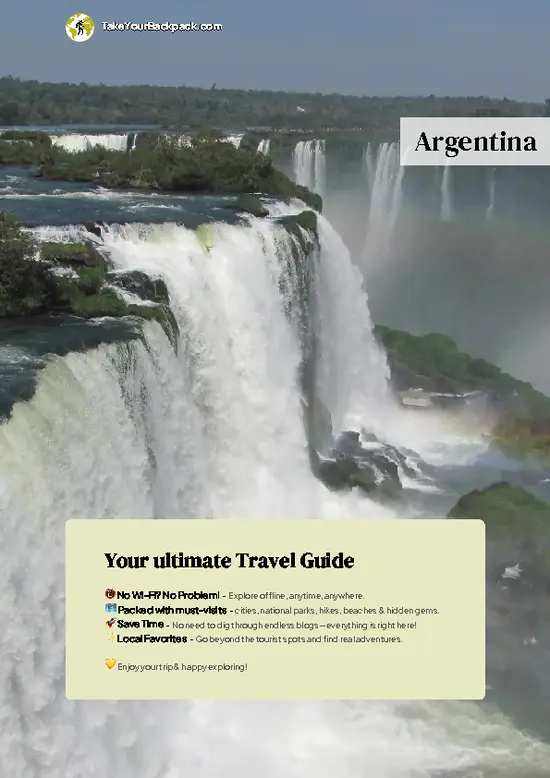
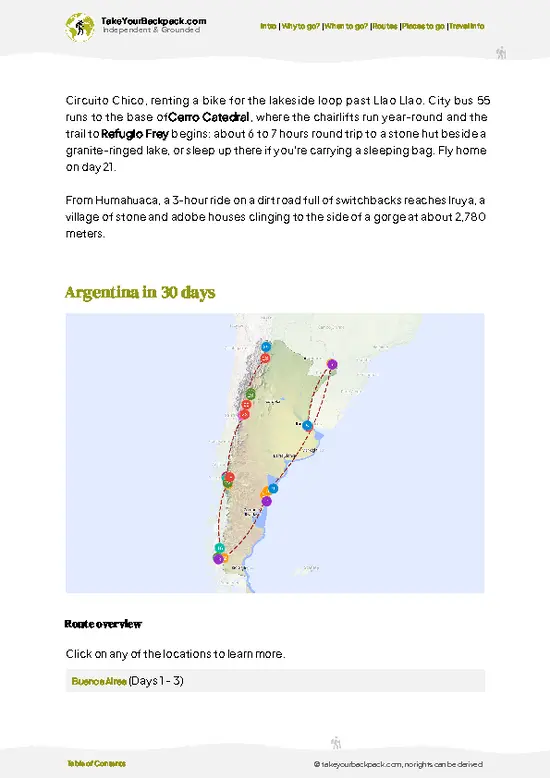
example page 0 from our offline Travel Guide for Argentina
example page 1 from our offline Travel Guide for Argentina
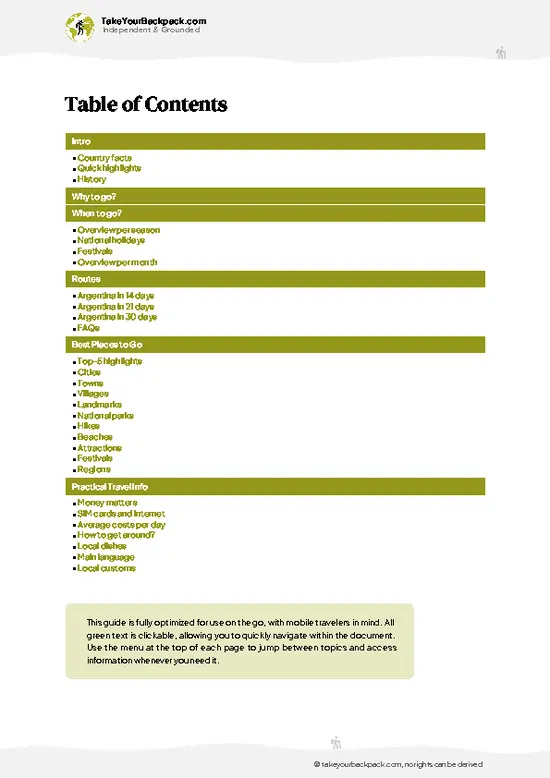
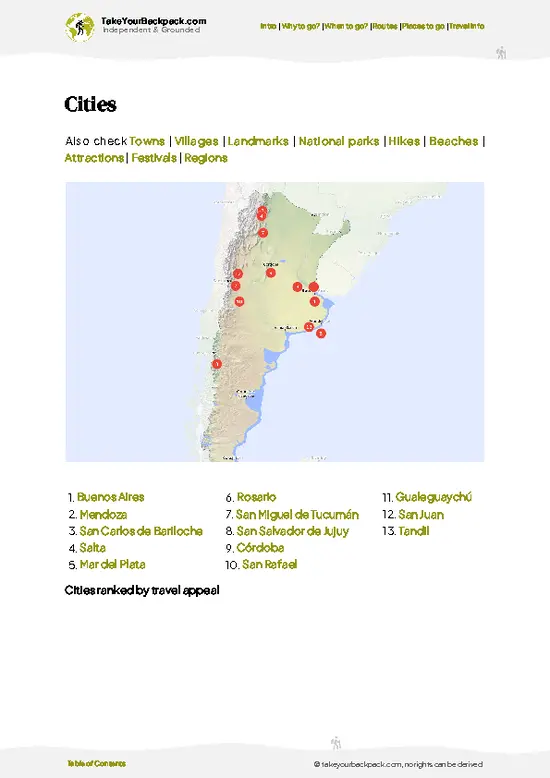
example page 2 from our offline Travel Guide for Argentina
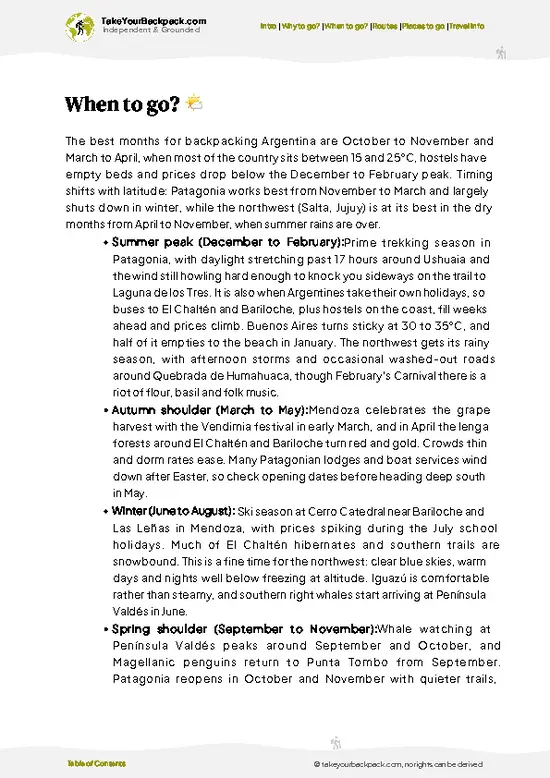
example page 3 from our offline Travel Guide for Argentina
example page 4 from our offline Travel Guide for Argentina
example page 5 from our offline Travel Guide for Argentina
example page 6 from our offline Travel Guide for Argentina
example page 7 from our offline Travel Guide for Argentina
Loading the map 🌍
CLICK TO FILTER
cities
towns
villages
landmarks
national parks
hikes
beaches
attractions
festivals
regions
SHOW COUNTRY’S BESTSHOW ALL

✨ Why go?
Ranked #12 attraction in Argentina
The unique appeal for travelers

Backpackers stop here because it's cheap, it's right in the Centro Cívico, and it fills in the historical gaps that Bariloche's beer-and-hiking reputation skips entirely. This is where you learn who Francisco Moreno actually was: the explorer and diplomat who helped secure Patagonia for Argentina and pushed for its first national parks. For anyone doing the classic Patagonia route, it's a useful milestone, not a headline attraction, but a solid rainy-day or pre-trek stop that adds context to everything you're about to see in the mountains. The effort-to-reward ratio is excellent: fifteen to thirty minutes of your time, zero pesos, and you walk out understanding the region's indigenous history and colonization story a little better than the average tourist who just came for the chocolate shops.

💡 HighlightsPlaces and moments you shouldn't skip

  1. The Taxidermy Wildlife Room: Pumas, condors, and huemul deer mounted in lifelike poses, a slightly eerie but effective intro to Patagonian fauna you might actually spot on the trail later.
  2. Francisco Moreno's Personal Artifacts: Letters, tools, and photographs tied to the man himself, explaining his role in the 1902 boundary treaty with Chile and the founding of Nahuel Huapi National Park.
  3. Indigenous Mapuche and Tehuelche Exhibits: Textiles, weapons, and ceremonial objects that give real weight to the region's pre-colonial history, often skipped by visitors rushing to the lake.
  4. Expedition Photography Collection: Black-and-white images from late 1800s survey trips into then-uncharted Patagonian territory. The physical hardship in these photos hits harder than any museum plaque usually manages.
  5. Early
… read more 👉
  1. The Taxidermy Wildlife Room: Pumas, condors, and huemul deer mounted in lifelike poses, a slightly eerie but effective intro to Patagonian fauna you might actually spot on the trail later.
  2. Francisco Moreno's Personal Artifacts: Letters, tools, and photographs tied to the man himself, explaining his role in the 1902 boundary treaty with Chile and the founding of Nahuel Huapi National Park.
  3. Indigenous Mapuche and Tehuelche Exhibits: Textiles, weapons, and ceremonial objects that give real weight to the region's pre-colonial history, often skipped by visitors rushing to the lake.
  4. Expedition Photography Collection: Black-and-white images from late 1800s survey trips into then-uncharted Patagonian territory. The physical hardship in these photos hits harder than any museum plaque usually manages.
  5. Early Colonization Displays: Farming tools and household items from the first European settlers, showing how brutal and improvised those early years really were.
  6. The Building Itself: Housed in a stone structure within Centro Cívico, built in a Bavarian-alpine style that shaped Bariloche's whole architectural identity.
  7. Scale Models of the National Park System: Small dioramas tracing how Nahuel Huapi became Argentina's first national park in 1934, useful context before you head into the mountains.
Spotted a mistake or missing something? Contact us.

Things to do near Museo de la Patagonia Francisco P. Moreno

Ratings based on Tripadvisor reviews. When you book through this link, you support our work at no extra cost to you.

🌤️ When to go?Choosing the right time of year

  • Summer (December to February): Warm days around 20-25°C (68-77°F), long daylight hours, but this is peak tourist season so the museum gets brief crowds around midday.
  • Winter (June to August): Cold, 0-8°C (32-46°F), snow likely, shorter daylight hours, but the museum stays comfortably indoors and near-empty, great for ski-trip breaks.
  • Shoulder Seasons (April-May, September-November): Mild temperatures, thinner crowds, and better light for photos around Centro Cívico.
Go right after breakfast on a shoulder-season weekday, when you may have the taxidermy room to yourself.

source: climatestotravel.comJANJanuary: highly recommended for travelingFEBFebruary: highly recommended for travelingMARMarch: highly recommended for travelingAPRApril: good for travelingMAYMay: good for travelingJUNJune: fair for travelingJULJuly: below average for travelingAUGAugust: fair for travelingSEPSeptember: good for travelingOCTOctober: good for travelingNOVNovember: highly recommended for travelingDECDecember: highly recommended for traveling
when-to-go

✈️ The backpacker research shortcutArgentina Travel Guide

An offline-friendly backpacking guide with optimized travel routes, ranked highlights, transport advice, and the best areas to stay.
example page 0 from our offline Travel Guide for Argentina
example page 1 from our offline Travel Guide for Argentina
example page 2 from our offline Travel Guide for Argentina
example page 3 from our offline Travel Guide for Argentina
example page 4 from our offline Travel Guide for Argentina
example page 5 from our offline Travel Guide for Argentina
example page 6 from our offline Travel Guide for Argentina
example page 7 from our offline Travel Guide for Argentina
The digital guide (393 pages) contains:
✅ 131 highlights, ranked by travel appeal
✅ Optimized 14, 21 & 30-day travel routes
✅ Cities, national parks, landmarks, beaches
✅ How to get around
✅ Offline-friendly for travel without Wi-Fi
👉 Click to see all 30+ guide features

📅 Plan smarter in minutes, not weeks
✅ Month by month travel advice
✅ Festivals & national holidays
✅ Budget expectations

🗺️ Go to the right places, skip the overrated ones
✅ Honest pros & cons of destinations
✅ Top hikes, parks & viewpoints
✅ Lesser-known places most travelers miss
✅ Clear “worth it vs skip it” guidance

🛏️ Travel smoothly without rookie mistakes
✅ Best areas to stay
✅ Transport systems explained simply
✅ Common scams & safety advice
✅ SIM cards, money & practical tips

🌍 Understand the country, not just visit it
✅ Culture & traditions
✅ 52 Essential phrases & customs
✅ Festivals worth planning around
✅ Traveler-friendly historical context
✅ Insights that make places more meaningful

📱 Built for real travel conditions
✅ Fully downloadable PDF
✅ Works completely offline
✅ Optimized for phone use
✅ Useful in remote areas & buses
✅ Everything in one place
Stop searching, start planning
Get instant access to your full guide. 30‑day money-back guarantee.
+ Add another guide for just

By proceeding you agree to our terms.
Sent to your inbox immediately after payment • 100% Secure Checkout
Best Backpacking Travel Advisor 2025 tourism awardBest Backpacking
Travel Advisor
2025
What others say about Take Your Backpack Guides:
⭐⭐⭐⭐⭐
Fantastic, amazing amount of information!
⭐⭐⭐⭐⭐
My goodness this is amazing, it's what I've been looking for hats off too you!
⭐⭐⭐⭐⭐
I think this is absolutely BRILLIANT
⭐⭐⭐⭐
Very complete and informative. It's still missing places, but I gotta to commend you
⭐⭐⭐⭐⭐
This is truly amazing, thank you, can't wait to explore it with my kids!
⭐⭐⭐⭐⭐
Awesome resource, thank you!
⭐⭐⭐⭐⭐
This is amazing! Can't wait to explore the ones I haven't seen
⭐⭐⭐⭐
I love this! Well done, great idea.
⭐⭐⭐⭐⭐
Thanks for taking the time to make this gem!
⭐⭐⭐⭐⭐
This might be the best website I've ever seen.
⭐⭐⭐⭐⭐
Congratulations, and thank you so much for your work; it's incredibly valuable.
⭐⭐⭐⭐
In all seriousness I think you did a great job pointing out the important spots
⭐⭐⭐⭐⭐
10/10 very good
⭐⭐⭐⭐⭐
As someone who's only just starting to visit regularly this is awesome, thank you.
⭐⭐⭐⭐
Thank you very much! I'm going to visit my dad, it's going to be very useful!
⭐⭐⭐⭐⭐
This is really cool! We'll be travelling for the first time and this definitely come in handy.
⭐⭐⭐⭐⭐
You are now our minister of culture, congratulations 👨‍💼
⭐⭐⭐⭐⭐
Just wanted to tell you that this is a pearl! Going to follow your recommendations.
⭐⭐⭐⭐⭐
This is so cool. I'll definitely be using the resource for my travels soon.
⭐⭐⭐⭐⭐
This is very impressive! Good work.
⭐⭐⭐⭐⭐
This is an amazing and informative site. Very well done!

🛏️ Where to stay?Choosing the right base

Stay in or near Centro Cívico, the compact hub where the museum sits, since everything backpacker-relevant in Bariloche radiates outward from here. It's walkable to the lake and the main strip of budget eateries and gear shops. This area is well-lit, patrolled, and full of other travelers, making it comfortable for solo backpackers arriving late or heading out early for treks. Avoid staying too far outside downtown unless you're specifically after mountain views, since Bariloche's hostel scene (social common areas, kitchen access, trip-planning boards) is concentrated in this central zone. Being … read more 👉
Stay in or near Centro Cívico, the compact hub where the museum sits, since everything backpacker-relevant in Bariloche radiates outward from here. It's walkable to the lake and the main strip of budget eateries and gear shops. This area is well-lit, patrolled, and full of other travelers, making it comfortable for solo backpackers arriving late or heading out early for treks. Avoid staying too far outside downtown unless you're specifically after mountain views, since Bariloche's hostel scene (social common areas, kitchen access, trip-planning boards) is concentrated in this central zone. Being based here also means you can pop into the museum on a whim, during a lunch break or a weather delay, without planning a special trip. It's a five to ten minute walk from most central accommodation, making it one of the easiest 'extra' stops on a Bariloche itinerary.

👛 Costs (as of 19 October 2026)Money, prices, and spending tips

A day built around the Museo de la Patagonia Francisco P. Moreno in Bariloche runs about US$32 to 48 for a backpacker, with a high-season total of US$45. The museum sits inside the Centro Cívico, so most of your spending goes to a bed and food rather than the visit itself.
CategoryBudget RangeLocal Reality
Museum entryUS$2 to 5Cash in pesos is the safest way to pay.
Dorm bed (high season)US$15 to 25December to February and July prices peak. Book ahead.
Dorm bed (low season)US$10 to 16April to June and September to November are noticeably cheaper.
FoodUS$10 to 18Self-catering with supermarket groceries keeps it low. A sandwich de miga or empanadas run US$1 to 3 each.
Local transportUS$1 to 3City buses from downtown cover the area. The Centro Cívico is walkable from most hostels. A SUBE card is needed
… read more 👉
A day built around the Museo de la Patagonia Francisco P. Moreno in Bariloche runs about US$32 to 48 for a backpacker, with a high-season total of US$45. The museum sits inside the Centro Cívico, so most of your spending goes to a bed and food rather than the visit itself.
CategoryBudget RangeLocal Reality
Museum entryUS$2 to 5Cash in pesos is the safest way to pay.
Dorm bed (high season)US$15 to 25December to February and July prices peak. Book ahead.
Dorm bed (low season)US$10 to 16April to June and September to November are noticeably cheaper.
FoodUS$10 to 18Self-catering with supermarket groceries keeps it low. A sandwich de miga or empanadas run US$1 to 3 each.
Local transportUS$1 to 3City buses from downtown cover the area. The Centro Cívico is walkable from most hostels. A SUBE card is needed for buses.
ExtrasUS$0 to 5Photos with the Centro Cívico St. Bernard dogs cost a tip, and a coffee nearby is US$2 to 4.
Total Daily BudgetUS$45Per person, per day, in high season.
⚠️ Prices can change and everyone travels differently, so take this as a rough guide. Hope it helps you plan your adventure!

FAQTraveler FAQ

Most travelers spend between fifteen and thirty minutes inside, since the collection is compact and spread across just a few rooms. If you read every placard and linger over the photography section, budget closer to forty-five minutes.
Yes, largely because entry costs only a few dollars, so there’s little financial risk in stopping by. It won't rival Argentina's major museums in scale, but as a quick, low-cost way to understand Bariloche's history, it delivers well beyond its size.
The museum sits inside Centro Cívico in downtown Bariloche, walkable from almost anywhere in the central area. The long-distance bus terminal lies about 3 km east, so take a city bus or taxi from there; no transport is needed if you're staying centrally.
⚠️ Things can change over time, so always validate details locally before you go.

Other Argentine attractions near Museo de la Patagonia Francisco P. Moreno

Explore more nearby:

  • Puerto Blest—Boat-only access, Valdivian rainforest, Lago Frías| 44 km away
  • Camino de las Altas Cumbres—Granite plateau, condor canyon, hairpin descent, roadside mate| 1207 km away
  • Museo Castagnino—Berni collection, Parque Independencia, Rosario painting, palace-like building| 1310 km away

💡 Not sure where to go next?
Create a personalized itinerary for Argentina including Museo de la Patagonia Francisco P. Moreno and the places that fit your trip.

Generate my itinerary

👉 Discover all attractions

Or checkout all Argentina has to offer (think cities, towns, villages, national parks, hikes, beaches, festivals)
Country photo of Argentina

We 💚 feedbackParting advice and final tips

Worth the twenty minutes because it's cheap and genuinely explains the region's history without pretension. Realistic drawback: it's small and a bit worn around the edges, so don't expect a polished, modern museum experience. Go in with modest expectations and you'll leave satisfied.

✈️ When did I visit Argentina?
I have visited Argentina, together with Chile, in September 2012.

✍️ Help improve this page!
The information on this page is based on my own backpacking experience in Argentina, supplemented with up-to-date research and feedback from other travelers. Travel details can change, so if you notice anything outdated or incomplete, feel free to let me know.


🙋‍♂️ Give feedback

👋 Meet the founderWho’s Behind Take Your Backpack?

Johan, backpacker and founder of TakeYourBackpackHi, I’m Johan (Netherlands 🇳🇱), the creator of TakeYourBackpack. Over the past 3 decades, I’ve backpacked through 90+ countries across six continents, gaining extensive experience with independent travel, long-term trips, and overland routes.

This site is built on a combination of firsthand travel experience and carefully curated insights from other backpackers. Many guides are based on places I’ve personally visited, while others bring together tips, observations, and practical advice shared by trusted travelers I’ve met along the way.

The goal is to provide realistic, experience-driven guidance — not generic itineraries — so you can explore destinations with better context, clearer expectations, and more confidence.