×

Argentina🇦🇷 | townsPuerto Iguazúborder crossing, subtropical forest, waterfall access | things to do and best time to go

Explore EsquelExplore Campo de Piedra Pómez

Backpacking in Puerto Iguazú
🏆 Top picktown ranked #2
By Johan Kruseman 🇳🇱 | Updated September 4, 2026

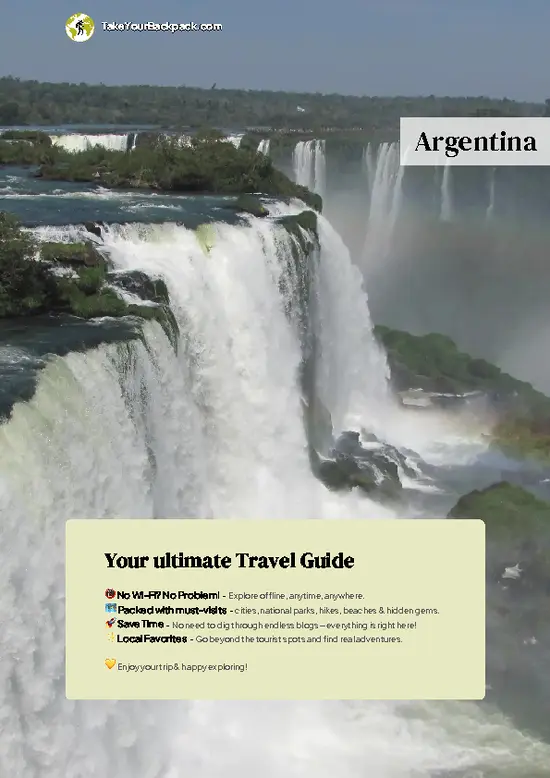
Here’s the classic Puerto Iguazú dilemma: do you splurge on a guided tour with seamless border crossings and air-conditioned shuttles, or do you wrangle the local buses, sweat through customs, and pocket the savings for a steak dinner later? This isn’t just about pesos—it’s about how you want to experience the world-famous Iguazú Falls and the tri-border energy where Argentina, Brazil, and Paraguay meet. Puerto Iguazú itself sits at Argentina’s far northeast tip, a humid, leafy outpost where the subtropical jungle presses right up to the sidewalks. For backpackers, it’s a city of trade-offs: the main draw is the falls, but the town’s got a laid-back, slightly scruffy charm, with cheap hostels, a lively main square, and the odd mate-fueled conversation with travelers from everywhere. It’s safer and friendlier than border towns have any right to be, but nightlife is limited and the museums are forgettable. Compared to Salta or Córdoba, Puerto Iguazú is less about culture and more about raw, natural spectacle—think howler monkeys at dawn, not tango at midnight.

Discover everything you want to know in the 📖 Argentina Travel Guide.
Loading the map 🌍
CLICK TO FILTER
cities
towns
villages
landmarks
national parks
hikes
beaches
attractions
festivals
regions
SHOW COUNTRY’S BESTSHOW ALL

✨ Why go?
Ranked #2 town in Argentina
What makes this town worth visiting

Puerto Iguazú isn’t just a dot on the map; it’s a strategic hub for backpackers who want to maximize their time without sacrificing comfort or breaking the bank. The city’s real draw lies in its role as a basecamp—a practical launchpad for multiple day trips that are packed with value, letting you tick off major highlights without the hassle of constant packing and moving. Staying here means access to a solid range of hostels that balance affordability with social atmosphere, so you’re not just saving money but also plugging into a community of fellow travelers. The town itself is walkable, which is a rare win when you’re juggling energy and budget; you can grab meals, stock up on supplies, or catch a bus without burning extra cash or time. Speaking of food, the local scene offers enough variety … read more 👉
Puerto Iguazú isn’t just a dot on the map; it’s a strategic hub for backpackers who want to maximize their time without sacrificing comfort or breaking the bank. The city’s real draw lies in its role as a basecamp—a practical launchpad for multiple day trips that are packed with value, letting you tick off major highlights without the hassle of constant packing and moving. Staying here means access to a solid range of hostels that balance affordability with social atmosphere, so you’re not just saving money but also plugging into a community of fellow travelers. The town itself is walkable, which is a rare win when you’re juggling energy and budget; you can grab meals, stock up on supplies, or catch a bus without burning extra cash or time. Speaking of food, the local scene offers enough variety to keep you fueled without resorting to tourist traps or overpriced joints. Nightlife is modest but lively enough to unwind after a day of exploring, striking a balance between rest and social buzz. Finally, easy onward travel options mean you can keep your itinerary flexible, moving on when you’re ready without logistical headaches. If you’re the type who values efficiency and wants to squeeze the most out of this region, Puerto Iguazú fits neatly into your route as more than just a quick stop—it’s a smart, comfortable hub.
Want to include Puerto Iguazú in your Argentina route?
Create a personalized Argentina itinerary that includes Puerto Iguazú and the places that fit your trip — based on your travel style, budget, and available time. Get your route in seconds.

Generate my trip

💡 HighlightsMust-see experiences and standout moments

1. Iguazú National Park (Argentine Entrance)
This is the heavyweight: the Argentine side’s main gateway to the falls, and the reason most travelers end up in Puerto Iguazú. The system here is a masterclass in trade-offs. Arrive early to beat the crowds and the midday heat—think 8 a.m. opening. You’ll pay a significant entrance fee (expect a price that feels like a splurge by Argentine standards, but still a bargain compared to global icons), but you get access to a network of walkways, the free Ecological Train, and the chance to stand face-to-face with the roaring Garganta del Diablo. Budget at least half a day; a full day if you want to walk every circuit. Comfort is moderate: you’ll be on your feet, but the infrastructure is excellent and there’s shade, snacks, and bathrooms. Skip the boat … read more 👉
1. Iguazú National Park (Argentine Entrance)
This is the heavyweight: the Argentine side’s main gateway to the falls, and the reason most travelers end up in Puerto Iguazú. The system here is a masterclass in trade-offs. Arrive early to beat the crowds and the midday heat—think 8 a.m. opening. You’ll pay a significant entrance fee (expect a price that feels like a splurge by Argentine standards, but still a bargain compared to global icons), but you get access to a network of walkways, the free Ecological Train, and the chance to stand face-to-face with the roaring Garganta del Diablo. Budget at least half a day; a full day if you want to walk every circuit. Comfort is moderate: you’ll be on your feet, but the infrastructure is excellent and there’s shade, snacks, and bathrooms. Skip the boat rides if you’re short on time or pesos—they’re fun, but the walkways are the real show.

2. Hito Tres Fronteras
Where Argentina, Brazil, and Paraguay meet, you’ll find a riverside plaza with a tricolor obelisk and panoramic views over the confluence of the Iguazú and Paraná rivers. It’s not just a photo op; come at sunset for local musicians and a low-key market. Free to visit, and you can linger as long as you like—30 minutes is enough for most, but the vibe is best in the golden hour. Minimal cost, maximum sense of place. Comfort is high: benches, shade, and a gentle breeze off the water.

3. La Aripuca
A quirky, eco-conscious attraction built from salvaged rainforest wood, La Aripuca is part sculpture, part cultural lesson. The main structure—a giant trap inspired by indigenous Guaraní designs—makes you feel like you’ve wandered into a storybook. Entry is modestly priced, and you’ll want an hour to explore the grounds, try local jams, and chat with artisans. Go in the morning or late afternoon to avoid tour bus crowds. Comfort is high; this is a relaxed, shady spot.

4. Güirá Oga Wildlife Refuge
This is the antidote to the zoo: a genuine rescue and rehabilitation center for injured or trafficked native wildlife. Guided tours (required, included in the entry fee) run throughout the day and last about 90 minutes. You’ll see toucans, monkeys, and maybe a rescued ocelot, while learning about conservation challenges in the region. Go early or late for cooler temps and more active animals. Moderate cost, moderate comfort—expect some walking on forest paths.

5. Feirinha de Puerto Iguazú
A bustling evening market where locals shop for cured meats, olives, and Paraguayan cheese. It’s a crash course in borderland culture, with a side of cold beer and empanadas. No entry fee; you pay for what you eat. Arrive after 6 p.m. for the full effect. Stay an hour or two, or longer if you’re lured into conversation. Comfort is variable: it’s lively, sometimes crowded, but always friendly.

6. Museo Imágenes de la Selva
A small, idiosyncratic museum dedicated to wood carvings and the myths of the jungle. The artist’s passion is infectious, and you’ll leave with a deeper sense of the region’s folklore. Entry is inexpensive, and you can see everything in 30-45 minutes. Visit midday when the sun is fierce—this is a cool, quiet retreat. Comfort is high, and the experience is intimate.

For day trips, the Brazilian side of Iguazú Falls, the Itaipú Dam, and the Jesuit Ruins of San Ignacio are all within striking distance. The Brazilian falls are my personal favorite for their sweeping panoramas—just remember your passport.
Spotted a mistake or missing something? Contact us.

Things to do around Puerto Iguazú

Ratings based on Tripadvisor reviews. When you book through this link, you support our work at no extra cost to you.

🏘️ NeighborhoodsKey areas and districts to know

Puerto Iguazú is compact but diverse, with each neighborhood offering a distinct flavor and trade-offs between convenience, cost, and comfort. Knowing where to base yourself can sharpen your trip’s value, so here’s the lowdown.

Centro
This is the beating heart of Puerto Iguazú. It’s where you’ll find the highest concentration of budget hostels, eateries, and tour agencies. Walkability is excellent—everything from supermarkets to bus stops is within easy reach. The vibe leans toward practical and bustling, with enough nightlife to keep you entertained without going overboard. Ideal for short stays or travelers prioritizing quick access to services and tours. Expect modest comfort but unbeatable convenience.

La Cantera
A quieter, more residential area just a few blocks from Centro. It’s … read more 👉
Puerto Iguazú is compact but diverse, with each neighborhood offering a distinct flavor and trade-offs between convenience, cost, and comfort. Knowing where to base yourself can sharpen your trip’s value, so here’s the lowdown.

Centro
This is the beating heart of Puerto Iguazú. It’s where you’ll find the highest concentration of budget hostels, eateries, and tour agencies. Walkability is excellent—everything from supermarkets to bus stops is within easy reach. The vibe leans toward practical and bustling, with enough nightlife to keep you entertained without going overboard. Ideal for short stays or travelers prioritizing quick access to services and tours. Expect modest comfort but unbeatable convenience.

La Cantera
A quieter, more residential area just a few blocks from Centro. It’s a solid choice if you want to escape the tourist buzz without sacrificing proximity. Accommodation here tends to be slightly pricier but offers more comfort and space. The neighborhood is walkable but less lively after dark, so it suits those who prefer relaxing evenings or longer stays where downtime matters. Transport options are decent but less frequent than Centro.

Puerto Iguazú Airport Vicinity
If your priority is minimizing transit time, this area is a strategic pick. Lodging here ranges from mid-tier hotels to guesthouses, often with better amenities than downtown hostels. However, it’s less walkable and lacks nightlife or dining options within easy reach, so you’ll rely on taxis or buses. Best for early flights or late arrivals, not for soaking in local life.

El Remanso
A small, off-the-beaten-path neighborhood favored by travelers who want a more authentic, low-cost experience. It’s farther from the main action, so expect longer commutes to the falls and town center. The trade-off is a peaceful atmosphere and cheaper stays, but limited transport and amenities. This is a niche pick for those who value budget and quiet over convenience.

Understanding these trade-offs lets you pick a base that aligns with your priorities—whether that’s saving time, cutting costs, or maximizing comfort. Puerto Iguazú’s neighborhoods each play a role in the puzzle of your trip’s success.

⌛️ 1 day1-day itinerary for Puerto Iguazú

Puerto Iguazú is a city that thrives on its proximity to one of the world’s most impressive natural wonders—the Iguazú Falls. But the city itself is more than just a gateway; it’s a place where the rhythm of border-town life hums with a mix of Argentine charm and subtle Brazilian and Paraguayan influences. Spending a day here means balancing the awe of nature with the laid-back pulse of a small city that’s surprisingly rich in character.

Start your morning with a stroll through the town center, where the streets are lined with colorful markets and cafés. Grab a strong Argentine coffee and a medialuna—this is the fuel you’ll need. From here, it’s a short taxi ride to the Iguazú National Park entrance. The park demands a good chunk of your morning, but it’s worth every minute. Walking the trails … read more 👉
Puerto Iguazú is a city that thrives on its proximity to one of the world’s most impressive natural wonders—the Iguazú Falls. But the city itself is more than just a gateway; it’s a place where the rhythm of border-town life hums with a mix of Argentine charm and subtle Brazilian and Paraguayan influences. Spending a day here means balancing the awe of nature with the laid-back pulse of a small city that’s surprisingly rich in character.

Start your morning with a stroll through the town center, where the streets are lined with colorful markets and cafés. Grab a strong Argentine coffee and a medialuna—this is the fuel you’ll need. From here, it’s a short taxi ride to the Iguazú National Park entrance. The park demands a good chunk of your morning, but it’s worth every minute. Walking the trails to the Devil’s Throat viewpoint is a must; the sheer power of the falls will reset your sense of scale and wonder. The park is well-organized, so you won’t waste time figuring out logistics, but be ready for a bit of walking and some inevitable crowds.

By afternoon, head back into town and explore the Barrio Centro. This neighborhood is where you’ll find local eateries serving up hearty Argentine fare—think grilled meats and fresh river fish. Skip the tourist traps near the park entrance and opt for a spot like La Mamma Pastas, where the vibe is relaxed and the food honest. After lunch, take a detour to the lesser-known Hito Tres Fronteras viewpoint. It’s not just a photo op; standing where Argentina, Brazil, and Paraguay meet gives you a rare geopolitical perspective that most visitors miss. The view over the rivers is peaceful, a sharp contrast to the roar of the falls.

As evening falls, the city slows down but doesn’t go quiet. Head back to the town center and find a bar with a terrace. Watching the sunset with a local craft beer or a glass of Malbec in hand is the perfect way to digest the day’s experiences. Puerto Iguazú isn’t about rushing; it’s about savoring the moments between the big sights. If you play your cards right, you’ll leave feeling like you’ve cracked the code on a city that’s more than just a pit stop.
Turn your Puerto Iguazú visit into an Argentina adventure
Build a complete Argentina route with Puerto Iguazú, hidden gems, must-see destinations, and realistic travel times included.

Generate my trip

🌤️ When to go?Best time to visit Puerto Iguazú


  • Weather: The best weather hits between March and May or August and October. Expect warm but not scorching days, around 20-28°C (68-82°F). Avoid the summer months of December to February when humidity spikes and rainstorms are frequent, turning trails into slippery messes.

  • Temperature: Winter (June to August) cools down to 10-15°C (50-59°F) during the day, which is comfortable for hiking but mornings and nights can dip near 5°C (41°F). Spring and fall offer a sweet spot with mild temperatures that keep you energized without overheating.

  • Daylight Hours: From September to March, daylight stretches to about 12-13 hours, giving you more time to explore the falls and surrounding jungle. Winter months shorten daylight to around 10 hours, which means earlier nights but cooler trekking conditions.
read more 👉

  • Weather: The best weather hits between March and May or August and October. Expect warm but not scorching days, around 20-28°C (68-82°F). Avoid the summer months of December to February when humidity spikes and rainstorms are frequent, turning trails into slippery messes.

  • Temperature: Winter (June to August) cools down to 10-15°C (50-59°F) during the day, which is comfortable for hiking but mornings and nights can dip near 5°C (41°F). Spring and fall offer a sweet spot with mild temperatures that keep you energized without overheating.

  • Daylight Hours: From September to March, daylight stretches to about 12-13 hours, giving you more time to explore the falls and surrounding jungle. Winter months shorten daylight to around 10 hours, which means earlier nights but cooler trekking conditions.

  • Crowds: Peak tourist season is December through February, coinciding with Argentine summer holidays. Expect busy trails and higher prices. Shoulder seasons in April-May and September-October see fewer visitors, letting you enjoy the falls without elbowing through crowds.

  • Seasonal Activities: The dry season (May to September) is ideal for wildlife spotting and clearer views of the falls. Summer brings lush greenery but also more insects and occasional flooding, which can limit access to some trails.

  • Price Fluctuations: Accommodation and tours spike in the summer months and during Argentine holidays. Booking in shoulder seasons can save you 20-40% while still offering great weather and access to activities.


Pro-tip: Aim for late April or early October—cool, manageable crowds, and prices that won’t make your wallet scream. It’s the sweet spot where comfort, time, and money align like a well-planned itinerary.


source: climatestotravel.comJANJanuary: fair for travelingFEBFebruary: fair for travelingMARMarch: highly recommended for travelingAPRApril: excellent for travelingMAYMay: excellent for travelingJUNJune: highly recommended for travelingJULJuly: highly recommended for travelingAUGAugust: highly recommended for travelingSEPSeptember: excellent for travelingOCTOctober: excellent for travelingNOVNovember: good for travelingDECDecember: fair for traveling
when-to-go

✈️ The backpacker research shortcutArgentina Travel Guide

An offline-friendly backpacking guide with optimized travel routes, ranked highlights, transport advice, and the best areas to stay.
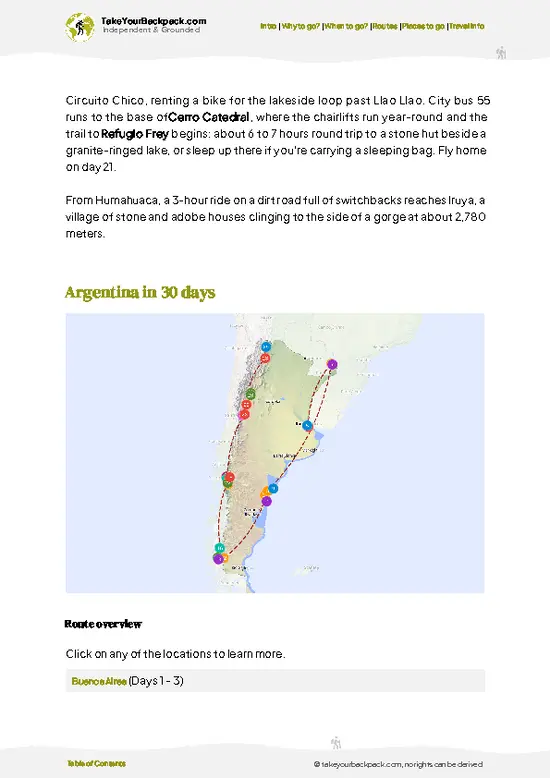
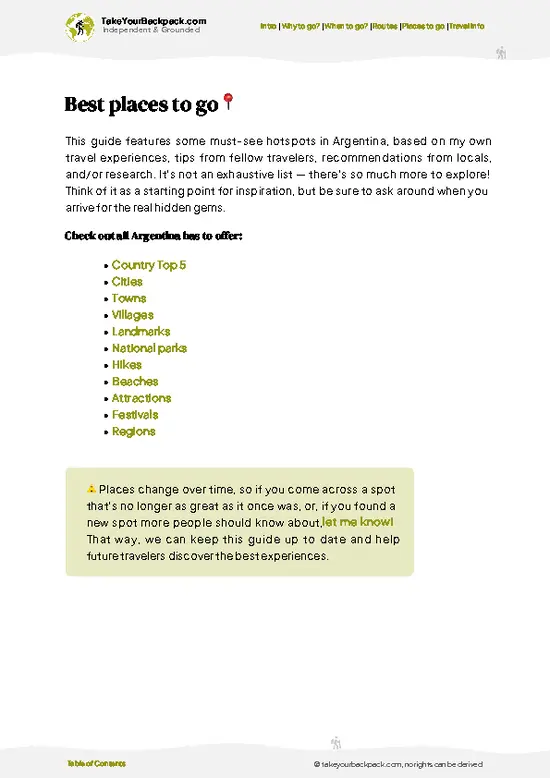
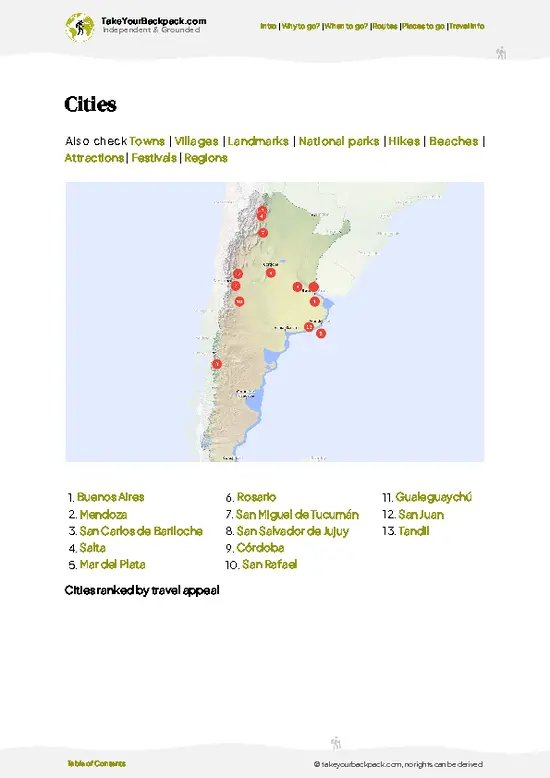
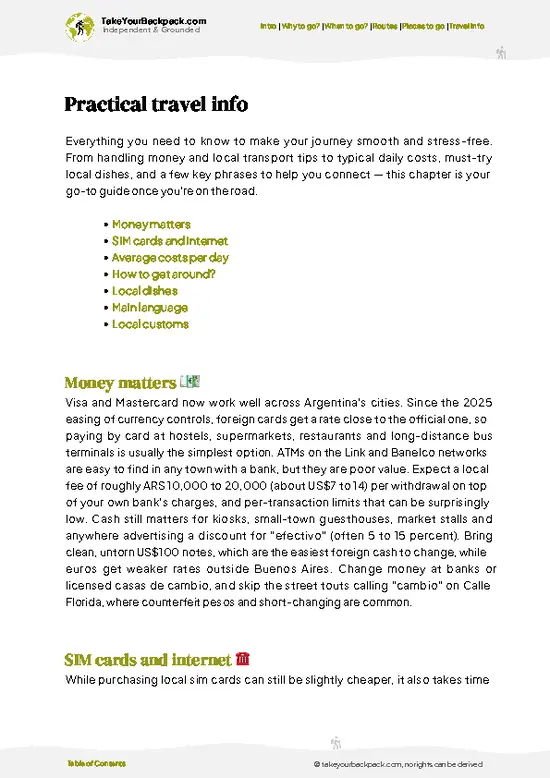
example page 0 from our offline Travel Guide for Argentina
example page 1 from our offline Travel Guide for Argentina
example page 2 from our offline Travel Guide for Argentina
example page 3 from our offline Travel Guide for Argentina
example page 4 from our offline Travel Guide for Argentina
example page 5 from our offline Travel Guide for Argentina
example page 6 from our offline Travel Guide for Argentina
example page 7 from our offline Travel Guide for Argentina
The digital guide (505 pages) contains:
135 highlights, ranked by travel appeal
Optimized 14, 21 & 30-day travel routes
Cities, national parks, landmarks, beaches
How to get around
Offline-friendly for travel without Wi-Fi
👉 Click to see all 30+ guide features

📅 Plan smarter in minutes, not weeks
Month by month travel advice
Festivals & national holidays
Budget expectations

🗺️ Go to the right places, skip the overrated ones
Honest pros & cons of destinations
Top hikes, parks & viewpoints
Lesser-known places most travelers miss
Clear “worth it vs skip it” guidance

🛏️ Travel smoothly without rookie mistakes
Best areas to stay
Transport systems explained simply
Common scams & safety advice
SIM cards, money & practical tips

🌍 Understand the country, not just visit it
Culture & traditions
52 Essential phrases & customs
Festivals worth planning around
Traveler-friendly historical context
Insights that make places more meaningful

📱 Built for real travel conditions
Fully downloadable PDF
Works completely offline
Optimized for phone use
Useful in remote areas & buses
Everything in one place
Save weeks of stressful planning
Get instant access to your full guide. 30‑day money-back guarantee.
+ Add another guide for just US$7.80

By proceeding you agree to our terms.
Sent to your inbox immediately after payment • 100% Secure Checkout
Best Backpacking Travel Advisor 2025 tourism awardBest Backpacking
Travel Advisor
2025
What others say about Take Your Backpack Guides:
⭐⭐⭐⭐⭐
Fantastic, amazing amount of information!
⭐⭐⭐⭐⭐
My goodness this is amazing, it's what I've been looking for hats off too you!
⭐⭐⭐⭐⭐
I think this is absolutely BRILLIANT
⭐⭐⭐⭐
Very complete and informative. It's still missing places, but I gotta to commend you
⭐⭐⭐⭐⭐
This is truly amazing, thank you, can't wait to explore it with my kids!
⭐⭐⭐⭐⭐
Awesome resource, thank you!
⭐⭐⭐⭐⭐
This is amazing! Can't wait to explore the ones I haven't seen
⭐⭐⭐⭐
I love this! Well done, great idea.
⭐⭐⭐⭐⭐
Thanks for taking the time to make this gem!
⭐⭐⭐⭐⭐
This might be the best website I've ever seen.
⭐⭐⭐⭐⭐
Congratulations, and thank you so much for your work; it's incredibly valuable.
⭐⭐⭐⭐
In all seriousness I think you did a great job pointing out the important spots
⭐⭐⭐⭐⭐
10/10 very good
⭐⭐⭐⭐⭐
As someone who's only just starting to visit regularly this is awesome, thank you.
⭐⭐⭐⭐
Thank you very much! I'm going to visit my dad, it's going to be very useful!
⭐⭐⭐⭐⭐
This is really cool! We'll be travelling for the first time and this definitely come in handy.
⭐⭐⭐⭐⭐
You are now our minister of culture, congratulations 👨‍💼
⭐⭐⭐⭐⭐
Just wanted to tell you that this is a pearl! Going to follow your recommendations.
⭐⭐⭐⭐⭐
This is so cool. I'll definitely be using the resource for my travels soon.
⭐⭐⭐⭐⭐
This is very impressive! Good work.
⭐⭐⭐⭐⭐
This is an amazing and informative site. Very well done!

🛏️ Where to stay?Choosing the right base

In Puerto Iguazú, the backpacker sweet spot is the area around the city center, especially near Avenida Victoria Aguirre. This zone nails the balance between safety, social buzz, and budget-friendly options. It’s where you’ll find a cluster of hostels catering to solo travelers and groups alike, making it easy to plug into the community vibe without feeling isolated. The streets here are lively but not overwhelming, with enough cafes, eateries, and small shops to keep you fueled and entertained without breaking the bank.

Compared to the quieter residential neighborhoods on the outskirts, the … read more 👉
In Puerto Iguazú, the backpacker sweet spot is the area around the city center, especially near Avenida Victoria Aguirre. This zone nails the balance between safety, social buzz, and budget-friendly options. It’s where you’ll find a cluster of hostels catering to solo travelers and groups alike, making it easy to plug into the community vibe without feeling isolated. The streets here are lively but not overwhelming, with enough cafes, eateries, and small shops to keep you fueled and entertained without breaking the bank.

Compared to the quieter residential neighborhoods on the outskirts, the city center offers a more dynamic scene. You’re not just paying for a bed; you’re buying into convenience and connection. Walking distance to bus stations means you can easily jump on a ride to the Iguazú Falls or cross into Brazil and Paraguay without fuss. Plus, the safety factor is higher here—local police presence and well-lit streets make late-night returns less stressful.

If you stray too far into the more suburban or industrial parts of town, you’ll save a few pesos but lose the social pulse and the ease of access that backpackers crave. The city center’s mix of affordability, safety, and social energy makes it the clear winner for those who want to maximize their experience without unnecessary hassle.

🚌 Getting aroundHow to get around Puerto Iguazú

Puerto Iguazú moves at its own rhythm—a blend of laid-back South American charm and bursts of tourist-driven urgency. It’s not a city where you’ll find strict timetables etched in stone, but rather a place where intuition and local know-how fill the gaps left by sparse schedules. The flow here is a dance between patience and seizing the moment, especially when it comes to getting around. You won’t be chasing down a clock every five minutes, but you will need to read the room, the crowd, and the occasional bus driver’s mood. This is a city that rewards the traveler who understands the trade-off between time, money, and comfort—not by rigid rules, but by savvy choices.


  • Walking: The heart of Puerto Iguazú is compact enough to explore on foot, especially if you’re staying near the town center
read more 👉
Puerto Iguazú moves at its own rhythm—a blend of laid-back South American charm and bursts of tourist-driven urgency. It’s not a city where you’ll find strict timetables etched in stone, but rather a place where intuition and local know-how fill the gaps left by sparse schedules. The flow here is a dance between patience and seizing the moment, especially when it comes to getting around. You won’t be chasing down a clock every five minutes, but you will need to read the room, the crowd, and the occasional bus driver’s mood. This is a city that rewards the traveler who understands the trade-off between time, money, and comfort—not by rigid rules, but by savvy choices.


  • Walking: The heart of Puerto Iguazú is compact enough to explore on foot, especially if you’re staying near the town center or close to the bus terminal. Walking costs nothing, gives you full control over your pace, and lets you soak in the local vibe. It’s the ultimate budget option but sacrifices speed and comfort if you’re hauling gear or trying to cover long distances.


  • Local Bus (Colectivo): The backbone of budget transit, these buses run roughly from 6:00 AM to 10:00 PM. A single ride costs around 30-50 ARS (Argentine pesos), making it the cheapest way to reach key spots like the Iguazú National Park entrance. Buses aren’t known for punctuality, so expect some waiting and variable comfort—crowded during peak hours, but a genuine slice of local life.


  • Shared Taxis (Remises): These operate without fixed schedules but are easy to flag down or book via local apps. Prices hover around 200-300 ARS for short trips within town. They’re faster and more comfortable than buses, offering door-to-door service, but you pay a premium for that convenience. Ideal if you want to save time without splurging on private taxis.


  • Private Taxi: The fastest and most comfortable option, private taxis run 24/7 and can be negotiated upfront. Expect to pay 400-600 ARS for typical town rides. This is the choice if you’re short on time or traveling with heavy luggage, but it’s the least budget-friendly. The trade-off here is clear: you buy comfort and speed at a steep price.


  • Bicycle Rentals: For the adventurous and time-conscious, renting a bike offers a middle ground. Costs range from 500 to 800 ARS per day. It’s faster than walking and gives you freedom to explore beyond the town center, but it demands physical effort and isn’t ideal in the midday heat or rain.

👛 Costs (as of 4 September 2026)Typical daily expenses

Backpacking in Puerto Iguazú offers a range of affordable options for independent travelers.
  • Dorm accommodation: In high season expect to pay around USD12 to 18 per night, while off-season rates drop to about USD8 to 12.
  • Meals: Budget meals at local eateries typically cost between USD5 and 10, with street food and casual dining offering good value.
  • Local transport: Bus rides within the city usually cost about USD0.50 to 1 per trip, making it easy to get around cheaply.
  • City transport pass: A daily or multi-day bus pass is not common here, so individual fares are the norm.
  • Basic activities/entry fees: Visiting the Iguazú National Park is the main expense, with entry fees around USD20 to 25; smaller local attractions and museums generally charge under USD5.
  • Miscellaneous expenses: Budget around USD3
read more 👉
Backpacking in Puerto Iguazú offers a range of affordable options for independent travelers.
  • Dorm accommodation: In high season expect to pay around USD12 to 18 per night, while off-season rates drop to about USD8 to 12.
  • Meals: Budget meals at local eateries typically cost between USD5 and 10, with street food and casual dining offering good value.
  • Local transport: Bus rides within the city usually cost about USD0.50 to 1 per trip, making it easy to get around cheaply.
  • City transport pass: A daily or multi-day bus pass is not common here, so individual fares are the norm.
  • Basic activities/entry fees: Visiting the Iguazú National Park is the main expense, with entry fees around USD20 to 25; smaller local attractions and museums generally charge under USD5.
  • Miscellaneous expenses: Budget around USD3 to 7 for extras like bottled water, snacks, or occasional treats.
Overall, you can expect to spend between USD30 and 60 per day backpacking in Puerto Iguazú, balancing affordable accommodation, meals, and transport with the cost of the must-see natural attractions.


source: numbeo.com
⚠️ Prices can change and everyone travels differently, so take this as a rough guide. Hope it helps you plan your adventure!

🚌 Day tripsExploring the surroundings

Puerto Iguazú is a strategic hub for backpackers who want to maximize their time without sacrificing comfort or breaking the bank. It’s compact, affordable, and well-connected, making it a smart launchpad for some of the region’s most compelling day trips.

Iguazú Falls National Park (Argentina side)
This is the crown jewel and the reason most people land in Puerto Iguazú. The falls are jaw-dropping, and the park’s well-maintained trails let you get close without feeling like you’re in a tourist stampede. It’s just a 30-minute bus ride from town, costing under $2 USD one way. Entry fees hover around $20 USD, which is a steal for such a spectacle. Early morning visits, especially in the dry season (May to September), mean fewer crowds and cooler hikes. A rookie mistake is underestimating … read more 👉
Puerto Iguazú is a strategic hub for backpackers who want to maximize their time without sacrificing comfort or breaking the bank. It’s compact, affordable, and well-connected, making it a smart launchpad for some of the region’s most compelling day trips.

Iguazú Falls National Park (Argentina side)
This is the crown jewel and the reason most people land in Puerto Iguazú. The falls are jaw-dropping, and the park’s well-maintained trails let you get close without feeling like you’re in a tourist stampede. It’s just a 30-minute bus ride from town, costing under $2 USD one way. Entry fees hover around $20 USD, which is a steal for such a spectacle. Early morning visits, especially in the dry season (May to September), mean fewer crowds and cooler hikes. A rookie mistake is underestimating the time needed to explore—plan at least 4 hours to soak it all in without rushing.


Itaipú Dam Tour
A 45-minute bus ride from Puerto Iguazú, this massive hydroelectric dam is a marvel of engineering and offers a different kind of awe. The guided tour costs about $15 USD and takes you through the dam’s inner workings and panoramic viewpoints. It’s a solid choice for a half-day trip if you want to mix nature with tech. Avoid weekends if you want a quieter experience, as it can get crowded with local tourists. The best time to go is mid-morning when the light hits the dam just right for photos.


Bird Park (Parque de las Aves)
Just a 10-minute walk from the bus terminal, this bird sanctuary is a surprisingly immersive experience. You’ll walk through aviaries with toucans, parrots, and other exotic species native to the region. Entry is around $15 USD, and it’s a perfect half-day trip if you want a break from hiking but still crave nature. The park is open year-round, but mornings are best to catch the birds at their most active. Don’t make the mistake of rushing through; the slower you go, the more you’ll notice.


Brazilian Side of Iguazú Falls
Crossing the border to Foz do Iguaçu in Brazil is a popular day trip, about an hour away by bus plus border crossing time. The Brazilian side offers panoramic views that complement the Argentine experience. Budget travelers should factor in the $30 USD park entrance fee and the cost of a visa if required. The best time to visit is during the dry season to avoid slippery trails. First-timers often underestimate the time needed for border formalities, so start early to avoid afternoon crowds.


Each of these trips balances time, cost, and comfort differently, but all are doable without overnight stays. Puerto Iguazú’s compact size means you spend less time in transit and more time experiencing, which is the real win for any backpacker.
Want to know what more Argentina offers?
The Argentina Travel Guide describes 135 highlights, from cities to national parks, from beaches to hikes

Get the Travel Guide -

🍲 FoodLocal Flavors for Backpackers

In Puerto Iguazú, food is a gateway to the region’s soul, and as a backpacker, you’ll want to dive right into the local flavors without overthinking the price tag. The must-try dish here is surubí, a freshwater fish from the nearby rivers, often grilled or fried with simple seasonings that let the natural taste shine. Pair it with a side of mandioca (cassava), a starchy root that’s a staple in local meals, offering a satisfying chew and earthy balance.

When it comes to drinks, yerba mate isn’t just a beverage; it’s a ritual. You’ll see locals sharing the mate gourd, passing it around in a circle—an unspoken invitation to connect. Don’t be shy to join in; it’s a social glue here. For something stronger, regional craft beers and caña (sugarcane liquor) offer a taste of local spirit without … read more 👉
In Puerto Iguazú, food is a gateway to the region’s soul, and as a backpacker, you’ll want to dive right into the local flavors without overthinking the price tag. The must-try dish here is surubí, a freshwater fish from the nearby rivers, often grilled or fried with simple seasonings that let the natural taste shine. Pair it with a side of mandioca (cassava), a starchy root that’s a staple in local meals, offering a satisfying chew and earthy balance.

When it comes to drinks, yerba mate isn’t just a beverage; it’s a ritual. You’ll see locals sharing the mate gourd, passing it around in a circle—an unspoken invitation to connect. Don’t be shy to join in; it’s a social glue here. For something stronger, regional craft beers and caña (sugarcane liquor) offer a taste of local spirit without the tourist markup.

Backpackers usually find their culinary fix in bustling markets and street stalls, where the air is thick with the scent of grilled meats and fresh herbs. Casual eateries serve generous portions, often with a lively, communal vibe that encourages conversation with fellow travelers and locals alike. Expect relaxed service and a laid-back pace—mealtime here is about savoring, not rushing.

One quirk to note: Argentines eat late, so dinner often starts after 9 PM. Embrace the rhythm; it’s part of the experience. This isn’t just about filling your stomach—it’s about tasting the culture, one bite and sip at a time.

🛡️ SafetyStaying Safe: What Travelers Should Know

Puerto Iguazú is generally a safe city for backpackers, but like any tourist hotspot, it demands a bit of street smarts. The main drag near the bus station and the markets can get crowded, which is where pickpockets operate best. Keep your valuables close and avoid flashing expensive gear. Solo travelers should feel comfortable exploring during the day, but after dark, it’s wise to stick to well-lit, busier streets—especially if you’re unfamiliar with the layout. Nighttime wandering in quieter neighborhoods isn’t necessary; the city’s charm is best enjoyed with a bit of company or in groups.

Scams here are low-key but real: vendors might overcharge if you don’t ask for prices upfront, and unofficial taxi drivers sometimes inflate fares. Always negotiate or use official taxis or ride apps. … read more 👉
Puerto Iguazú is generally a safe city for backpackers, but like any tourist hotspot, it demands a bit of street smarts. The main drag near the bus station and the markets can get crowded, which is where pickpockets operate best. Keep your valuables close and avoid flashing expensive gear. Solo travelers should feel comfortable exploring during the day, but after dark, it’s wise to stick to well-lit, busier streets—especially if you’re unfamiliar with the layout. Nighttime wandering in quieter neighborhoods isn’t necessary; the city’s charm is best enjoyed with a bit of company or in groups.

Scams here are low-key but real: vendors might overcharge if you don’t ask for prices upfront, and unofficial taxi drivers sometimes inflate fares. Always negotiate or use official taxis or ride apps. The occasional persistent street vendor can be a mild annoyance, but a firm “no gracias” usually does the trick. Overall, Puerto Iguazú rewards travelers who stay alert without paranoia, blending relaxed exploration with practical caution.

FAQCommon questions from travelers

Yes, Puerto Iguazú is worth visiting for its proximity to the Iguazú Falls, one of the largest and most impressive waterfall systems in the world. The town serves as the gateway to the falls and offers local markets, restaurants, and cultural experiences that complement the natural attraction.
You need 2 to 3 days in Puerto Iguazú to fully explore the Iguazú National Park, including both the Argentine and Brazilian sides of the falls. This allows time for hiking trails, boat rides, and visiting the bird park without rushing.
Yes, Puerto Iguazú can be visited as a day trip from Foz do Iguaçu in Brazil, which is about 18 kilometers away. However, a day trip is tight if you want to see both sides of the falls and experience the town itself.
⚠️ Things can change over time, so always validate details locally before you go.

Other Argentinian towns near Puerto Iguazú

Explore more nearby:

  • Goya—Paraná River, fishing culture, tobacco fields| 608 km away
  • Tafí del Valle—Green valleys, pre-Columbian ruins, mountain passes| 1119 km away
  • Purmamarca—Seven Colors Hill, adobe houses, Quebrada de Humahuaca| 1122 km away

💡 Not sure where to go next?
Create a personalized itinerary for Argentina including Puerto Iguazú and the places that fit your trip.

Generate my itinerary

👉 Discover all towns

Or checkout all Argentina has to offer (think cities, towns, villages, national parks, hikes, beaches, festivals)
Country photo of Argentina

We 💚 feedbackFinal thoughts on visiting Puerto Iguazú

Puerto Iguazú nails it with the sheer power of the falls—there’s nothing quite like standing next to that thunderous wall of water, feeling the spray and hearing the roar. It’s a full sensory hit that justifies the trip. But here’s the catch: the town itself leans heavily on tourism, which means prices can spike and the vibe sometimes feels more commercial than authentic. If you’re chasing raw local flavor, be ready to look a little harder beyond the main drag.

✈️ When did I visit Argentina?
I have visited Argentina, together with Chile, in September 2012.

✍️ Help improve this page!
The information on this page is based on my own backpacking experience in Argentina, supplemented with up-to-date research and feedback from other travelers. Travel details can change, so if you notice anything outdated or incomplete, feel free to let me know.


🙋‍♂️ Give feedback

👋 Meet the founderWho’s Behind Take Your Backpack?

Johan, backpacker and founder of TakeYourBackpackHi, I’m Johan (Netherlands 🇳🇱), the creator of TakeYourBackpack. Over the past decade, I’ve backpacked through 80+ countries across six continents, gaining extensive experience with independent travel, long-term trips, and overland routes.

This site is built on a combination of firsthand travel experience and carefully curated insights from other backpackers. Many guides are based on places I’ve personally visited, while others bring together tips, observations, and practical advice shared by trusted travelers I’ve met along the way.

The goal is to provide realistic, experience-driven guidance — not generic itineraries — so you can explore destinations with better context, clearer expectations, and more confidence.

Get full Argentina guide •
Instant download • 135 highlights • Full Offline guide