How many beaches to plan for: Aim for four or five beaches in total, and spend your time on two or three of them. Aruba is about 32 kilometers (20 miles) long, so every beach is close, and the difference between them is character, not distance. Visiting more than that mostly gets you extra parking lots.
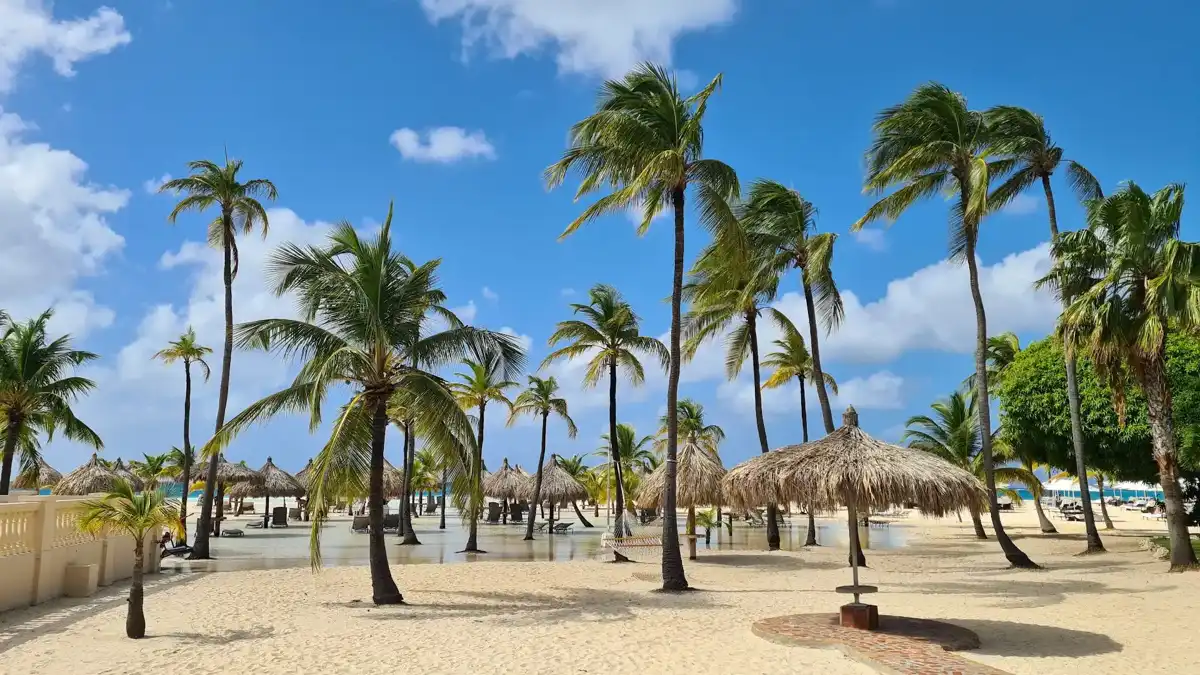
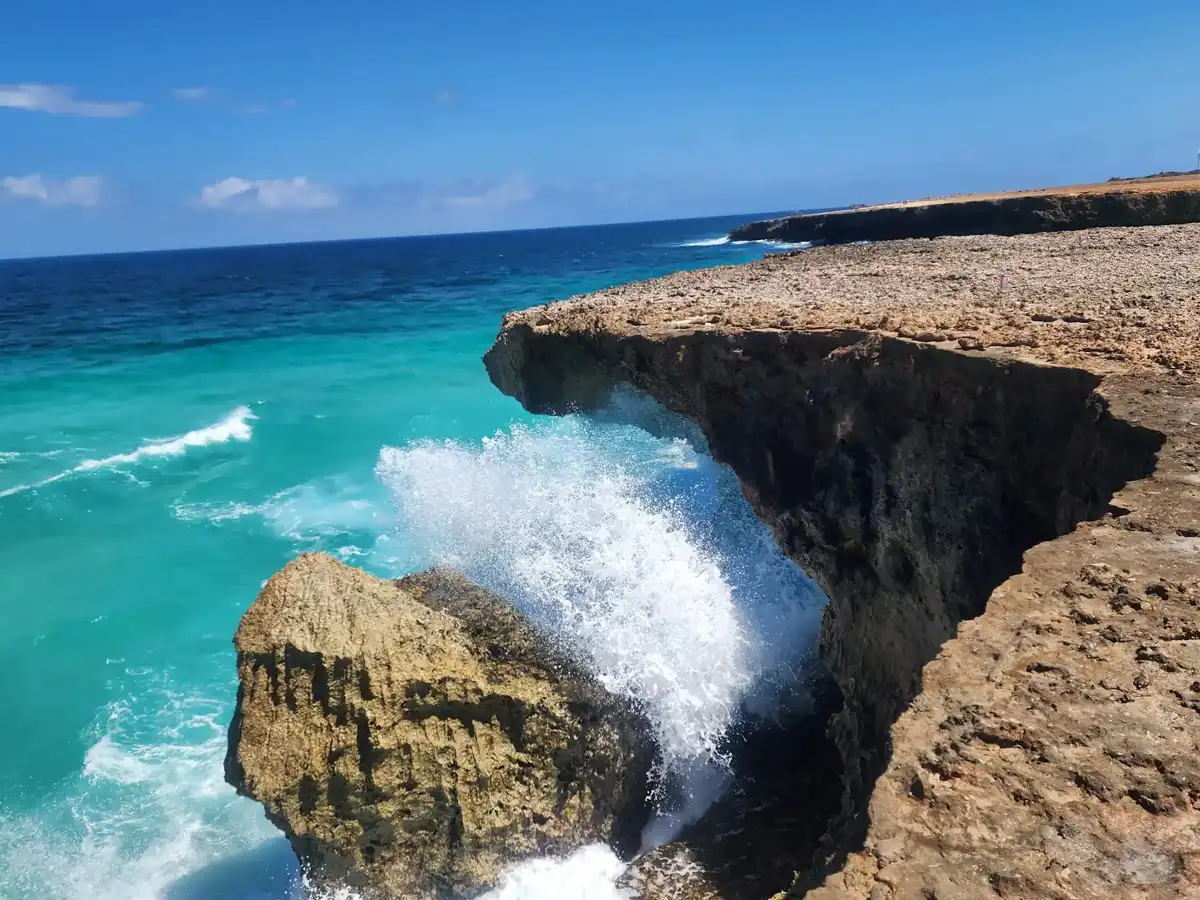
Which kind suits your style: The calm, white-sand leeward coast on the southwest is for swimming, paddling and lazy afternoons. Pick it if this is your first Caribbean trip or you travel with a book and a hammock mindset. Snorkelers should prioritize the sheltered coves and reef-fringed bays, where visibility is good and the water stays flat. The windward north and east coasts are rugged, with crashing surf and limestone cliffs. They are for walking and photos, not swimming. Wind and kite sports …
read more 👉 How many beaches to plan for: Aim for four or five beaches in total, and spend your time on two or three of them. Aruba is about 32 kilometers (20 miles) long, so every beach is close, and the difference between them is character, not distance. Visiting more than that mostly gets you extra parking lots.
Which kind suits your style: The calm, white-sand leeward coast on the southwest is for swimming, paddling and lazy afternoons. Pick it if this is your first Caribbean trip or you travel with a book and a hammock mindset. Snorkelers should prioritize the sheltered coves and reef-fringed bays, where visibility is good and the water stays flat. The windward north and east coasts are rugged, with crashing surf and limestone cliffs. They are for walking and photos, not swimming. Wind and kite sports fans should seek the stretches on the breezy side of the island.
What it costs: Every beach in Aruba is public by law, so entry is free. Realistic beach spending is US$5 to 30 a day. Public buses (Arubus) run along the resort coast for about US$2.60 to 3 a ride, or around US$7 for a day pass. Taxis are unmetered and expensive, so agree the fare first. Gear adds up: two loungers with an umbrella run about US$25 to 40 a day on the busy strips, snorkel sets about US$10 to 15. Skip the rental by bringing a cheap mask from home and sitting in the free shade under the native trees, or arrive early, since the free shaded spots go by 9 a.m. Supermarkets sell cold drinks and sandwiches for a fraction of beach bar prices.
Safety and etiquette: Most beaches have no lifeguards, so swim where the water is calm and keep an eye on kids. Never swim on the windward coast, where currents and waves are dangerous. The sun is fierce year-round, and Aruba bans sunscreens containing oxybenzone and octinoxate, so buy a reef-safe one before you land. Never leave valuables in a parked rental car, since break-ins at beach lots happen. Cover up when leaving the beach for shops and restaurants, and treat toplessness as off limits outside private resort areas. Take your trash with you, and keep off the dunes and nesting areas used by sea turtles.



 Best Backpacking
 Hi, I’m Johan (Netherlands 🇳🇱), the creator of TakeYourBackpack. Over the past 3 decades, I’ve backpacked through 90+ countries across six continents, gaining extensive experience with independent travel, long-term trips, and overland routes.