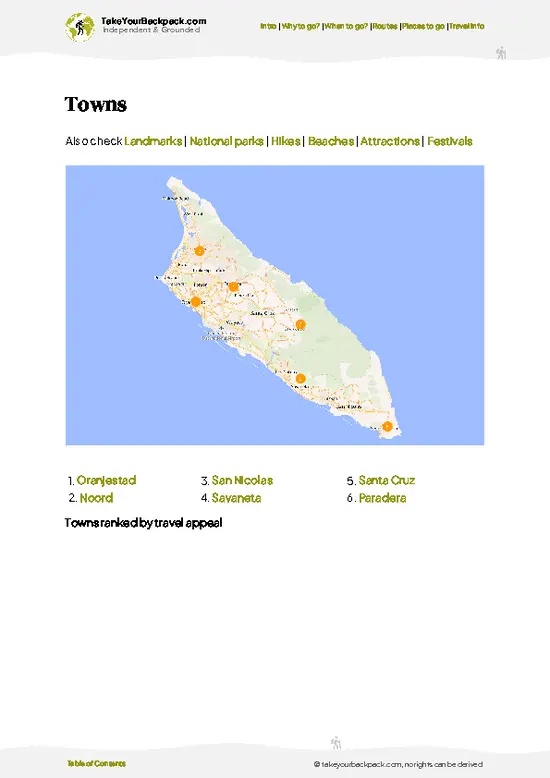
How many to visit: I advise
three to four towns. Aruba is small enough that each needs only a few hours, and a fourth adds variety without turning the visit into a checklist.
Prioritizing: Match the kind to your style. For
local life and cheap eating, choose the southeast and capital-side settlements, where snack bars sell a pastechi for around US$2 to 3 and lunch plates run US$8 to 14. For
nightlife and beach access, the northwest strip is easier but pricier, with mains at US$20 to 35. For
quiet and culture, pick towns with colonial architecture and small museums. Go slow on the pricey strip and eat where residents queue.
Budget: Backpackers should plan
US$70 to 120 a day with a hostel or guesthouse bed (US$30 to 60), local meals, and buses. The public bus costs about US$2.60 a ride and a …
read more 👉 How many to visit: I advise three to four towns. Aruba is small enough that each needs only a few hours, and a fourth adds variety without turning the visit into a checklist. Prioritizing: Match the kind to your style. For local life and cheap eating, choose the southeast and capital-side settlements, where snack bars sell a pastechi for around US$2 to 3 and lunch plates run US$8 to 14. For nightlife and beach access, the northwest strip is easier but pricier, with mains at US$20 to 35. For quiet and culture, pick towns with colonial architecture and small museums. Go slow on the pricey strip and eat where residents queue. Budget: Backpackers should plan US$70 to 120 a day with a hostel or guesthouse bed (US$30 to 60), local meals, and buses. The public bus costs about US$2.60 a ride and a day pass runs around US$10 to 15. Towns are free to walk, though small museums charge roughly US$5 to 10. A rental car adds US$40 to 70 a day, and a guided island tour runs US$60 to 100. Aruba uses the Aruban florin, but US dollars are accepted everywhere, and cards work in nearly all shops. Safety and etiquette: Aruba is one of the safer Caribbean islands, yet petty theft from parked cars and beach bags happens, so leave nothing visible. Never leave valuables unattended. The sun and wind are the bigger risks, so wear reef-safe sunscreen (regular sunscreens are restricted) and drink water constantly. Greet people with a friendly “bon dia” in the morning, which locals appreciate. Dress modestly away from the beach, wearing a shirt in shops and restaurants. Respect fenced private land and protected desert areas, and keep to marked paths since cactus and loose rock injure ankles.


 Best Backpacking
 Hi, I’m Johan (Netherlands 🇳🇱), the creator of TakeYourBackpack. Over the past 3 decades, I’ve backpacked through 90+ countries across six continents, gaining extensive experience with independent travel, long-term trips, and overland routes.