×

Australia🇦🇺 | hikesCape to Cape Trackcoastal cliffs, wildflowers, Indian Ocean views, limestone caves | things to do and best time to go

Explore Bibbulmun TrackExplore Thorsborne Trail

Backpacking in Cape to Cape Track
👍 Recommendedhike ranked #6
By Johan Kruseman 🇳🇱 | Updated September 4, 2026

Your boots crunch over pale sand, then bite into sharp limestone, then sink into a surprise patch of soft dune; the wind throws salt in your face while waves slam the rocks so hard you feel it in your ribs. This is the Cape to Cape Track, running about 123 km along the coast between Cape Naturaliste and Cape Leeuwin in Western Australia’s Margaret River region. It’s gorgeous and relentless: turquoise bays, wildflower bursts, karri forest shade, and long, exposed beach slogs that feel twice as long with a full pack. Getting to the northern trailhead is easy from Perth via bus to Dunsborough, then a short shuttle, which already makes it more accessible than many Aussie epics like the Bibbulmun. It’s not alpine-hard, but the sand, heat, and repetition grind you down—in a good, “I earned this beer in town” way.

Discover everything you want to know in the 📖 Australia Travel Guide.
Best time to go: March - May, September - November
Duration: 7 days
Distance: 135 kilometers
Total ascent: 1,200 meters
Loading the map 🌍
CLICK TO FILTER
cities
towns
villages
landmarks
national parks
hikes
beaches
attractions
festivals
regions
SHOW COUNTRY’S BESTSHOW ALL

✨ Why go?
Ranked #6 hike in Australia
The unique appeal for travelers

The Cape to Cape Track in Australia is a magnet for backpackers craving a mix of challenge and reward. Spanning 135 kilometers along the stunning coastline of Margaret River, this hike offers a scenery-to-effort ratio that’s hard to beat. You’ll tackle rugged cliffs, lush forests, and pristine beaches, all while feeling the burn in your legs.

Public transport makes access a breeze, so you can hop on a bus to your starting point without breaking the bank. The trail is flexible, allowing you to choose your daily distance, whether you want to crush it in a few days or savor it over a week.

This hike fits seamlessly into a longer backpacking route, making it a perfect pit stop between adventures. After a day of trekking, nothing beats the first cold beer at a local brewery, where you can relive … read more 👉
The Cape to Cape Track in Australia is a magnet for backpackers craving a mix of challenge and reward. Spanning 135 kilometers along the stunning coastline of Margaret River, this hike offers a scenery-to-effort ratio that’s hard to beat. You’ll tackle rugged cliffs, lush forests, and pristine beaches, all while feeling the burn in your legs.

Public transport makes access a breeze, so you can hop on a bus to your starting point without breaking the bank. The trail is flexible, allowing you to choose your daily distance, whether you want to crush it in a few days or savor it over a week.

This hike fits seamlessly into a longer backpacking route, making it a perfect pit stop between adventures. After a day of trekking, nothing beats the first cold beer at a local brewery, where you can relive the day’s highlights. The Cape to Cape Track isn’t just a hike; it’s an experience that rewards every step.
Want to include Cape to Cape Track in your Australia route?
Create a personalized Australia itinerary that includes Cape to Cape Track and the places that fit your trip — based on your travel style, budget, and available time. Get your route in seconds.

Generate my trip

💡 HighlightsThe experiences that define the visit

  • Cape Naturaliste Lighthouse — A proper clifftop viewpoint with panoramic ocean sweeps, clear whale-watching seasons (June-October) and a tiny interpretive centre that explains the maritime history and Wadandi/Noongar connections to the land; it’s a great intro to the coast’s drama and a handy spot for sunrise or a mid-hike rest.
  • Sugarloaf Rock — That lone, weathered granite sea stack photographers love: dramatic at sunset, littered with nesting seabirds and smashed by surf in a way few inland trails can match. The short boardwalk drops you close enough to feel the spray and hear the waves pounding the rocks below.
  • Canal Rocks — A series of serrated granite ledges forming natural channels you can scramble along and peer into, tide-dependent and wildly photogenic; it’s one of those places
read more 👉
  • Cape Naturaliste Lighthouse — A proper clifftop viewpoint with panoramic ocean sweeps, clear whale-watching seasons (June-October) and a tiny interpretive centre that explains the maritime history and Wadandi/Noongar connections to the land; it’s a great intro to the coast’s drama and a handy spot for sunrise or a mid-hike rest.
  • Sugarloaf Rock — That lone, weathered granite sea stack photographers love: dramatic at sunset, littered with nesting seabirds and smashed by surf in a way few inland trails can match. The short boardwalk drops you close enough to feel the spray and hear the waves pounding the rocks below.
  • Canal Rocks — A series of serrated granite ledges forming natural channels you can scramble along and peer into, tide-dependent and wildly photogenic; it’s one of those places where you suddenly realise how close the track keeps you to raw ocean energy.
  • Boranup Karri Forest — A sudden, cool cathedral of towering karri trees that feels almost rainforest-like after the exposed coastal sections; the sheer scale and quiet shade are a fantastic contrast to the cliffs, and you’ll often spot kangaroos or wallabies in the margins.
  • Cape Leeuwin Lighthouse — The southern bookend where the Indian and Southern Oceans collide, with a big dose of maritime history, pounding waves, and dramatic headlands; finishing (or starting) here gives you that proper sense of place — rugged, exposed and very unlike most other long-distance walks in Australia.
Spotted a mistake or missing something? Contact us.

Things to do around Cape to Cape Track

Ratings based on Tripadvisor reviews. When you book through this link, you support our work at no extra cost to you.

🌤️ When to go?Choosing the right time of year


  • Weather: The Cape to Cape Track thrives in mild, dry conditions. Autumn (March to May) and spring (September to November) deliver crisp air and minimal rain, avoiding the soggy slog of winter or the scorch of summer.

  • Temperature: Expect daytime highs around 18-24°C (64-75°F) in shoulder seasons, perfect for steady hiking without overheating. Winter dips to 10-15°C (50-59°F) can chill your bones, while summer’s 28-35°C (82-95°F) demands early starts and plenty of water.

  • Daylight Hours: Longer days in spring and autumn stretch your hiking window to 10-12 hours, letting you cover more ground and savor the changing light on the cliffs and beaches.

  • Crowds: Peak summer draws holidaymakers, turning quiet stretches into busy corridors. Shoulder seasons offer solitude, letting you own the
read more 👉

  • Weather: The Cape to Cape Track thrives in mild, dry conditions. Autumn (March to May) and spring (September to November) deliver crisp air and minimal rain, avoiding the soggy slog of winter or the scorch of summer.

  • Temperature: Expect daytime highs around 18-24°C (64-75°F) in shoulder seasons, perfect for steady hiking without overheating. Winter dips to 10-15°C (50-59°F) can chill your bones, while summer’s 28-35°C (82-95°F) demands early starts and plenty of water.

  • Daylight Hours: Longer days in spring and autumn stretch your hiking window to 10-12 hours, letting you cover more ground and savor the changing light on the cliffs and beaches.

  • Crowds: Peak summer draws holidaymakers, turning quiet stretches into busy corridors. Shoulder seasons offer solitude, letting you own the trail without dodging groups.

  • Seasonal Activities: Spring bursts with wildflowers and whale migrations offshore, adding natural spectacle. Autumn cools the air and calms the seas, ideal for post-hike swims and beach camps.

  • Price Fluctuations: Accommodation and transport costs spike in summer. Booking in shoulder seasons can save cash and snag better spots at campsites and lodges.


Pro-tip: Aim for early autumn—cool temps, fewer people, and the trail’s raw beauty at its peak make every step worth the effort.


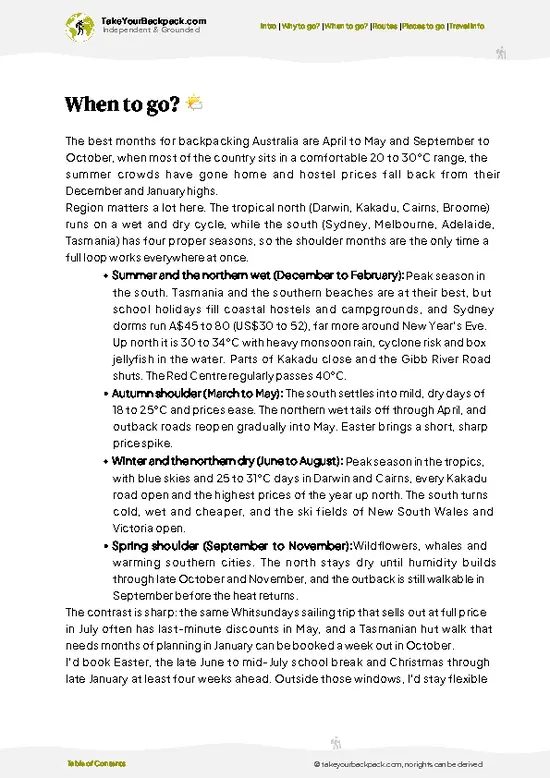
source: climatestotravel.comJANJanuary: fair for travelingFEBFebruary: fair for travelingMARMarch: highly recommended for travelingAPRApril: excellent for travelingMAYMay: highly recommended for travelingJUNJune: fair for travelingJULJuly: below average for travelingAUGAugust: fair for travelingSEPSeptember: highly recommended for travelingOCTOctober: excellent for travelingNOVNovember: highly recommended for travelingDECDecember: fair for traveling
australia-hike-cape-to-cape-track
© Google |

✈️ The backpacker research shortcutAustralia Travel Guide

An offline-friendly backpacking guide with optimized travel routes, ranked highlights, transport advice, and the best areas to stay.
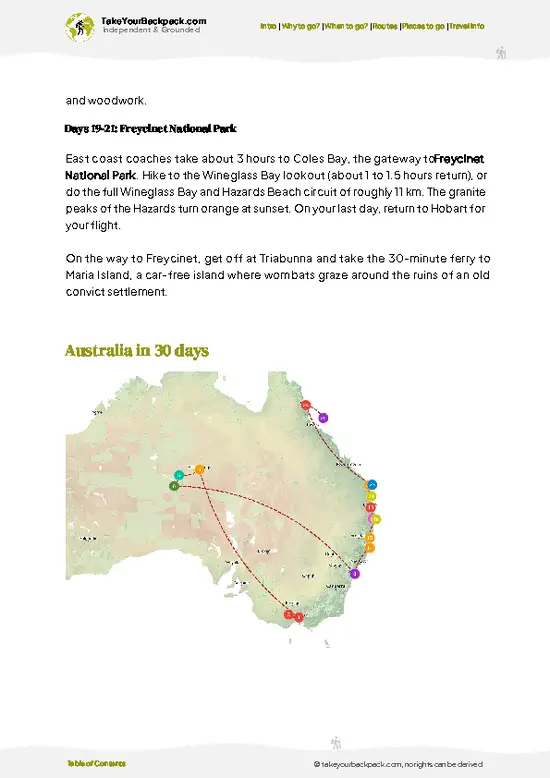
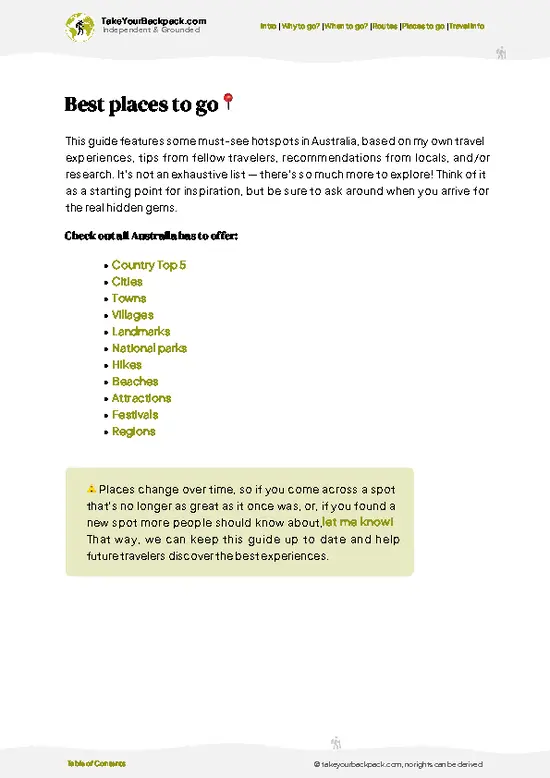
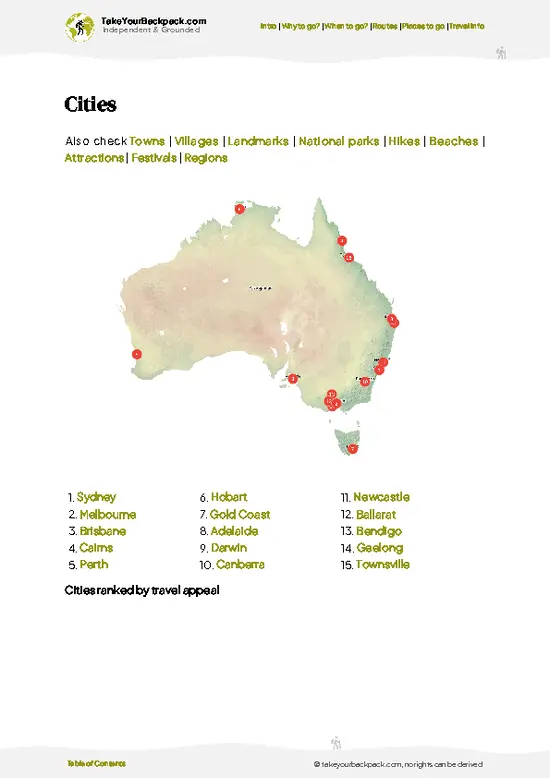
example page 0 from our offline Travel Guide for Australia
example page 1 from our offline Travel Guide for Australia
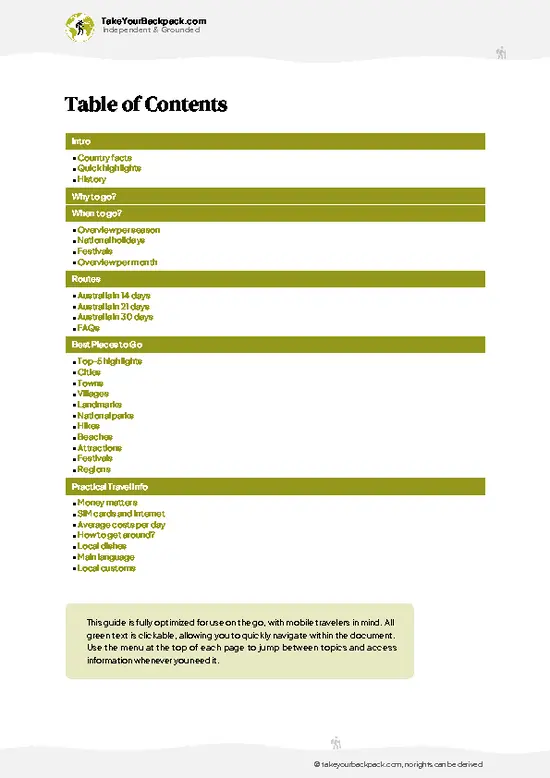
example page 2 from our offline Travel Guide for Australia
example page 3 from our offline Travel Guide for Australia
example page 4 from our offline Travel Guide for Australia
example page 5 from our offline Travel Guide for Australia
example page 6 from our offline Travel Guide for Australia
example page 7 from our offline Travel Guide for Australia
The digital guide (544 pages) contains:
149 highlights, ranked by travel appeal
Optimized 14, 21 & 30-day travel routes
Cities, national parks, landmarks, beaches
How to get around
Offline-friendly for travel without Wi-Fi
👉 Click to see all 30+ guide features

📅 Plan smarter in minutes, not weeks
Month by month travel advice
Festivals & national holidays
Budget expectations

🗺️ Go to the right places, skip the overrated ones
Honest pros & cons of destinations
Top hikes, parks & viewpoints
Lesser-known places most travelers miss
Clear “worth it vs skip it” guidance

🛏️ Travel smoothly without rookie mistakes
Best areas to stay
Transport systems explained simply
Common scams & safety advice
SIM cards, money & practical tips

🌍 Understand the country, not just visit it
Culture & traditions
Local customs
Festivals worth planning around
Traveler-friendly historical context
Insights that make places more meaningful

📱 Built for real travel conditions
Fully downloadable PDF
Works completely offline
Optimized for phone use
Useful in remote areas & buses
Everything in one place
Save weeks of stressful planning
Get instant access to your full guide. 30‑day money-back guarantee.
+ Add another guide for just £5.98

By proceeding you agree to our terms.
Sent to your inbox immediately after payment • 100% Secure Checkout
Best Backpacking Travel Advisor 2025 tourism awardBest Backpacking
Travel Advisor
2025
What others say about Take Your Backpack Guides:
⭐⭐⭐⭐⭐
Fantastic, amazing amount of information!
⭐⭐⭐⭐⭐
My goodness this is amazing, it's what I've been looking for hats off too you!
⭐⭐⭐⭐⭐
I think this is absolutely BRILLIANT
⭐⭐⭐⭐
Very complete and informative. It's still missing places, but I gotta to commend you
⭐⭐⭐⭐⭐
This is truly amazing, thank you, can't wait to explore it with my kids!
⭐⭐⭐⭐⭐
Awesome resource, thank you!
⭐⭐⭐⭐⭐
This is amazing! Can't wait to explore the ones I haven't seen
⭐⭐⭐⭐
I love this! Well done, great idea.
⭐⭐⭐⭐⭐
Thanks for taking the time to make this gem!
⭐⭐⭐⭐⭐
This might be the best website I've ever seen.
⭐⭐⭐⭐⭐
Congratulations, and thank you so much for your work; it's incredibly valuable.
⭐⭐⭐⭐
In all seriousness I think you did a great job pointing out the important spots
⭐⭐⭐⭐⭐
10/10 very good
⭐⭐⭐⭐⭐
As someone who's only just starting to visit regularly this is awesome, thank you.
⭐⭐⭐⭐
Thank you very much! I'm going to visit my dad, it's going to be very useful!
⭐⭐⭐⭐⭐
This is really cool! We'll be travelling for the first time and this definitely come in handy.
⭐⭐⭐⭐⭐
You are now our minister of culture, congratulations 👨‍💼
⭐⭐⭐⭐⭐
Just wanted to tell you that this is a pearl! Going to follow your recommendations.
⭐⭐⭐⭐⭐
This is so cool. I'll definitely be using the resource for my travels soon.
⭐⭐⭐⭐⭐
This is very impressive! Good work.
⭐⭐⭐⭐⭐
This is an amazing and informative site. Very well done!

🛏️ Where to stay?Where staying makes the most sense

If you enjoy meeting fellow travelers, consider choosing hostels with high ratings for atmosphere. On the other hand, if you prefer having your own space, a hotel might be a better option.

🥾 Hike detailsTrail overview: what to expect on the hike

Total Distance: The Cape to Cape Track stretches approximately 135 kilometers (84 miles) along the stunning coastline of Western Australia, from Cape Naturaliste to Cape Leeuwin.

Estimated Duration: Most hikers take about 5 to 7 days to complete the trail, depending on fitness levels and how much time you want to spend soaking in the views.

Difficulty Level: This trail is generally rated as moderate. While there are some challenging sections, the path is well-marked and accessible for most hikers with a decent level of fitness.

Starting Point: The trail kicks off at Cape Naturaliste. To get … read more 👉
Total Distance: The Cape to Cape Track stretches approximately 135 kilometers (84 miles) along the stunning coastline of Western Australia, from Cape Naturaliste to Cape Leeuwin.

Estimated Duration: Most hikers take about 5 to 7 days to complete the trail, depending on fitness levels and how much time you want to spend soaking in the views.

Difficulty Level: This trail is generally rated as moderate. While there are some challenging sections, the path is well-marked and accessible for most hikers with a decent level of fitness.

Starting Point: The trail kicks off at Cape Naturaliste. To get there via public transport, you can catch a bus from Busselton or Dunsborough. The bus service is fairly regular, but it’s a good idea to check the schedule in advance.

Major Landmarks:
  • Cape Naturaliste Lighthouse: A historic lighthouse offering panoramic views of the Indian Ocean.
  • Meelup Beach: A picturesque spot perfect for a swim or a picnic.
  • Prevelly Beach: Known for its surf breaks and vibrant beach atmosphere.
  • Cape Leeuwin Lighthouse: The tallest lighthouse on the Australian mainland, where the Indian and Southern Oceans meet.

Type of Terrain and Scenery: Expect a mix of sandy beaches, rocky outcrops, and coastal heathland. The trail meanders through forests and offers breathtaking cliff-top views, especially at sunrise and sunset. You’ll find yourself walking alongside turquoise waters and possibly spotting dolphins or whales in the distance.

Typical Vegetation and Wildlife:
  • Vegetation: You’ll encounter a variety of flora including wildflowers, eucalyptus trees, and coastal shrubs, especially vibrant in spring.
  • Wildlife: Keep an eye out for kangaroos, emus, and various bird species. If you’re lucky, you might even spot a few rare species native to the region.

This trail is a fantastic way to immerse yourself in the natural beauty of Australia’s southwest. Just remember to carry enough water and snacks, and be prepared for changing weather conditions!
⚠️ Hiking info can sometimes be outdated or inaccurate. Before you hit the trail, check the latest conditions with locals. If you do spot anything that's off, I'd love to hear from you, so I can update it for fellow travelers.

🛡️ SafetyStaying Safe: What Travelers Should Know

The Cape to Cape Track is a stunning journey, but don’t let the beauty fool you; it demands respect. Weather can shift quickly, so pack layers. Mornings might start cool, but by midday, you could be sweating under the sun. The terrain varies—some sections are flat and easy, while others challenge your footing with steep climbs and rocky paths. Navigation is straightforward, but keep an eye on trail markers, especially in dense bush.

Wildlife is part of the experience. You might spot kangaroos or emus, but give them space. They’re not interested in you, and you shouldn’t be in their territory.

Prepare for river crossings, especially after rain; they can swell quickly. A solid pair of hiking boots is essential. Pace yourself, enjoy the views, and remember: the journey is just as rewarding as the destination.

FAQCommon questions from travelers

The Cape to Cape Track hike typically takes 4 to 6 days to complete, covering approximately 135 kilometers from Cape Naturaliste to Cape Leeuwin in Western Australia.
The hike is of moderate difficulty, suitable for reasonably fit walkers. The terrain includes sandy beaches, rocky headlands, and forest paths, with some steep sections and uneven surfaces.
No guide or permit is required to hike the Cape to Cape Track. However, hikers should plan their accommodation in advance, as campsites and nearby lodging can fill up, especially in peak season from October to April.
⚠️ Things can change over time, so always validate details locally before you go.

Other Australian hikes near Cape to Cape Track

Explore more nearby:

  • Bibbulmun Track—jarrah forest, long-distance trail, wildflower season, granite outcrops| 251 km away
  • Kings Canyon Rim Walk—sandstone domes, sheer cliffs, Garden of Eden, desert views| 1940 km away
  • Larapinta Trail—red rock ridges, West MacDonnell Ranges, dry riverbeds, remote campsites| 2029 km away

💡 Not sure where to go next?
Create a personalized itinerary for Australia including Cape to Cape Track and the places that fit your trip.

Generate my itinerary

👉 Discover all hikes

Or checkout all Australia has to offer (think cities, towns, villages, national parks, hikes, beaches, festivals)
Country photo of Australia

We 💚 feedbackParting advice and final tips

The Cape to Cape Track is a wild ride, with rugged cliffs and endless ocean views that’ll make your heart race. You’ll feel the salt spray on your face and the thrill of conquering those steep trails. But be ready for the reality check: the weather can turn on a dime, so pack for everything. Embrace the challenge, and the reward is a cold beer at the finish, watching the sun dip below the horizon.

✈️ When did I visit Australia?
On my trip to New Zealand in 1993, I had a short stop in Australia as well.

✍️ Help improve this page!
The information on this page is based on my own backpacking experience in Australia, supplemented with up-to-date research and feedback from other travelers. Travel details can change, so if you notice anything outdated or incomplete, feel free to let me know.


🙋‍♂️ Give feedback

👋 Meet the founderWho’s Behind Take Your Backpack?

Johan, backpacker and founder of TakeYourBackpackHi, I’m Johan (Netherlands 🇳🇱), the creator of TakeYourBackpack. Over the past decade, I’ve backpacked through 80+ countries across six continents, gaining extensive experience with independent travel, long-term trips, and overland routes.

This site is built on a combination of firsthand travel experience and carefully curated insights from other backpackers. Many guides are based on places I’ve personally visited, while others bring together tips, observations, and practical advice shared by trusted travelers I’ve met along the way.

The goal is to provide realistic, experience-driven guidance — not generic itineraries — so you can explore destinations with better context, clearer expectations, and more confidence.

Get full Australia guide •
Instant download • 149 highlights • Full Offline guide