How many hikes to do: Aim for
four to six hikes on a trip of two to four weeks, with a mix of day walks and one multi-day trek. That number leaves room for rest days, weather delays, and long transfers. Packing in ten sounds ambitious until the third 7-hour drive, at which point it sounds like a very expensive way to see the inside of a rental car. Fewer, better-timed walks give a backpacker more trail time per dollar and per hour than a scattershot approach.
Which kind to prioritize: For a first trip, day walks near towns are the best value. They cost little, need no booking in most cases, and let you test fitness and weather tolerance. Travelers on a tight budget get the most from these, plus a single multi-day walk where huts or campsites are cheap. Those who want solitude and big landscapes …
read more 👉 How many hikes to do: Aim for four to six hikes on a trip of two to four weeks, with a mix of day walks and one multi-day trek. That number leaves room for rest days, weather delays, and long transfers. Packing in ten sounds ambitious until the third 7-hour drive, at which point it sounds like a very expensive way to see the inside of a rental car. Fewer, better-timed walks give a backpacker more trail time per dollar and per hour than a scattershot approach.
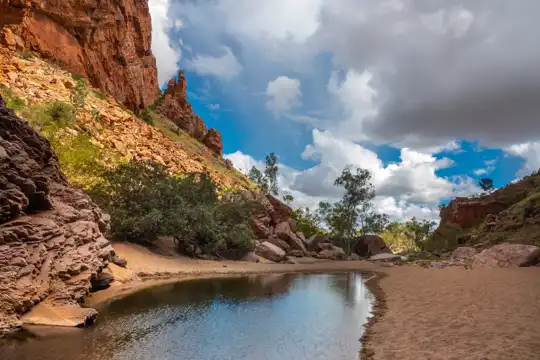
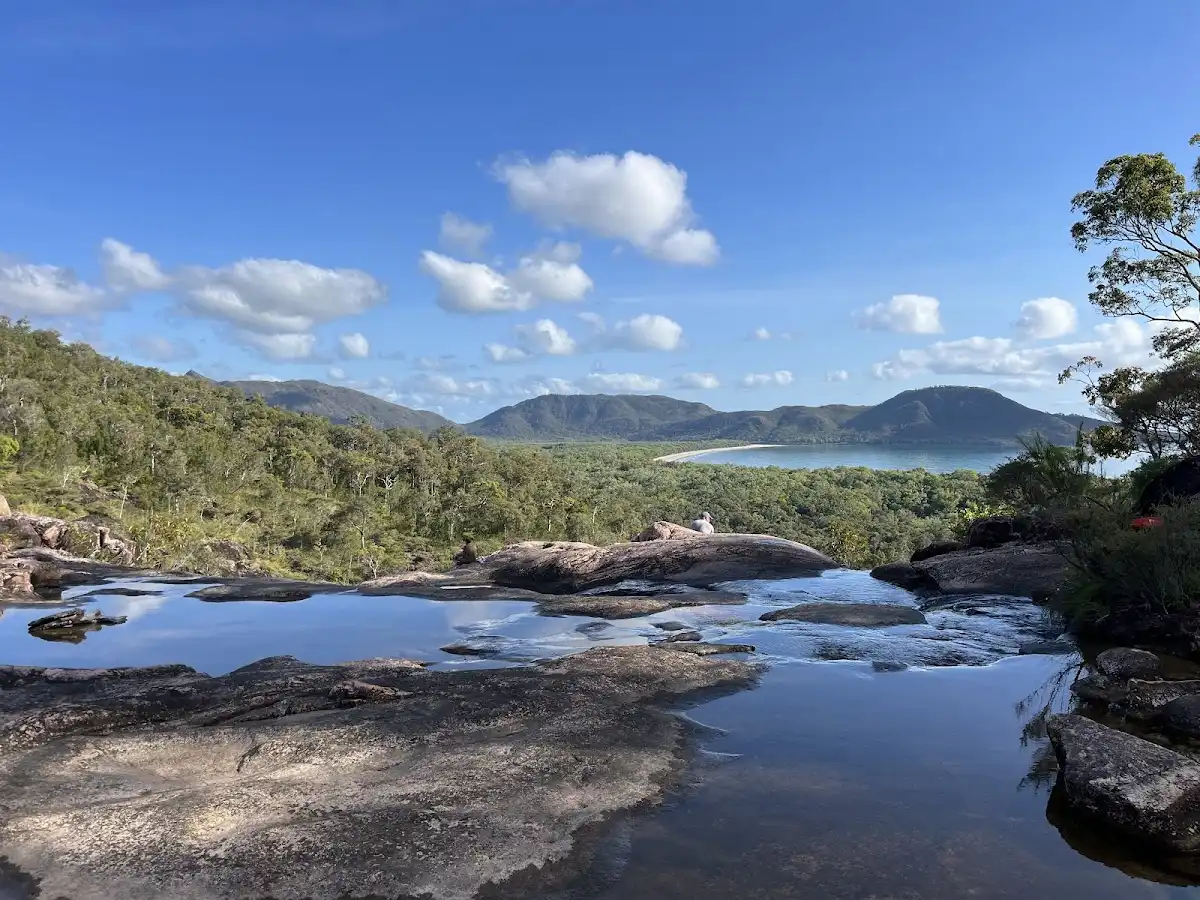
Which kind to prioritize: For a first trip, day walks near towns are the best value. They cost little, need no booking in most cases, and let you test fitness and weather tolerance. Travelers on a tight budget get the most from these, plus a single multi-day walk where huts or campsites are cheap. Those who want solitude and big landscapes should prioritize remote desert or Kimberley-style terrain, but that costs more in fuel, vehicle hire, and sometimes guides, and it requires real preparation. Anyone chasing comfort will find the hut-based multi-day tracks and guided walks in Tasmania and the southeast the easiest, though these cost more and often need booking months ahead. For wildlife and rainforest, the tropical north offers rich walking, but the wet season removes much of it, so timing counts more than ambition. For the money, a mix of two or three day walks and one signature multi-day trek tends to deliver the most.
What it costs: A realistic budget is A$80 to 150 (about US$52 to 98) a day for a backpacker who camps or uses hostels, cooks most meals, and shares a car. Add fuel and vehicle costs, which can reach A$50 to 100 a day for a rental car or campervan, split among travelers. Park entry varies widely. Many walks are free, while some national parks charge vehicle fees around A$10 to 25 a day, and multi-day passes can run A$30 to 60. Camping in parks is typically A$7 to 25 per person per night. Popular multi-day tracks charge fees and booking costs that can reach A$100 to 250 for the whole walk, depending on the route. Guided walks led by traditional owners or tour operators usually run A$80 to 250 for a day and more for multi-day options. Domestic flights between regions often cost A$100 to 300 each way if booked ahead. Over a two-week visit built around hiking, expect a total of roughly A$1,800 to 3,500 (US$1,170 to 2,280), excluding international flights. Pre-booking wins here: it saves money on flights and secures the places that matter. Spending more on a good pack, boots, and a beacon is money well spent, since a failed piece of gear costs more than the gear.
Safety: The main danger is heat and dehydration. Carry at least 3 liters per person for a day walk in warm conditions and far more on remote routes, where there may be no water source. Start at dawn, rest in shade, and turn back early. Tell someone your route, register with the park if a system exists, and carry a personal locator beacon where mobile coverage fails, which is most of the outback. Weather can turn fast in alpine and southern areas, where cold, wet and windy conditions cause hypothermia even in summer, so pack layers and a waterproof shell. Check fire danger ratings and park alerts before leaving, and obey closures without debate.
Wildlife risks are modest if handled sensibly. Wear closed shoes and long pants in grass, watch where you put hands and feet, and give snakes space and time to leave. Check for ticks in forest areas, and in the tropical north stay out of fresh and salt water that is not signed as safe, because of crocodiles and, seasonally, stingers on the coast.
Cultural considerations: Many of Australia’s landscapes are Aboriginal and Torres Strait Islander country, and some are owned and managed by traditional owners. Follow signs about restricted areas, do not climb or photograph where asked not to, and pay entry fees, since they often support local communities. A guided walk with a Indigenous guide is one of the best value splurges in the country, adding context to the landscape that no map supplies. Leave no trace, carry out all rubbish, use toilets where provided, and keep to marked trails to protect fragile ground. One practical observation: a state parks pass rarely carries across borders, so check each park’s rules before assuming your ticket works.





 Best Backpacking
 Hi, I’m Johan (Netherlands 🇳🇱), the creator of TakeYourBackpack. Over the past 3 decades, I’ve backpacked through 90+ countries across six continents, gaining extensive experience with independent travel, long-term trips, and overland routes.