×

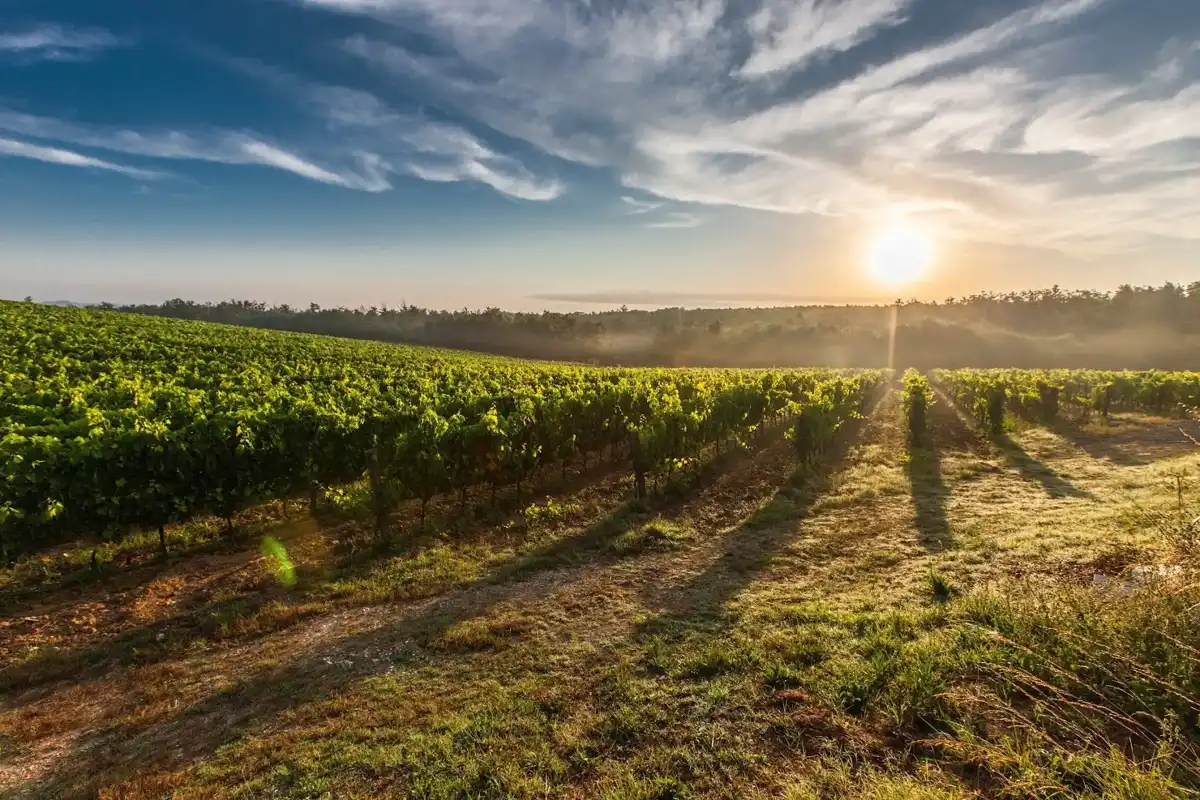
Australia🇦🇺 | regionsBarossa Valleyvineyard landscapes, cellar doors, Lutheran heritage, local produce | things to do and best time to go

Explore Nitmiluk National ParkExplore Coonawarra

Backpacking in Barossa Valley
🌟 Highlightregion ranked #6
By Johan Kruseman 🇳🇱 | Updated September 4, 2026

Most people think Barossa is just bus tours and boozy Instagram shots. It can be that, sure, but if you play it right, it’s a surprisingly good side quest for backpackers. Barossa Valley sits inland, northeast of Adelaide in South Australia, an easy escape from the city and way calmer than the east-coast circus.

You get rolling vineyards, big skies, German heritage towns like Tanunda and Angaston, and cellar doors where staff actually talk to you, not at you. It’s pricier than the Grampians or Flinders Ranges, and public transport between towns is patchy, so you’re often juggling rideshares or a rental. The vibe swings from tour-bus crowds on weekends to sleepy-local midweek, which I love. Compared with McLaren Vale or Adelaide Hills, Barossa feels heavier on serious wine, lighter on beaches and hiking, but deeper on character if you slow down.

Discover everything you want to know in the 📖 Australia Travel Guide.
Loading the map 🌍
CLICK TO FILTER
cities
towns
villages
landmarks
national parks
hikes
beaches
attractions
festivals
regions
SHOW COUNTRY’S BESTSHOW ALL

✨ Why go?
Ranked #6 region in Australia
What makes this region worth visiting

In the Barossa Valley, backpackers find a sweet spot where nature and culture collide. You can explore rolling vineyards and craggy hills without the hassle of constant relocation. This region offers a variety of landscapes that keeps your senses engaged.

Transport is flexible here. Rent a bike or hop on a local bus to discover hidden wineries and artisan markets. You can sip on world-class Shiraz while soaking in the local vibe.

The beauty of Barossa lies in its ability to blend slow travel with rich experiences. Spend a day hiking through gorgeous trails, then unwind at a cozy café, tasting local cheeses. You’re not just a tourist; you’re part of the scene.

This is where you can savor every moment, making the most of your time without breaking the bank. Choose wisely, and you’ll walk away with stories worth telling.
Want to include Barossa Valley in your Australia route?
Create a personalized Australia itinerary that includes Barossa Valley and the places that fit your trip — based on your travel style, budget, and available time. Get your route in seconds.

Generate my trip

💡 HighlightsThe experiences that define the visit

  • Seppeltsfield Centennial Cellar — The place most tied to Barossa’s wine history: a 19th-century estate with a century-old row of fortified wines and the unique chance to taste a vintage from your birth year. It’s the kind of historic cellar experience you can’t replicate in a modern tasting room.
  • Chateau Tanunda — A massive, old-world chateau built by German settlers; walk the grand halls, learn about Barossa’s winemaking past, and feel the scale of 19th-century prosperity that shaped the valley’s character.
  • Mengler Hill Lookout & Sculpture Park — Panoramic sweep over the vineyards and the valley; the short walk up the hill and the scattered sculptures at sunset give you that “this is Barossa” photo without needing to queue.
  • Barossa Reservoir (the “Whispering Wall”) — An ear-bending engineering
read more 👉
  • Seppeltsfield Centennial Cellar — The place most tied to Barossa’s wine history: a 19th-century estate with a century-old row of fortified wines and the unique chance to taste a vintage from your birth year. It’s the kind of historic cellar experience you can’t replicate in a modern tasting room.
  • Chateau Tanunda — A massive, old-world chateau built by German settlers; walk the grand halls, learn about Barossa’s winemaking past, and feel the scale of 19th-century prosperity that shaped the valley’s character.
  • Mengler Hill Lookout & Sculpture Park — Panoramic sweep over the vineyards and the valley; the short walk up the hill and the scattered sculptures at sunset give you that “this is Barossa” photo without needing to queue.
  • Barossa Reservoir (the “Whispering Wall”) — An ear-bending engineering quirk: whisper against the dam wall and someone far down the curve can hear you. Great for a picnic, a stroll on the crest, and a break from the vines.
  • Bethany Village & Pioneer Sites — (Hidden gem) Tiny stone cottages, a weathered Lutheran church and pioneer cemetery that tell the German-settler story in a way tasting notes never will. Walk the lanes and you’ll see original masonry and family plots dating back to the 1800s.
  • Turkey Flat Vineyards — (Hidden gem) One of Barossa’s most authentic old-vine estates: gritty, hands-on, and focused on enormous Shiraz character. Visiting here feels like stepping into the living history of Barossa viticulture rather than a polished tourism pitch.
  • Kaiserstuhl Conservation Park — (Hidden gem) A chunk of native bush on the edge of vineyard country with short hikes, wildflowers in season and quietly rugged views over the Barossa Ranges—great when you want native landscape instead of rows of vines.
  • Maggie Beer’s Farm Shop & Kitchen — Food-first Barossa: seasonal produce, small plates and the kind of pantry products locals love to take home. It’s the best single stop to taste the valley’s food culture without a full sit-down wine tour.
  • Barossa Farmers Market — A real local scene: cheesemakers, smallgoods, seasonal fruit, sourdough and indigenous producers. Go early, talk to the growers, and you’ll leave with a lunch that maps the valley better than any brochure.
  • Marananga Village & Boutique Cellar Doors — Small-scale wineries, a village bakery/café vibe and less polished tasting rooms where winemakers hang out. It’s a low-traffic way to meet producers, try experimental drops and soak in Barossa village life.
Spotted a mistake or missing something? Contact us.

Things to do around Barossa Valley

Ratings based on Tripadvisor reviews. When you book through this link, you support our work at no extra cost to you.

⌛️ 5 daysA smart one-week plan

Day 1: Tanunda
Start your adventure in Tanunda, the heart of Barossa Valley. This charming town is your gateway to the region’s wine culture. You’ll want to settle in here first because it’s centrally located, making it easy to explore. Spend the day wandering the local shops and tasting at nearby wineries. The pace is relaxed, allowing you to acclimate to the local vibe. Grab a bite at a cozy café; the local produce is a treat.

Day 2: Nuriootpa
Shift gears and head to Nuriootpa, just a short drive away. This town is less touristy but rich in history. Visit the Barossa Valley Cheese Company for a delightful pairing of local cheeses and wines. The transport system is straightforward, with roads connecting these towns seamlessly. You’ll feel like a local as you navigate the area with ease. … read more 👉
Day 1: Tanunda
Start your adventure in Tanunda, the heart of Barossa Valley. This charming town is your gateway to the region’s wine culture. You’ll want to settle in here first because it’s centrally located, making it easy to explore. Spend the day wandering the local shops and tasting at nearby wineries. The pace is relaxed, allowing you to acclimate to the local vibe. Grab a bite at a cozy café; the local produce is a treat.

Day 2: Nuriootpa
Shift gears and head to Nuriootpa, just a short drive away. This town is less touristy but rich in history. Visit the Barossa Valley Cheese Company for a delightful pairing of local cheeses and wines. The transport system is straightforward, with roads connecting these towns seamlessly. You’ll feel like a local as you navigate the area with ease.

Day 3: Angaston
Onward to Angaston, where you can dive deeper into the region’s heritage. The historic buildings and local markets are worth your time. This day is about soaking in the culture. The drive is scenic, and you’ll appreciate the rolling vineyards along the way.

Day 4: Off-Path Reward: Mengler Hill
Take a detour to Mengler Hill for panoramic views of the valley. It’s a short drive from Angaston and offers a breathtaking perspective of the landscape. This is a perfect spot for photos and a moment of reflection.

Day 5: Lyndoch
Wrap up your trip in Lyndoch, where you can indulge in a final winery tour. The pace here is leisurely, allowing you to savor your last tastes of Barossa.

The must-do day? Day 2 in Nuriootpa. It’s where you’ll find the perfect blend of local charm and culinary delights, making it the highlight of your Barossa experience.
Turn your Barossa Valley visit into an Australia adventure
Build a complete Australia route with Barossa Valley, hidden gems, must-see destinations, and realistic travel times included.

Generate my trip

🌤️ When to go?Best time to visit Barossa Valley


  • Weather: The Barossa Valley basks in a Mediterranean climate. Spring (September to November) offers mild, pleasant days around 15-22°C (59-72°F), perfect for vineyard strolls without sweating buckets.

  • Temperature: Summers (December to February) can hit 30-35°C (86-95°F), which is great if you like your wine with a side of sunburn. Winters dip to 5-10°C (41-50°F), crisp but manageable with layers.

  • Daylight Hours: Longer days in summer stretch to about 14-15 hours, giving you more time to explore. Winter days shrink to 9-10 hours, so plan your hikes and tastings accordingly.

  • Crowds: Peak season is summer and harvest time (February to April). Expect busier cellar doors and pricier accommodations. Spring and autumn are quieter, letting you savor the valley without elbowing through crowds.
read more 👉

  • Weather: The Barossa Valley basks in a Mediterranean climate. Spring (September to November) offers mild, pleasant days around 15-22°C (59-72°F), perfect for vineyard strolls without sweating buckets.

  • Temperature: Summers (December to February) can hit 30-35°C (86-95°F), which is great if you like your wine with a side of sunburn. Winters dip to 5-10°C (41-50°F), crisp but manageable with layers.

  • Daylight Hours: Longer days in summer stretch to about 14-15 hours, giving you more time to explore. Winter days shrink to 9-10 hours, so plan your hikes and tastings accordingly.

  • Crowds: Peak season is summer and harvest time (February to April). Expect busier cellar doors and pricier accommodations. Spring and autumn are quieter, letting you savor the valley without elbowing through crowds.

  • Seasonal Activities: Harvest season (late February to April) is the insider’s pick—grape stomps, festivals, and fresh-pressed juice tastings. Spring brings wildflowers and fewer tourists, while winter offers cozy cellar door experiences.

  • Price Fluctuations: Accommodation and tours spike during harvest and summer holidays. Booking in shoulder seasons like spring or autumn nets better deals and a more relaxed vibe.


Pro-tip: Aim for late March—harvest buzz with thinning crowds and mild weather. You’ll sip like a local, dodge the tourist rush, and keep your budget intact.


source: climatestotravel.comJANJanuary: good for travelingFEBFebruary: fair for travelingMARMarch: excellent for travelingAPRApril: highly recommended for travelingMAYMay: highly recommended for travelingJUNJune: good for travelingJULJuly: fair for travelingAUGAugust: fair for travelingSEPSeptember: highly recommended for travelingOCTOctober: highly recommended for travelingNOVNovember: highly recommended for travelingDECDecember: good for traveling
australia-region-barossa-valley
© Google | Jasmine Hart

✈️ The backpacker research shortcutAustralia Travel Guide

An offline-friendly backpacking guide with optimized travel routes, ranked highlights, transport advice, and the best areas to stay.
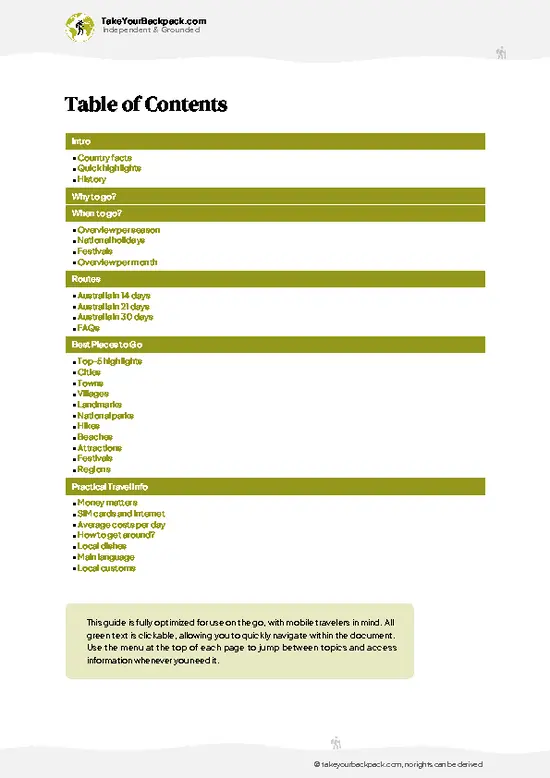
example page 0 from our offline Travel Guide for Australia
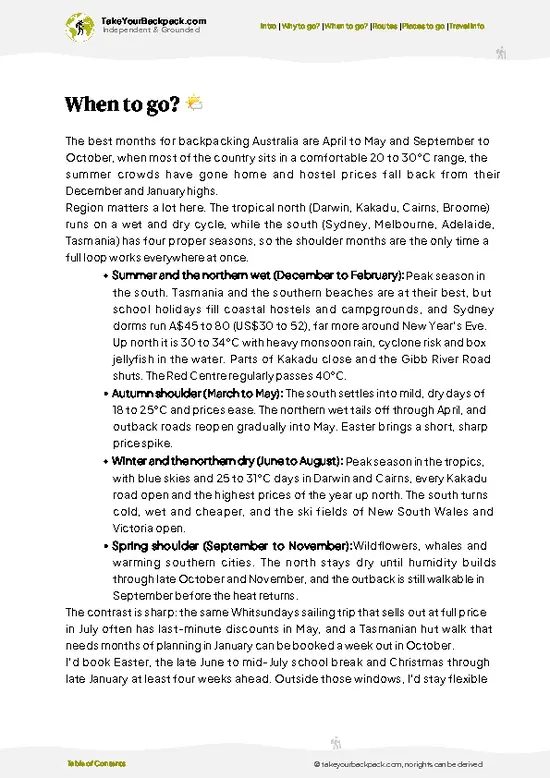
example page 1 from our offline Travel Guide for Australia
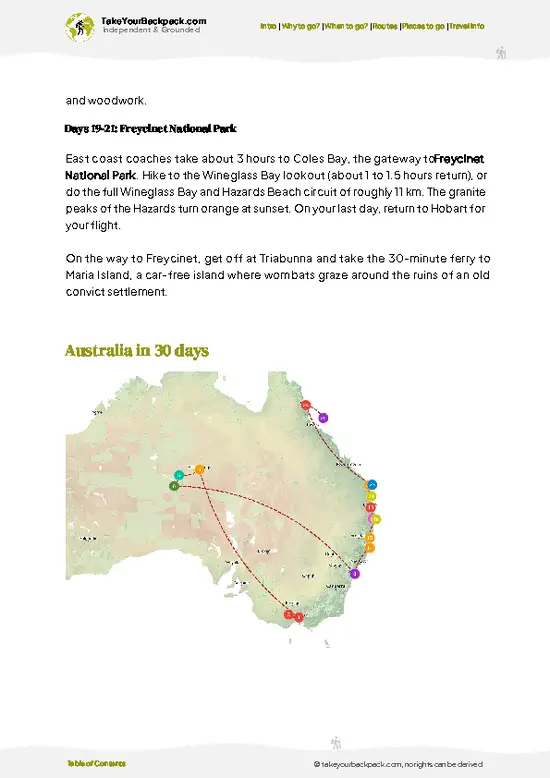
example page 2 from our offline Travel Guide for Australia
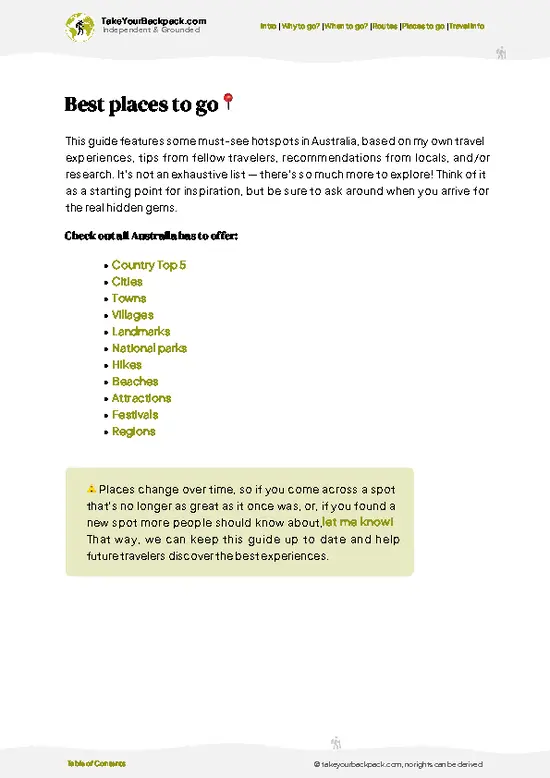
example page 3 from our offline Travel Guide for Australia
example page 4 from our offline Travel Guide for Australia
example page 5 from our offline Travel Guide for Australia
example page 6 from our offline Travel Guide for Australia
example page 7 from our offline Travel Guide for Australia
The digital guide (544 pages) contains:
149 highlights, ranked by travel appeal
Optimized 14, 21 & 30-day travel routes
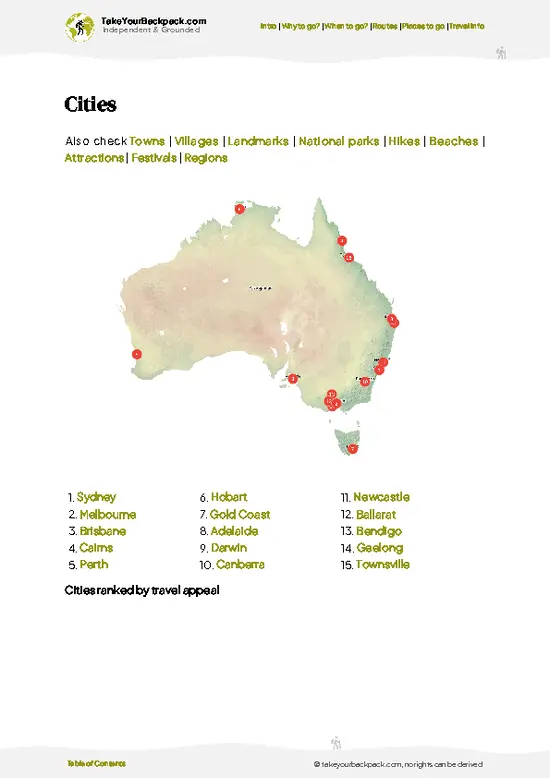
Cities, national parks, landmarks, beaches
How to get around
Offline-friendly for travel without Wi-Fi
👉 Click to see all 30+ guide features

📅 Plan smarter in minutes, not weeks
Month by month travel advice
Festivals & national holidays
Budget expectations

🗺️ Go to the right places, skip the overrated ones
Honest pros & cons of destinations
Top hikes, parks & viewpoints
Lesser-known places most travelers miss
Clear “worth it vs skip it” guidance

🛏️ Travel smoothly without rookie mistakes
Best areas to stay
Transport systems explained simply
Common scams & safety advice
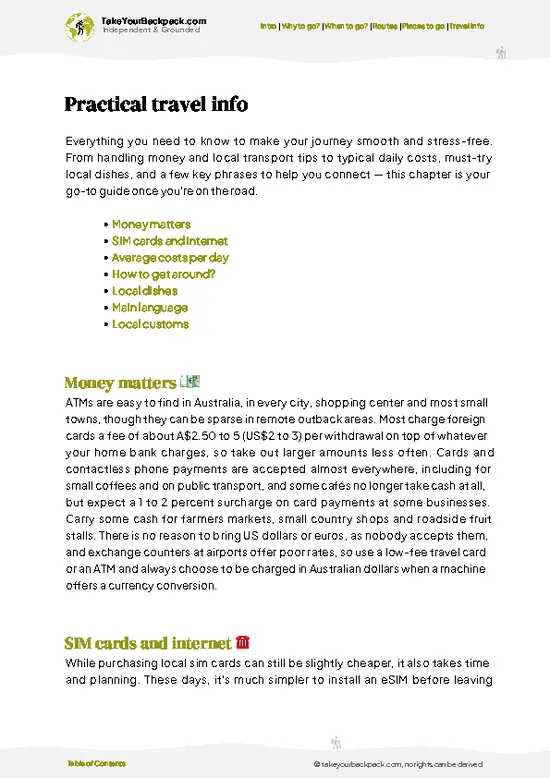
SIM cards, money & practical tips

🌍 Understand the country, not just visit it
Culture & traditions
Local customs
Festivals worth planning around
Traveler-friendly historical context
Insights that make places more meaningful

📱 Built for real travel conditions
Fully downloadable PDF
Works completely offline
Optimized for phone use
Useful in remote areas & buses
Everything in one place
Save weeks of stressful planning
Get instant access to your full guide. 30‑day money-back guarantee.
+ Add another guide for just R$44.25

By proceeding you agree to our terms.
Sent to your inbox immediately after payment • 100% Secure Checkout
Best Backpacking Travel Advisor 2025 tourism awardBest Backpacking
Travel Advisor
2025
What others say about Take Your Backpack Guides:
⭐⭐⭐⭐⭐
Fantastic, amazing amount of information!
⭐⭐⭐⭐⭐
My goodness this is amazing, it's what I've been looking for hats off too you!
⭐⭐⭐⭐⭐
I think this is absolutely BRILLIANT
⭐⭐⭐⭐
Very complete and informative. It's still missing places, but I gotta to commend you
⭐⭐⭐⭐⭐
This is truly amazing, thank you, can't wait to explore it with my kids!
⭐⭐⭐⭐⭐
Awesome resource, thank you!
⭐⭐⭐⭐⭐
This is amazing! Can't wait to explore the ones I haven't seen
⭐⭐⭐⭐
I love this! Well done, great idea.
⭐⭐⭐⭐⭐
Thanks for taking the time to make this gem!
⭐⭐⭐⭐⭐
This might be the best website I've ever seen.
⭐⭐⭐⭐⭐
Congratulations, and thank you so much for your work; it's incredibly valuable.
⭐⭐⭐⭐
In all seriousness I think you did a great job pointing out the important spots
⭐⭐⭐⭐⭐
10/10 very good
⭐⭐⭐⭐⭐
As someone who's only just starting to visit regularly this is awesome, thank you.
⭐⭐⭐⭐
Thank you very much! I'm going to visit my dad, it's going to be very useful!
⭐⭐⭐⭐⭐
This is really cool! We'll be travelling for the first time and this definitely come in handy.
⭐⭐⭐⭐⭐
You are now our minister of culture, congratulations 👨‍💼
⭐⭐⭐⭐⭐
Just wanted to tell you that this is a pearl! Going to follow your recommendations.
⭐⭐⭐⭐⭐
This is so cool. I'll definitely be using the resource for my travels soon.
⭐⭐⭐⭐⭐
This is very impressive! Good work.
⭐⭐⭐⭐⭐
This is an amazing and informative site. Very well done!

🛏️ Where to stay?Best areas and accommodation options

In the Barossa Valley, you’ve got a few standout spots that scream backpacker-friendly.

First up, Tanunda. This town is the heart of the valley, buzzing with wineries and local eateries. It’s safe, and you’ll find plenty of fellow travelers to swap stories with over a glass of Shiraz. The vibe here is relaxed, perfect for unwinding after a day of tasting.

Then there’s Nuriotpa. It’s a bit quieter but has a strong community feel. You can easily hop on a bike and explore the vineyards. Plus, the local markets are a great way to snag some fresh produce and mingle with locals.

Don’t overlook Angaston. … read more 👉
In the Barossa Valley, you’ve got a few standout spots that scream backpacker-friendly.

First up, Tanunda. This town is the heart of the valley, buzzing with wineries and local eateries. It’s safe, and you’ll find plenty of fellow travelers to swap stories with over a glass of Shiraz. The vibe here is relaxed, perfect for unwinding after a day of tasting.

Then there’s Nuriotpa. It’s a bit quieter but has a strong community feel. You can easily hop on a bike and explore the vineyards. Plus, the local markets are a great way to snag some fresh produce and mingle with locals.

Don’t overlook Angaston. It’s charming and offers a mix of history and modern cafes. The walking trails around here are stunning, and you’ll often find impromptu gatherings of backpackers sharing tips.

Each of these towns offers a unique slice of Barossa life, making it easy to connect with others while enjoying the region’s rich culture.

🚌 Getting aroundMoving around without the hassle

The Barossa Valley flows like a fine Shiraz—rich, layered, and full of character. It’s not a place bound by rigid schedules; instead, it invites you to embrace a bit of chaos. Vineyards stretch out like a patchwork quilt, and the air hums with the laughter of locals and the clinking of glasses. Here, spontaneity reigns supreme. You might find yourself lingering at a cellar door, sipping a bold red, and suddenly decide to skip that next winery on your list. This is a region that rewards intuition over itinerary, but you’ll still want to navigate it wisely.


  • Public Bus: The Barossa Valley Connector runs daily, with services typically starting around 9 AM and the last bus at 5 PM. Fares are around AUD 5, making it a budget-friendly option. It’s a slow ride, but you’ll get a taste of the local
read more 👉
The Barossa Valley flows like a fine Shiraz—rich, layered, and full of character. It’s not a place bound by rigid schedules; instead, it invites you to embrace a bit of chaos. Vineyards stretch out like a patchwork quilt, and the air hums with the laughter of locals and the clinking of glasses. Here, spontaneity reigns supreme. You might find yourself lingering at a cellar door, sipping a bold red, and suddenly decide to skip that next winery on your list. This is a region that rewards intuition over itinerary, but you’ll still want to navigate it wisely.


  • Public Bus: The Barossa Valley Connector runs daily, with services typically starting around 9 AM and the last bus at 5 PM. Fares are around AUD 5, making it a budget-friendly option. It’s a slow ride, but you’ll get a taste of the local scenery.


  • Bike Rentals: Rent a bike from one of the local shops for about AUD 30 per day. It’s a fantastic way to explore at your own pace, with the wind in your hair and vineyards at your fingertips. Just be ready for some hills!


  • Rideshare Services: Uber operates in the area, with fares varying based on distance. Expect to pay around AUD 15-30 for a ride between wineries. It’s convenient and allows for a bit of flexibility, especially if you’re hopping between tastings.


  • Car Rentals: Renting a car gives you the ultimate freedom. Prices start at around AUD 60 per day. You can set your own schedule, but be mindful of parking at popular spots during peak times.


For a smooth experience, consider timing your visits to wineries during the week. Weekends can get crowded, and you’ll have a better chance of spontaneous tastings and personal interactions with the staff. Embrace the flow, and let the valley guide you!

🍲 FoodLocal Cuisine & Drinks

In the Barossa Valley, food and drink are a celebration of local flavors. Dive into iconic dishes like Barossa lamb, slow-cooked to perfection, or indulge in a ploughman’s lunch featuring local cheeses and cured meats. Pair these with a glass of Shiraz, the valley’s pride, known for its rich, bold character.

For a true local experience, hit up the Barossa Farmers Market on a Saturday morning. The air is thick with the scent of fresh produce, baked goods, and artisan coffee. Grab a pastry from a stall and mingle with locals—this is where the valley’s heart beats.

When it comes to dining customs, don’t rush. Meals are a leisurely affair here, often stretching into the evening. It’s common to share plates, so don’t hesitate to order a few dishes to pass around. And remember, tipping isn’t … read more 👉
In the Barossa Valley, food and drink are a celebration of local flavors. Dive into iconic dishes like Barossa lamb, slow-cooked to perfection, or indulge in a ploughman’s lunch featuring local cheeses and cured meats. Pair these with a glass of Shiraz, the valley’s pride, known for its rich, bold character.

For a true local experience, hit up the Barossa Farmers Market on a Saturday morning. The air is thick with the scent of fresh produce, baked goods, and artisan coffee. Grab a pastry from a stall and mingle with locals—this is where the valley’s heart beats.

When it comes to dining customs, don’t rush. Meals are a leisurely affair here, often stretching into the evening. It’s common to share plates, so don’t hesitate to order a few dishes to pass around. And remember, tipping isn’t mandatory, but a nod of appreciation for great service goes a long way. Embrace the community vibe, and you’ll feel like a local in no time.

FAQTraveler FAQ

2 to 3 days are sufficient to explore Barossa Valley thoroughly. This allows time to visit multiple wineries, enjoy local food, and explore small towns like Tanunda and Nuriootpa. Weekends in spring or autumn offer pleasant weather for outdoor activities.
Getting around Barossa Valley without a car is possible using local bus services and organized wine tours. The Barossa Shuttle offers hop-on-hop-off service connecting major wineries for around 30 AUD per day. Bicycle rentals are also popular for short distances between nearby vineyards.
Barossa Valley is known for its world-class Shiraz wine production. It is one of Australia's oldest and most prestigious wine regions, producing rich, full-bodied red wines. The valley is also famous for its German heritage and gourmet food scene.
⚠️ Things can change over time, so always validate details locally before you go.

Other Australian regions near Barossa Valley

Explore more nearby:

  • Fleurieu Peninsula—vineyard hills, surf beaches, coastal trails, seaside towns| 111 km away
  • Kangaroo Island—wildlife reserves, rugged coastline, native bush, secluded beaches| 208 km away
  • Eyre Peninsula—sea cliffs, oyster farms, remote beaches, marine wildlife| 244 km away

💡 Not sure where to go next?
Create a personalized itinerary for Australia including Barossa Valley and the places that fit your trip.

Generate my itinerary

👉 Discover all regions

Or checkout all Australia has to offer (think cities, towns, villages, national parks, hikes, beaches, festivals)
Country photo of Australia

We 💚 feedbackWhat to keep in mind

Barossa Valley is a wine lover’s paradise. Sipping a Shiraz straight from the vineyard feels like a secret handshake with the land. But here’s the kicker: it can get pricey, especially if you’re hitting up the top wineries. Plan your tastings wisely and maybe skip a few to savor the experience without breaking the bank. Trust me, that balance makes all the difference.

✈️ When did I visit Australia?
On my trip to New Zealand in 1993, I had a short stop in Australia as well.

✍️ Help improve this page!
The information on this page is based on my own backpacking experience in Australia, supplemented with up-to-date research and feedback from other travelers. Travel details can change, so if you notice anything outdated or incomplete, feel free to let me know.


🙋‍♂️ Give feedback

👋 Meet the founderWho’s Behind Take Your Backpack?

Johan, backpacker and founder of TakeYourBackpackHi, I’m Johan (Netherlands 🇳🇱), the creator of TakeYourBackpack. Over the past decade, I’ve backpacked through 80+ countries across six continents, gaining extensive experience with independent travel, long-term trips, and overland routes.

This site is built on a combination of firsthand travel experience and carefully curated insights from other backpackers. Many guides are based on places I’ve personally visited, while others bring together tips, observations, and practical advice shared by trusted travelers I’ve met along the way.

The goal is to provide realistic, experience-driven guidance — not generic itineraries — so you can explore destinations with better context, clearer expectations, and more confidence.

Get full Australia guide •
Instant download • 149 highlights • Full Offline guide