How many regions to visit: Three or four regions is the number I would advise for a typical trip of three to four weeks, and two for anything under two weeks. The reason is arithmetic. Distances in Australia are large enough that every additional region costs you a full day or two in transit, along with the A$150 to 400 for a domestic flight or the fuel and rental fees for a long drive. Three well-chosen regions let you slow down, settle into the rhythm of a place and have at least one day where nothing goes to plan without it ruining the trip. Five or more means you are collecting airports.
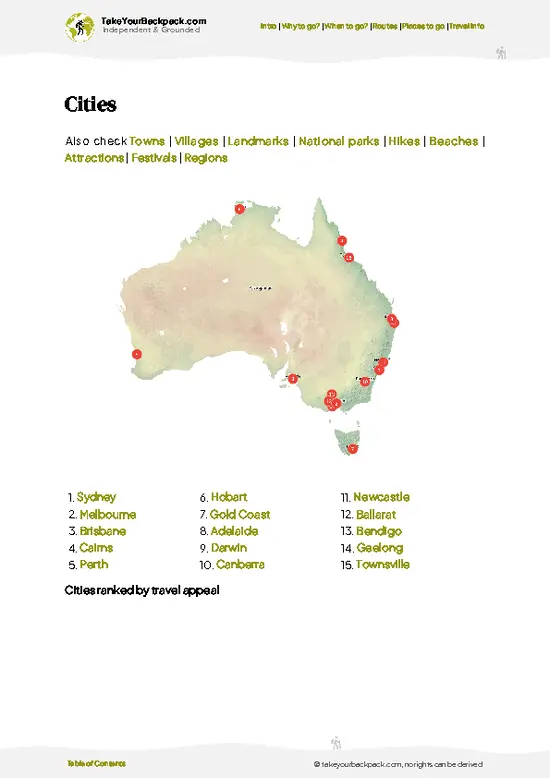
Choosing between kinds of regions: Australia roughly offers four kinds: the
social east coast, the
temperate south, the
tropical north and the
remote interior and west. For first-timers and solo travelers …
read more 👉 How many regions to visit: Three or four regions is the number I would advise for a typical trip of three to four weeks, and two for anything under two weeks. The reason is arithmetic. Distances in Australia are large enough that every additional region costs you a full day or two in transit, along with the A$150 to 400 for a domestic flight or the fuel and rental fees for a long drive. Three well-chosen regions let you slow down, settle into the rhythm of a place and have at least one day where nothing goes to plan without it ruining the trip. Five or more means you are collecting airports.
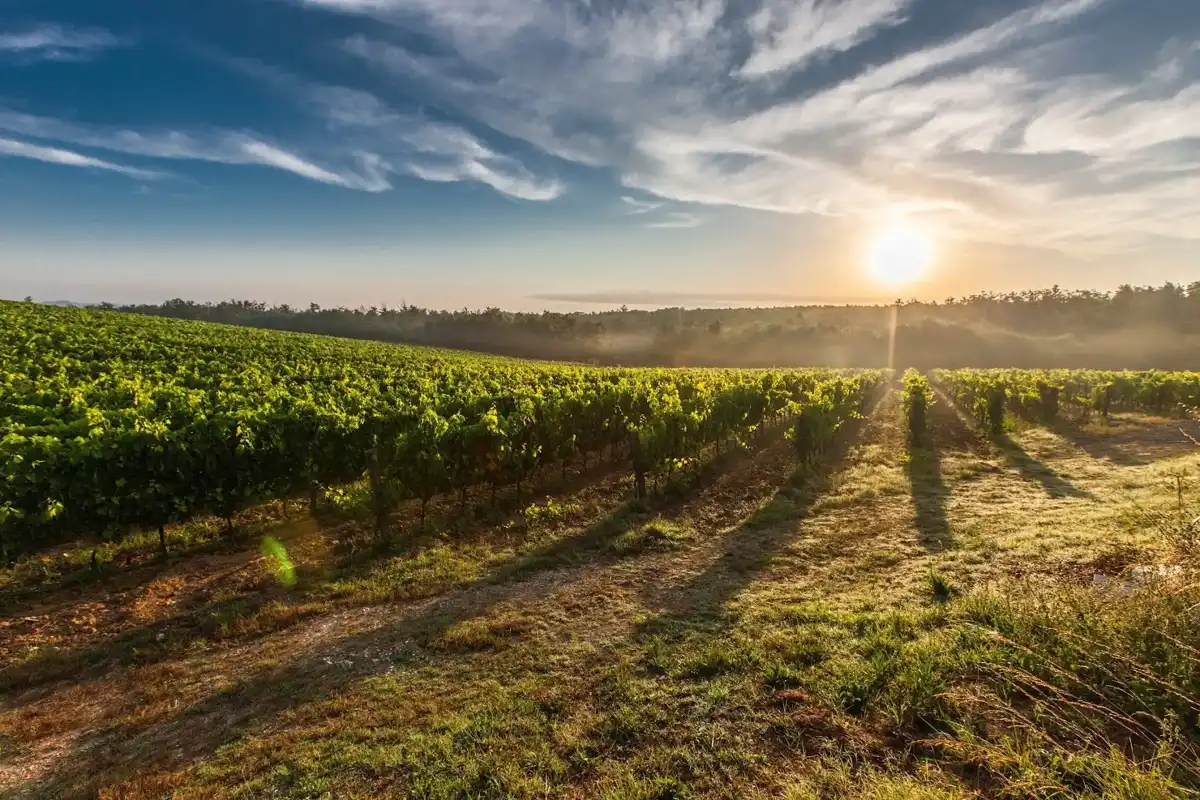
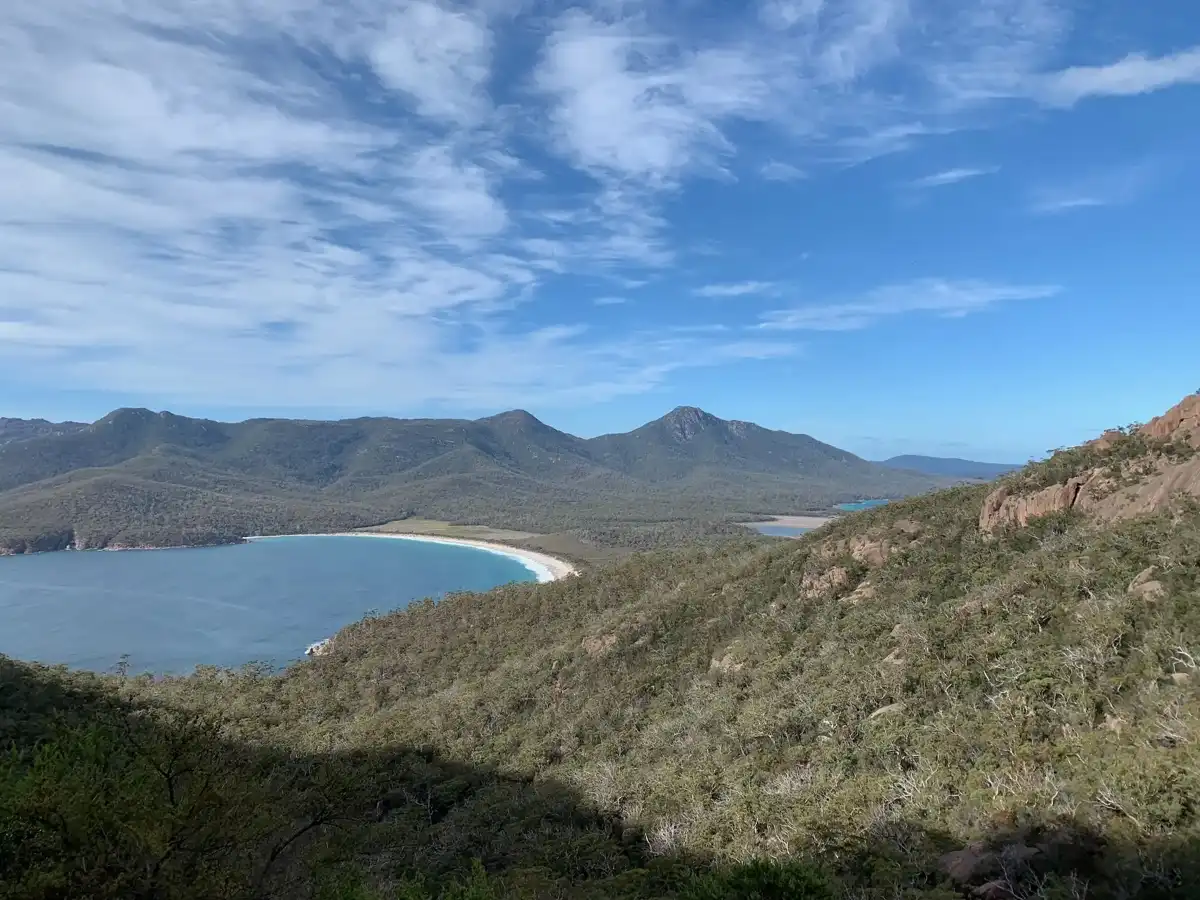
Choosing between kinds of regions: Australia roughly offers four kinds: the social east coast, the temperate south, the tropical north and the remote interior and west. For first-timers and solo travelers who want company and easy logistics, the east coast gives the most for the least effort. Hostels are plentiful, transport is frequent, and you can meet a travel group by lunchtime. It costs more in peak season, and comfort comes at the price of crowds. For travelers who like food, wine, coastal drives and cooler weather, the south gives better value outside school holidays and a calmer pace, but it asks for a car or a patient relationship with regional buses.
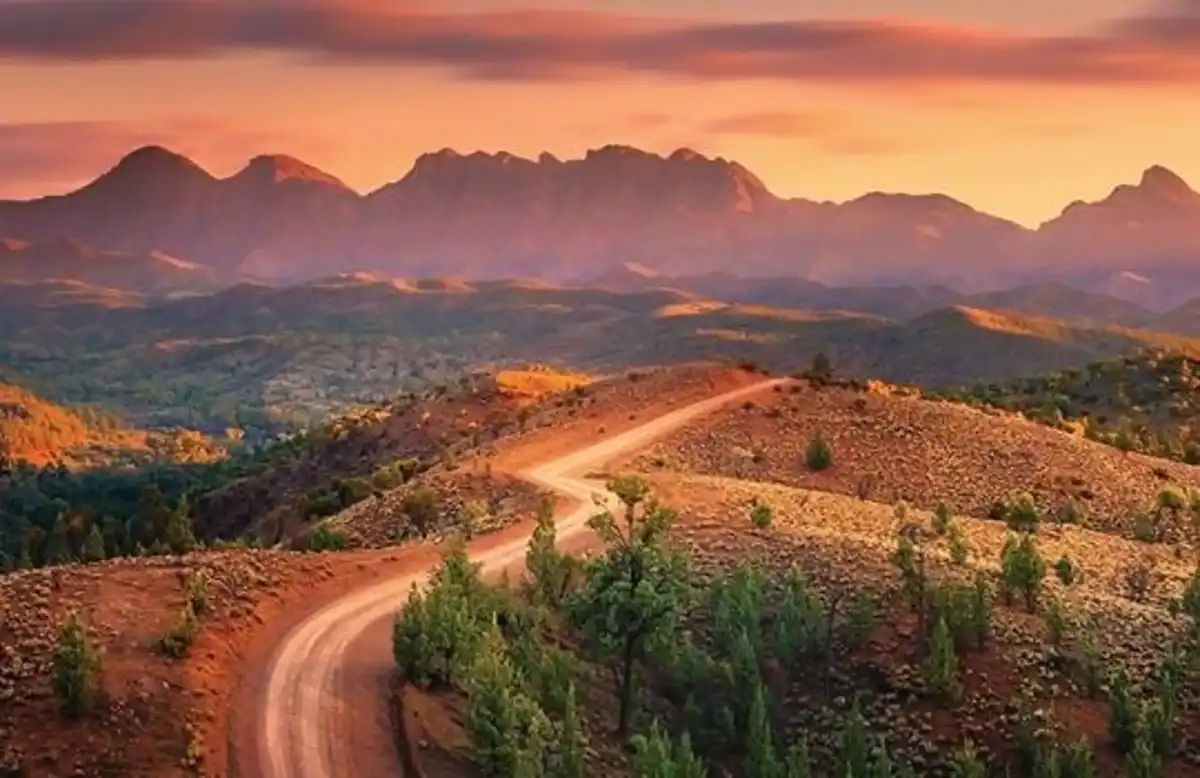
The tropical north suits people who want reef, rainforest and warm water, and it is the most seasonal choice. It gives the best experience in the dry season and a diminished one in the wet, so timing carries real weight. The interior and west reward people with time and a sense of scale. They cost the most per day in transport and tours, and a guided trip often makes more sense than a self-drive, since it covers fuel, permits and local knowledge in one price. For a budget-minded backpacker, the east coast and the south return the most for each dollar, while the interior should be chosen deliberately and not by default.
What it costs: A realistic backpacker budget is A$120 to 200 a day (roughly US$80 to 130) if you use dorms, cook some meals and travel by bus. Dorm beds usually run A$35 to 60, a basic meal out A$18 to 30, and a coffee A$4.50 to 6. Moving up to private rooms, restaurant meals and tours puts you at A$250 to 350 a day. Transport can swing the whole budget. Long-distance buses cost about A$60 to 200 per leg, flights A$100 to 400 with early booking, and a campervan or rental car typically A$50 to 150 a day plus fuel, which is often the cheapest option for two or three people sharing.
Per visit costs matter too. Many national parks charge A$10 to 25 per vehicle per day, and multi-day passes exist in several states. Guided reef trips commonly cost A$150 to 300 for a day, Indigenous-led cultural tours A$80 to 250, and permits for some remote areas a modest extra fee. Spending on a good guide is usually the best use of money in regions where the landscape, the safety and the cultural meaning all require someone who knows them. Skipping that to save A$100 can cost you the best part of the trip.
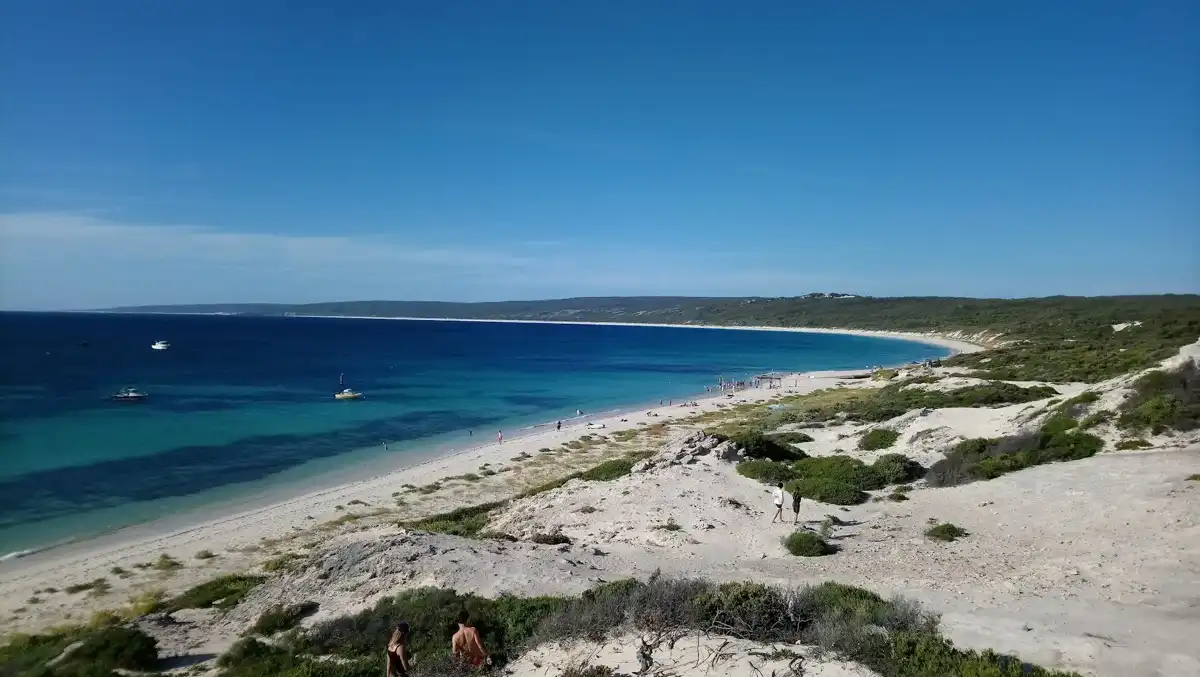
Safety and culture: The main risks are environmental, not human. The sun is intense, with UV ratings above 11 common in summer, so a hat, sunscreen and water matter even on cloudy days. In remote areas, carry at least 4 liters of water per person per day, tell someone your route and do not leave the car if it breaks down. Swim between the flags at patrolled beaches, because rips cause far more trouble than sharks. In the tropical north, obey crocodile signs, and avoid swimming in the sea during stinger season without a stinger suit. Driving is on the left, and dawn and dusk are when kangaroos wander onto roads, so avoid driving then outside towns.
Culturally, treat Aboriginal and Torres Strait Islander land with respect. Some sites are closed to climbing or photography, and signs are there for good reasons, not as suggestions. Ask before photographing people, and choose Indigenous-owned operators when you can. Locals tend to be relaxed and direct, tipping is not expected, and a friendly “g’day” will carry you a long way.
v2.webp)

 Best Backpacking
.jpg) Hi, I’m Johan (Netherlands 🇳🇱), the creator of TakeYourBackpack. Over the past 3 decades, I’ve backpacked through 90+ countries across six continents, gaining extensive experience with independent travel, long-term trips, and overland routes.
Hi, I’m Johan (Netherlands 🇳🇱), the creator of TakeYourBackpack. Over the past 3 decades, I’ve backpacked through 90+ countries across six continents, gaining extensive experience with independent travel, long-term trips, and overland routes.