×

Australia🇦🇺 | national parksGawler Ranges National ParkOrgan Pipes, rhyolite columns, salt lakes, station woolsheds | things to do and best time to go

Explore Flinders Ranges National ParkExplore Grampians National Park

Backpacking in Gawler Ranges
👀 For curious travelersnational park ranked #23
By Johan Kruseman 🇳🇱 | Updated October 15, 2026

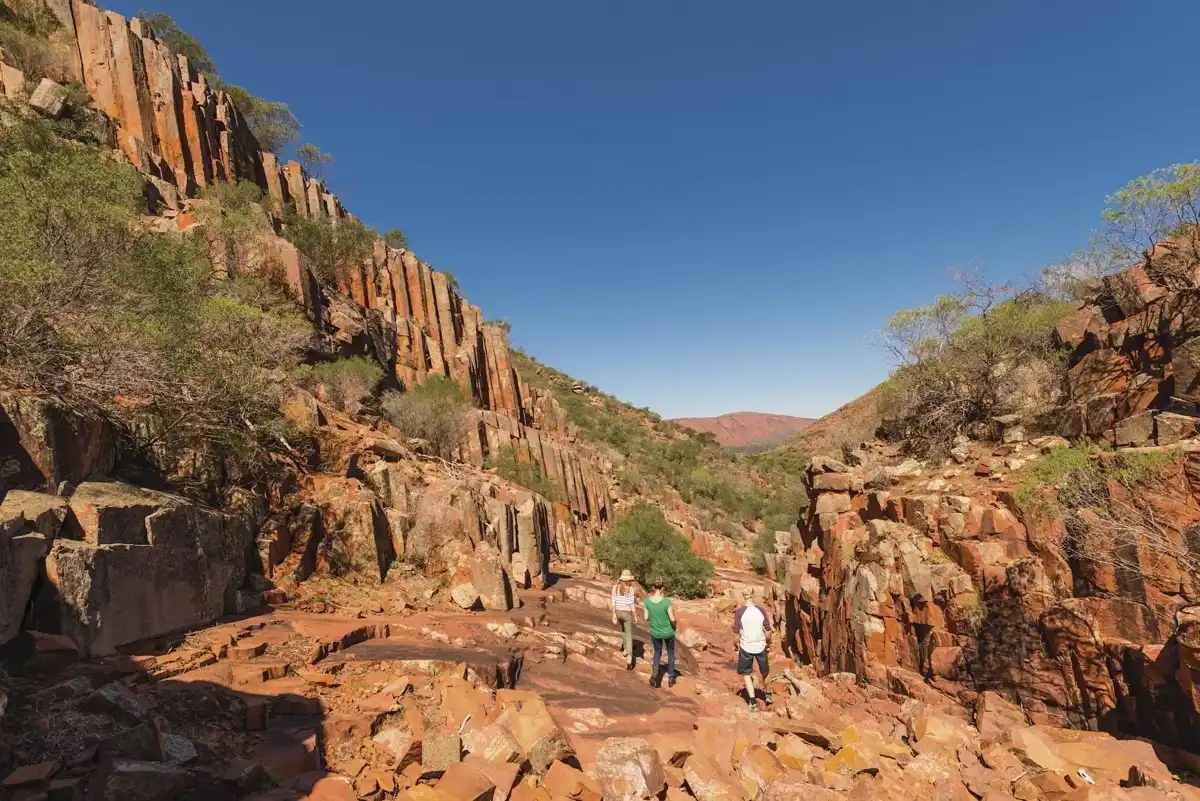
The big decision is whether to bring a proper 4WD or settle for the sealed approach roads, and the answer is that anything beyond the main loop needs high clearance and two spare tires. Gawler Ranges sits in the north of South Australia, on the Eyre Peninsula’s inland edge, in Australia. I expected dull scrub, then stood under hexagonal rhyolite columns at Organ Pipes and heard only wind and a wedge-tailed eagle. Fuel is scarce, so fill up before you leave. The last stretch of track is red gravel and emu footprints.

Discover everything you want to know in the 📖 Australia Travel Guide.


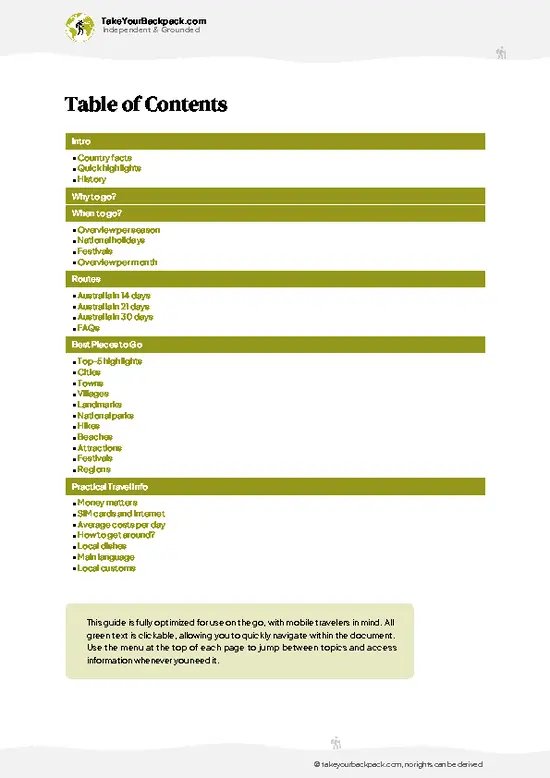
example page 0 from our offline Travel Guide for Australia
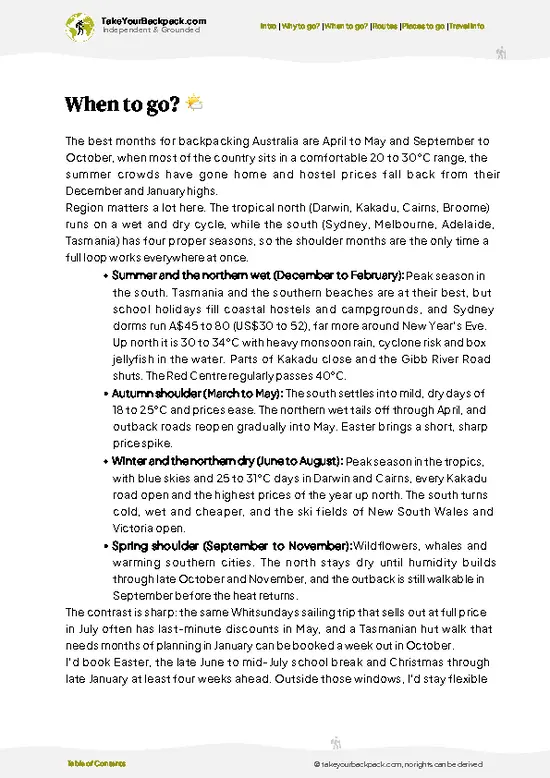
example page 1 from our offline Travel Guide for Australia
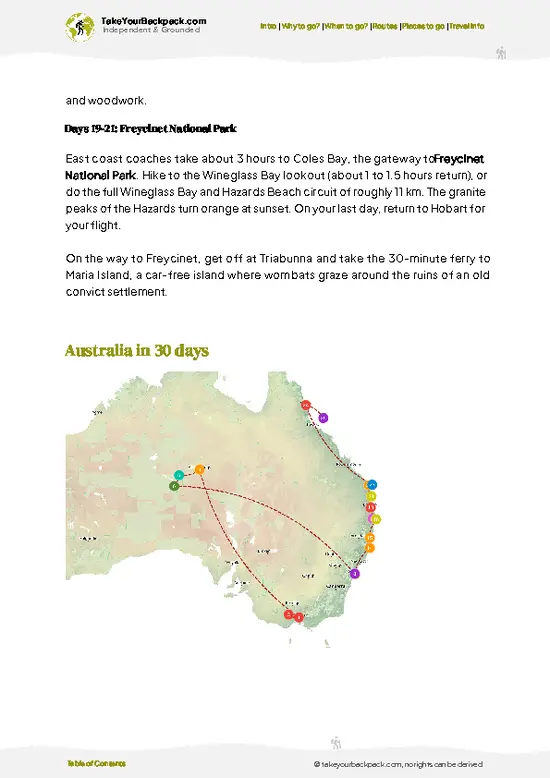
example page 2 from our offline Travel Guide for Australia
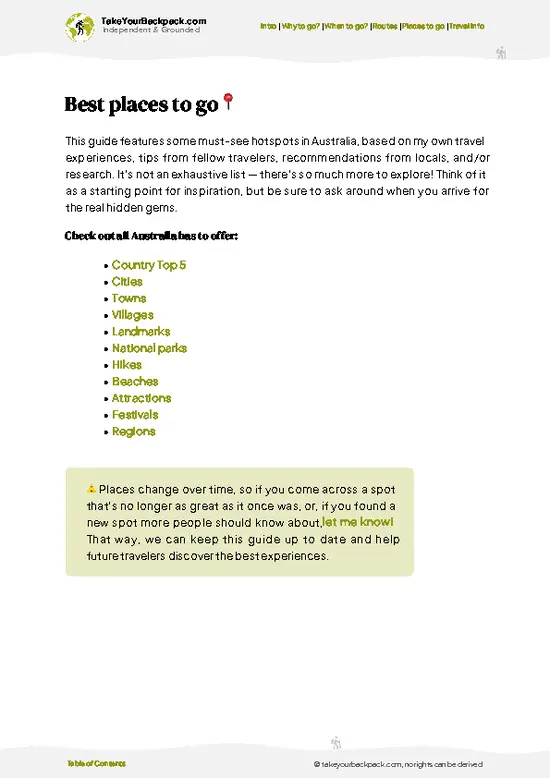
example page 3 from our offline Travel Guide for Australia
example page 4 from our offline Travel Guide for Australia
example page 5 from our offline Travel Guide for Australia
example page 6 from our offline Travel Guide for Australia
example page 7 from our offline Travel Guide for Australia
Loading the map 🌍
CLICK TO FILTER
cities
towns
villages
landmarks
national parks
hikes
beaches
attractions
festivals
regions
SHOW COUNTRY’S BESTSHOW ALL

✨ Why go?
Ranked #23 national park in Australia
What sets this place apart

Backpackers come for self-sufficiency. The park rewards people who carry their own water, fuel and spare tire, since there are no tours doing the work for you. The Organ Pipes and the Kolay Mirica Falls lookouts sit on a loop you can drive and walk at your own pace, with bush camping under huge dark skies. Crowds are almost absent, and you often have a gorge to yourself. Rugged volcanic country suits slow, independent travelers far better than rushed day visitors.

💡 HighlightsWhat this place is best known for

  1. Organ Pipes: A short walk leads to a wall of volcanic rhyolite columns with a dry creek bed below, the park’s signature sight.
  2. Kolay Mirica Falls: Water drops over rock after heavy rain, and the pools and gorge are quiet the rest of the year.
  3. Yardea Homestead area: Old pastoral buildings show the sheep station history that shaped this country.
  4. Paney Homestead and Woolshed: Historic shearing sheds sit among red earth and mallee.
  5. Mount Ive Station views: Wide outback panoramas open over salt lakes and granite hills.
  6. Lake Gairdner viewpoints: The enormous white salt lake shimmers on the northern horizon, and its flat expanse looks like another planet.
  7. Yellow-footed rock-wallaby spotting: Look for these colorful marsupials on rocky slopes near dawn and dusk.
Allow two to three days to cover everything comfortably.
Spotted a mistake or missing something? Contact us.

Things to do near Gawler Ranges National Park

Ratings based on Tripadvisor reviews. When you book through this link, you support our work at no extra cost to you.

🌤️ When to go?Seasonal considerations and timing

  • Winter (June to August): Days reach 15 to 19°C (59 to 66°F), nights drop to 2 to 5°C (36 to 41°F), and daylight runs about 10 hours. This is peak season for walking and 4WD touring.
  • Spring (September to November): Highs of 20 to 28°C (68 to 82°F), with wildflowers in good years.
  • Summer (December to February): 32 to 40°C (90 to 104°F) and sometimes hotter. Many visitors skip it, and some tracks close in fire danger.
  • Autumn (March to May): Highs of 20 to 30°C (68 to 86°F), quiet tracks and lower prices.
Book station stays and campsites early for July school holidays.

source: climatestotravel.comJANJanuary: below average for travelingFEBFebruary: below average for travelingMARMarch: fair for travelingAPRApril: highly recommended for travelingMAYMay: excellent for travelingJUNJune: excellent for travelingJULJuly: excellent for travelingAUGAugust: excellent for travelingSEPSeptember: highly recommended for travelingOCTOctober: good for travelingNOVNovember: fair for travelingDECDecember: below average for traveling

✈️ The backpacker research shortcutAustralia Travel Guide

An offline-friendly backpacking guide with optimized travel routes, ranked highlights, transport advice, and the best areas to stay.
example page 0 from our offline Travel Guide for Australia
example page 1 from our offline Travel Guide for Australia
example page 2 from our offline Travel Guide for Australia
example page 3 from our offline Travel Guide for Australia
example page 4 from our offline Travel Guide for Australia
example page 5 from our offline Travel Guide for Australia
example page 6 from our offline Travel Guide for Australia
example page 7 from our offline Travel Guide for Australia
The digital guide (414 pages) contains:
✅ 143 highlights, ranked by travel appeal
✅ Optimized 14, 21 & 30-day travel routes
✅ Cities, national parks, landmarks, beaches
✅ How to get around
✅ Offline-friendly for travel without Wi-Fi
👉 Click to see all 30+ guide features

📅 Plan smarter in minutes, not weeks
✅ Month by month travel advice
✅ Festivals & national holidays
✅ Budget expectations

🗺️ Go to the right places, skip the overrated ones
✅ Honest pros & cons of destinations
✅ Top hikes, parks & viewpoints
✅ Lesser-known places most travelers miss
✅ Clear “worth it vs skip it” guidance

🛏️ Travel smoothly without rookie mistakes
✅ Best areas to stay
✅ Transport systems explained simply
✅ Common scams & safety advice
✅ SIM cards, money & practical tips

🌍 Understand the country, not just visit it
✅ Culture & traditions
✅ Local customs
✅ Festivals worth planning around
✅ Traveler-friendly historical context
✅ Insights that make places more meaningful

📱 Built for real travel conditions
✅ Fully downloadable PDF
✅ Works completely offline
✅ Optimized for phone use
✅ Useful in remote areas & buses
✅ Everything in one place
Stop searching, start planning
Get instant access to your full guide. 30‑day money-back guarantee.
+ Add another guide for just

By proceeding you agree to our terms.
Sent to your inbox immediately after payment • 100% Secure Checkout
Best Backpacking Travel Advisor 2025 tourism awardBest Backpacking
Travel Advisor
2025
What others say about Take Your Backpack Guides:
⭐⭐⭐⭐⭐
Fantastic, amazing amount of information!
⭐⭐⭐⭐⭐
My goodness this is amazing, it's what I've been looking for hats off too you!
⭐⭐⭐⭐⭐
I think this is absolutely BRILLIANT
⭐⭐⭐⭐
Very complete and informative. It's still missing places, but I gotta to commend you
⭐⭐⭐⭐⭐
This is truly amazing, thank you, can't wait to explore it with my kids!
⭐⭐⭐⭐⭐
Awesome resource, thank you!
⭐⭐⭐⭐⭐
This is amazing! Can't wait to explore the ones I haven't seen
⭐⭐⭐⭐
I love this! Well done, great idea.
⭐⭐⭐⭐⭐
Thanks for taking the time to make this gem!
⭐⭐⭐⭐⭐
This might be the best website I've ever seen.
⭐⭐⭐⭐⭐
Congratulations, and thank you so much for your work; it's incredibly valuable.
⭐⭐⭐⭐
In all seriousness I think you did a great job pointing out the important spots
⭐⭐⭐⭐⭐
10/10 very good
⭐⭐⭐⭐⭐
As someone who's only just starting to visit regularly this is awesome, thank you.
⭐⭐⭐⭐
Thank you very much! I'm going to visit my dad, it's going to be very useful!
⭐⭐⭐⭐⭐
This is really cool! We'll be travelling for the first time and this definitely come in handy.
⭐⭐⭐⭐⭐
You are now our minister of culture, congratulations 👨‍💼
⭐⭐⭐⭐⭐
Just wanted to tell you that this is a pearl! Going to follow your recommendations.
⭐⭐⭐⭐⭐
This is so cool. I'll definitely be using the resource for my travels soon.
⭐⭐⭐⭐⭐
This is very impressive! Good work.
⭐⭐⭐⭐⭐
This is an amazing and informative site. Very well done!

🛏️ Where to stay?Best areas to stay in Australia

The best base is inside the park, at one of its campgrounds. Gawler Ranges National Park has bush camping at Kolay Hut, Mattera, Waganny, Yandinga, Scrubby Peak and Chillunie, with basic facilities, so carry your own water and food. Mt Ive Station, just outside the park, offers simple rooms, shearers’ quarters and powered sites. Outside the park, Wudinna and Kimba suit stocking up. Kimba sits on the Eyre Highway about 2 hours from the park, with motels, a caravan park and a supermarket. Port Augusta and Wudinna are larger options for fuel, groceries and a proper bed before or after the dirt roads.

👛 Costs (as of 15 October 2026)Money, prices, and spending tips

Expect to spend about US$72 to 155 a day at Gawler Ranges if you camp and self-cater, with a vehicle being the main expense. Prices are shown in US dollars (the local currency is the Australian dollar).
CategoryBudget RangeLocal Reality
Park entryUS$7 to 10Per vehicle daily fee, with a pass available for multi-day stays.
AccommodationUS$10 to 55Bush camping is cheapest. Station cabins and shearers’ quarters cost more.
Local transportUS$35 to 55Fuel and 4WD or high-clearance hire, shared among passengers. Fuel is scarce nearby.
Food and suppliesUS$20 to 35Buy groceries in Wudinna, Kimba or Port Augusta, as the park has no shops.
Total Daily BudgetUS$72 to 155Per person, per day, in high season.


source: parks.sa.gov.au
⚠️ Prices can change and everyone travels differently, so take this as a rough guide. Hope it helps you plan your adventure!

🥾 TrailsPlan your hike in Gawler Ranges: routes, terrain, and sights

The hiking here is short and scenic rather than epic, with rocky ground, loose stones and almost no shade.
  • Organ Pipes Walk: About 1 km return, roughly 30 minutes, easy, with a gentle gravel path to the rhyolite columns and a dry creek.
  • Kolay Mirica Falls Walk: Short, easy to moderate, with rocky sections down to the gorge and pools that flow after rain.
  • Scenic loop lookouts: Brief stops along the drive give views across ranges and plains, ideal for photographs and wallaby watching.
Wildlife includes emus, wedge-tailed eagles, red kangaroos and yellow-footed rock-wallabies. Public transport does not … read more 👉
The hiking here is short and scenic rather than epic, with rocky ground, loose stones and almost no shade.
  • Organ Pipes Walk: About 1 km return, roughly 30 minutes, easy, with a gentle gravel path to the rhyolite columns and a dry creek.
  • Kolay Mirica Falls Walk: Short, easy to moderate, with rocky sections down to the gorge and pools that flow after rain.
  • Scenic loop lookouts: Brief stops along the drive give views across ranges and plains, ideal for photographs and wallaby watching.
Wildlife includes emus, wedge-tailed eagles, red kangaroos and yellow-footed rock-wallabies. Public transport does not reach the park, so a high-clearance 4WD is the practical choice, and tracks turn impassable after heavy rain. Crowds are minimal. A park entry fee and camping permit apply, bought online or at the visitor facilities. Carry all water and food.
⚠️ Hiking info can sometimes be outdated or inaccurate. Before you hit the trail, check the latest conditions with locals. If you do spot anything that's off, I'd love to hear from you, so I can update it for fellow travelers.

🛡️ SafetyStaying Safe: What Travelers Should Know

Remoteness is the main issue here. Tracks are unsealed and can turn impassable after rain, and mobile coverage is patchy to absent, so carry a satellite communicator, a spare tire and extra water (at least 4 liters per person daily). Summer heat is severe, so walk early or choose winter. Snakes are active in warm weather, so wear closed boots and watch where you step. Trails such as the Organ Pipes walk are short and well marked. Check road conditions with park rangers before you go.

FAQCommon questions from travelers

Plan on 2 to 3 days to see the main sights. That gives you time for the Organ Pipes walk, the Kolay Mirica Falls area and the scenic drive around Yardea and Paney stations. The drive in from Wudinna or Kimba takes around 2 hours on mostly unsealed road, so a third day makes the journey easier.
Not realistically, because there is no public transport into the park. You need your own vehicle, ideally a high-clearance or 4WD for the unsealed tracks, and fuel up in Wudinna or Kimba beforehand. Rental cars can be picked up in Port Augusta, about 3 to 4 hours from the park, and some tour operators run guided trips.
Yes, a park entry fee applies, usually about A$12 to 16 per vehicle per day, with multi-day passes available. Camping fees are paid separately, typically around A$15 to 30 per site per night. Passes are usually bought online through South Australia’s National Parks booking system before you arrive, since there is no phone signal or staffed entrance.
⚠️ Things can change over time, so always validate details locally before you go.

Other Australian national parks near Gawler Ranges

Explore more nearby:


💡 Not sure where to go next?
Create a personalized itinerary for Australia including Gawler Ranges and the places that fit your trip.

Generate my itinerary

👉 Discover all national parks

Or checkout all Australia has to offer (think cities, towns, villages, national parks, hikes, beaches, festivals)
Country photo of Australia

We 💚 feedbackParting advice and final tips

This place suits self-reliant drivers and campers who like silence, geology and rare wildlife over facilities. I would bring extra water, a second spare tire and patience for gravel, and skip it if you want cafes.

✈️ When did I visit Australia?
On my trip to New Zealand in 1993, I had a short stop in Australia as well.

✍️ Help improve this page!
The information on this page is based on my own backpacking experience in Australia, supplemented with up-to-date research and feedback from other travelers. Travel details can change, so if you notice anything outdated or incomplete, feel free to let me know.


🙋‍♂️ Give feedback

👋 Meet the founderWho’s Behind Take Your Backpack?

Johan, backpacker and founder of TakeYourBackpackHi, I’m Johan (Netherlands 🇳🇱), the creator of TakeYourBackpack. Over the past 3 decades, I’ve backpacked through 90+ countries across six continents, gaining extensive experience with independent travel, long-term trips, and overland routes.

This site is built on a combination of firsthand travel experience and carefully curated insights from other backpackers. Many guides are based on places I’ve personally visited, while others bring together tips, observations, and practical advice shared by trusted travelers I’ve met along the way.

The goal is to provide realistic, experience-driven guidance — not generic itineraries — so you can explore destinations with better context, clearer expectations, and more confidence.