×
Melbourne

Australia🇦🇺 | citiesMelbourneLaneway murals, tram network, multicultural food, live music venues | things to do and best time to go

Explore HobartExplore Perth

Backpacking in Melbourne
🏆 Top pickcity ranked #2
By Johan Kruseman 🇳🇱 | Updated September 4, 2026

Melbourne is not for the backpacker who wants instant beaches, dirt-cheap everything, and a postcard skyline in every direction. It’s a slow-burn city, and that’s exactly why it pays off. Down in southeastern Australia on Port Phillip Bay, Melbourne rewards people who like to treat a city like a puzzle: laneway bars hidden behind unmarked doors, tram routes that double as sightseeing, and whole afternoons lost in Fitzroy’s secondhand shops. It’s pricier than Adelaide and less in-your-face than Sydney, but hostel kitchens are full, pub trivia nights are social, and the free CBD tram plus walkable core keep transport costs sane. You trade beach time for museums, coffee, live music, and sport at the MCG. It’s safe, a bit moody with the weather, and feels more like Europe’s cool cousin than a classic Aussie surf town—which, for a lot of backpackers, is the whole point.

Discover everything you want to know in the 📖 Australia Travel Guide.
Loading the map 🌍
CLICK TO FILTER
cities
towns
villages
landmarks
national parks
hikes
beaches
attractions
festivals
regions
SHOW COUNTRY’S BESTSHOW ALL

✨ Why go?
Ranked #2 city in Australia
Why Melbourne should be on your travel list

Melbourne is a backpacker’s dream for several reasons. First, its basecamp value is hard to beat. You can easily launch day trips to the Great Ocean Road or the Yarra Valley without the hassle of lugging your gear around. The city itself is a food lover’s paradise; from hole-in-the-wall cafes to bustling markets, you’ll find affordable eats that won’t break the bank.

The walkability of Melbourne is another major plus. You can stroll through its vibrant laneways, soaking in street art and local culture, all while keeping your budget in check. When the sun sets, the nightlife kicks in, offering everything from laid-back bars to lively clubs, making it easy to meet fellow travelers.

Hostels here are well-rated and often located in the heart of the action, providing a great way to connect … read more 👉
Melbourne is a backpacker’s dream for several reasons. First, its basecamp value is hard to beat. You can easily launch day trips to the Great Ocean Road or the Yarra Valley without the hassle of lugging your gear around. The city itself is a food lover’s paradise; from hole-in-the-wall cafes to bustling markets, you’ll find affordable eats that won’t break the bank.

The walkability of Melbourne is another major plus. You can stroll through its vibrant laneways, soaking in street art and local culture, all while keeping your budget in check. When the sun sets, the nightlife kicks in, offering everything from laid-back bars to lively clubs, making it easy to meet fellow travelers.

Hostels here are well-rated and often located in the heart of the action, providing a great way to connect with others. Plus, the city’s transport links make onward travel a breeze, whether you’re heading to Sydney or the outback.

If you’re looking for a city that balances highlights with a laid-back vibe, Melbourne is worth more than just a quick stop.
Want to include Melbourne in your Australia route?
Create a personalized Australia itinerary that includes Melbourne and the places that fit your trip — based on your travel style, budget, and available time. Get your route in seconds.

Generate my trip

💡 HighlightsPlaces and moments you shouldn't skip

  1. Flinders Street Station — The city’s unofficial front door: an ornate turn-of-the-century station with its iconic yellow façade and great people-watching on the steps. Pop inside for the tiled concourse and feel the pulse of commuter Melbourne.
  2. Federation Square — A deliberately weird public plaza that actually works: home to ACMI (screen culture), the Ian Potter Centre and the Koorie Heritage Trust, so you get contemporary art, film and First Nations culture all in one easy-to-reach spot.
  3. Melbourne laneways (Hosier Lane, Degraves Street, Centre Place) — Tiny alleys full of street art, hole-in-the-wall cafés and indie bars. Walking them is the best way to experience Melbourne’s gritty creative energy up close.
  4. Queen Victoria Market — A historic, working market where you can eat cheap,
read more 👉
  1. Flinders Street Station — The city’s unofficial front door: an ornate turn-of-the-century station with its iconic yellow façade and great people-watching on the steps. Pop inside for the tiled concourse and feel the pulse of commuter Melbourne.
  2. Federation Square — A deliberately weird public plaza that actually works: home to ACMI (screen culture), the Ian Potter Centre and the Koorie Heritage Trust, so you get contemporary art, film and First Nations culture all in one easy-to-reach spot.
  3. Melbourne laneways (Hosier Lane, Degraves Street, Centre Place) — Tiny alleys full of street art, hole-in-the-wall cafés and indie bars. Walking them is the best way to experience Melbourne’s gritty creative energy up close.
  4. Queen Victoria Market — A historic, working market where you can eat cheap, buy fresh produce, shop for souvenirs and soak in local life. Weekend traders and the night market season add extra buzz.
  5. Royal Exhibition Building & Carlton Gardens — A UNESCO-listed jewel from Melbourne’s boom era; the grand interior and surrounding gardens are a living piece of the city’s 19th-century ambitions and still host fairs and events.
  6. Royal Botanic Gardens — A peaceful, beautifully curated green space on the edge of the CBD. Great for a picnic, walks among mature trees, and a humbling contrast to Melbourne’s concrete streets.
  7. National Gallery of Victoria (NGV International) — Australia’s oldest public art museum with a huge permanent collection and rotating shows. It’s free for the permanent collection and gives a real sense of the city’s cultural priorities.
  8. Melbourne Cricket Ground (MCG) & National Sports Museum — More than a stadium: a pilgrimage site for sports fans. Take a tour to learn about Aussie Rules, cricket history and why the place feels like a cathedral on game day.
  9. Shrine of Remembrance — A powerful WWI memorial with moving displays and a short climb to a rooftop vantage point that frames the city skyline and the ceremonial avenue through the Domain.
  10. Block Arcade — A beautifully preserved Victorian shopping arcade with mosaic floors, glass canopy and boutique chocolatiers and hat shops; small and elegant, it speaks to Melbourne’s love of design and old-school charm.
A few great day trips just outside the city: Phillip Island for the penguin parade, the Yarra Valley for wineries, and the Dandenong Ranges (including Puffing Billy) for forest walks and scenic views.
Spotted a mistake or missing something? Contact us.

Things to do in Melbourne

Ratings based on Tripadvisor reviews. When you book through this link, you support our work at no extra cost to you.

🏘️ NeighborhoodsHow different areas shape the experience

Melbourne is a city of neighborhoods, each with its own character and offerings. Here’s a breakdown to help you navigate your choices.

Fitzroy: This is the hipster heart of Melbourne. Expect street art, quirky cafes, and vintage shops. It’s walkable, with a vibrant nightlife that keeps the energy high. Prices can be on the higher side, but the atmosphere is worth it. Ideal for longer stays if you want to soak in the local culture.

St Kilda: Known for its beach and relaxed vibe, St Kilda offers a mix of tranquility and fun. The cost is moderate, and it’s perfect for those who enjoy a quieter scene with occasional nightlife. The beach is a major draw, making it suitable for both short and longer visits, especially in summer.

Southbank: This area is all about the riverfront and high-end dining. … read more 👉
Melbourne is a city of neighborhoods, each with its own character and offerings. Here’s a breakdown to help you navigate your choices.

Fitzroy: This is the hipster heart of Melbourne. Expect street art, quirky cafes, and vintage shops. It’s walkable, with a vibrant nightlife that keeps the energy high. Prices can be on the higher side, but the atmosphere is worth it. Ideal for longer stays if you want to soak in the local culture.

St Kilda: Known for its beach and relaxed vibe, St Kilda offers a mix of tranquility and fun. The cost is moderate, and it’s perfect for those who enjoy a quieter scene with occasional nightlife. The beach is a major draw, making it suitable for both short and longer visits, especially in summer.

Southbank: This area is all about the riverfront and high-end dining. It’s pricier, but you’re paying for views and convenience. Excellent transport links make it easy to explore the rest of the city. Great for short stays if you want to indulge in a bit of luxury without straying far from the action.

CBD (Central Business District): The bustling heart of Melbourne, the CBD is packed with shops, restaurants, and cultural sites. It’s walkable and well-connected by trams. Costs vary, but you can find budget options if you look. Perfect for short stays, as everything is at your fingertips.

Collingwood: A blend of old and new, Collingwood is emerging as a trendy spot. It’s affordable and has a laid-back vibe. While nightlife is present, it’s not overwhelming. Good for longer stays if you want to experience a more local side of Melbourne.

⌛️ 1 dayHow to make the most of one day

Melbourne is a city that thrives on its eclectic mix of culture, coffee, and creativity. It’s a place where street art tells stories, laneways pulse with life, and the food scene is as diverse as its neighborhoods. You can easily spend a week here, but let’s focus on crafting a memorable day.

Start your morning in the vibrant laneways of the CBD. Grab a flat white at Brother Baba Budan, a cozy café known for its artisanal brews. The aroma of freshly ground coffee fills the air, and the quirky decor sets the tone for the day. After your caffeine fix, stroll over to Hosier Lane, where the walls are alive with colorful street art. Snap a few photos; this is Melbourne’s canvas, and it’s a perfect introduction to the city’s creative spirit.

As the clock ticks toward noon, make your way to Fitzroy, … read more 👉
Melbourne is a city that thrives on its eclectic mix of culture, coffee, and creativity. It’s a place where street art tells stories, laneways pulse with life, and the food scene is as diverse as its neighborhoods. You can easily spend a week here, but let’s focus on crafting a memorable day.

Start your morning in the vibrant laneways of the CBD. Grab a flat white at Brother Baba Budan, a cozy café known for its artisanal brews. The aroma of freshly ground coffee fills the air, and the quirky decor sets the tone for the day. After your caffeine fix, stroll over to Hosier Lane, where the walls are alive with colorful street art. Snap a few photos; this is Melbourne’s canvas, and it’s a perfect introduction to the city’s creative spirit.

As the clock ticks toward noon, make your way to Fitzroy, a neighborhood that feels like a hipster haven. Explore the quirky shops along Brunswick Street, and don’t miss Smith Street for some unique vintage finds. For lunch, dive into Naked for Satan, where you can savor delicious pintxos on the rooftop while soaking in views of the city skyline.

In the afternoon, head to Royal Botanic Gardens. It’s a serene escape from the urban hustle, perfect for a leisurely walk or a quiet moment by the lake. If you’re feeling adventurous, wander over to the lesser-known Yarra Bend Park, where you might spot some local wildlife and enjoy a peaceful picnic.

As evening approaches, return to the CBD and treat yourself to dinner at Chin Chin, a buzzing spot serving modern Thai cuisine. The energy is infectious, and the flavors will leave you craving more. After dinner, cap off your day with a stroll along the Yarra River, where the city lights reflect on the water, creating a magical atmosphere.

This day in Melbourne is a blend of iconic sights and hidden treasures, offering a taste of what makes this city so special. Embrace the rhythm, and let the city unfold its stories to you.
Turn your Melbourne visit into an Australia adventure
Build a complete Australia route with Melbourne, hidden gems, must-see destinations, and realistic travel times included.

Generate my trip

🌤️ When to go?Weather, crowds, and seasonal trade-offs


  • Weather: Melbourne’s weather is famously unpredictable, but generally, late spring (October to November) and early autumn (March to April) offer the most stable conditions. Expect mild temperatures and less rain, avoiding the extremes of summer heat and winter chill.

  • Temperature: Spring and autumn see comfortable highs around 20-25°C (68-77°F) and lows rarely dipping below 10°C (50°F). Summer can spike to 30-35°C (86-95°F), which might drain your energy on long walks, while winter drops to 6-14°C (43-57°F), requiring warmer gear.

  • Daylight Hours: In summer, daylight stretches to about 14-15 hours, perfect for squeezing in extra sightseeing. Winter cuts this to around 9-10 hours, limiting your outdoor time but offering cozy indoor options.

  • Crowds: Peak tourist season is December to
read more 👉

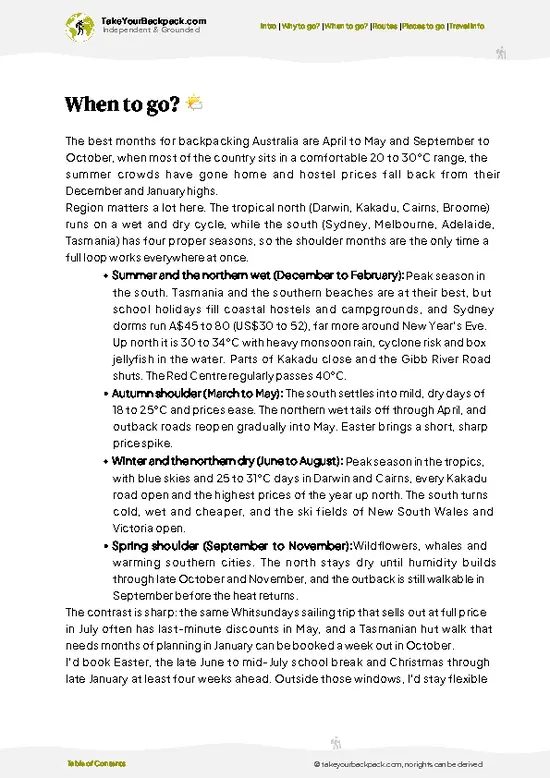
  • Weather: Melbourne’s weather is famously unpredictable, but generally, late spring (October to November) and early autumn (March to April) offer the most stable conditions. Expect mild temperatures and less rain, avoiding the extremes of summer heat and winter chill.

  • Temperature: Spring and autumn see comfortable highs around 20-25°C (68-77°F) and lows rarely dipping below 10°C (50°F). Summer can spike to 30-35°C (86-95°F), which might drain your energy on long walks, while winter drops to 6-14°C (43-57°F), requiring warmer gear.

  • Daylight Hours: In summer, daylight stretches to about 14-15 hours, perfect for squeezing in extra sightseeing. Winter cuts this to around 9-10 hours, limiting your outdoor time but offering cozy indoor options.

  • Crowds: Peak tourist season is December to February, when the city buzzes with festivals and beachgoers, but prices and crowds spike. Shoulder seasons (spring and autumn) balance fewer tourists with lively events, giving you space and atmosphere.

  • Seasonal Activities: Summer hosts major events like the Australian Open and vibrant outdoor markets. Autumn brings wine harvest festivals and quieter parks. Winter’s cultural scene heats up with theater and galleries, while spring bursts with blooming gardens and street art tours.

  • Price Fluctuations: Accommodation and flights peak in summer and during major events, often doubling in cost. Shoulder seasons offer better deals without sacrificing experience quality, making them the smartest choice for budget-conscious backpackers.


Pro-tip: Aim for spring or autumn to hack Melbourne’s timing game—enjoy mild weather, manageable crowds, and wallet-friendly prices all at once.


source: climatestotravel.comJANJanuary: good for travelingFEBFebruary: good for travelingMARMarch: highly recommended for travelingAPRApril: highly recommended for travelingMAYMay: fair for travelingJUNJune: fair for travelingJULJuly: fair for travelingAUGAugust: fair for travelingSEPSeptember: good for travelingOCTOctober: excellent for travelingNOVNovember: excellent for travelingDECDecember: good for traveling
Australia - Melbourne

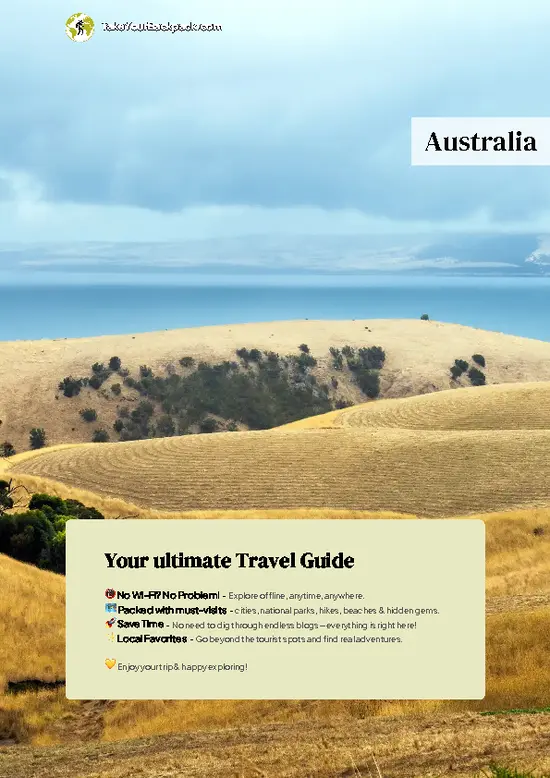
✈️ The backpacker research shortcutAustralia Travel Guide

An offline-friendly backpacking guide with optimized travel routes, ranked highlights, transport advice, and the best areas to stay.
example page 0 from our offline Travel Guide for Australia
example page 1 from our offline Travel Guide for Australia
example page 2 from our offline Travel Guide for Australia
example page 3 from our offline Travel Guide for Australia
example page 4 from our offline Travel Guide for Australia
example page 5 from our offline Travel Guide for Australia
example page 6 from our offline Travel Guide for Australia
example page 7 from our offline Travel Guide for Australia
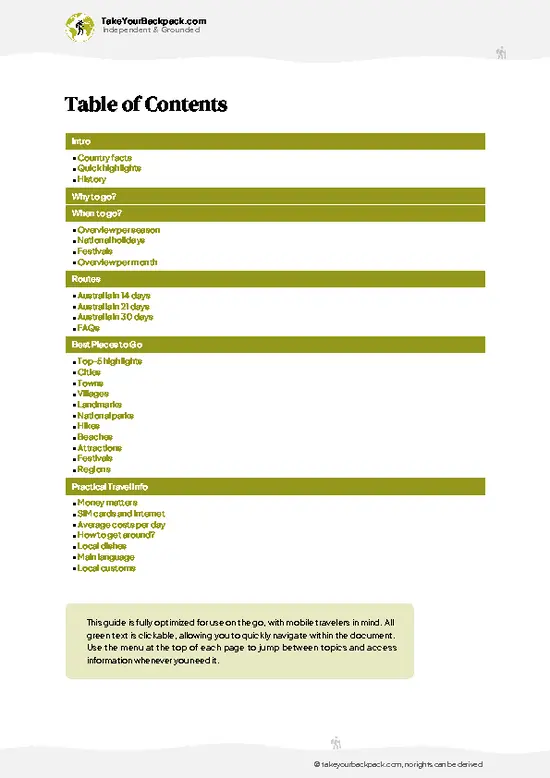
The digital guide (544 pages) contains:
149 highlights, ranked by travel appeal
Optimized 14, 21 & 30-day travel routes
Cities, national parks, landmarks, beaches
How to get around
Offline-friendly for travel without Wi-Fi
👉 Click to see all 30+ guide features

📅 Plan smarter in minutes, not weeks
Month by month travel advice
Festivals & national holidays
Budget expectations

🗺️ Go to the right places, skip the overrated ones
Honest pros & cons of destinations
Top hikes, parks & viewpoints
Lesser-known places most travelers miss
Clear “worth it vs skip it” guidance

🛏️ Travel smoothly without rookie mistakes
Best areas to stay
Transport systems explained simply
Common scams & safety advice
SIM cards, money & practical tips

🌍 Understand the country, not just visit it
Culture & traditions
Local customs
Festivals worth planning around
Traveler-friendly historical context
Insights that make places more meaningful

📱 Built for real travel conditions
Fully downloadable PDF
Works completely offline
Optimized for phone use
Useful in remote areas & buses
Everything in one place
Save weeks of stressful planning
Get instant access to your full guide. 30‑day money-back guarantee.
+ Add another guide for just US$7.80

By proceeding you agree to our terms.
Sent to your inbox immediately after payment • 100% Secure Checkout
Best Backpacking Travel Advisor 2025 tourism awardBest Backpacking
Travel Advisor
2025
What others say about Take Your Backpack Guides:
⭐⭐⭐⭐⭐
Fantastic, amazing amount of information!
⭐⭐⭐⭐⭐
My goodness this is amazing, it's what I've been looking for hats off too you!
⭐⭐⭐⭐⭐
I think this is absolutely BRILLIANT
⭐⭐⭐⭐
Very complete and informative. It's still missing places, but I gotta to commend you
⭐⭐⭐⭐⭐
This is truly amazing, thank you, can't wait to explore it with my kids!
⭐⭐⭐⭐⭐
Awesome resource, thank you!
⭐⭐⭐⭐⭐
This is amazing! Can't wait to explore the ones I haven't seen
⭐⭐⭐⭐
I love this! Well done, great idea.
⭐⭐⭐⭐⭐
Thanks for taking the time to make this gem!
⭐⭐⭐⭐⭐
This might be the best website I've ever seen.
⭐⭐⭐⭐⭐
Congratulations, and thank you so much for your work; it's incredibly valuable.
⭐⭐⭐⭐
In all seriousness I think you did a great job pointing out the important spots
⭐⭐⭐⭐⭐
10/10 very good
⭐⭐⭐⭐⭐
As someone who's only just starting to visit regularly this is awesome, thank you.
⭐⭐⭐⭐
Thank you very much! I'm going to visit my dad, it's going to be very useful!
⭐⭐⭐⭐⭐
This is really cool! We'll be travelling for the first time and this definitely come in handy.
⭐⭐⭐⭐⭐
You are now our minister of culture, congratulations 👨‍💼
⭐⭐⭐⭐⭐
Just wanted to tell you that this is a pearl! Going to follow your recommendations.
⭐⭐⭐⭐⭐
This is so cool. I'll definitely be using the resource for my travels soon.
⭐⭐⭐⭐⭐
This is very impressive! Good work.
⭐⭐⭐⭐⭐
This is an amazing and informative site. Very well done!

🛏️ Where to stay?Choosing the right base

Melbourne’s backpacker scene gravitates toward a few key neighborhoods where safety, social buzz, and budget-friendly options intersect. The central business district (CBD) is the obvious starting point. It’s a no-brainer for first-timers who want to be in the thick of it—public transport hubs, cheap eats, and a dense cluster of hostels. The trade-off here is comfort: you’re often sharing dorm rooms and dealing with city noise, but the payoff is unbeatable convenience and nonstop social energy.

Just north of the CBD, Fitzroy offers a different flavor. It’s a bit more laid-back, artsy, and packed … read more 👉
Melbourne’s backpacker scene gravitates toward a few key neighborhoods where safety, social buzz, and budget-friendly options intersect. The central business district (CBD) is the obvious starting point. It’s a no-brainer for first-timers who want to be in the thick of it—public transport hubs, cheap eats, and a dense cluster of hostels. The trade-off here is comfort: you’re often sharing dorm rooms and dealing with city noise, but the payoff is unbeatable convenience and nonstop social energy.

Just north of the CBD, Fitzroy offers a different flavor. It’s a bit more laid-back, artsy, and packed with quirky cafes and vintage shops. Hostels here tend to attract a crowd that’s into culture and nightlife without the tourist crush. You’ll sacrifice some of the immediate transit ease of the CBD, but gain a neighborhood vibe that feels more local and less transient.

St Kilda, south of the city, is another hotspot for backpackers who want beach access alongside their social scene. It’s safe and lively, with hostels that cater to solo travelers looking to mix beach days with bar nights. The trade-off here is time—getting into the city center takes longer, but you’re rewarded with a coastal atmosphere that’s rare in a major city.

Each area offers a distinct balance of time, money, and comfort. Your choice boils down to whether you prioritize being in the city’s heart, soaking up local culture, or blending beach life with your backpacking adventure.

🚌 Getting aroundGetting around like a local

Melbourne moves with a curious rhythm—part clockwork precision, part laid-back improvisation. Trams glide along their tracks with reliable regularity, but the city’s pulse also thrives in the gaps: the moments when you decide to stroll a few blocks instead of waiting for the next ride, or when you hop on a bus that might take a scenic detour through a leafy suburb. It’s a place where schedules matter, but your choices shape the experience. Understanding the trade-offs between time, money, and comfort here is like cracking a code that turns everyday travel into a strategic win.


  • Tram: The backbone of Melbourne’s transit, trams run from around 5 AM to midnight, with some night services on weekends. The iconic free City Circle Tram loops through the CBD, perfect for budget travelers wanting
read more 👉
Melbourne moves with a curious rhythm—part clockwork precision, part laid-back improvisation. Trams glide along their tracks with reliable regularity, but the city’s pulse also thrives in the gaps: the moments when you decide to stroll a few blocks instead of waiting for the next ride, or when you hop on a bus that might take a scenic detour through a leafy suburb. It’s a place where schedules matter, but your choices shape the experience. Understanding the trade-offs between time, money, and comfort here is like cracking a code that turns everyday travel into a strategic win.


  • Tram: The backbone of Melbourne’s transit, trams run from around 5 AM to midnight, with some night services on weekends. The iconic free City Circle Tram loops through the CBD, perfect for budget travelers wanting a quick, no-cost spin past major landmarks. Regular tram fares are about AUD 4.60 for a 2-hour ticket, offering a balance of speed and comfort—though peak hours can get cramped.


  • Train: Trains cover greater distances faster, connecting the city center to outer suburbs. Services typically start around 4:30 AM and wind down by midnight. A single trip within the city zone costs roughly AUD 4.60, but trains offer more seating and less stop-and-go than trams, making them a solid choice if you’re heading further out or want to avoid street traffic.


  • Bus: Buses fill in the gaps where trams and trains don’t reach, but they’re the slowest option due to traffic and frequent stops. They run from early morning until about midnight, with fares matching trams and trains. Buses are less comfortable—think standing room and occasional delays—but they’re essential for budget travelers aiming for neighborhoods off the main transit lines.


  • Walking: Melbourne’s compact CBD and inner suburbs reward those who choose to walk. It costs nothing, offers maximum flexibility, and lets you soak in the city’s street art, laneways, and café culture at your own pace. Walking is the ultimate comfort trade-off—you sacrifice speed but gain an intimate, sensory connection to the city that no vehicle can match.


  • Bicycle: Renting a bike is a middle ground between walking and public transit. It’s faster than walking, cheaper than taxis, and offers freedom from schedules. Bike lanes are decent in many parts of the city, but you’ll need to be comfortable navigating traffic. Costs vary, but expect around AUD 20-30 per day for a rental, making it a smart choice if you want to cover more ground without breaking the bank.


Mastering Melbourne’s transit means weighing these options like a chess player. Do you sprint through the city on a train, or savor the slow, deliberate pace of a tram? Will you invest time in walking to discover hidden corners, or pay a bit more for the comfort of a bike? Each choice shifts your experience, and knowing the trade-offs lets you design a trip that’s not just efficient, but genuinely rewarding.

👛 Costs (as of 4 September 2026)What things cost and how to budget

Melbourne’s backpacking costs reflect its status as a vibrant, modern city with a high standard of living, so expect to pay a bit more than in many other backpacker hubs.
  • Dorm Accommodation (High Season): Around AUD 30-45 (€18-27). Peak times like summer and major events push prices up, especially in central hostels with good vibes and facilities.
  • Dorm Accommodation (Off-Season): Drops to about AUD 20-30 (€12-18). You’ll find quieter hostels and better deals, but some places might close or reduce services.
  • Meals: Budget about AUD 10-15 (€6-9) per meal if you hit food courts, casual cafes, or cook your own. Melbourne’s food scene is diverse, so you can stretch your dollars by avoiding tourist traps and shopping local markets.
  • Local Transport: Single tram or bus rides cost around AUD 4.50
read more 👉
Melbourne’s backpacking costs reflect its status as a vibrant, modern city with a high standard of living, so expect to pay a bit more than in many other backpacker hubs.
  • Dorm Accommodation (High Season): Around AUD 30-45 (€18-27). Peak times like summer and major events push prices up, especially in central hostels with good vibes and facilities.
  • Dorm Accommodation (Off-Season): Drops to about AUD 20-30 (€12-18). You’ll find quieter hostels and better deals, but some places might close or reduce services.
  • Meals: Budget about AUD 10-15 (€6-9) per meal if you hit food courts, casual cafes, or cook your own. Melbourne’s food scene is diverse, so you can stretch your dollars by avoiding tourist traps and shopping local markets.
  • Local Transport: Single tram or bus rides cost around AUD 4.50 (€2.70), but this adds up fast if you’re hopping around all day.
  • City Transport Pass: A daily Myki card cap is roughly AUD 9.00 (€5.40), which covers unlimited travel on trams, buses, and trains within the city zones—worth it if you plan to explore extensively.
  • Basic Activities/Entry Fees: Many galleries and museums offer free entry, but budget AUD 10-20 (€6-12) for special exhibitions or paid attractions like the Eureka Skydeck or Melbourne Zoo.
  • Miscellaneous Expenses: Include around AUD 5-10 (€3-6) for essentials like bottled water, snacks, or occasional laundry—small but necessary costs that add up.

All told, a realistic daily budget for backpackers in Melbourne ranges from about AUD 60-100 (€36-60), depending on how much you lean into comfort versus scrappy savings. Knowing when to splurge on a comfy dorm or a city pass can save you both money and hassle, turning logistics into a strategic win rather than a grind.
⚠️ Prices can change and everyone travels differently, so take this as a rough guide. Hope it helps you plan your adventure!

🚌 Day tripsEasy escapes and nearby places

Melbourne is a fantastic launchpad for day trips that blend adventure with culture. Each destination offers a unique slice of Australia, making it easy to step outside the city and dive into something new.

Great Ocean Road
This iconic drive is a must. Picture winding coastal roads, towering cliffs, and the famous Twelve Apostles. It’s about a three-hour drive from Melbourne, but the journey is half the fun. Budget around AUD 30 for gas if you’re driving or AUD 100 for a bus tour. The best time to go is during spring or autumn when the weather is mild and the crowds are thinner. A common mistake? Many first-timers rush the trip. Take your time; stop at the viewpoints and small towns along the way.
👉 Explore Great Ocean Road

Yarra Valley
Just an hour from Melbourne, the Yarra Valley … read more 👉
Melbourne is a fantastic launchpad for day trips that blend adventure with culture. Each destination offers a unique slice of Australia, making it easy to step outside the city and dive into something new.

Great Ocean Road
This iconic drive is a must. Picture winding coastal roads, towering cliffs, and the famous Twelve Apostles. It’s about a three-hour drive from Melbourne, but the journey is half the fun. Budget around AUD 30 for gas if you’re driving or AUD 100 for a bus tour. The best time to go is during spring or autumn when the weather is mild and the crowds are thinner. A common mistake? Many first-timers rush the trip. Take your time; stop at the viewpoints and small towns along the way.
👉 Explore Great Ocean Road

Yarra Valley
Just an hour from Melbourne, the Yarra Valley is a haven for wine lovers. You can sample some of Australia’s best wines and indulge in local cheeses. Expect to spend around AUD 50 for tastings and a meal. Spring and summer are ideal for vineyard visits, but autumn offers stunning foliage. A rookie error is trying to visit too many wineries in one day. Pick a few and savor the experience instead.


Phillip Island
Home to the famous Penguin Parade, Phillip Island is about a two-hour trip. The island offers beautiful beaches, wildlife parks, and stunning coastal views. Budget around AUD 60 for entry to the Penguin Parade and transport. Late afternoon is the best time to catch the parade, especially in summer when the penguins come ashore. Don’t forget to check the schedule; some visitors miss the show because they arrive too late.


Mornington Peninsula
This spot is perfect for a day of relaxation and exploration. Just over an hour from Melbourne, you can enjoy hot springs, coastal walks, and local markets. Expect to spend around AUD 40 for entry to the hot springs and food. Spring and summer are prime times for outdoor activities. A common pitfall? Overlooking the local markets for lunch; they offer fresh produce and unique bites that are hard to resist.
Want to know what more Australia offers?
The Australia Travel Guide describes 149 highlights, from cities to national parks, from beaches to hikes

Get the Travel Guide -

🍲 FoodWhat to Eat & Drink

Melbourne’s food scene is a culinary playground where every corner offers something unique. Start with the signature dish: the iconic meat pie. This flaky pastry filled with rich, savory meat is a staple that you can grab from street vendors or casual eateries. Pair it with a flat white, a coffee that’s become a local obsession, boasting velvety microfoam that elevates your caffeine fix.

For a more communal vibe, head to the Queen Victoria Market. Here, the air is thick with the scent of fresh produce, spices, and sizzling street food. Sample dim sims, a local twist on dumplings, or indulge in some gourmet doughnuts that will make your taste buds dance.

As for drinks, Melbourne’s bar scene is vibrant and diverse. You’ll find everything from craft breweries to hidden laneway bars serving … read more 👉
Melbourne’s food scene is a culinary playground where every corner offers something unique. Start with the signature dish: the iconic meat pie. This flaky pastry filled with rich, savory meat is a staple that you can grab from street vendors or casual eateries. Pair it with a flat white, a coffee that’s become a local obsession, boasting velvety microfoam that elevates your caffeine fix.

For a more communal vibe, head to the Queen Victoria Market. Here, the air is thick with the scent of fresh produce, spices, and sizzling street food. Sample dim sims, a local twist on dumplings, or indulge in some gourmet doughnuts that will make your taste buds dance.

As for drinks, Melbourne’s bar scene is vibrant and diverse. You’ll find everything from craft breweries to hidden laneway bars serving up innovative cocktails. Don’t miss the chance to try a local Australian wine; the Yarra Valley is just a stone’s throw away, offering some fantastic options.

Etiquette here is relaxed but friendly. Don’t hesitate to strike up a conversation at the bar or share a table at a café. It’s all part of the experience, and you’ll find that Melburnians love to chat about their city’s food culture.

🛡️ SafetyScams, Hazards, and Annoyances

Melbourne is generally a safe city for backpackers, but a few areas and situations warrant a bit more awareness. The CBD is bustling and well-lit, but when you venture into neighborhoods like Footscray or St Kilda at night, keep your wits about you. Stick to main streets and avoid empty alleys.

Solo travelers should be particularly mindful after dark. Use rideshares instead of walking alone late at night, especially if you’re unfamiliar with the area.

As for scams, the most common involve overly friendly locals asking for money or offering unsolicited help. If someone approaches you with a sob story, it’s best to politely decline and keep moving.

Everyday annoyances can include aggressive street performers or buskers, but a simple smile and a nod can often diffuse any awkwardness. Carry … read more 👉
Melbourne is generally a safe city for backpackers, but a few areas and situations warrant a bit more awareness. The CBD is bustling and well-lit, but when you venture into neighborhoods like Footscray or St Kilda at night, keep your wits about you. Stick to main streets and avoid empty alleys.

Solo travelers should be particularly mindful after dark. Use rideshares instead of walking alone late at night, especially if you’re unfamiliar with the area.

As for scams, the most common involve overly friendly locals asking for money or offering unsolicited help. If someone approaches you with a sob story, it’s best to politely decline and keep moving.

Everyday annoyances can include aggressive street performers or buskers, but a simple smile and a nod can often diffuse any awkwardness. Carry yourself confidently, and don’t hesitate to say no when needed. This mindset not only keeps you safe but also enhances your overall experience.

FAQFrequently asked questions about Melbourne

3 to 4 days are ideal to explore Melbourne thoroughly. This allows time to visit key attractions like Federation Square, the Royal Botanic Gardens, and take a day trip to the Great Ocean Road. Extra days are useful if you want to explore nearby regions or attend events.
Yes, Melbourne is generally safe for solo backpackers. The city has a low crime rate compared to other major cities, and public transport is reliable and well-lit at night. Standard precautions like avoiding poorly lit areas and keeping valuables secure are advised.
Melbourne is known for its vibrant arts scene, coffee culture, and diverse food options. It is also famous for its street art, sporting events like the Australian Open, and laneways filled with cafes and boutiques. The city is a cultural hub with numerous festivals throughout the year.
⚠️ Things can change over time, so always validate details locally before you go.

Other Australian cities near Melbourne

Explore more nearby:

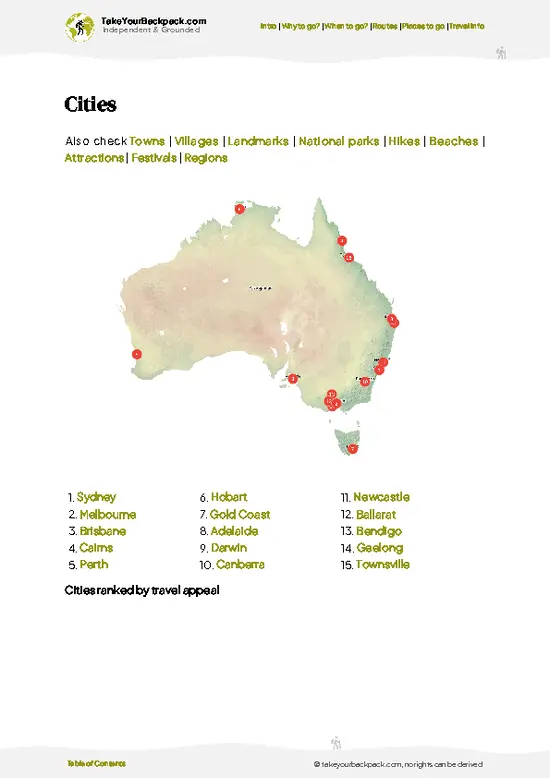
  • Geelong—Waterfront sculptures, industrial heritage, bay views, regional gateway| 65 km away
  • Ballarat—Gold rush sites, Victorian streetscapes, heritage museums, lakeside gardens| 102 km away
  • Bendigo—Art galleries, gold mining relics, tram tours, Chinese heritage| 132 km away

💡 Not sure where to go next?
Create a personalized itinerary for Australia including Melbourne and the places that fit your trip.

Generate my itinerary

👉 Discover all cities

Or checkout all Australia has to offer (think cities, towns, villages, national parks, hikes, beaches, festivals)
Country photo of Australia

We 💚 feedbackSumming up the experience

Melbourne’s food scene is a revelation. You’ll find everything from hole-in-the-wall cafés to world-class dining, each with its own flair. But here’s the kicker: it can be pricey. If you’re not careful, those brunches and dinners can add up fast. So, budget wisely. Embrace the street food and local markets to balance the experience. Dive in, savor every bite, and remember: it’s all about finding that sweet spot between indulgence and practicality.

✈️ When did I visit Australia?
On my trip to New Zealand in 1993, I had a short stop in Australia as well.

✍️ Help improve this page!
The information on this page is based on my own backpacking experience in Australia, supplemented with up-to-date research and feedback from other travelers. Travel details can change, so if you notice anything outdated or incomplete, feel free to let me know.


🙋‍♂️ Give feedback

👋 Meet the founderWho’s Behind Take Your Backpack?

Johan, backpacker and founder of TakeYourBackpackHi, I’m Johan (Netherlands 🇳🇱), the creator of TakeYourBackpack. Over the past decade, I’ve backpacked through 80+ countries across six continents, gaining extensive experience with independent travel, long-term trips, and overland routes.

This site is built on a combination of firsthand travel experience and carefully curated insights from other backpackers. Many guides are based on places I’ve personally visited, while others bring together tips, observations, and practical advice shared by trusted travelers I’ve met along the way.

The goal is to provide realistic, experience-driven guidance — not generic itineraries — so you can explore destinations with better context, clearer expectations, and more confidence.

Get full Australia guide •
Instant download • 149 highlights • Full Offline guide