×

Australia🇦🇺 | best citiesWhere to Find the 10 Best cities in Australia

Australia’s cities are a fascinating blend of cultural richness and regional diversity, each offering a unique flavor that shapes the backpacking experience. From the bustling streets of Sydney to the laid-back vibe of Hobart, the choices you make will directly impact your journey. Major hubs like Melbourne and Brisbane boast extensive transport connections, making them ideal for independent travelers seeking convenience. Smaller urban centers, however, often provide a more intimate glimpse into local life, but may require more planning to navigate.

Seasonal nuances also play a crucial role. The Australian summer can turn cities into sweltering playgrounds, while winter brings a chill that can affect your plans. Choosing the right city means considering not just the budget and safety, but also the ease of travel and the local vibe. For instance, nightlife in Perth can be vibrant yet relaxed, while Darwin offers a unique mix of cultures that can enrich your experience.

Ultimately, understanding these dynamics allows you to consciously select the high-value experiences that make your trip memorable. Whether you’re chasing the surf or the city lights, Australia’s urban landscapes are ready to welcome you.

By Johan Kruseman 🇳🇱 | Updated September 5, 2026
Explore the best towns in Australia

Why go?Understanding Their Importance

Australia’s cities stand out on the global stage, shaped by a unique blend of cultural diversity, historical depth, and regional identities. The country is a mosaic of influences, from its Indigenous heritage to waves of immigration that have brought flavors, languages, and traditions from around the world. This rich tapestry creates urban environments where you can experience everything from bustling markets to artistic enclaves, all within a few blocks.

However, the trade-offs are real. Australia is vast, and while cities like Sydney and Melbourne boast extensive transport networks, the distances between them can be daunting. A flight from one major city to another can take hours, and while you might save time, you sacrifice the chance to explore the diverse landscapes and communities … read more 👉
Australia’s cities stand out on the global stage, shaped by a unique blend of cultural diversity, historical depth, and regional identities. The country is a mosaic of influences, from its Indigenous heritage to waves of immigration that have brought flavors, languages, and traditions from around the world. This rich tapestry creates urban environments where you can experience everything from bustling markets to artistic enclaves, all within a few blocks.

However, the trade-offs are real. Australia is vast, and while cities like Sydney and Melbourne boast extensive transport networks, the distances between them can be daunting. A flight from one major city to another can take hours, and while you might save time, you sacrifice the chance to explore the diverse landscapes and communities that lie in between. This means travelers must weigh the benefits of quick travel against the depth of experience that comes from slower, more immersive exploration.

Historically, Australia’s cities have evolved from colonial outposts to vibrant urban centers. This history is palpable in the architecture, the museums, and even the street names. Yet, the climate can be a double-edged sword. The sun-drenched days invite outdoor adventures, but the heat can also drive you indoors, especially in summer. Understanding this climate is crucial for planning your itinerary; the best experiences often require timing your outings to avoid the midday sun.

Infrastructurally, Australia is well-equipped for tourism, with a range of accommodations and services. However, the cost of living can be high, and travelers may find that what seems like a budget-friendly option can quickly escalate. This is particularly true in major cities, where the allure of trendy neighborhoods can lead to unexpected expenses.

Ultimately, Australia’s cities offer a unique blend of experiences that are both rewarding and challenging. The cultural richness is undeniable, but the choices you make—whether to spend more time in fewer places or to rush through a broader swath of the country—will shape your journey. Balancing time, money, and comfort is essential. The key is to consciously choose the experiences that resonate most with you, ensuring that your adventure is not just a checklist, but a meaningful exploration of what makes Australia truly special.
Behind the Scenes of Selection
The list of best cities in Australia is created based on culture, vibe, attractions, transport ease, and local charm. If you feel a city is missing in this list, please let us know.

When to go?Optimal Periods for Travel

Seasonality and City Visits


Australia’s cities are a patchwork of experiences, each influenced by the seasons. Understanding these rhythms can make or break a trip.

Summer, stretching from December to February, brings heat and crowds. Temperatures can soar, especially in urban areas, making air conditioning your best friend. This is peak tourist season, so expect bustling streets and inflated prices. Festivals abound, but so do the lines. If you thrive on energy and excitement, this is your time. Just remember, the sun can be relentless.

Autumn, from March to May, offers a sweet spot. Temperatures cool down, and the crowds thin out. This shoulder season is ideal for those who want to explore without the chaos. Prices drop, and the weather is generally pleasant. However, some festivals … read more 👉

Seasonality and City Visits


Australia’s cities are a patchwork of experiences, each influenced by the seasons. Understanding these rhythms can make or break a trip.

Summer, stretching from December to February, brings heat and crowds. Temperatures can soar, especially in urban areas, making air conditioning your best friend. This is peak tourist season, so expect bustling streets and inflated prices. Festivals abound, but so do the lines. If you thrive on energy and excitement, this is your time. Just remember, the sun can be relentless.

Autumn, from March to May, offers a sweet spot. Temperatures cool down, and the crowds thin out. This shoulder season is ideal for those who want to explore without the chaos. Prices drop, and the weather is generally pleasant. However, some festivals may be winding down, so check local calendars. The trade-off here is simple: fewer people but potentially less vibrant events.

Winter, from June to August, is a mixed bag. Cities can be quieter, which means lower accommodation costs and less competition for attractions. However, temperatures can dip, especially in southern regions. While some may find the chill invigorating, others might miss the outdoor vibe. Cultural events can be sparse, but winter festivals do exist. The trade-off is clear: enjoy solitude and savings, but be prepared for a different atmosphere.

Spring, from September to November, brings a burst of life. Temperatures rise, and flowers bloom, creating a lively backdrop. This is another shoulder season, where you can enjoy pleasant weather and moderate crowds. Prices remain reasonable, but be aware that some popular events may draw larger crowds as the season progresses. The trade-off here is balancing ideal conditions with the potential for busier weekends.

Peak periods, such as major holidays or school vacations, can significantly influence travel decisions. Expect higher prices and larger crowds during these times. If avoiding the masses is a priority, plan your visit around these dates.

In summary, each season offers unique advantages and challenges. The key is to align your travel goals with the seasonal characteristics. Whether seeking vibrant festivals or quiet exploration, understanding these trade-offs will help craft a more fulfilling experience.

city hoppingHow to Combine cities Into One Trip

Transport Networks and Regional Clustering

Australia is a vast land, and the cities are spread out like a game of Tetris gone rogue. To make the most of your trip, think in terms of regional clusters. Start in the east with Sydney and Brisbane, then swing down to Melbourne. If you’re feeling adventurous, head west to Perth, or go north to Cairns for a taste of the Great Barrier Reef. Each region has its own vibe, and clustering helps you avoid the absurdity of backtracking.

Routing Logic and Direction of Travel

When planning, consider the natural flow of travel. A common route is to begin in Sydney, then move north to Brisbane, and finally head south to Melbourne. This way, you’re not zigzagging across the country like a confused kangaroo. Each leg of the journey can be done via budget … read more 👉

Transport Networks and Regional Clustering

Australia is a vast land, and the cities are spread out like a game of Tetris gone rogue. To make the most of your trip, think in terms of regional clusters. Start in the east with Sydney and Brisbane, then swing down to Melbourne. If you’re feeling adventurous, head west to Perth, or go north to Cairns for a taste of the Great Barrier Reef. Each region has its own vibe, and clustering helps you avoid the absurdity of backtracking.

Routing Logic and Direction of Travel

When planning, consider the natural flow of travel. A common route is to begin in Sydney, then move north to Brisbane, and finally head south to Melbourne. This way, you’re not zigzagging across the country like a confused kangaroo. Each leg of the journey can be done via budget airlines or the surprisingly efficient train system. Just remember, flying is faster, but trains offer a chance to soak in the scenery—if you can tolerate the occasional delay.

Time Needed per Stop

Allocate at least two to three days in each major city. This allows for a mix of sightseeing and downtime. Rushing through cities will leave you feeling like a tourist on a treadmill. If you’re keen on exploring beyond the tourist traps, consider adding an extra day or two. The key is to balance your desire to see everything with the reality of needing to recharge.

Common Planning Mistakes

One of the biggest blunders is trying to cram too much into too little time. Australia is not a sprint; it’s a marathon. Overestimating your ability to hop from city to city can lead to exhaustion and disappointment. Also, don’t forget to account for travel time between cities. A quick flight might seem like a breeze, but factor in airport transfers and potential delays.

Trade-Offs and Constraints

Speed versus depth is the classic conundrum. If you’re on a tight budget, you might sacrifice comfort for speed, opting for budget airlines or overnight buses. But remember, the experience is often in the details. Spending a little more on a comfy seat might save you from feeling like a sardine. Flexibility is crucial; plans can change, and being adaptable can lead to unexpected adventures.

Realistic Pacing and Strategic Planning

Aim for a balance that allows for spontaneity while keeping a loose structure. A well-planned trip doesn’t have to be rigid. Leave room for those moments that make travel worthwhile—like stumbling upon a local market or a hidden beach. Embrace the absurdities of travel; they often lead to the best stories.

The ListThe Best cities of Australia

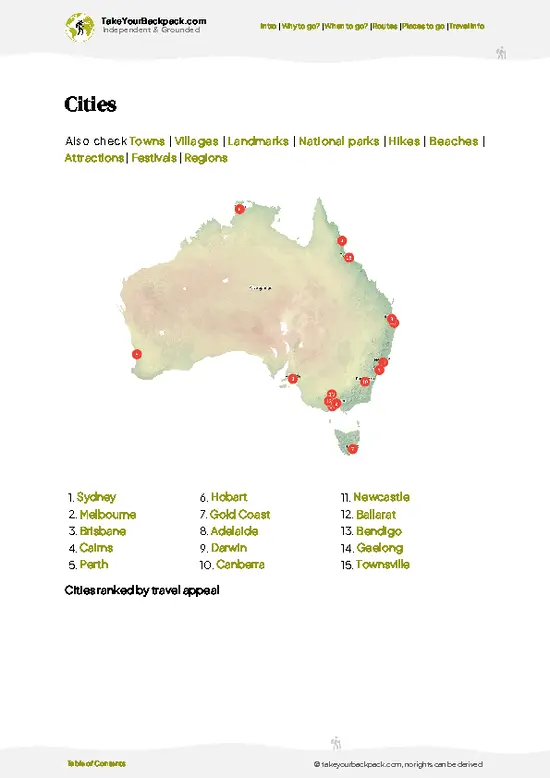
1 Sydney

Harbour Bridge, Opera House, surf beaches, ferry routes

Catch ferries between neighborhoods, walk coastal trails, and take in iconic architecture set against a dramatic natural harbor.

Australia - Sydney

2 Melbourne

Laneway murals, tram network, multicultural food, live music venues

Ride trams to diverse neighborhoods, hunt for street art, and sample global cuisines in a city known for its creative energy.

Australia - Melbourne

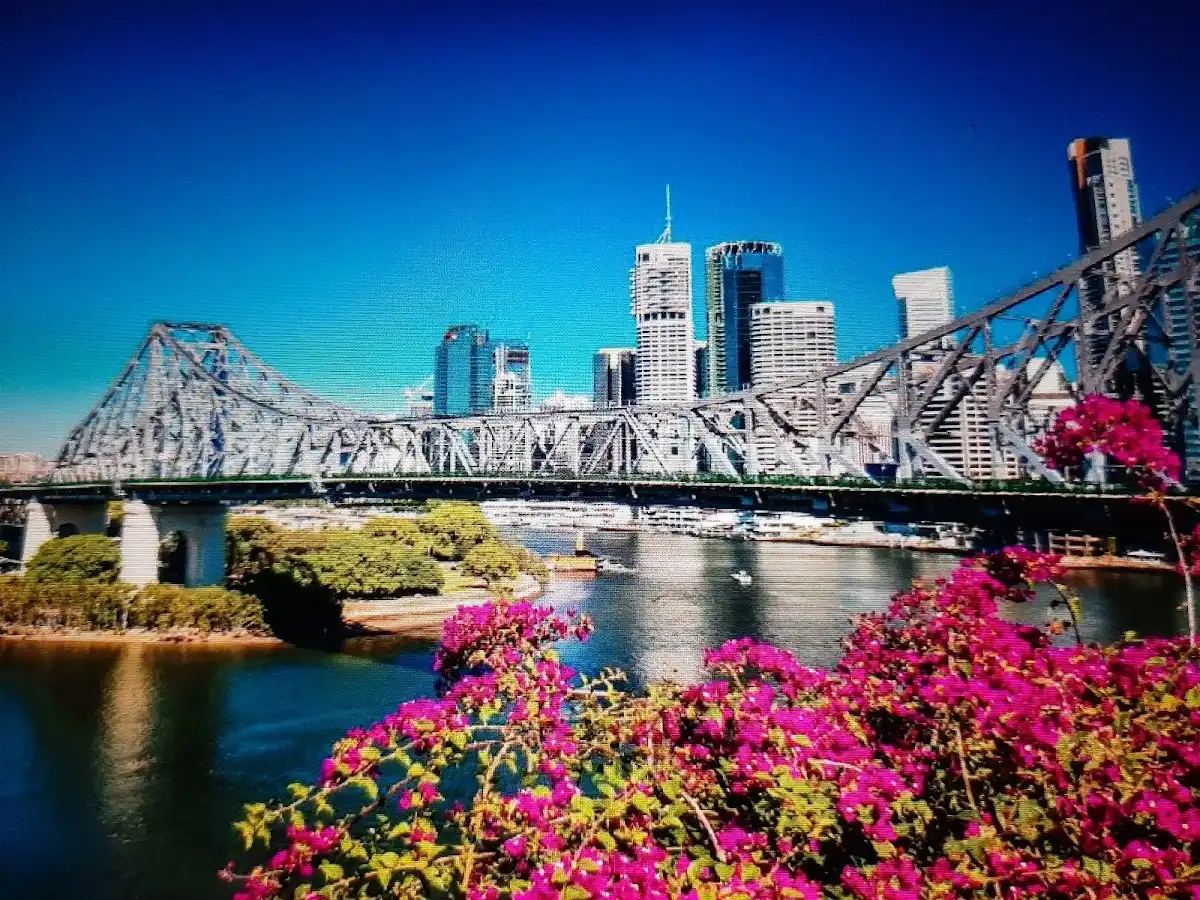
3 Brisbane

Riverfront walks, subtropical climate, outdoor art, South Bank precinct

Stroll shaded riverside paths, discover public art installations, and relax in open-air spaces that define the city’s laid-back lifestyle.

australia-city-brisbane v8
© Google |

4 Cairns

Tropical rainforest, Great Barrier Reef access, night markets, backpacker hub

Book reef trips, browse lively night markets, and use the city as a launch point for rainforest hikes and island excursions.

australia-city-cairns
© Google |

5 Perth

Indian Ocean beaches, urban parks, mining history, sunny skies

Swim at city beaches, picnic in sprawling parks, and notice the influence of resource wealth on the city’s modern skyline.

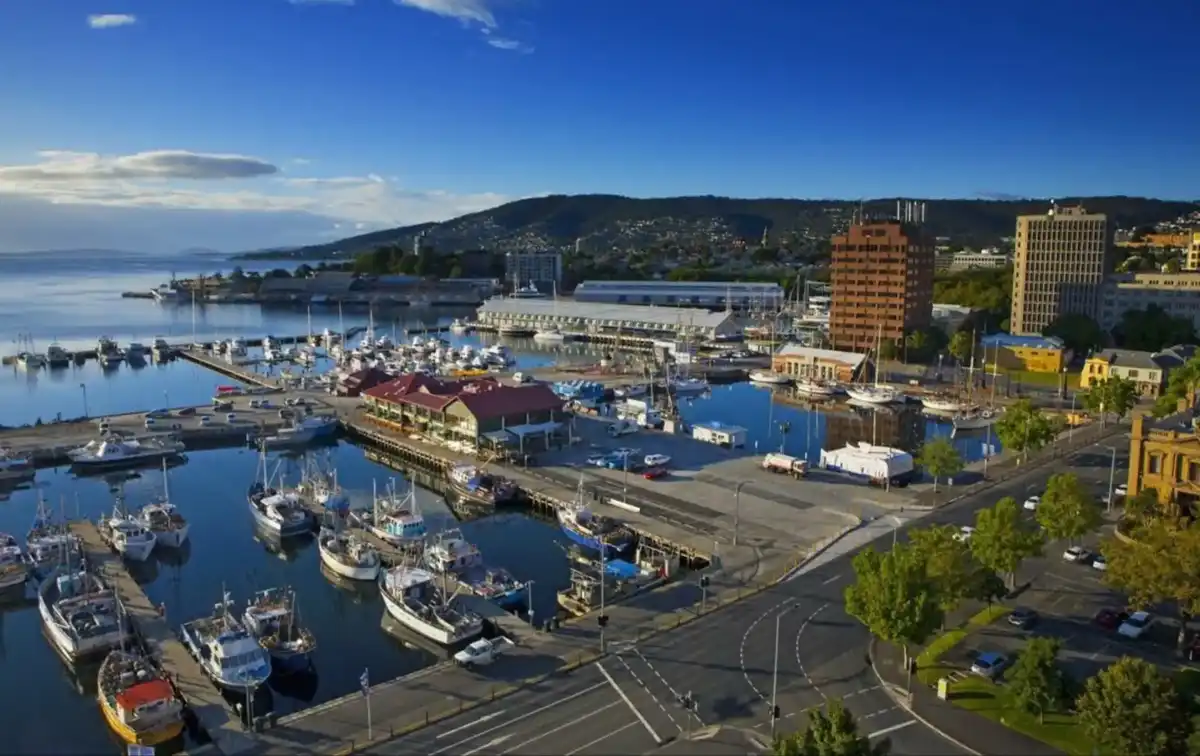
6 Hobart

Harbor views, colonial architecture, mountain backdrop, local seafood

Climb historic streets, taste fresh seafood at the docks, and watch the weather shift over the mountain from the city’s compact center.

australia-city-hobart
© Google | Saeed Ullah

7 Gold Coast

surf beaches, high-rise skyline, nightlife districts

Experience a city where oceanfront living meets urban energy, with easy access to waves, late-night venues, and coastal walks.

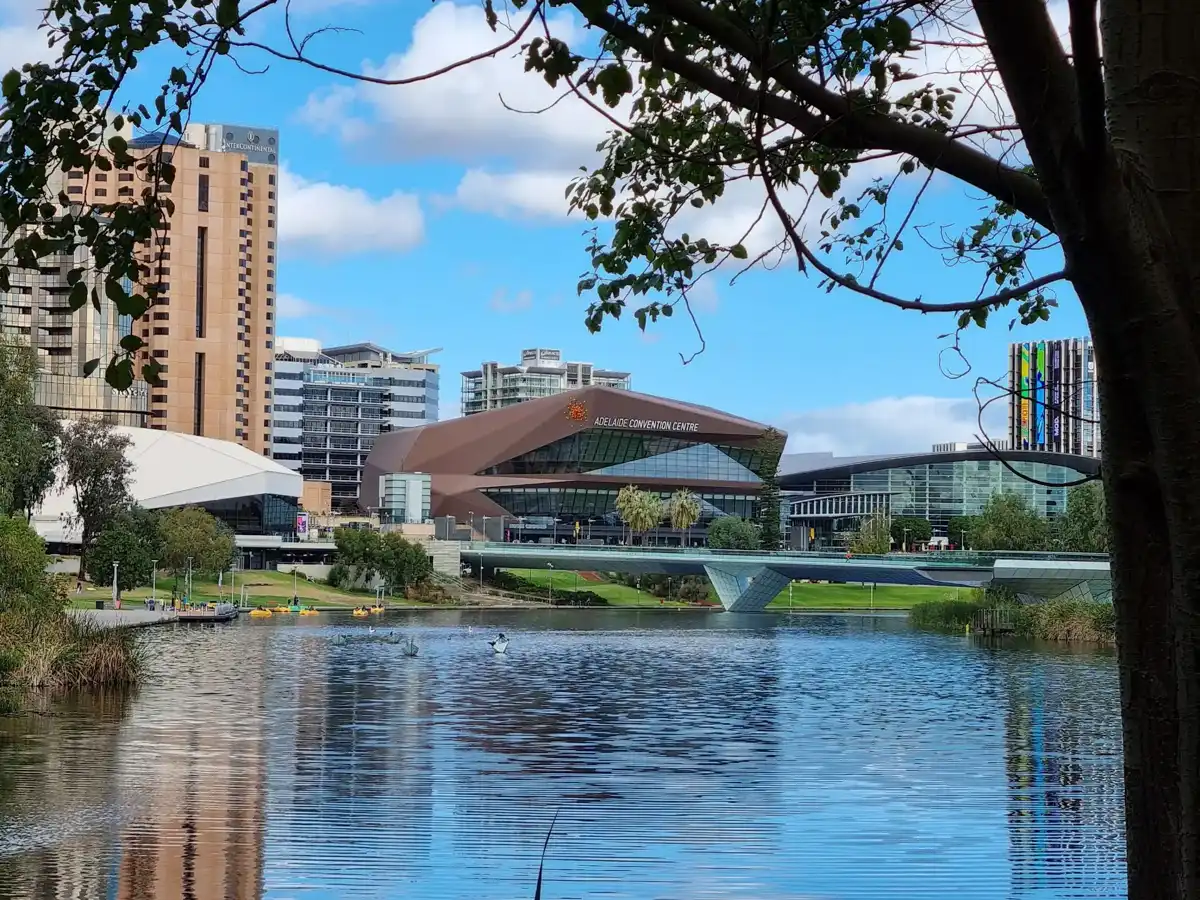
8 Adelaide

Central markets, parkland ring, festival calendar, wine regions

Sample local produce, wander leafy greenbelts, and use the city as a base for day trips to nearby vineyards and coastal towns.

australia-city-adelaide
© Google | Jacqui Hammond

9 Darwin

Waterfront promenades, tropical storms, multicultural markets, WWII sites

Experience dramatic weather, sample Asian-inspired street food, and visit sites that reveal the city’s wartime and Indigenous history.

10 Canberra

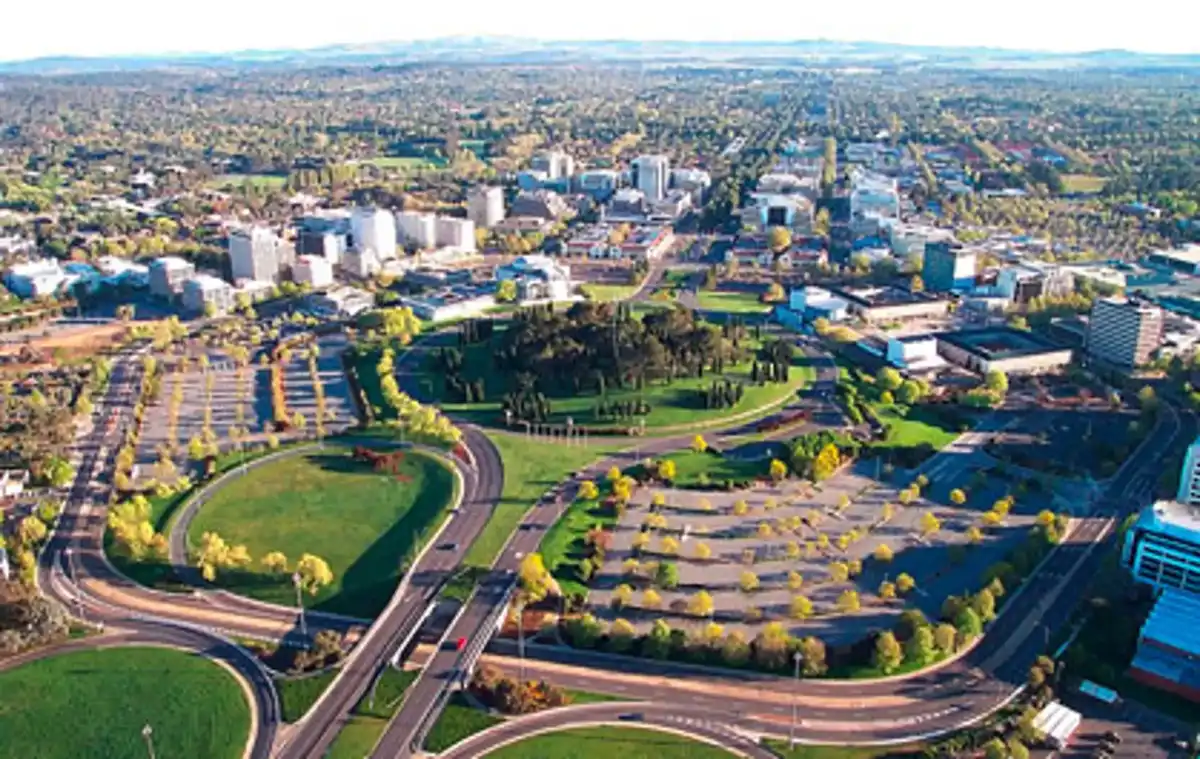
National museums, planned avenues, lakeside cycling, political landmarks

Cycle between major galleries, explore lakeside parks, and experience a city designed for easy access to Australia’s cultural and political institutions.

australia-city-canberra
© Google | Eli Arévalo

11 Newcastle

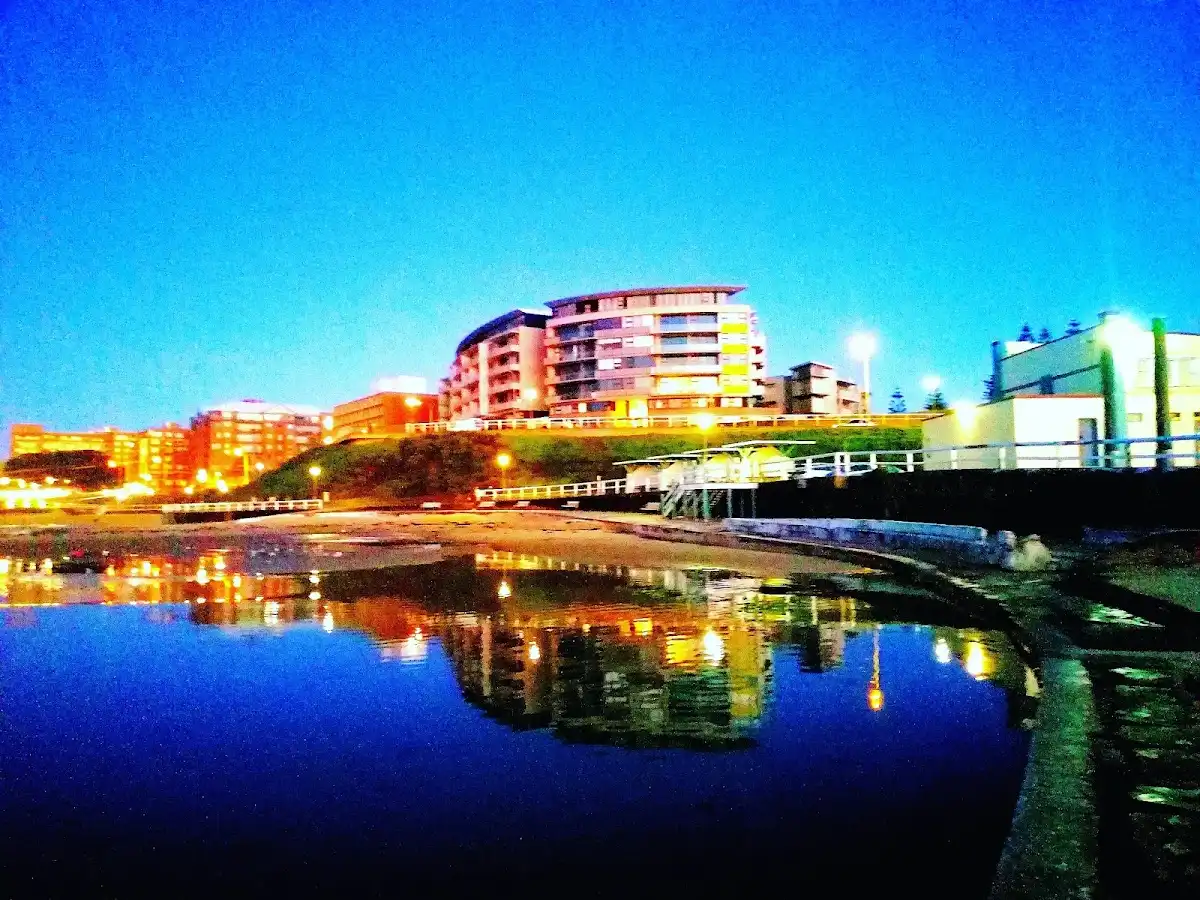
Surf breaks, working port, art deco buildings, coastal walks

Watch ships from the foreshore, explore art-filled streets, and walk between beaches along the city’s scenic coastal path.

australia-city-newcastle
© Google |

12 Ballarat

Gold rush sites, Victorian streetscapes, heritage museums, lakeside gardens

Step into gold rush history, wander preserved 19th-century avenues, and relax in gardens that border the city’s central lake.

13 Bendigo

Art galleries, gold mining relics, tram tours, Chinese heritage

Ride vintage trams, visit regional art spaces, and explore the city’s layered history shaped by migration and mining booms.

14 Geelong

Waterfront sculptures, industrial heritage, bay views, regional gateway

Walk the revitalized foreshore, spot public art, and use the city as a jumping-off point for the Bellarine Peninsula and Great Ocean Road.

15 Townsville

Reef gateway, palm-lined esplanade, military history, Magnetic Island ferries

Board ferries to nearby islands, stroll the Strand, and learn about the city’s role as a military and marine research center.

Think you know Australia?

Prove you’re a true local — uncover 5 lesser-known cities in Australia that locals tend to keep to themselves.
Loading the map 🌍

Expert viewPro Tips for Exploring the Best

Transport Hubs

Australia’s transport hubs are like the country’s coffee: strong, varied, and sometimes a bit too much to handle. Major airports in cities are well-connected, but don’t expect seamless transfers. You might find yourself navigating a labyrinth of terminals, waiting for your luggage while contemplating the existential crisis of whether you really need that extra pair of shoes.

If you’re planning to hop between cities, consider the trade-off between flying and driving. Flights are quick and often affordable, but they come with the hassle of airport security and the risk of delays. Driving gives you the freedom to explore the stunning landscapes between cities, but it can eat up your time and energy. Factor in the cost of fuel, tolls, and the occasional roadside café that charges … read more 👉

Transport Hubs

Australia’s transport hubs are like the country’s coffee: strong, varied, and sometimes a bit too much to handle. Major airports in cities are well-connected, but don’t expect seamless transfers. You might find yourself navigating a labyrinth of terminals, waiting for your luggage while contemplating the existential crisis of whether you really need that extra pair of shoes.

If you’re planning to hop between cities, consider the trade-off between flying and driving. Flights are quick and often affordable, but they come with the hassle of airport security and the risk of delays. Driving gives you the freedom to explore the stunning landscapes between cities, but it can eat up your time and energy. Factor in the cost of fuel, tolls, and the occasional roadside café that charges you a small fortune for a soggy sandwich.

Urban Pacing

Australia’s cities have a rhythm all their own, and it’s not always in sync with your travel plans. Some cities pulse with energy, while others are more laid-back, inviting you to slow down and soak in the local vibe. If you’re on a tight schedule, you might be tempted to cram in as many cities as possible. But here’s the kicker: rushing through means missing out on the nuances that make each place unique.

Aim for a balance. Visiting three to four cities allows you to experience a mix of urban life and local culture without feeling like you’re on a never-ending treadmill. If you try to squeeze in five or six, you’ll likely end up exhausted, with a camera roll full of blurry photos and a vague sense of where you’ve been.

Local Costs

Costs can vary dramatically from city to city. In some places, you might find a delightful café serving up a flat white for a reasonable price, while in others, you’ll be shelling out for the privilege of sitting in a trendy spot. The trade-off here is between comfort and cost. Do you want to splurge on a fancy meal or save that cash for an adventure?

Consider your priorities. If you’re keen on experiencing the local food scene, budget for a few splurges. But if you’re more about the sights, you can often find affordable eats that won’t break the bank. Just remember: the more you save on food, the more you can spend on experiences.

Exploring More Cities Quickly vs. Deeper Immersion

The allure of seeing more cities quickly can be tempting. Who wouldn’t want to say they’ve been to five cities in a week? But here’s the reality check: deeper immersion often yields richer experiences. Spending more time in fewer places allows you to connect with locals, discover hidden spots, and truly appreciate the culture.

If you’re short on time, prioritize cities that resonate with your interests. Are you into art, nature, or nightlife? Choose cities that align with those passions. This way, you won’t just be ticking boxes; you’ll be creating memories.

Safety & Cultural Considerations

Australia is generally safe, but like any country, it has its quirks. Urban areas can be bustling, and while most locals are friendly, it’s wise to stay aware of your surroundings, especially at night. Cultural norms can vary, too. In some cities, casual attire is the norm, while in others, you might feel out of place in shorts and flip-flops.

Respect local customs and be open to learning. Engaging with locals can lead to unexpected adventures and insights that guidebooks won’t tell you. Just remember: a friendly smile goes a long way, especially when you’re trying to navigate a new place.

Planning and Prioritizing Cities

When planning your trip, think about the experiences you want to prioritize. Do you want to dive into the arts scene, explore nature, or indulge in culinary delights? This will help you decide which cities to include.

Consider the logistics of getting from one city to another. Some cities are a quick flight apart, while others may require a longer drive. Factor in travel time when planning your itinerary. You don’t want to spend half your trip in transit, feeling like a travel pinball.

Also, keep in mind that some cities have unique events or festivals that could enhance your experience. If you can time your visit to coincide with a local event, it can add a layer of authenticity to your trip.

In the end, the trade-offs you make will shape your adventure. Whether you choose to rush through cities or take your time, the key is to be intentional about your choices. Embrace the absurdities of travel, laugh at the grind, and remember that the journey is just as important as the destination.

✈️ The backpacker research shortcutAustralia Travel Guide

An offline-friendly backpacking guide with optimized travel routes, ranked highlights, transport advice, and the best areas to stay.
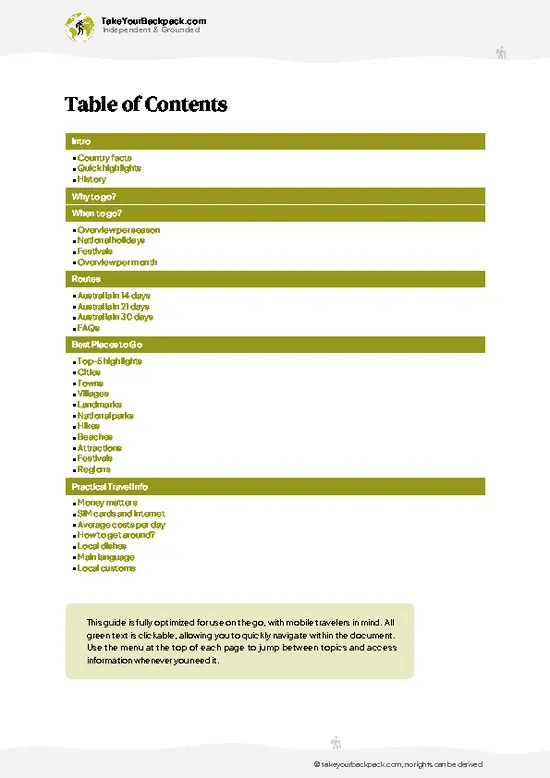
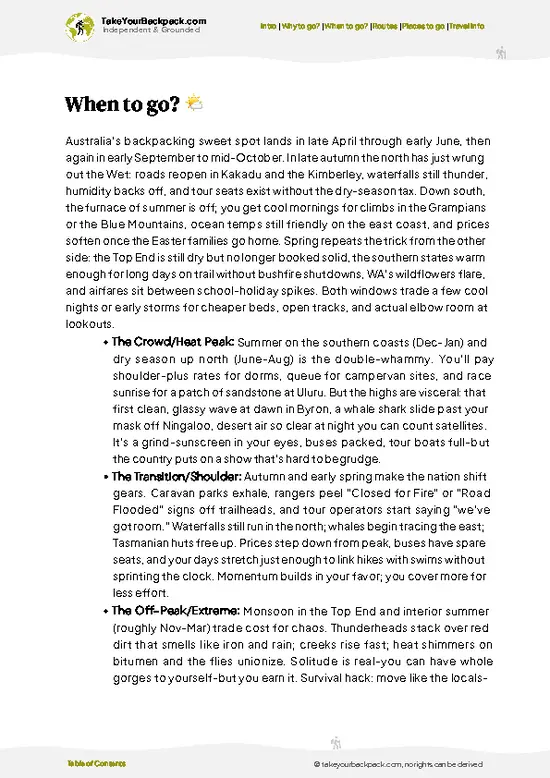
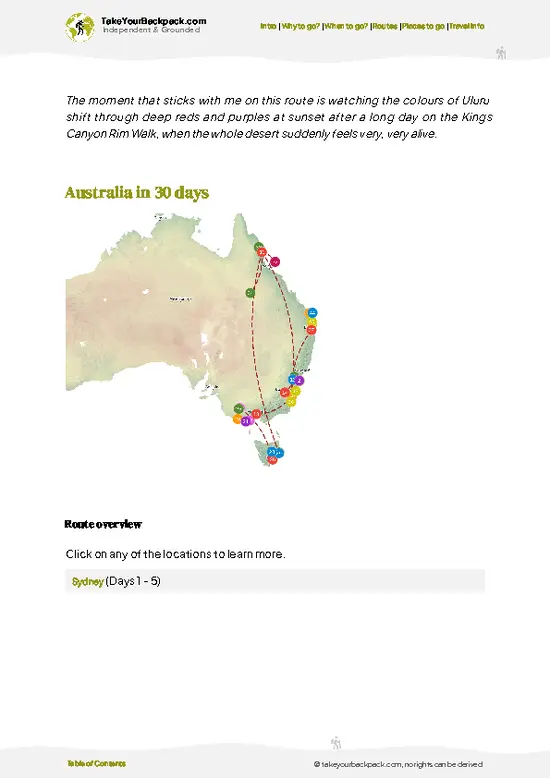
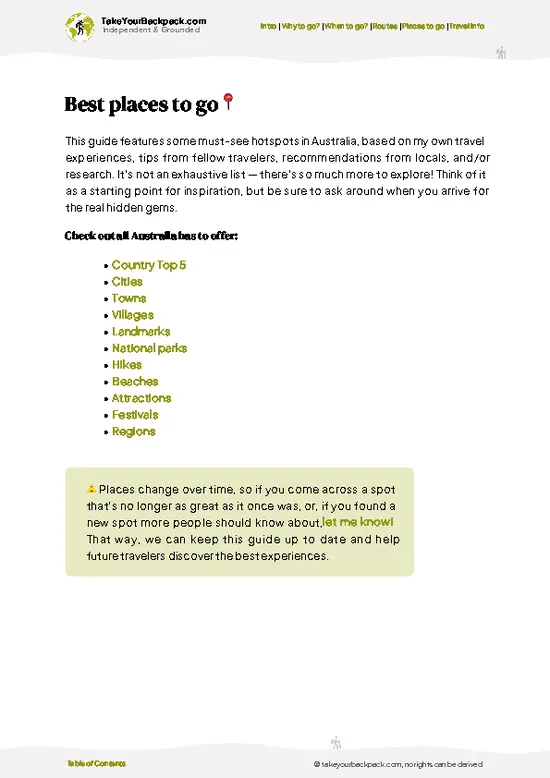
example page 0 from our offline Travel Guide for Australia
example page 1 from our offline Travel Guide for Australia
example page 2 from our offline Travel Guide for Australia
example page 3 from our offline Travel Guide for Australia
example page 4 from our offline Travel Guide for Australia
example page 5 from our offline Travel Guide for Australia
example page 6 from our offline Travel Guide for Australia
example page 7 from our offline Travel Guide for Australia
The digital guide (544 pages) contains:
149 highlights, ranked by travel appeal
Optimized 14, 21 & 30-day travel routes
Cities, national parks, landmarks, beaches
How to get around
Offline-friendly for travel without Wi-Fi
👉 Click to see all 30+ guide features

📅 Plan smarter in minutes, not weeks
Month by month travel advice
Festivals & national holidays
Budget expectations

🗺️ Go to the right places, skip the overrated ones
Honest pros & cons of destinations
Top hikes, parks & viewpoints
Lesser-known places most travelers miss
Clear “worth it vs skip it” guidance

🛏️ Travel smoothly without rookie mistakes
Best areas to stay
Transport systems explained simply
Common scams & safety advice
SIM cards, money & practical tips

🌍 Understand the country, not just visit it
Culture & traditions
Local customs
Festivals worth planning around
Traveler-friendly historical context
Insights that make places more meaningful

📱 Built for real travel conditions
Fully downloadable PDF
Works completely offline
Optimized for phone use
Useful in remote areas & buses
Everything in one place
Save weeks of stressful planning
Get instant access to your full guide. 30‑day money-back guarantee.
+ Add another guide for just A$12.35

By proceeding you agree to our terms.
Sent to your inbox immediately after payment • 100% Secure Checkout
Best Backpacking Travel Advisor 2025 tourism awardBest Backpacking
Travel Advisor
2025
What others say about Take Your Backpack Guides:
⭐⭐⭐⭐⭐
Fantastic, amazing amount of information!
⭐⭐⭐⭐⭐
My goodness this is amazing, it's what I've been looking for hats off too you!
⭐⭐⭐⭐⭐
I think this is absolutely BRILLIANT
⭐⭐⭐⭐
Very complete and informative. It's still missing places, but I gotta to commend you
⭐⭐⭐⭐⭐
This is truly amazing, thank you, can't wait to explore it with my kids!
⭐⭐⭐⭐⭐
Awesome resource, thank you!
⭐⭐⭐⭐⭐
This is amazing! Can't wait to explore the ones I haven't seen
⭐⭐⭐⭐
I love this! Well done, great idea.
⭐⭐⭐⭐⭐
Thanks for taking the time to make this gem!
⭐⭐⭐⭐⭐
This might be the best website I've ever seen.
⭐⭐⭐⭐⭐
Congratulations, and thank you so much for your work; it's incredibly valuable.
⭐⭐⭐⭐
In all seriousness I think you did a great job pointing out the important spots
⭐⭐⭐⭐⭐
10/10 very good
⭐⭐⭐⭐⭐
As someone who's only just starting to visit regularly this is awesome, thank you.
⭐⭐⭐⭐
Thank you very much! I'm going to visit my dad, it's going to be very useful!
⭐⭐⭐⭐⭐
This is really cool! We'll be travelling for the first time and this definitely come in handy.
⭐⭐⭐⭐⭐
You are now our minister of culture, congratulations 👨‍💼
⭐⭐⭐⭐⭐
Just wanted to tell you that this is a pearl! Going to follow your recommendations.
⭐⭐⭐⭐⭐
This is so cool. I'll definitely be using the resource for my travels soon.
⭐⭐⭐⭐⭐
This is very impressive! Good work.
⭐⭐⭐⭐⭐
This is an amazing and informative site. Very well done!

🛏️ Where to stay?Best Places to Stay in Australia

hostels and budget accommodation are widely available across Australia, with cheap hostels and backpacker dorms clustered in central neighborhoods of major cities — Sydney (CBD, Surry Hills, Newtown), Melbourne (CBD, Fitzroy, St Kilda), Brisbane (CBD, Fortitude Valley), Perth (CBD, Northbridge), Adelaide (CBD, Glenelg) and Cairns (Esplanade) — so tourist hubs offer the most choice but also competition.
CBDs provide the best transport links and walkable access to attractions but can be pricier and noisy; nightlife districts put you next to bars and late buses but expect late-night noise and variable safety after midnight; beach suburbs are quieter and better for daytime activities but add travel … read more 👉
hostels and budget accommodation are widely available across Australia, with cheap hostels and backpacker dorms clustered in central neighborhoods of major cities — Sydney (CBD, Surry Hills, Newtown), Melbourne (CBD, Fitzroy, St Kilda), Brisbane (CBD, Fortitude Valley), Perth (CBD, Northbridge), Adelaide (CBD, Glenelg) and Cairns (Esplanade) — so tourist hubs offer the most choice but also competition.
CBDs provide the best transport links and walkable access to attractions but can be pricier and noisy; nightlife districts put you next to bars and late buses but expect late-night noise and variable safety after midnight; beach suburbs are quieter and better for daytime activities but add travel time to central buses and trains; regional gateways and national‑park towns have fewer budget beds and often require booking ahead in peak season.

If you enjoy meeting fellow travelers, consider choosing hostels with high ratings for atmosphere. On the other hand, if you prefer having your own space, a hotel might be a better option.

AustraliaExplore Australia

👋 Meet the founderWho’s Behind Take Your Backpack?

Johan, backpacker and founder of TakeYourBackpackHi, I’m Johan (Netherlands 🇳🇱), the creator of TakeYourBackpack. Over the past decade, I’ve backpacked through 80+ countries across six continents, gaining extensive experience with independent travel, long-term trips, and overland routes.

This site is built on a combination of firsthand travel experience and carefully curated insights from other backpackers. Many guides are based on places I’ve personally visited, while others bring together tips, observations, and practical advice shared by trusted travelers I’ve met along the way.

The goal is to provide realistic, experience-driven guidance — not generic itineraries — so you can explore destinations with better context, clearer expectations, and more confidence.

Get full Australia guide •
Instant download • 149 highlights • Full Offline guide