×
Sydney

Australia🇦🇺 | citiesSydneyHarbour Bridge, Opera House, surf beaches, ferry routes | things to do and best time to go

Explore PerthExplore Cairns

Backpacking in Sydney
🏆 Top pickcity ranked #1
By Johan Kruseman 🇳🇱 | Updated September 4, 2026

Most people think Sydney is either a glossy, overpriced postcard or a beach resort with a city problem; it’s neither. Sydney sits on Australia’s southeast coast in New South Wales, facing the Pacific and acting as the country’s de facto front door. For backpackers, it’s a high-cost, high-reward base camp: hostels aren’t cheap, but you get a world-class harbour, ferries as daily transport, and easy day-hikes in the Blue Mountains. The historic Rocks, the Opera House, and coastal walks from Coogee to Bondi genuinely live up to the hype, while Newtown’s bars and Marrickville’s breweries keep nights busy and social. It’s very safe, public transport is intuitive, and meeting other travelers is almost automatic in big hostels around Central. Compared with Melbourne or Brisbane, Sydney feels sharper, more outdoorsy, less artsy—less cozy, more “let’s go do something right now,” which I love but my introvert friends find exhausting.

Discover everything you want to know in the 📖 Australia Travel Guide.
Loading the map 🌍
CLICK TO FILTER
cities
towns
villages
landmarks
national parks
hikes
beaches
attractions
festivals
regions
SHOW COUNTRY’S BESTSHOW ALL

✨ Why go?
Ranked #1 city in Australia
Why Sydney should be on your travel list

Sydney is a backpacker’s hub that balances highlights and affordability. It’s not just about the iconic sights; it’s a strategic base for your adventures. The city offers a wealth of activities that cater to every interest, from beaches to cultural experiences. You’ll find a range of hostels that fit any budget, making it easy to meet fellow travelers and share stories over a cheap meal.

The walkability of Sydney is a game-changer. You can explore neighborhoods on foot, soaking in the local vibe without burning a hole in your wallet. Plus, the food scene is diverse and delicious, with options that won’t break the bank. Whether you’re craving street food or a sit-down meal, you’ll find something to satisfy your taste buds.

When it comes to nightlife, Sydney doesn’t disappoint. From laid-back … read more 👉
Sydney is a backpacker’s hub that balances highlights and affordability. It’s not just about the iconic sights; it’s a strategic base for your adventures. The city offers a wealth of activities that cater to every interest, from beaches to cultural experiences. You’ll find a range of hostels that fit any budget, making it easy to meet fellow travelers and share stories over a cheap meal.

The walkability of Sydney is a game-changer. You can explore neighborhoods on foot, soaking in the local vibe without burning a hole in your wallet. Plus, the food scene is diverse and delicious, with options that won’t break the bank. Whether you’re craving street food or a sit-down meal, you’ll find something to satisfy your taste buds.

When it comes to nightlife, Sydney doesn’t disappoint. From laid-back bars to vibrant clubs, there’s something for everyone. And let’s not forget about easy onward travel; the city is well-connected, making it a breeze to hop on a bus or train for day trips. If you’re looking for a city that enhances your backpacking route rather than just being a stopover, Sydney is a solid choice.
Want to include Sydney in your Australia route?
Create a personalized Australia itinerary that includes Sydney and the places that fit your trip — based on your travel style, budget, and available time. Get your route in seconds.

Generate my trip

💡 HighlightsPlaces and moments you shouldn't skip

  1. Sydney Opera House — You can’t avoid it and you shouldn’t want to. Beyond the postcard shot, the guided tours and a cheap-ish foyer coffee with harbour views turn an architectural icon into a real, sensory visit.
  2. Sydney Harbour Bridge (walk or climb) — Walk the pedestrian ramp for instant skyline therapy; if you’ve got the cash and nerves, a bridge climb gives a completely different, thrilling perspective of the harbour and city history.
  3. The Rocks — Cobblestone lanes, convict-era buildings, weekend markets and small museums. It’s where Sydney’s colonial past, craft brews and tourist trails collide in a very walkable patch of town.
  4. Royal Botanic Garden — A peaceful harbour-front green with curated plantings, Aboriginal cultural walks and unbeatable views of the Opera House and bridge.
read more 👉
  1. Sydney Opera House — You can’t avoid it and you shouldn’t want to. Beyond the postcard shot, the guided tours and a cheap-ish foyer coffee with harbour views turn an architectural icon into a real, sensory visit.
  2. Sydney Harbour Bridge (walk or climb) — Walk the pedestrian ramp for instant skyline therapy; if you’ve got the cash and nerves, a bridge climb gives a completely different, thrilling perspective of the harbour and city history.
  3. The Rocks — Cobblestone lanes, convict-era buildings, weekend markets and small museums. It’s where Sydney’s colonial past, craft brews and tourist trails collide in a very walkable patch of town.
  4. Royal Botanic Garden — A peaceful harbour-front green with curated plantings, Aboriginal cultural walks and unbeatable views of the Opera House and bridge. Great for a picnic or an easy nature escape without leaving the CBD.
  5. Barangaroo Reserve — Newish waterfront park that blends native planting, coastal walks and Indigenous cultural interpretation. It’s modern Sydney: sustainable design, good views and places to sit and watch ferries and sunsets.
  6. Art Gallery of New South Wales — Excellent collection of Australian, Indigenous and international art, plus free main galleries most days. The building and the Domain setting make art a relaxed part of a city stroll.
  7. Paddington Reservoir Gardens — A hidden, beautifully repurposed Victorian reservoir turned into a sunken garden and event space. Quiet, photogenic and oddly atmospheric — a city secret that actually feels like one.
  8. Chinese Garden of Friendship (Darling Harbour) — A compact, immaculately landscaped garden offering quiet ponds, pavilions and cultural design right next to the bustle of Darling Harbour. Great for slowing down and learning about Sydney’s Chinese heritage.
  9. Woolloomooloo Finger Wharf — A long, historic wharf with restaurants, deep-water views and a genuine slice of Sydney’s maritime life. Best for a harbour stroll and fresh seafood without the tourist crush of Circular Quay.
  10. Hyde Park & ANZAC Memorial — The city’s oldest public park, formal tree-lined lanes and the powerful ANZAC Memorial make this a place of daily life, protest, remembrance and rest—right in the middle of the CBD.
For easy day trips from Sydney: the Blue Mountains (hikes and lookouts), the Manly ferry and beaches, and Bondi Beach with the coastal walk are all close, visitable and well worth a day out.
Spotted a mistake or missing something? Contact us.

Things to do in Sydney

Ratings based on Tripadvisor reviews. When you book through this link, you support our work at no extra cost to you.

🏘️ NeighborhoodsKey areas and districts to know

Sydney is a vibrant city that offers a mix of experiences for backpackers. Each neighborhood has its own character, and understanding these can help you maximize your time, money, and comfort.

Bondi Beach: This iconic area is a must for sun-seekers. The beach vibe is laid-back, and you’ll find plenty of budget-friendly hostels. Walkability is high; everything is within reach. The nightlife is lively but not overwhelming, making it suitable for both short and longer stays. Just be prepared to pay a bit more for beachfront views.

Newtown: Known for its eclectic arts scene, Newtown is a haven for creatives. Expect affordable eats and quirky shops. The area is walkable, with a relaxed atmosphere. Nightlife here is vibrant, with plenty of bars and live music. It’s perfect for longer stays if … read more 👉
Sydney is a vibrant city that offers a mix of experiences for backpackers. Each neighborhood has its own character, and understanding these can help you maximize your time, money, and comfort.

Bondi Beach: This iconic area is a must for sun-seekers. The beach vibe is laid-back, and you’ll find plenty of budget-friendly hostels. Walkability is high; everything is within reach. The nightlife is lively but not overwhelming, making it suitable for both short and longer stays. Just be prepared to pay a bit more for beachfront views.

Newtown: Known for its eclectic arts scene, Newtown is a haven for creatives. Expect affordable eats and quirky shops. The area is walkable, with a relaxed atmosphere. Nightlife here is vibrant, with plenty of bars and live music. It’s perfect for longer stays if you want to soak in the local culture.

CBD (Central Business District): The heart of Sydney, the CBD is bustling and convenient. While accommodation can be pricier, you’re close to major attractions and public transport. The area is less walkable for leisure but great for quick access to sights. Ideal for short stays if you want to hit the highlights fast.

Surry Hills: A trendy neighborhood with a mix of cafes and boutiques. It’s walkable and has a more local feel. The nightlife is buzzing, with plenty of options for dining and drinks. This area suits both short and longer stays, especially if you enjoy a hip atmosphere.

Manly: A ferry ride away, Manly offers a beach escape with a relaxed vibe. It’s less crowded than Bondi and has a charming promenade. While it’s a bit quieter at night, you’ll find cozy pubs. Great for longer stays if you want a slower pace while still being connected to the city.

⌛️ 1 dayA smart one-day plan

Sydney is a city that pulses with energy, blending stunning coastal views with a vibrant urban scene. From the iconic Sydney Opera House to the laid-back vibe of Bondi Beach, there’s a rhythm to the city that invites exploration. If you’re spending just one day here, let’s dive into a plan that balances time, money, and comfort, ensuring you soak up the essence of Sydney without feeling rushed.

Start your morning in the historic Rocks district. Grab a coffee at a local café like the charming “The Fine Food Store,” where the baristas know their beans. Stroll through the cobblestone streets, soaking in the colonial architecture and the buzz of the weekend markets if you’re lucky. This area is rich in stories, and you can almost hear the whispers of the past as you wander.

As the sun climbs, … read more 👉
Sydney is a city that pulses with energy, blending stunning coastal views with a vibrant urban scene. From the iconic Sydney Opera House to the laid-back vibe of Bondi Beach, there’s a rhythm to the city that invites exploration. If you’re spending just one day here, let’s dive into a plan that balances time, money, and comfort, ensuring you soak up the essence of Sydney without feeling rushed.

Start your morning in the historic Rocks district. Grab a coffee at a local café like the charming “The Fine Food Store,” where the baristas know their beans. Stroll through the cobblestone streets, soaking in the colonial architecture and the buzz of the weekend markets if you’re lucky. This area is rich in stories, and you can almost hear the whispers of the past as you wander.

As the sun climbs, make your way to Circular Quay. Here, the Opera House and Harbour Bridge create a postcard-perfect backdrop. Take a leisurely walk along the waterfront, or hop on a ferry to Manly Beach. The 30-minute ride offers breathtaking views of the harbor, and once you arrive, you can enjoy a swim or a stroll along the beach. If you’re feeling adventurous, rent a bike and explore the scenic coastal paths.

In the afternoon, head to Newtown, a neighborhood that’s often overlooked by tourists. This area is a treasure trove of quirky shops, street art, and diverse eateries. Grab lunch at “The Green Refectory,” a cozy spot with delicious vegetarian options. Afterward, wander through the vibrant streets, where you can find everything from vintage clothing to local art.

As evening approaches, return to the city center and treat yourself to dinner at “Mr. Wong,” a modern Chinese restaurant that’s a feast for the senses. The ambiance is lively, and the food is exceptional. After dinner, take a stroll along Darling Harbour. The lights reflecting on the water create a magical atmosphere, perfect for wrapping up your day.

By focusing on these neighborhoods and experiences, you’ll not only see the highlights but also feel the soul of Sydney, making your one-day adventure both memorable and fulfilling.
Turn your Sydney visit into an Australia adventure
Build a complete Australia route with Sydney, hidden gems, must-see destinations, and realistic travel times included.

Generate my trip

🌤️ When to go?Weather, crowds, and seasonal trade-offs


  • Topic: Weather and Temperature – Sydney’s best weather for backpacking falls between September and November or March to May. Expect mild temperatures ranging from 15-22°C (59-72°F), perfect for outdoor exploration without the summer scorch or winter chill.

  • Topic: Daylight Hours – Spring and autumn offer balanced daylight, roughly 11 to 13 hours, enough time to squeeze in iconic walks like Bondi to Coogee without rushing, but without the exhausting long summer days.

  • Topic: Crowds – Avoid December to February if you want to dodge the tourist surge and local holiday rush. Shoulder seasons bring fewer crowds, making popular spots like the Opera House and Harbour Bridge feel less like a sardine can.

  • Topic: Seasonal Activities – Spring and autumn host vibrant local events and festivals
read more 👉

  • Topic: Weather and Temperature – Sydney’s best weather for backpacking falls between September and November or March to May. Expect mild temperatures ranging from 15-22°C (59-72°F), perfect for outdoor exploration without the summer scorch or winter chill.

  • Topic: Daylight Hours – Spring and autumn offer balanced daylight, roughly 11 to 13 hours, enough time to squeeze in iconic walks like Bondi to Coogee without rushing, but without the exhausting long summer days.

  • Topic: Crowds – Avoid December to February if you want to dodge the tourist surge and local holiday rush. Shoulder seasons bring fewer crowds, making popular spots like the Opera House and Harbour Bridge feel less like a sardine can.

  • Topic: Seasonal Activities – Spring and autumn host vibrant local events and festivals without the summer heat. Plus, you’ll catch whale migrations in early winter if you’re flexible and want a nature bonus.

  • Topic: Price Fluctuations – Peak summer and school holidays spike accommodation and flight costs. Shoulder seasons offer a sweet spot where prices drop but the city still buzzes with life and decent weather.


Pro-tip: Target shoulder seasons for the smartest balance—good weather, manageable crowds, and wallet-friendly rates. It’s the timing hack that turns Sydney from a tourist trap into your personal playground.


source: climatestotravel.comJANJanuary: fair for travelingFEBFebruary: fair for travelingMARMarch: highly recommended for travelingAPRApril: excellent for travelingMAYMay: excellent for travelingJUNJune: good for travelingJULJuly: good for travelingAUGAugust: good for travelingSEPSeptember: excellent for travelingOCTOctober: excellent for travelingNOVNovember: highly recommended for travelingDECDecember: fair for traveling
Australia - Sydney

✈️ The backpacker research shortcutAustralia Travel Guide

An offline-friendly backpacking guide with optimized travel routes, ranked highlights, transport advice, and the best areas to stay.
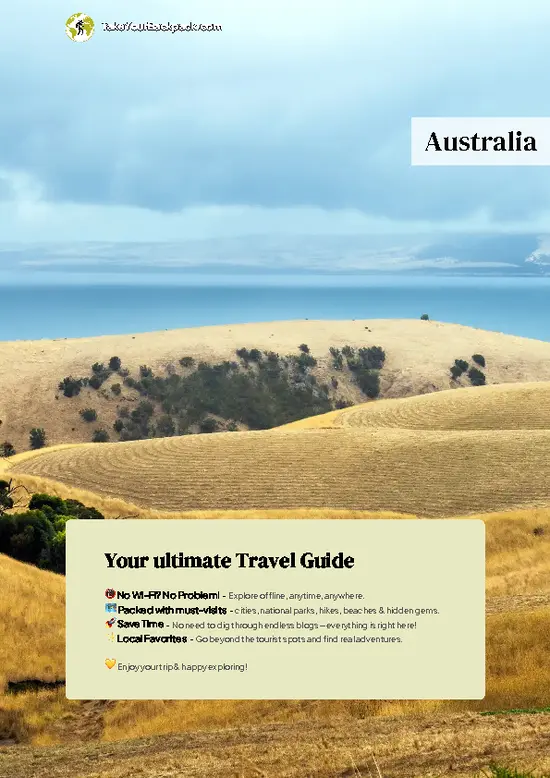
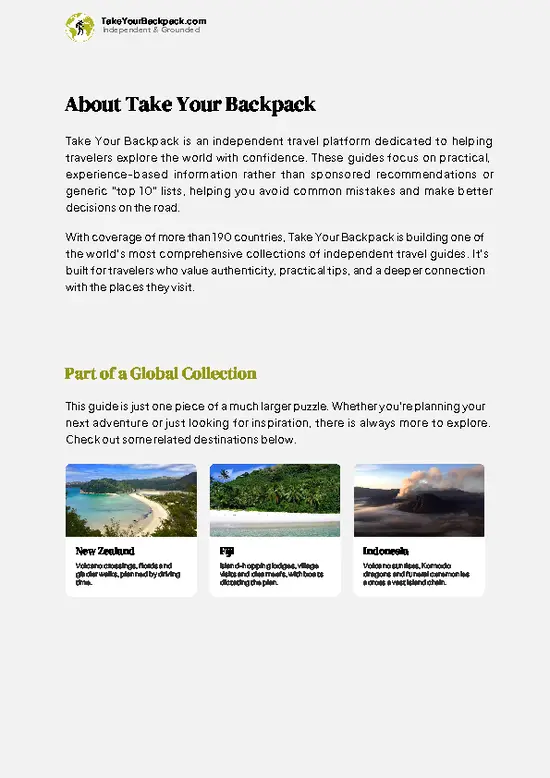
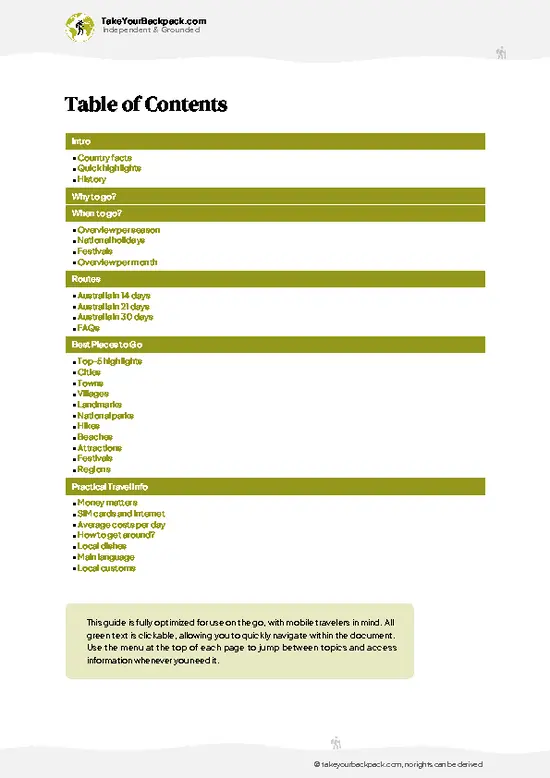
example page 0 from our offline Travel Guide for Australia
example page 1 from our offline Travel Guide for Australia
example page 2 from our offline Travel Guide for Australia
example page 3 from our offline Travel Guide for Australia
example page 4 from our offline Travel Guide for Australia
example page 5 from our offline Travel Guide for Australia
example page 6 from our offline Travel Guide for Australia
example page 7 from our offline Travel Guide for Australia
The digital guide (544 pages) contains:
149 highlights, ranked by travel appeal
Optimized 14, 21 & 30-day travel routes
Cities, national parks, landmarks, beaches
How to get around
Offline-friendly for travel without Wi-Fi
👉 Click to see all 30+ guide features

📅 Plan smarter in minutes, not weeks
Month by month travel advice
Festivals & national holidays
Budget expectations

🗺️ Go to the right places, skip the overrated ones
Honest pros & cons of destinations
Top hikes, parks & viewpoints
Lesser-known places most travelers miss
Clear “worth it vs skip it” guidance

🛏️ Travel smoothly without rookie mistakes
Best areas to stay
Transport systems explained simply
Common scams & safety advice
SIM cards, money & practical tips

🌍 Understand the country, not just visit it
Culture & traditions
Local customs
Festivals worth planning around
Traveler-friendly historical context
Insights that make places more meaningful

📱 Built for real travel conditions
Fully downloadable PDF
Works completely offline
Optimized for phone use
Useful in remote areas & buses
Everything in one place
Save weeks of stressful planning
Get instant access to your full guide. 30‑day money-back guarantee.
+ Add another guide for just US$7.80

By proceeding you agree to our terms.
Sent to your inbox immediately after payment • 100% Secure Checkout
Best Backpacking Travel Advisor 2025 tourism awardBest Backpacking
Travel Advisor
2025
What others say about Take Your Backpack Guides:
⭐⭐⭐⭐⭐
Fantastic, amazing amount of information!
⭐⭐⭐⭐⭐
My goodness this is amazing, it's what I've been looking for hats off too you!
⭐⭐⭐⭐⭐
I think this is absolutely BRILLIANT
⭐⭐⭐⭐
Very complete and informative. It's still missing places, but I gotta to commend you
⭐⭐⭐⭐⭐
This is truly amazing, thank you, can't wait to explore it with my kids!
⭐⭐⭐⭐⭐
Awesome resource, thank you!
⭐⭐⭐⭐⭐
This is amazing! Can't wait to explore the ones I haven't seen
⭐⭐⭐⭐
I love this! Well done, great idea.
⭐⭐⭐⭐⭐
Thanks for taking the time to make this gem!
⭐⭐⭐⭐⭐
This might be the best website I've ever seen.
⭐⭐⭐⭐⭐
Congratulations, and thank you so much for your work; it's incredibly valuable.
⭐⭐⭐⭐
In all seriousness I think you did a great job pointing out the important spots
⭐⭐⭐⭐⭐
10/10 very good
⭐⭐⭐⭐⭐
As someone who's only just starting to visit regularly this is awesome, thank you.
⭐⭐⭐⭐
Thank you very much! I'm going to visit my dad, it's going to be very useful!
⭐⭐⭐⭐⭐
This is really cool! We'll be travelling for the first time and this definitely come in handy.
⭐⭐⭐⭐⭐
You are now our minister of culture, congratulations 👨‍💼
⭐⭐⭐⭐⭐
Just wanted to tell you that this is a pearl! Going to follow your recommendations.
⭐⭐⭐⭐⭐
This is so cool. I'll definitely be using the resource for my travels soon.
⭐⭐⭐⭐⭐
This is very impressive! Good work.
⭐⭐⭐⭐⭐
This is an amazing and informative site. Very well done!

🛏️ Where to stay?Best areas to stay in Australia

Sydney’s backpacker scene orbits mainly around two neighborhoods: Kings Cross and Newtown. Both offer a distinct flavor of the city, but your choice boils down to what you’re prioritizing in the classic trade-off triangle of time, money, and comfort.

Kings Cross is the traditional backpacker hub. It’s a compact area packed with hostels, bars, and late-night eateries, so social life is practically on tap. You’ll spend less time and money on transport because it’s close to the central business district and major train lines. The vibe here is loud and lively, perfect if you want to dive into Sydney’s … read more 👉
Sydney’s backpacker scene orbits mainly around two neighborhoods: Kings Cross and Newtown. Both offer a distinct flavor of the city, but your choice boils down to what you’re prioritizing in the classic trade-off triangle of time, money, and comfort.

Kings Cross is the traditional backpacker hub. It’s a compact area packed with hostels, bars, and late-night eateries, so social life is practically on tap. You’ll spend less time and money on transport because it’s close to the central business district and major train lines. The vibe here is loud and lively, perfect if you want to dive into Sydney’s nightlife and meet fellow travelers easily. The trade-off? It’s noisier and less polished, so if you crave quiet or a more laid-back environment, it might wear on you after a few nights.

Newtown, on the other hand, is a bit further out but still well connected by public transit. It’s known for its artsy, alternative crowd and a more relaxed, bohemian atmosphere. Hostels here tend to be quieter and often attract solo travelers who want to balance socializing with downtime. You’ll save some cash on food and drinks thanks to the abundance of affordable cafes and ethnic eateries. The trade-off is a longer commute to Sydney’s main attractions, so factor in extra travel time if you’re planning to explore the city center daily.

Choosing between these areas means deciding what you’re willing to sacrifice: the convenience and buzz of Kings Cross or the chill, budget-friendly vibe of Newtown with a bit more travel time. Both are safe and popular among backpackers, so you’re winning either way—just pick your flavor of Sydney.

🚌 Getting aroundMoving around without the hassle

Sydney moves with a pulse that’s part clockwork, part improvisation. The city’s transit system is a blend of punctual trains and buses that mostly stick to schedules, but also a sprawling urban sprawl where traffic jams and ferry delays remind you that chaos lurks beneath the surface. If you want to master Sydney’s flow, you need to understand where time, money, and comfort intersect—and where they force you to make trade-offs. This isn’t just about getting from A to B; it’s about choosing how much patience you’re willing to invest, how much you want to spend, and how much you can tolerate the city’s inevitable unpredictability.


  • Train (Sydney Trains): Runs roughly from 4:30 AM to midnight, with peak hours offering trains every 5-10 minutes. The Opal card fare caps at about AUD 16 per day,
read more 👉
Sydney moves with a pulse that’s part clockwork, part improvisation. The city’s transit system is a blend of punctual trains and buses that mostly stick to schedules, but also a sprawling urban sprawl where traffic jams and ferry delays remind you that chaos lurks beneath the surface. If you want to master Sydney’s flow, you need to understand where time, money, and comfort intersect—and where they force you to make trade-offs. This isn’t just about getting from A to B; it’s about choosing how much patience you’re willing to invest, how much you want to spend, and how much you can tolerate the city’s inevitable unpredictability.


  • Train (Sydney Trains): Runs roughly from 4:30 AM to midnight, with peak hours offering trains every 5-10 minutes. The Opal card fare caps at about AUD 16 per day, making it a budget-friendly choice for covering long distances quickly. Trains are generally reliable and comfortable, but expect crowding during rush hours. Great for slicing through the city’s east-west and north-south corridors fast, but less useful if your destination is off the main lines.


  • Bus: Buses cover areas trains don’t reach, running from around 5 AM to midnight, though frequency drops significantly late at night and on weekends. Fares are similar to trains, but buses can get stuck in traffic, especially during peak times, so they’re slower and less predictable. Comfort varies widely—older buses can be cramped, but newer ones offer air conditioning. Best for flexible routes and short hops when you’re not in a rush.


  • Ferry (Sydney Ferries): Operating from about 5 AM to midnight, ferries offer a scenic but slower alternative, with fares slightly higher than trains and buses (AUD 7-10 per trip depending on distance). They’re a solid choice if you want to avoid road traffic and enjoy a break from the city’s hustle, but schedules are less frequent, and delays happen when the harbor gets busy. Comfort is high, with open-air decks and room to stretch.


  • Light Rail: Running from early morning until around midnight, the light rail connects key spots like Central Station, Darling Harbour, and the Inner West. Fares align with the Opal system, making it affordable. It’s faster than buses and less prone to traffic jams, but stops are more frequent, so it’s not the quickest option for long distances. Comfort is decent, with modern vehicles and smooth rides.


  • Walking: Sydney’s walkability varies—downtown and harborside areas are compact and pedestrian-friendly, perfect for saving money and soaking in the city’s vibe. Walking costs nothing, offers maximum flexibility, and doubles as a way to discover unexpected corners. But distances can be deceptive, and Sydney’s hills and heat can turn a stroll into a workout, so factor in your energy and time.


Understanding these options is like playing a strategic game where every move costs you time, money, or comfort. Want to save cash? Walk or take the bus, but be ready for slower trips. Need speed and reliability? Trains and light rail are your allies, at a moderate price. Craving a break from the grind? Ferries offer a scenic detour, but at a premium and with less frequency. Sydney’s transit isn’t just a system—it’s a set of trade-offs you learn to navigate, turning logistics into a game you’re winning.

👛 Costs (as of 4 September 2026)Travel costs and budget guide for Sydney

Sydney’s daily backpacking costs reflect its status as a major global city with a high cost of living, but savvy choices can keep your budget in check without sacrificing the experience.
  • Dorm Accommodation (High Season): Expect to pay around $30-$45 USD per night in popular hostels during peak months (December to February). These dorms are often lively and centrally located, but prices spike with demand.
  • Dorm Accommodation (Off-Season): Outside peak times, prices drop to about $20-$35 USD. Booking ahead can snag you better deals, especially in shoulder seasons like autumn and spring.
  • Meals: Budget around $10-$20 USD per meal if you stick to casual eateries, food trucks, or supermarket-prepared meals. Cooking your own food can cut this cost significantly, but Sydney’s street food scene offers
read more 👉
Sydney’s daily backpacking costs reflect its status as a major global city with a high cost of living, but savvy choices can keep your budget in check without sacrificing the experience.
  • Dorm Accommodation (High Season): Expect to pay around $30-$45 USD per night in popular hostels during peak months (December to February). These dorms are often lively and centrally located, but prices spike with demand.
  • Dorm Accommodation (Off-Season): Outside peak times, prices drop to about $20-$35 USD. Booking ahead can snag you better deals, especially in shoulder seasons like autumn and spring.
  • Meals: Budget around $10-$20 USD per meal if you stick to casual eateries, food trucks, or supermarket-prepared meals. Cooking your own food can cut this cost significantly, but Sydney’s street food scene offers solid value if you know where to look.
  • Local Transport: Single bus or train rides typically cost $3-$5 USD depending on distance. Sydney’s Opal card system caps daily fares, so you won’t overspend if you’re hopping around.
  • City Transport Pass: A daily Opal card cap is about $16 USD, which covers unlimited travel on buses, trains, and ferries within the city. This is a smart buy if you plan multiple trips in a day.
  • Basic Activities/Entry Fees: Many museums and galleries are free or low-cost ($0-$10 USD). Paid attractions like the Sydney Tower Eye or Taronga Zoo run $25-$40 USD. Opt for a mix of free and paid experiences to balance your budget.
  • Miscellaneous Expenses: Budget $5-$10 USD for essentials like bottled water, occasional coffee, or small souvenirs. These little extras add up but are manageable with awareness.

All told, a realistic daily budget for backpacking in Sydney ranges from about $50 to $90 USD. This covers dorm stays, meals, transport, and a few activities without cutting corners on comfort or missing out on what makes Sydney tick. The key is balancing when to splurge and when to save—like choosing a ferry ride over a taxi for both the view and the cost.


source: numbeo.com
⚠️ Prices can change and everyone travels differently, so take this as a rough guide. Hope it helps you plan your adventure!

🚌 Day tripsShort trips worth adding

Sydney serves as an excellent launchpad for day trips that pack a punch without draining your wallet or time. Here are some standout options that will elevate your experience.

Blue Mountains
Just a two-hour train ride from Sydney, the Blue Mountains offer breathtaking views and a chance to immerse yourself in nature. Hike the trails around the Three Sisters rock formation or take a dip in the natural pools at Wentworth Falls. The round-trip train fare is around AUD 10, and you can easily spend a full day exploring. Many first-timers underestimate the weather; it can be cooler up in the mountains, so pack layers.
👉 Explore Blue Mountains

Hunter Valley
If you’re a wine enthusiast or just want to sip some local brews, the Hunter Valley is a must. About two hours by bus, this region is … read more 👉
Sydney serves as an excellent launchpad for day trips that pack a punch without draining your wallet or time. Here are some standout options that will elevate your experience.

Blue Mountains
Just a two-hour train ride from Sydney, the Blue Mountains offer breathtaking views and a chance to immerse yourself in nature. Hike the trails around the Three Sisters rock formation or take a dip in the natural pools at Wentworth Falls. The round-trip train fare is around AUD 10, and you can easily spend a full day exploring. Many first-timers underestimate the weather; it can be cooler up in the mountains, so pack layers.
👉 Explore Blue Mountains

Hunter Valley
If you’re a wine enthusiast or just want to sip some local brews, the Hunter Valley is a must. About two hours by bus, this region is dotted with vineyards and charming eateries. You can join a wine tour for around AUD 100, which often includes tastings and lunch. The best time to visit is during the harvest season from late summer to early autumn. A common mistake is trying to fit in too many wineries; pace yourself and enjoy the experience.


Royal National Park
A mere hour south of Sydney, the Royal National Park is a treasure trove of coastal walks and stunning vistas. The famous Coast Track offers a 26-kilometer hike with views of cliffs and beaches, perfect for a day of adventure. Entry is free, but transport will cost about AUD 10 each way. Spring and autumn are ideal for hiking, as summer can get quite hot. Many backpackers miss the chance to explore the less-trafficked trails; don’t be one of them!


Palm Beach
For a taste of Sydney’s beach culture, head to Palm Beach, just an hour away by bus. This picturesque spot is where they filmed ”Home and Away,” and it’s perfect for sunbathing or a leisurely swim. The bus fare is around AUD 7, making it an affordable escape. Visit during the weekdays to avoid the weekend crowds. A common pitfall is sticking to the beach; venture up to Barrenjoey Lighthouse for stunning views.


Wollongong
About 90 minutes from Sydney, Wollongong offers a mix of beaches and scenic coastal drives. The Grand Pacific Drive is a highlight, with breathtaking ocean views. You can enjoy a day here for around AUD 20, including transport. The best time to visit is during the warmer months, but be cautious of the surf conditions if you plan to swim. Many first-timers miss out on the local eateries; don’t skip the fish and chips!
Want to know what more Australia offers?
The Australia Travel Guide describes 149 highlights, from cities to national parks, from beaches to hikes

Get the Travel Guide -

🍲 FoodWhat to Eat & Drink

Sydney’s food scene is a vibrant tapestry of flavors, reflecting its multicultural roots. Signature dishes like the iconic meat pie and the fresh, zesty prawn cocktail are must-tries. The bush tucker movement introduces native ingredients, so keep an eye out for dishes featuring wattleseed or finger lime.

Backpackers will find their culinary haven in markets like Paddy’s or the Sydney Fish Market, where the air is thick with the scent of grilled seafood and spices. Street food stalls serve up everything from Vietnamese pho to Turkish gozleme, perfect for a quick, satisfying bite on the go.

Cafés are a cornerstone of Sydney’s culture, with locals often gathering over a flat white or a cold brew. Don’t skip the brunch scene; it’s a ritual here, with dishes that are as Instagrammable as they … read more 👉
Sydney’s food scene is a vibrant tapestry of flavors, reflecting its multicultural roots. Signature dishes like the iconic meat pie and the fresh, zesty prawn cocktail are must-tries. The bush tucker movement introduces native ingredients, so keep an eye out for dishes featuring wattleseed or finger lime.

Backpackers will find their culinary haven in markets like Paddy’s or the Sydney Fish Market, where the air is thick with the scent of grilled seafood and spices. Street food stalls serve up everything from Vietnamese pho to Turkish gozleme, perfect for a quick, satisfying bite on the go.

Cafés are a cornerstone of Sydney’s culture, with locals often gathering over a flat white or a cold brew. Don’t skip the brunch scene; it’s a ritual here, with dishes that are as Instagrammable as they are delicious.

When it comes to drinking, the craft beer scene is booming. Many bars offer local brews on tap, and the vibe is relaxed, encouraging conversation. Tipping isn’t mandatory, but rounding up your bill is appreciated.

Embrace the communal dining style; sharing plates is common, fostering a sense of connection. In Sydney, every meal is an opportunity to dive into the local culture, making your taste buds dance while you soak in the lively atmosphere.

🛡️ SafetyScams, Hazards, and Annoyances

Sydney is generally a safe city, but a few areas and situations warrant a bit of extra awareness. The central business district and popular spots like Bondi Beach are usually bustling with tourists, which can attract pickpockets. Keep your belongings close, especially in crowded places.

If you’re solo and out at night, stick to well-lit areas and main streets. Public transport is reliable, but late-night options can be limited, so consider rideshares if you’re heading back after dark.

As for scams, the classic “lost tourist” routine pops up occasionally. Someone may approach you, asking for directions or help, only to distract you while an accomplice swipes your bag. Just be polite but firm, and keep moving.

Everyday annoyances include the occasional overly friendly street performer … read more 👉
Sydney is generally a safe city, but a few areas and situations warrant a bit of extra awareness. The central business district and popular spots like Bondi Beach are usually bustling with tourists, which can attract pickpockets. Keep your belongings close, especially in crowded places.

If you’re solo and out at night, stick to well-lit areas and main streets. Public transport is reliable, but late-night options can be limited, so consider rideshares if you’re heading back after dark.

As for scams, the classic “lost tourist” routine pops up occasionally. Someone may approach you, asking for directions or help, only to distract you while an accomplice swipes your bag. Just be polite but firm, and keep moving.

Everyday annoyances include the occasional overly friendly street performer or aggressive sales pitches in tourist-heavy areas. A simple “no, thank you” usually does the trick. Stay aware, trust your instincts, and you’ll navigate Sydney like a pro.

FAQFrequently asked questions about Sydney

3 to 5 days are ideal to explore Sydney thoroughly. This allows time to visit major attractions like the Sydney Opera House, Harbour Bridge, and Bondi Beach, plus a day trip to the Blue Mountains. More time is needed if you want to explore surrounding regions or enjoy the city at a relaxed pace.
Yes, Sydney is generally safe for solo backpackers. Standard precautions like avoiding poorly lit areas at night and keeping belongings secure are advised. The city has a strong police presence and good public transport, making solo travel manageable.
Sydney is known for its iconic landmarks such as the Sydney Opera House and Harbour Bridge. It is also famous for its beautiful beaches like Bondi and Manly, vibrant cultural scene, and outdoor lifestyle. The city hosts major events like the Sydney Festival and Vivid Sydney light show.
⚠️ Things can change over time, so always validate details locally before you go.

Other Australian cities near Sydney

Explore more nearby:

  • Newcastle—Surf breaks, working port, art deco buildings, coastal walks| 118 km away
  • Canberra—National museums, planned avenues, lakeside cycling, political landmarks| 246 km away
  • Gold Coast—surf beaches, high-rise skyline, nightlife districts| 687 km away

💡 Not sure where to go next?
Create a personalized itinerary for Australia including Sydney and the places that fit your trip.

Generate my itinerary

👉 Discover all cities

Or checkout all Australia has to offer (think cities, towns, villages, national parks, hikes, beaches, festivals)
Country photo of Australia

We 💚 feedbackParting advice and final tips

Sydney’s a vibrant playground where the sun-kissed beaches meet a bustling urban vibe. You can soak up the iconic views from the Sydney Opera House or surf at Bondi Beach. But here’s the kicker: it can be pricey. Dining out and accommodations can drain your wallet faster than you think. Balance your splurges with street food and free activities, and you’ll unlock the city’s true charm without breaking the bank.

✈️ When did I visit Australia?
On my trip to New Zealand in 1993, I had a short stop in Australia as well.

✍️ Help improve this page!
The information on this page is based on my own backpacking experience in Australia, supplemented with up-to-date research and feedback from other travelers. Travel details can change, so if you notice anything outdated or incomplete, feel free to let me know.


🙋‍♂️ Give feedback

👋 Meet the founderWho’s Behind Take Your Backpack?

Johan, backpacker and founder of TakeYourBackpackHi, I’m Johan (Netherlands 🇳🇱), the creator of TakeYourBackpack. Over the past decade, I’ve backpacked through 80+ countries across six continents, gaining extensive experience with independent travel, long-term trips, and overland routes.

This site is built on a combination of firsthand travel experience and carefully curated insights from other backpackers. Many guides are based on places I’ve personally visited, while others bring together tips, observations, and practical advice shared by trusted travelers I’ve met along the way.

The goal is to provide realistic, experience-driven guidance — not generic itineraries — so you can explore destinations with better context, clearer expectations, and more confidence.

Get full Australia guide •
Instant download • 149 highlights • Full Offline guide