×
Uluṟu-Kata Tjuṯa National Park

Australia🇦🇺 | national parksUluṟu-Kata Tjuṯa National ParkUluru base walk, Kata Tjuta domes, Anangu culture, sunrise platforms | things to do and best time to go

Explore Purnululu National ParkExplore Warrumbungle National Park

Backpacking in Uluṟu-Kata Tjuṯa
UNESCO World Heritage site
🏆 Top picknational park ranked #1
By Johan Kruseman 🇳🇱 | Updated October 15, 2026

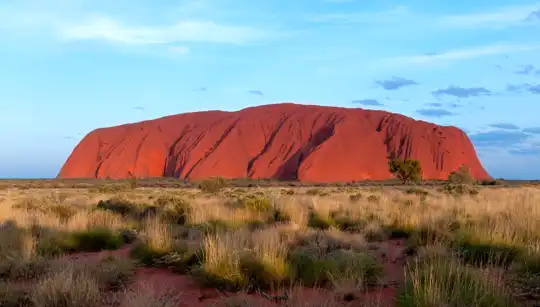
Uluru is best known for its 348-meter sandstone bulk, which glows deep rust at sunrise and sunset, and climbing it has been banned since October 2019. The park sits in the southern Northern Territory of Australia, roughly 450 kilometers southwest of Alice Springs. It is flat, red and absurdly photogenic, with the domes of Kata Tjuta rising 30 kilometers to the west, so every trail ends on a view you have seen on a postcard and still gasp at. Wildlife is mostly lizards, red kangaroos and the odd dingo, and the walks are easy but short on shade. Crowds cluster at sunset car parks like a tailgate party for a rock. I drove in from Alice Springs on the Lasseter Highway and got stopped by a road train, a truck pulling three trailers, that filled my windscreen for a full minute before the dust cleared on a view of Mount Conner. Book your park pass and sunrise plans before you arrive.

Discover everything you want to know in the 📖 Australia Travel Guide.


example page 0 from our offline Travel Guide for Australia
example page 1 from our offline Travel Guide for Australia
example page 2 from our offline Travel Guide for Australia
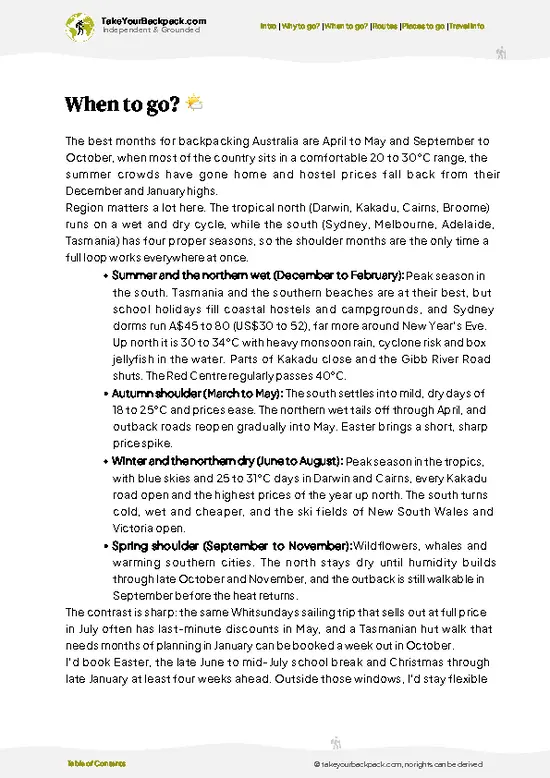
example page 3 from our offline Travel Guide for Australia
example page 4 from our offline Travel Guide for Australia
example page 5 from our offline Travel Guide for Australia
example page 6 from our offline Travel Guide for Australia
example page 7 from our offline Travel Guide for Australia
Loading the map 🌍
CLICK TO FILTER
cities
towns
villages
landmarks
national parks
hikes
beaches
attractions
festivals
regions
SHOW COUNTRY’S BESTSHOW ALL

✨ Why go?
Ranked #1 national park in Australia
Why Uluṟu-Kata Tjuṯa should be on your travel list

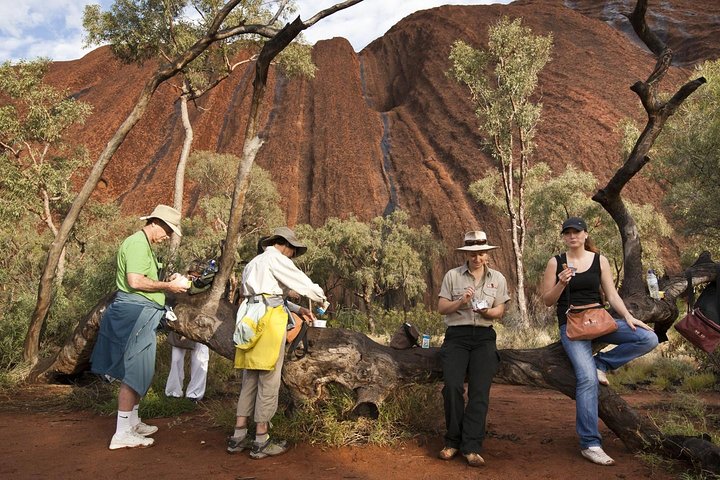
Backpackers come for the chance to do Uluru and Kata Tjuta on your own terms, on foot, at your own pace, without paying for a coach seat. The 10.6-kilometer Uluru Base Walk circles the rock completely, passing waterholes, rock art and sacred sites where photography is restricted, and you can do it before the sun gets serious. Anangu, the Aboriginal owners, run the park jointly with Parks Australia, and the cultural center explains Tjukurpa, the law that shapes how the place is understood. That context turns the rock from a photo stop into something with weight.

The second draw is trail variety within a small area. Walpa Gorge and the Valley of the Winds at Kata Tjuta give you wind-funneled canyons and domed conglomerate walls that feel nothing like Uluru. Self-guided travelers do very well … read more 👉
Backpackers come for the chance to do Uluru and Kata Tjuta on your own terms, on foot, at your own pace, without paying for a coach seat. The 10.6-kilometer Uluru Base Walk circles the rock completely, passing waterholes, rock art and sacred sites where photography is restricted, and you can do it before the sun gets serious. Anangu, the Aboriginal owners, run the park jointly with Parks Australia, and the cultural center explains Tjukurpa, the law that shapes how the place is understood. That context turns the rock from a photo stop into something with weight.

The second draw is trail variety within a small area. Walpa Gorge and the Valley of the Winds at Kata Tjuta give you wind-funneled canyons and domed conglomerate walls that feel nothing like Uluru. Self-guided travelers do very well here, since walks are signed and short enough to stack into a morning. Tours add storytelling and sunset-viewing logistics, but they are optional rather than needed, and the sunrise and sunset viewing areas are open to anyone with a pass.

💡 HighlightsPlaces and moments you shouldn't skip

  1. Uluru Base Walk: The 10.6-kilometer loop is the best way to see the rock close up, with caves, rock art, waterholes and surfaces scarred by erosion. Allow 3 to 4 hours.
  2. Uluru at sunrise and sunset: Dedicated viewing areas give wide angles as the rock shifts from ochre to deep red. Sunrise is quieter than sunset.
  3. Mala Walk: A 2-kilometer return walk along the base to Kantju Gorge, with rock art and a ranger-led talk on some mornings. It takes about 1.5 hours.
  4. Kata Tjuta Valley of the Winds: A 7.4-kilometer circuit through the domes with two lookouts and a gorge creek. It is the most scenic hike in the park, rated moderate to hard, and takes 3 to 4 hours.
  5. Walpa Gorge: A 2.6-kilometer return walk between two towering domes, with a rare plant community in the shaded gorge floor. It takes about an
… read more 👉
  1. Uluru Base Walk: The 10.6-kilometer loop is the best way to see the rock close up, with caves, rock art, waterholes and surfaces scarred by erosion. Allow 3 to 4 hours.
  2. Uluru at sunrise and sunset: Dedicated viewing areas give wide angles as the rock shifts from ochre to deep red. Sunrise is quieter than sunset.
  3. Mala Walk: A 2-kilometer return walk along the base to Kantju Gorge, with rock art and a ranger-led talk on some mornings. It takes about 1.5 hours.
  4. Kata Tjuta Valley of the Winds: A 7.4-kilometer circuit through the domes with two lookouts and a gorge creek. It is the most scenic hike in the park, rated moderate to hard, and takes 3 to 4 hours.
  5. Walpa Gorge: A 2.6-kilometer return walk between two towering domes, with a rare plant community in the shaded gorge floor. It takes about an hour.
  6. Uluṟu-Kata Tjuṯa National Park Cultural Centre: Anangu artists paint and sell their work here, and displays explain Tjukurpa and the story of the handback of the park. Entry is free with a park pass.
  7. Talinguru Nyakunytjaku: Dune-top viewing platforms with views of both Uluru and Kata Tjuta, plus short walks. It is the strongest sunrise vantage point.
  8. Kuniya Walk to Mutitjulu Waterhole: A short 1-kilometer walk to a permanent waterhole at the base of Uluru, with rock art and the story of Kuniya, the python woman.
Most visitors skip the short Kuniya Walk to Mutitjulu Waterhole, yet it is the best spot to see how the rock makes its own tiny oasis.
Spotted a mistake or missing something? Contact us.

Things to do near Uluṟu-Kata Tjuṯa National Park

Ratings based on Tripadvisor reviews. When you book through this link, you support our work at no extra cost to you.

🌤️ When to go?Choosing the right time of year

May to September is the best window for Uluṟu-Kata Tjuṯa National Park, with clear skies and walkable temperatures.
  • Winter (June to August): Days reach 19 to 21°C (66 to 70°F) and nights drop to 4 to 5°C (39 to 41°F), with frost possible. Daylight runs roughly 10.5 hours. Crowds and prices peak, especially during school holidays.
  • Summer (December to February): Highs of 36 to 40°C (97 to 104°F) are normal, and 45°C (113°F) happens. Park rangers close the Valley of the Winds walk beyond Karu Lookout from 11 am on hot days. Daylight stretches past 13 hours. Rooms and tours get cheaper, and flies are relentless.
  • Spring (September to November): Highs of 27 to 34°C (81 to 93°F). Wildflowers appear after good rain, and crowds thin out.
  • Autumn (March to May): Highs of 24 to 32°C (75 to 90°F) and cool
… read more 👉
May to September is the best window for Uluṟu-Kata Tjuṯa National Park, with clear skies and walkable temperatures.
  • Winter (June to August): Days reach 19 to 21°C (66 to 70°F) and nights drop to 4 to 5°C (39 to 41°F), with frost possible. Daylight runs roughly 10.5 hours. Crowds and prices peak, especially during school holidays.
  • Summer (December to February): Highs of 36 to 40°C (97 to 104°F) are normal, and 45°C (113°F) happens. Park rangers close the Valley of the Winds walk beyond Karu Lookout from 11 am on hot days. Daylight stretches past 13 hours. Rooms and tours get cheaper, and flies are relentless.
  • Spring (September to November): Highs of 27 to 34°C (81 to 93°F). Wildflowers appear after good rain, and crowds thin out.
  • Autumn (March to May): Highs of 24 to 32°C (75 to 90°F) and cool nights, with fewer visitors than winter. April and May fill up as temperatures drop.
  • Rain: Storms come mostly from January to March. Uluru shows waterfalls after heavy rain, which is rare and spectacular.
Book flights and campsites three to four months ahead for June to August.


source: climatestotravel.comJANJanuary: fair for travelingFEBFebruary: fair for travelingMARMarch: good for travelingAPRApril: excellent for travelingMAYMay: excellent for travelingJUNJune: good for travelingJULJuly: good for travelingAUGAugust: good for travelingSEPSeptember: excellent for travelingOCTOctober: excellent for travelingNOVNovember: good for travelingDECDecember: fair for traveling
Australia - Uluṟu-Kata Tjuṯa National Park

✈️ The backpacker research shortcutAustralia Travel Guide

An offline-friendly backpacking guide with optimized travel routes, ranked highlights, transport advice, and the best areas to stay.
example page 0 from our offline Travel Guide for Australia
example page 1 from our offline Travel Guide for Australia
example page 2 from our offline Travel Guide for Australia
example page 3 from our offline Travel Guide for Australia
example page 4 from our offline Travel Guide for Australia
example page 5 from our offline Travel Guide for Australia
example page 6 from our offline Travel Guide for Australia
example page 7 from our offline Travel Guide for Australia
The digital guide (414 pages) contains:
✅ 143 highlights, ranked by travel appeal
✅ Optimized 14, 21 & 30-day travel routes
✅ Cities, national parks, landmarks, beaches
✅ How to get around
✅ Offline-friendly for travel without Wi-Fi
👉 Click to see all 30+ guide features

📅 Plan smarter in minutes, not weeks
✅ Month by month travel advice
✅ Festivals & national holidays
✅ Budget expectations

🗺️ Go to the right places, skip the overrated ones
✅ Honest pros & cons of destinations
✅ Top hikes, parks & viewpoints
✅ Lesser-known places most travelers miss
✅ Clear “worth it vs skip it” guidance

🛏️ Travel smoothly without rookie mistakes
✅ Best areas to stay
✅ Transport systems explained simply
✅ Common scams & safety advice
✅ SIM cards, money & practical tips

🌍 Understand the country, not just visit it
✅ Culture & traditions
✅ Local customs
✅ Festivals worth planning around
✅ Traveler-friendly historical context
✅ Insights that make places more meaningful

📱 Built for real travel conditions
✅ Fully downloadable PDF
✅ Works completely offline
✅ Optimized for phone use
✅ Useful in remote areas & buses
✅ Everything in one place
Stop searching, start planning
Get instant access to your full guide. 30‑day money-back guarantee.
+ Add another guide for just

By proceeding you agree to our terms.
Sent to your inbox immediately after payment • 100% Secure Checkout
Best Backpacking Travel Advisor 2025 tourism awardBest Backpacking
Travel Advisor
2025
What others say about Take Your Backpack Guides:
⭐⭐⭐⭐⭐
Fantastic, amazing amount of information!
⭐⭐⭐⭐⭐
My goodness this is amazing, it's what I've been looking for hats off too you!
⭐⭐⭐⭐⭐
I think this is absolutely BRILLIANT
⭐⭐⭐⭐
Very complete and informative. It's still missing places, but I gotta to commend you
⭐⭐⭐⭐⭐
This is truly amazing, thank you, can't wait to explore it with my kids!
⭐⭐⭐⭐⭐
Awesome resource, thank you!
⭐⭐⭐⭐⭐
This is amazing! Can't wait to explore the ones I haven't seen
⭐⭐⭐⭐
I love this! Well done, great idea.
⭐⭐⭐⭐⭐
Thanks for taking the time to make this gem!
⭐⭐⭐⭐⭐
This might be the best website I've ever seen.
⭐⭐⭐⭐⭐
Congratulations, and thank you so much for your work; it's incredibly valuable.
⭐⭐⭐⭐
In all seriousness I think you did a great job pointing out the important spots
⭐⭐⭐⭐⭐
10/10 very good
⭐⭐⭐⭐⭐
As someone who's only just starting to visit regularly this is awesome, thank you.
⭐⭐⭐⭐
Thank you very much! I'm going to visit my dad, it's going to be very useful!
⭐⭐⭐⭐⭐
This is really cool! We'll be travelling for the first time and this definitely come in handy.
⭐⭐⭐⭐⭐
You are now our minister of culture, congratulations 👨‍💼
⭐⭐⭐⭐⭐
Just wanted to tell you that this is a pearl! Going to follow your recommendations.
⭐⭐⭐⭐⭐
This is so cool. I'll definitely be using the resource for my travels soon.
⭐⭐⭐⭐⭐
This is very impressive! Good work.
⭐⭐⭐⭐⭐
This is an amazing and informative site. Very well done!

🛏️ Where to stay?Best areas and accommodation options

Ayers Rock Resort in Yulara, about 20 km (12 miles) from Uluru, is the only place to stay near the park, and no accommodation exists inside the national park itself. Yulara is a small purpose-built village with a supermarket, a post office and a few restaurants.
The Outback Pioneer Lodge has the budget end covered, with a hostel-style dorm (around A$50 to 70 a bed) and basic private rooms. The Ayers Rock Campground has unpowered and powered sites (roughly A$45 to 70), a pool and a camp kitchen, plus cabins with air conditioning that suit families or groups. Camping is the best value, but pitch … read more 👉
Ayers Rock Resort in Yulara, about 20 km (12 miles) from Uluru, is the only place to stay near the park, and no accommodation exists inside the national park itself. Yulara is a small purpose-built village with a supermarket, a post office and a few restaurants.
The Outback Pioneer Lodge has the budget end covered, with a hostel-style dorm (around A$50 to 70 a bed) and basic private rooms. The Ayers Rock Campground has unpowered and powered sites (roughly A$45 to 70), a pool and a camp kitchen, plus cabins with air conditioning that suit families or groups. Camping is the best value, but pitch tents with care on the hard red ground, because pegs often bend. Bring heavy-duty pegs.
Higher up the price scale are Desert Gardens Hotel and Sails in the Desert, which cost A$300 or more a night. Longitude 131° sits at the luxury end with views of Uluru from tented pavilions.
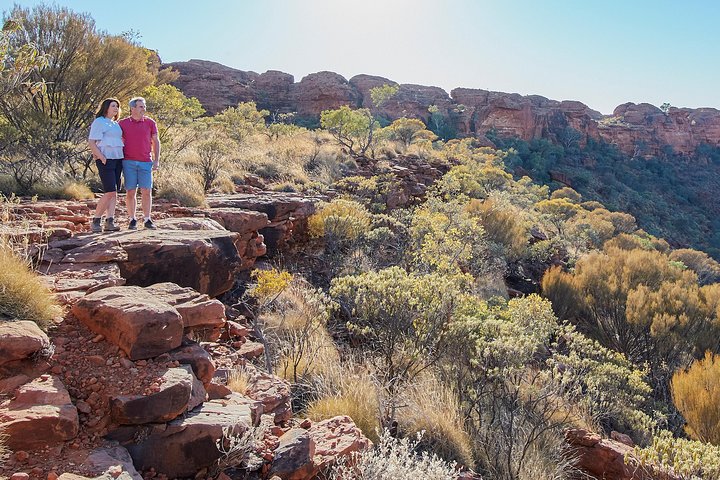
Alice Springs, about 450 km (280 miles) northeast and a 4.5 to 5 hour drive, has far more hostels and motels (dorms around A$35 to 50), but staying there turns the visit into a long day. Kings Canyon Resort, roughly 300 km away, is a useful stop on the road from Alice Springs. Free camping is not permitted in the park, and roadside camping nearby is limited to designated sites.

👛 Costs (as of 15 October 2026)Money, prices, and spending tips

A realistic backpacker budget for Uluṟu-Kata Tjuṯa National Park is about US$150 to 190 a day, and most of that goes on getting around and sleeping at Yulara, the only resort town nearby.
CategoryBudget RangeLocal Reality
Park passUS$25 to 27 per day (about US$17 for a 3-day pass)A 3-day pass is valid for three consecutive days and covers both Uluru and Kata Tjuta. Anyone under 18 enters free. Pay at the entry station or online, and the daily share drops to roughly US$9 if you use all three days.
Accommodation (high season)US$35 to 60Dorm beds at Outback Pioneer Lodge run about US$35 to 60. Powered or unpowered sites at Ayers Rock Campground cost about US$25 to 45 per site. Prices rise from May to September and during school holidays.
Accommodation (low season)US$25 to 45Summer is hot, so rates
… read more 👉
A realistic backpacker budget for Uluṟu-Kata Tjuṯa National Park is about US$150 to 190 a day, and most of that goes on getting around and sleeping at Yulara, the only resort town nearby.
CategoryBudget RangeLocal Reality
Park passUS$25 to 27 per day (about US$17 for a 3-day pass)A 3-day pass is valid for three consecutive days and covers both Uluru and Kata Tjuta. Anyone under 18 enters free. Pay at the entry station or online, and the daily share drops to roughly US$9 if you use all three days.
Accommodation (high season)US$35 to 60Dorm beds at Outback Pioneer Lodge run about US$35 to 60. Powered or unpowered sites at Ayers Rock Campground cost about US$25 to 45 per site. Prices rise from May to September and during school holidays.
Accommodation (low season)US$25 to 45Summer is hot, so rates soften and rooms are easier to find from December to February.
Local transportUS$0 to 50The free Yulara shuttle loops the resort. Hop-on hop-off park shuttles cost around US$25 to 45 per day, while a rental car from Ayers Rock Airport starts around US$80 to 130 per day before fuel, shared among passengers.
Food and suppliesUS$25 to 50The Yulara supermarket sells groceries at remote-town markups, often 30 to 50 percent above city prices. A pub meal or café lunch costs US$15 to 30, and self-catering keeps costs down.
Tours and activitiesUS$0 to 40Ranger-guided walks and base walks are free or cheap. Paid sunrise or Field of Light experiences run about US$40 to 150 and are optional.
Total Daily BudgetUS$150 to 190Based on a park pass share, a high-season dorm or campsite, a shared transport share, self-catered food and one low-cost activity.


source: parksaustralia.gov.au
⚠️ Prices can change and everyone travels differently, so take this as a rough guide. Hope it helps you plan your adventure!

🥾 TrailsExploring Uluṟu-Kata Tjuṯa: trails, terrain, and views

The park has two main hiking areas, 30 kilometers apart, and nearly every walk is a well-marked track on red sand or rocky ground with little shade. Wildlife you are likely to see includes zebra finches, small lizards, red kangaroos and the occasional dingo near dawn.
  • Uluru Base Walk: 10.6 kilometers, 3 to 4 hours, easy and flat. It circles the rock on sand and gravel, passes waterholes and rock art, and has a few sections where photography is not allowed.
  • Mala Walk: 2 kilometers return, about 1.5 hours, easy. It follows the northwest base to Kantju Gorge with rock art and a deep echoing gorge.
  • Kuniya
… read more 👉
The park has two main hiking areas, 30 kilometers apart, and nearly every walk is a well-marked track on red sand or rocky ground with little shade. Wildlife you are likely to see includes zebra finches, small lizards, red kangaroos and the occasional dingo near dawn.
  • Uluru Base Walk: 10.6 kilometers, 3 to 4 hours, easy and flat. It circles the rock on sand and gravel, passes waterholes and rock art, and has a few sections where photography is not allowed.
  • Mala Walk: 2 kilometers return, about 1.5 hours, easy. It follows the northwest base to Kantju Gorge with rock art and a deep echoing gorge.
  • Kuniya Walk: 1 kilometer return, about 45 minutes, easy. It leads to Mutitjulu Waterhole and its dark-streaked wall.
  • Liru Walk: 4 kilometers return, about 1.5 hours, easy. It runs from the cultural center to the base of Uluru through mulga woodland.
  • Walpa Gorge Walk: 2.6 kilometers return, about 1 hour, easy to moderate. A rocky path climbs between two domes, shaded and often windy.
  • Valley of the Winds Walk: 7.4 kilometers loop, 3 to 4 hours, moderate to hard. It has steep rocky sections, two lookouts and a creek crossing in the gorge. Rangers close it on hot days, typically when the forecast hits 36°C (97°F), and walkers must start early.
The park is reached by road along the Lasseter Highway, and the nearest airport is Ayers Rock (Connellan) Airport, with shuttles to Yulara village, the base for visitors. There is no regular public transport to the walks themselves. Shuttle buses and rental cars connect the village with the sites, so plan around that. Crowds peak at sunrise and sunset viewing areas, while trails are quiet by midday. A park pass is required for entry, valid for three consecutive days, and sold at the entry station and online.
⚠️ Hiking info can sometimes be outdated or inaccurate. Before you hit the trail, check the latest conditions with locals. If you do spot anything that's off, I'd love to hear from you, so I can update it for fellow travelers.

🛡️ SafetyScams, Hazards, and Annoyances

Heat is the one hazard that regularly causes real trouble here, so plan your day around it. From October to March, start walks at sunrise and finish by 10 am. Carry at least 1 liter of water per hour of walking, and refill at the cultural centre or at Yulara. The 10.6 km (6.6 mile) Uluru base walk is flat, but it has almost no shade, and the 7.4 km (4.6 mile) Valley of the Winds loop at Kata Tjuta has rocky climbs and closes in extreme heat.
The terrain is easy to follow on marked tracks. Stay on them, because the surrounding desert is fragile, and some areas are sacred and off limits for photography. Climbing Uluru has been banned since 2019.
Wildlife rarely causes problems. Snakes and dingoes are present but shy, so keep your distance, stay away from dingoes and do not feed them. Flies are … read more 👉
Heat is the one hazard that regularly causes real trouble here, so plan your day around it. From October to March, start walks at sunrise and finish by 10 am. Carry at least 1 liter of water per hour of walking, and refill at the cultural centre or at Yulara. The 10.6 km (6.6 mile) Uluru base walk is flat, but it has almost no shade, and the 7.4 km (4.6 mile) Valley of the Winds loop at Kata Tjuta has rocky climbs and closes in extreme heat.
The terrain is easy to follow on marked tracks. Stay on them, because the surrounding desert is fragile, and some areas are sacred and off limits for photography. Climbing Uluru has been banned since 2019.
Wildlife rarely causes problems. Snakes and dingoes are present but shy, so keep your distance, stay away from dingoes and do not feed them. Flies are a nuisance, and a head net is worth the A$10. Mobile coverage is patchy beyond Yulara, so tell someone your plans if you drive nearby.

FAQTraveler FAQ

Plan on two to three days. That gives you a sunrise or sunset at Uluru, the 10.6 km base walk, the Valley of the Winds or Walpa Gorge at Kata Tjuta, and the Cultural Centre. The park pass covers three consecutive days, so stretching to a third day costs nothing extra, and many people add a fourth for Kings Canyon.
Yes, but you will pay for it. Flights from Sydney, Melbourne, Cairns and Alice Springs land at Ayers Rock Airport, and a free airport shuttle meets flights. From Yulara, hop-on hop-off shuttles cover Uluru and Kata Tjuta (about A$40 or more for a multi-day pass), and you can cycle the 10.6 km base track on hire bikes. Group tours from Alice Springs take 3 days and cost roughly A$500 to 900.
Yes. Entry to the national park needs a pass, which costs about A$38 to 50 for adults for three consecutive days. Children under 18 get in free, and you can buy passes online or at the gate on Yulara Drive. No separate permit is needed for the standard walks, but drones are banned and photography is not allowed at some sacred sites.
⚠️ Things can change over time, so always validate details locally before you go.

Other Australian national parks near Uluṟu-Kata Tjuṯa

Explore more nearby:


💡 Not sure where to go next?
Create a personalized itinerary for Australia including Uluṟu-Kata Tjuṯa and the places that fit your trip.

Generate my itinerary

👉 Discover all national parks

Or checkout all Australia has to offer (think cities, towns, villages, national parks, hikes, beaches, festivals)
Country photo of Australia

We 💚 feedbackKey takeaways before you go

Pair Uluru with Kings Canyon and Alice Springs on a loop through the Red Centre, and give yourself at least two nights at the rock so you are not rushing between the sunrise and the long Valley of the Winds walk. I would do the base walk at dawn, skip the midday heat, and bring a fly net.

✈️ When did I visit Australia?
On my trip to New Zealand in 1993, I had a short stop in Australia as well.

✍️ Help improve this page!
The information on this page is based on my own backpacking experience in Australia, supplemented with up-to-date research and feedback from other travelers. Travel details can change, so if you notice anything outdated or incomplete, feel free to let me know.


🙋‍♂️ Give feedback

👋 Meet the founderWho’s Behind Take Your Backpack?

Johan, backpacker and founder of TakeYourBackpackHi, I’m Johan (Netherlands 🇳🇱), the creator of TakeYourBackpack. Over the past 3 decades, I’ve backpacked through 90+ countries across six continents, gaining extensive experience with independent travel, long-term trips, and overland routes.

This site is built on a combination of firsthand travel experience and carefully curated insights from other backpackers. Many guides are based on places I’ve personally visited, while others bring together tips, observations, and practical advice shared by trusted travelers I’ve met along the way.

The goal is to provide realistic, experience-driven guidance — not generic itineraries — so you can explore destinations with better context, clearer expectations, and more confidence.