×

Belgium🇧🇪 | best regionsDiscover the Best regions Across Belgium

Belgium is a patchwork of regions, each with its own climate, landscapes, and cultural character. From the bustling streets of Brussels to the serene canals of Bruges, your choice of region can dramatically shape your backpacking experience. The Flemish north offers vibrant cities and a lively atmosphere, while the Walloon south is rich in history and natural beauty. Seasonal nuances also play a role; summer festivals contrast with winter markets, affecting both budget and safety. Understanding these regional differences is crucial for independent travelers seeking authentic immersion. Choose wisely, and you’ll unlock the true essence of Belgium.

By Johan Kruseman 🇳🇱 | Updated June 18, 2026
Explore the best cities in Belgium

Why go?What Makes Them Special

Belgium’s regions are a microcosm of Europe, each offering a unique blend of climatic diversity, cultural character, and landscape variety. The country’s compact size means you can traverse its distinct regions in a matter of hours, yet each area feels like a world apart. From the rolling hills of the Ardennes to the flat plains of Flanders, the geographical contrasts are striking.

However, this diversity comes with trade-offs. While you can easily hop from one region to another, the depth of experience may suffer. A quick train ride might get you to a new locale, but the real magic often lies in lingering longer to soak up the local culture and history. Belgium’s infrastructure is generally excellent, making travel convenient, but the temptation to rush through can lead to missing out on … read more 👉
Belgium’s regions are a microcosm of Europe, each offering a unique blend of climatic diversity, cultural character, and landscape variety. The country’s compact size means you can traverse its distinct regions in a matter of hours, yet each area feels like a world apart. From the rolling hills of the Ardennes to the flat plains of Flanders, the geographical contrasts are striking.

However, this diversity comes with trade-offs. While you can easily hop from one region to another, the depth of experience may suffer. A quick train ride might get you to a new locale, but the real magic often lies in lingering longer to soak up the local culture and history. Belgium’s infrastructure is generally excellent, making travel convenient, but the temptation to rush through can lead to missing out on the nuances that define each region.

Culturally, Belgium is a tapestry woven from Flemish, Walloon, and German-speaking influences, creating a rich historical narrative that’s palpable in its architecture and traditions. Yet, this complexity can also be a barrier for those seeking a straightforward travel experience. Understanding the local languages and customs is crucial for a more immersive journey.

In essence, Belgium rewards those willing to invest time in its regions, but travelers should be prepared for the balancing act between accessibility and depth of exploration.
Behind the Scenes of Selection
The list of best regions in Belgium is created based on landscapes, local culture, attractions, vibes, and overall appeal. If you feel a region is missing in this list, please let us know.

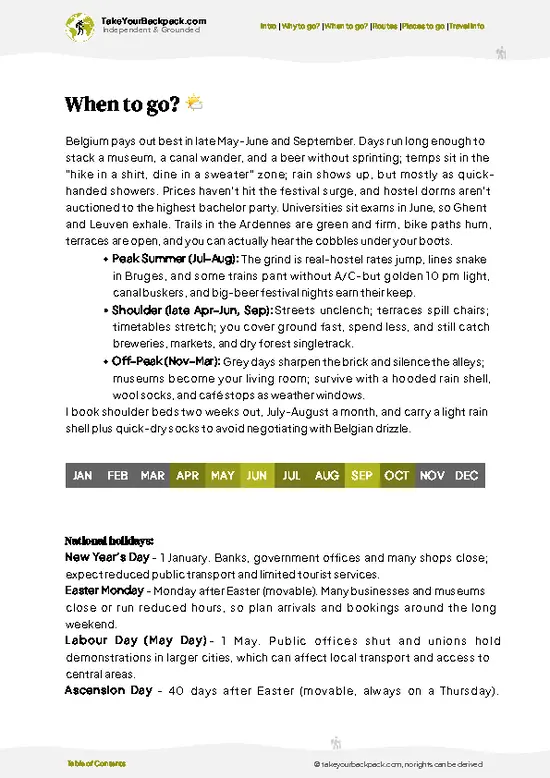
When to go?Best Time to Visit Belgium for regions

Climate Variation
Belgium’s weather can be as unpredictable as a toddler in a candy store. Winters are chilly, often damp, while summers can be surprisingly warm. Spring and autumn offer a mix of mild temperatures and occasional rain, making them ideal for those who prefer to dodge the extremes.

Optimal Months
Late spring through early autumn is prime time for visiting. May to September showcases the best weather, with long days and vibrant outdoor life. However, this is also when the crowds swarm, especially during festivals.

Shoulder Seasons
Visiting in late autumn or early spring can be a savvy choice. Fewer tourists mean less hassle, and prices often dip. However, be prepared for unpredictable weather. Rain is a frequent visitor, and some attractions may operate on reduced hours. … read more 👉
Climate Variation
Belgium’s weather can be as unpredictable as a toddler in a candy store. Winters are chilly, often damp, while summers can be surprisingly warm. Spring and autumn offer a mix of mild temperatures and occasional rain, making them ideal for those who prefer to dodge the extremes.

Optimal Months
Late spring through early autumn is prime time for visiting. May to September showcases the best weather, with long days and vibrant outdoor life. However, this is also when the crowds swarm, especially during festivals.

Shoulder Seasons
Visiting in late autumn or early spring can be a savvy choice. Fewer tourists mean less hassle, and prices often dip. However, be prepared for unpredictable weather. Rain is a frequent visitor, and some attractions may operate on reduced hours.

Peak Periods
Summer festivals draw large crowds, and hotel prices can skyrocket. If experiencing local culture is a priority, timing your visit around these events can be rewarding, but expect to share the space with many others.

Seasonal Constraints
Travelers should consider that some attractions may close or have limited hours in winter. The trade-off between comfort and experience is crucial; visiting during peak season guarantees lively atmospheres but at the cost of tranquility. Balancing timing with personal preferences is key to a fulfilling trip.

region hoppingTips for Visiting Multiple Destinations

Belgium’s Travel Logic
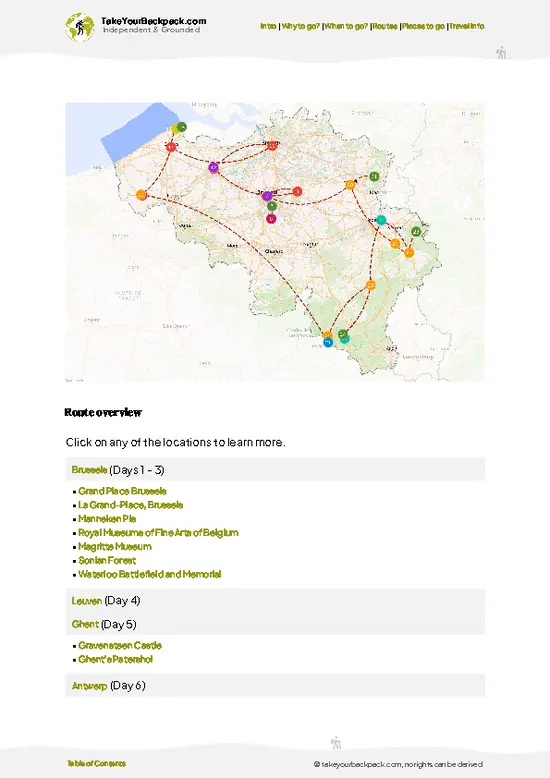
Belgium is compact, making it a breeze to hop between regions. Start in Brussels, the central hub, then fan outwards. Head north to Flanders for medieval towns and vibrant culture, then south to Wallonia for stunning nature and hearty cuisine. This zigzagging approach maximizes your experience without exhausting your patience.

Timing Your Stops
Aim for two to three hours per major stop. This keeps the pace lively without feeling rushed. Spend a bit longer in places that resonate, like Bruges or Ghent, where wandering the cobblestone streets is half the joy.

Common Pitfalls
Many travelers overestimate their stamina. Trying to cram in too many spots leads to burnout. Prioritize quality over quantity. It’s better to savor a few locations than to sprint through a dozen. … read more 👉
Belgium’s Travel Logic
Belgium is compact, making it a breeze to hop between regions. Start in Brussels, the central hub, then fan outwards. Head north to Flanders for medieval towns and vibrant culture, then south to Wallonia for stunning nature and hearty cuisine. This zigzagging approach maximizes your experience without exhausting your patience.

Timing Your Stops
Aim for two to three hours per major stop. This keeps the pace lively without feeling rushed. Spend a bit longer in places that resonate, like Bruges or Ghent, where wandering the cobblestone streets is half the joy.

Common Pitfalls
Many travelers overestimate their stamina. Trying to cram in too many spots leads to burnout. Prioritize quality over quantity. It’s better to savor a few locations than to sprint through a dozen.

Trade-offs to Consider
Speed often sacrifices depth. A quick visit to a famous site might leave you feeling hollow. Budget constraints can also limit comfort; consider splurging on a cozy stay in a charming town over a budget hotel in a busy city. Flexibility is key; allow for spontaneous detours that might lead to unexpected delights. Embrace the absurdities of travel, and remember: the journey is part of the adventure.

The ListThe Best regions of Belgium

1 Semois Valley

wooded hills, tobacco farms, riverside villages

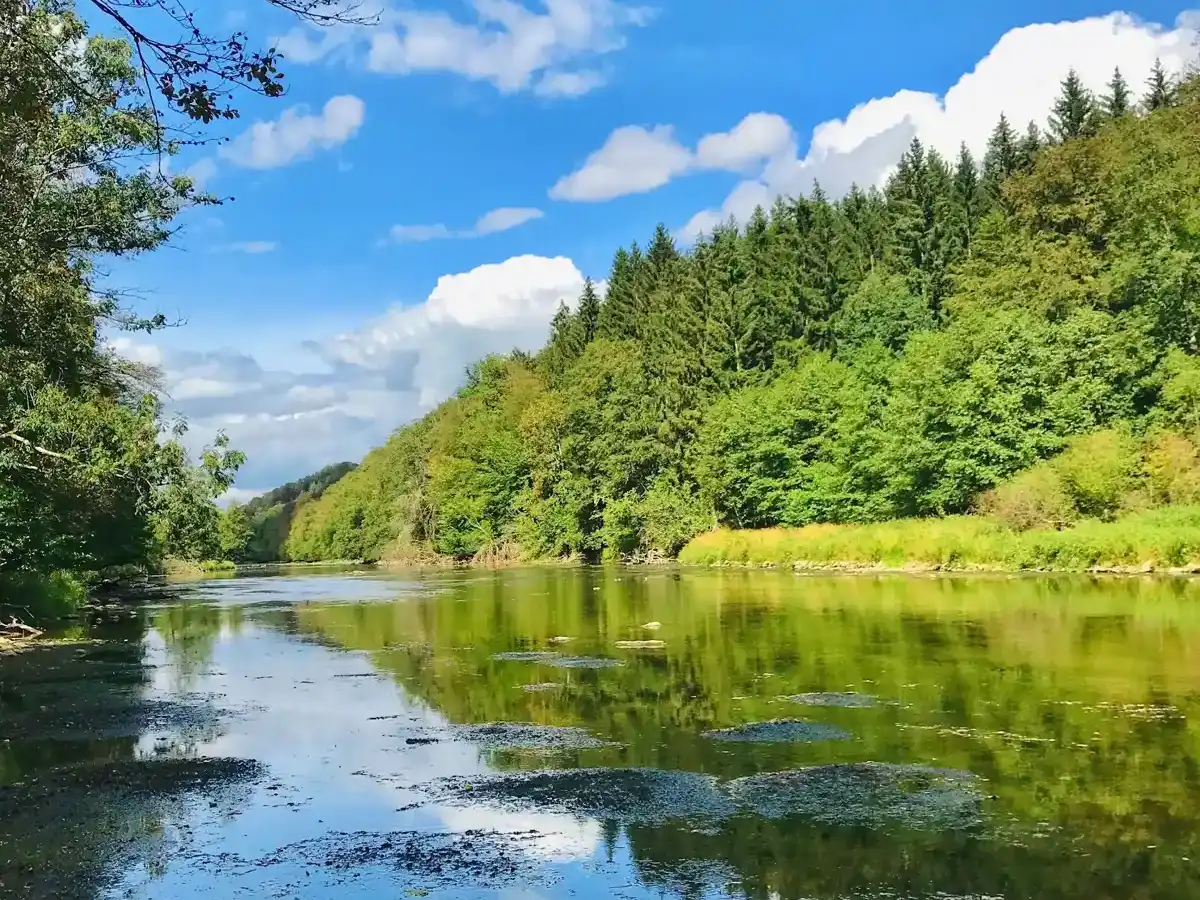
Follow winding roads through dense forests and quiet hamlets, where the landscape shapes daily life and local traditions endure along the river.

Loading the map 🌍

Expert viewTips and Advice from Travelers

Regions to Explore
Belgium is a patchwork of distinct regions, each with its own flavor. I’d recommend tackling at least three regions to get a real sense of the country’s diversity. You’ll want to balance your time between the Flemish north, the Walloon south, and the capital, Brussels. Each area offers a unique cultural experience, from the Dutch-influenced architecture of Flanders to the French-speaking charm of Wallonia.

Transport Between Regions
Getting around Belgium is surprisingly easy, thanks to a robust train network that connects most regions efficiently. However, don’t underestimate the time it takes to navigate train schedules, especially during peak hours. You might find yourself waiting longer than expected for a connection, so plan for some downtime. If you’re in a hurry, … read more 👉
Regions to Explore
Belgium is a patchwork of distinct regions, each with its own flavor. I’d recommend tackling at least three regions to get a real sense of the country’s diversity. You’ll want to balance your time between the Flemish north, the Walloon south, and the capital, Brussels. Each area offers a unique cultural experience, from the Dutch-influenced architecture of Flanders to the French-speaking charm of Wallonia.

Transport Between Regions
Getting around Belgium is surprisingly easy, thanks to a robust train network that connects most regions efficiently. However, don’t underestimate the time it takes to navigate train schedules, especially during peak hours. You might find yourself waiting longer than expected for a connection, so plan for some downtime. If you’re in a hurry, consider renting a car, but be prepared for the joys of urban driving and parking challenges.

Cultural Variation
Cultural nuances are everywhere. In Flanders, you’ll encounter a more straightforward, no-nonsense attitude, while Wallonia tends to embrace a more relaxed, leisurely pace. This can affect everything from dining to service. If you’re in a rush, you might find the slower pace in Wallonia frustrating, but it’s also where you’ll discover some of the country’s best culinary delights.

Pacing Trade-Offs
You’ll need to make some tough choices about how to allocate your time. If you spend too long in one region, you risk missing out on the others. A week is a solid timeframe to explore three regions, but if you’re only in Belgium for a few days, focus on just one or two to avoid the travel grind. Remember, it’s not about checking boxes; it’s about soaking in the local vibe.

Safety & Cultural Considerations
Belgium is generally safe, but like any place, stay aware of your surroundings, especially in crowded areas. The cultural differences can also catch you off guard. For instance, in Flanders, it’s common to greet with a firm handshake, while in Wallonia, a kiss on both cheeks is the norm. These little quirks can lead to awkward moments, but they’re also a chance to connect with locals.

Budgeting for Experiences
Belgium can be a mixed bag when it comes to costs. You can find affordable eats at local markets or splurge on Michelin-starred restaurants. Allocate your budget wisely; prioritize experiences that resonate with you. If you’re a beer enthusiast, don’t skimp on a brewery tour. If art is your jam, invest in museum passes.

Final Thoughts
Ultimately, the beauty of Belgium lies in its contrasts. Each region tells a different story, and the effort you put into exploring them will pay off in rich experiences. Embrace the quirks, the delays, and the unexpected encounters. They’re all part of the adventure. So grab your map, pack your sense of humor, and dive into the delightful chaos that is Belgium.

✈️ The backpacker research shortcutBelgium Travel Guide

An offline-friendly backpacking guide with optimized travel routes, ranked highlights, transport advice, and the best areas to stay.
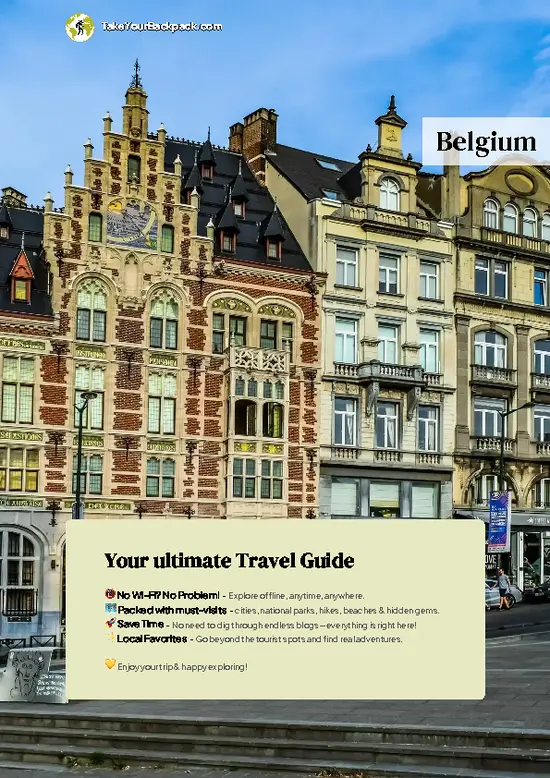
example page 0 from our offline Travel Guide for Belgium
example page 1 from our offline Travel Guide for Belgium
example page 2 from our offline Travel Guide for Belgium
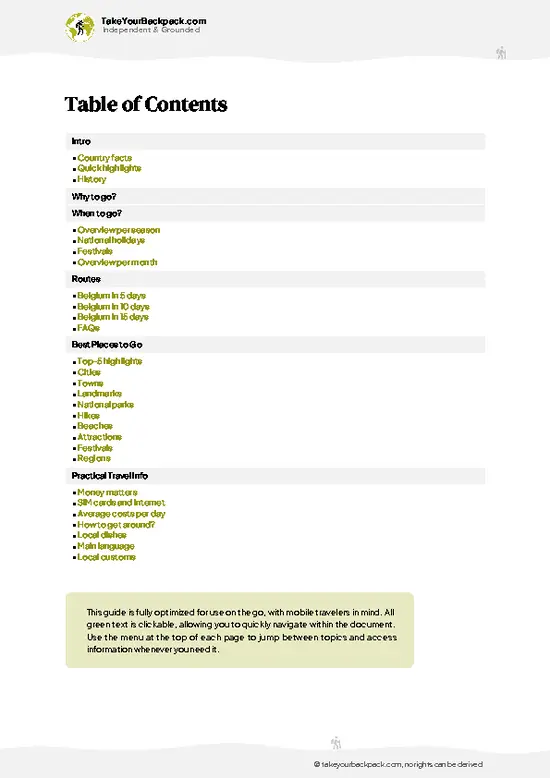
example page 3 from our offline Travel Guide for Belgium
example page 4 from our offline Travel Guide for Belgium
example page 5 from our offline Travel Guide for Belgium
example page 6 from our offline Travel Guide for Belgium
example page 7 from our offline Travel Guide for Belgium
The digital guide (355 pages) contains:
90 highlights, ranked by travel appeal
Optimized 5, 10 & 15-day travel routes
Cities, national parks, landmarks, beaches
How to get around
Offline-friendly for travel without Wi-Fi
👉 Click to see all 30+ guide features

📅 Plan smarter in minutes, not weeks
Month by month travel advice
Festivals & national holidays
Budget expectations

🗺️ Go to the right places, skip the overrated ones
Honest pros & cons of destinations
Top hikes, parks & viewpoints
Lesser-known places most travelers miss
Clear “worth it vs skip it” guidance

🛏️ Travel smoothly without rookie mistakes
Best areas to stay
Transport systems explained simply
Common scams & safety advice
SIM cards, money & practical tips

🌍 Understand the country, not just visit it
Culture & traditions
52 Essential phrases & customs
Festivals worth planning around
Traveler-friendly historical context
Insights that make places more meaningful

📱 Built for real travel conditions
Fully downloadable PDF
Works completely offline
Optimized for phone use
Useful in remote areas & buses
Everything in one place
Save weeks of stressful planning
Get instant access to your full guide. 30‑day money-back guarantee.


By proceeding you agree to our terms.
Sent to your inbox immediately after payment • 100% Secure Checkout
Best Backpacking Travel Advisor 2025 tourism awardBest Backpacking
Travel Advisor
2025
What others say about Take Your Backpack Guides:
⭐⭐⭐⭐⭐
Fantastic, amazing amount of information!
⭐⭐⭐⭐⭐
My goodness this is amazing, it's what I've been looking for hats off too you!
⭐⭐⭐⭐⭐
I think this is absolutely BRILLIANT
⭐⭐⭐⭐
Very complete and informative. It's still missing places, but I gotta to commend you
⭐⭐⭐⭐⭐
This is truly amazing, thank you, can't wait to explore it with my kids!
⭐⭐⭐⭐⭐
Awesome resource, thank you!
⭐⭐⭐⭐⭐
This is amazing! Can't wait to explore the ones I haven't seen
⭐⭐⭐⭐
I love this! Well done, great idea.
⭐⭐⭐⭐⭐
Thanks for taking the time to make this gem!
⭐⭐⭐⭐⭐
This might be the best website I've ever seen.
⭐⭐⭐⭐⭐
Congratulations, and thank you so much for your work; it's incredibly valuable.
⭐⭐⭐⭐
In all seriousness I think you did a great job pointing out the important spots
⭐⭐⭐⭐⭐
10/10 very good
⭐⭐⭐⭐⭐
As someone who's only just starting to visit regularly this is awesome, thank you.
⭐⭐⭐⭐
Thank you very much! I'm going to visit my dad, it's going to be very useful!
⭐⭐⭐⭐⭐
This is really cool! We'll be travelling for the first time and this definitely come in handy.
⭐⭐⭐⭐⭐
You are now our minister of culture, congratulations 👨‍💼
⭐⭐⭐⭐⭐
Just wanted to tell you that this is a pearl! Going to follow your recommendations.
⭐⭐⭐⭐⭐
This is so cool. I'll definitely be using the resource for my travels soon.
⭐⭐⭐⭐⭐
This is very impressive! Good work.
⭐⭐⭐⭐⭐
This is an amazing and informative site. Very well done!

🛏️ Where to stay?Where to Stay: Belgium Edition

Yes — hostels and budget accommodation are widely available across Belgium, concentrated in major cities: Brussels (City Centre/Marolles, Ixelles), Antwerp (Old Town/Meir, Zurenborg), Ghent (Patershol, Graslei/Korenlei), Bruges (Historic Centre/around the Markt) and Leuven (University district).
Brussels areas put you close to landmarks and transport but can be noisy and touristy; Antwerp neighborhoods offer strong nightlife and central access though some parts are more industrial; Ghent is lively, safe and student-oriented but can be crowded on weekend nights; Bruges is picturesque and walkable but has fewer cheap beds and heavy daytime tourism; Leuven provides reliable, budget-heavy student … read more 👉
Yes — hostels and budget accommodation are widely available across Belgium, concentrated in major cities: Brussels (City Centre/Marolles, Ixelles), Antwerp (Old Town/Meir, Zurenborg), Ghent (Patershol, Graslei/Korenlei), Bruges (Historic Centre/around the Markt) and Leuven (University district).
Brussels areas put you close to landmarks and transport but can be noisy and touristy; Antwerp neighborhoods offer strong nightlife and central access though some parts are more industrial; Ghent is lively, safe and student-oriented but can be crowded on weekend nights; Bruges is picturesque and walkable but has fewer cheap beds and heavy daytime tourism; Leuven provides reliable, budget-heavy student accommodation with good nightlife but a smaller overall selection.

If you enjoy meeting fellow travelers, consider choosing hostels with high ratings for atmosphere. On the other hand, if you prefer having your own space, a hotel might be a better option.

BelgiumExplore Beyond This Category

👋 Meet the founderWho’s Behind Take Your Backpack?

Johan, backpacker and founder of TakeYourBackpackHi, I’m Johan (Netherlands 🇳🇱), the creator of TakeYourBackpack. Over the past decade, I’ve backpacked through 80+ countries across six continents, gaining extensive experience with independent travel, long-term trips, and overland routes.

This site is built on a combination of firsthand travel experience and carefully curated insights from other backpackers. Many guides are based on places I’ve personally visited, while others bring together tips, observations, and practical advice shared by trusted travelers I’ve met along the way.

The goal is to provide realistic, experience-driven guidance — not generic itineraries — so you can explore destinations with better context, clearer expectations, and more confidence.

Get full Belgium guide •
Instant download • 90 highlights • Full Offline guide