×

Belgium🇧🇪 | best hikesDiscover the 10 Best hikes Across Belgium

Belgium’s hiking trails offer a delightful mix of scenery and difficulty, perfect for the independent traveler. From the rolling hills of the Ardennes to the flatlands of Flanders, each region presents unique challenges and rewards. Seasonal changes can dramatically alter trail conditions, so timing your hike is crucial.

Choosing the right hike impacts your vibe—a leisurely stroll through Bruges’ countryside feels worlds apart from a rugged trek in the High Fens. Consider your budget too; some trails are free, while others may require permits. Ultimately, the right choice shapes your experience, influencing everything from safety to cultural immersion.

By Johan Kruseman 🇳🇱 | Updated June 20, 2026
Explore the best beaches in Belgium

Why go?What Makes Them Special

Hiking in Belgium offers a unique blend of terrain variety and cultural richness that sets it apart from many other countries. While it may lack the towering peaks of the Alps, Belgium compensates with its rolling hills, dense forests, and picturesque valleys. The Ardennes region, for instance, provides rugged trails that challenge even seasoned hikers, while the flatlands offer leisurely strolls for those seeking a more relaxed experience.

Altitude is a consideration here; the highest point barely scrapes 694 meters. This means that while the hikes may not be physically daunting, they reward with stunning views and a chance to connect with Belgium’s rich history. The trails are often well-marked and maintained, making navigation straightforward, but this infrastructure can lead to crowded … read more 👉
Hiking in Belgium offers a unique blend of terrain variety and cultural richness that sets it apart from many other countries. While it may lack the towering peaks of the Alps, Belgium compensates with its rolling hills, dense forests, and picturesque valleys. The Ardennes region, for instance, provides rugged trails that challenge even seasoned hikers, while the flatlands offer leisurely strolls for those seeking a more relaxed experience.

Altitude is a consideration here; the highest point barely scrapes 694 meters. This means that while the hikes may not be physically daunting, they reward with stunning views and a chance to connect with Belgium’s rich history. The trails are often well-marked and maintained, making navigation straightforward, but this infrastructure can lead to crowded paths, especially in peak seasons.

Logistics also play a crucial role. Many trails are easily accessible via public transport, but this convenience can come at the cost of deeper exploration. The trade-off between travel time and immersive experiences is palpable; a quick jaunt may yield less of the soul-stirring scenery that longer treks provide.

Weather can be unpredictable, adding another layer of complexity. Rain is common, so timing your hikes is essential for safety and enjoyment. Overall, Belgium’s hiking landscape is a delightful mix of accessibility and charm, but understanding these nuances is key to making the most of your adventure.
How the List Was Created
The list of best hikes in Belgium is created based on scenery, challenge, trail quality, landmarks, and overall enjoyment. If you feel a hike is missing in this list, please let us know.

When to go?Best Time to Visit Belgium for hikes

Seasonality plays a crucial role in hiking across Belgium. The country experiences a temperate maritime climate, meaning mild winters and cool summers. Spring and autumn are often the best times for hiking, offering moderate temperatures and vibrant landscapes.

Optimal months typically fall between April and June, and September to October. During these periods, trails are less crowded, and the weather is generally cooperative. Daylight hours are longer in spring and early summer, allowing for extended hikes without the pressure of racing the sunset.

Shoulder seasons present a mixed bag. Spring brings blooming flora, but also unpredictable showers. Autumn showcases stunning foliage, yet the weather can turn brisk. Crowds are thinner, which means less competition for those picturesque views, … read more 👉
Seasonality plays a crucial role in hiking across Belgium. The country experiences a temperate maritime climate, meaning mild winters and cool summers. Spring and autumn are often the best times for hiking, offering moderate temperatures and vibrant landscapes.

Optimal months typically fall between April and June, and September to October. During these periods, trails are less crowded, and the weather is generally cooperative. Daylight hours are longer in spring and early summer, allowing for extended hikes without the pressure of racing the sunset.

Shoulder seasons present a mixed bag. Spring brings blooming flora, but also unpredictable showers. Autumn showcases stunning foliage, yet the weather can turn brisk. Crowds are thinner, which means less competition for those picturesque views, but be prepared for the occasional muddy trail.

Peak periods occur in July and August, when families flock to the outdoors. Expect busy trails and higher accommodation costs. Rainfall is also more frequent during these months, which can dampen the experience.

Seasonal constraints include shorter daylight hours in winter, limiting hiking options. Snow can also blanket higher altitudes, making trails inaccessible. Always consider safety and recovery needs when planning hikes, as conditions can shift rapidly.

hike hoppingTips for Visiting Multiple Destinations

Routing Logic

Belgium’s compact size makes it a hiker’s playground, but don’t let that fool you into thinking you can blitz through it. Start in the Ardennes for those rugged trails, then ease into the rolling hills of Flanders. This regional clustering allows for a natural flow, minimizing backtracking and maximizing scenic variety.

Timing and Pacing

Plan for about three to four hours per hike, depending on difficulty. Factor in recovery time; a day of strenuous hiking deserves a leisurely evening. Don’t underestimate the power of a good Belgian beer to recharge those legs.

Common Mistakes

Travelers often overestimate their stamina. Combining too many hikes in a day can lead to exhaustion and missed experiences. Prioritize quality over quantity; it’s better to savor a few trails than … read more 👉

Routing Logic

Belgium’s compact size makes it a hiker’s playground, but don’t let that fool you into thinking you can blitz through it. Start in the Ardennes for those rugged trails, then ease into the rolling hills of Flanders. This regional clustering allows for a natural flow, minimizing backtracking and maximizing scenic variety.

Timing and Pacing

Plan for about three to four hours per hike, depending on difficulty. Factor in recovery time; a day of strenuous hiking deserves a leisurely evening. Don’t underestimate the power of a good Belgian beer to recharge those legs.

Common Mistakes

Travelers often overestimate their stamina. Combining too many hikes in a day can lead to exhaustion and missed experiences. Prioritize quality over quantity; it’s better to savor a few trails than to rush through many.

Trade-offs and Constraints

Speed versus depth is a constant battle. While it’s tempting to cover ground quickly, the real reward lies in lingering at viewpoints or enjoying local cuisine. Budget constraints can also affect comfort; consider staying in charming guesthouses near trailheads to balance cost with experience. Flexibility is key—allow for spontaneous detours that might lead to unexpected delights.

The ListThe Best hikes of Belgium

1 Ninglinspo River Hike

rocky streambeds, mossy gorges, natural pools

Scramble along a twisting riverbed, crossing boulders and waterfalls, with every turn revealing a new pocket of wild, green scenery.

belgium-hike-ninglinspo-river-hike
© Google |

2 Semois Valley Trail

meandering river, wooded slopes, tobacco fields

Follow the river’s bends through steep forests and past old tobacco barns, where the landscape tells stories of changing livelihoods.

belgium-hike-semois-valley-trail
© Google |

3 Ardennes

dense forests, rolling hills, remote villages

Navigate winding woodland tracks and open ridges, passing through isolated hamlets where rural life shapes the landscape and pace.

belgium-hike-ardennes
© Google |

4 Famenne-Ardenne Geopark

limestone caves, karst valleys, geological sites

Trace the region’s geological story on foot, moving between dramatic sinkholes, ancient rock formations, and underground river passages.

5 GR 57 Trail

Ourthe valley, river cliffs, medieval villages

Descend into river valleys and climb limestone bluffs, passing through centuries-old settlements shaped by the water’s path.

6 GR 129 Trail

rural farmland, small towns, east-west traverse

Walk across Belgium’s breadth, linking quiet agricultural regions and local communities rarely seen by those who stick to main roads.

belgium-hike-gr-129-trail
© Google |

7 GR 5 Trail

cross-border route, varied terrain, long-distance

Traverse Belgium’s length as part of a greater European journey, encountering changing landscapes and cultures with every stage.

belgium-hike-gr-5-trail
© Google |

8 GR 12 Trail

urban parks, Flemish countryside, Brussels to Paris

Leave the city behind and cross open fields and parklands, tracing a route that connects two capitals through quiet rural scenery.

9 GR 126 Trail

Lesse river, limestone plateaus, forest corridors

Move along the Lesse’s winding course, alternating between high plateaus and shaded woods, with river views at nearly every stage.

10 De Panne Nature Reserve

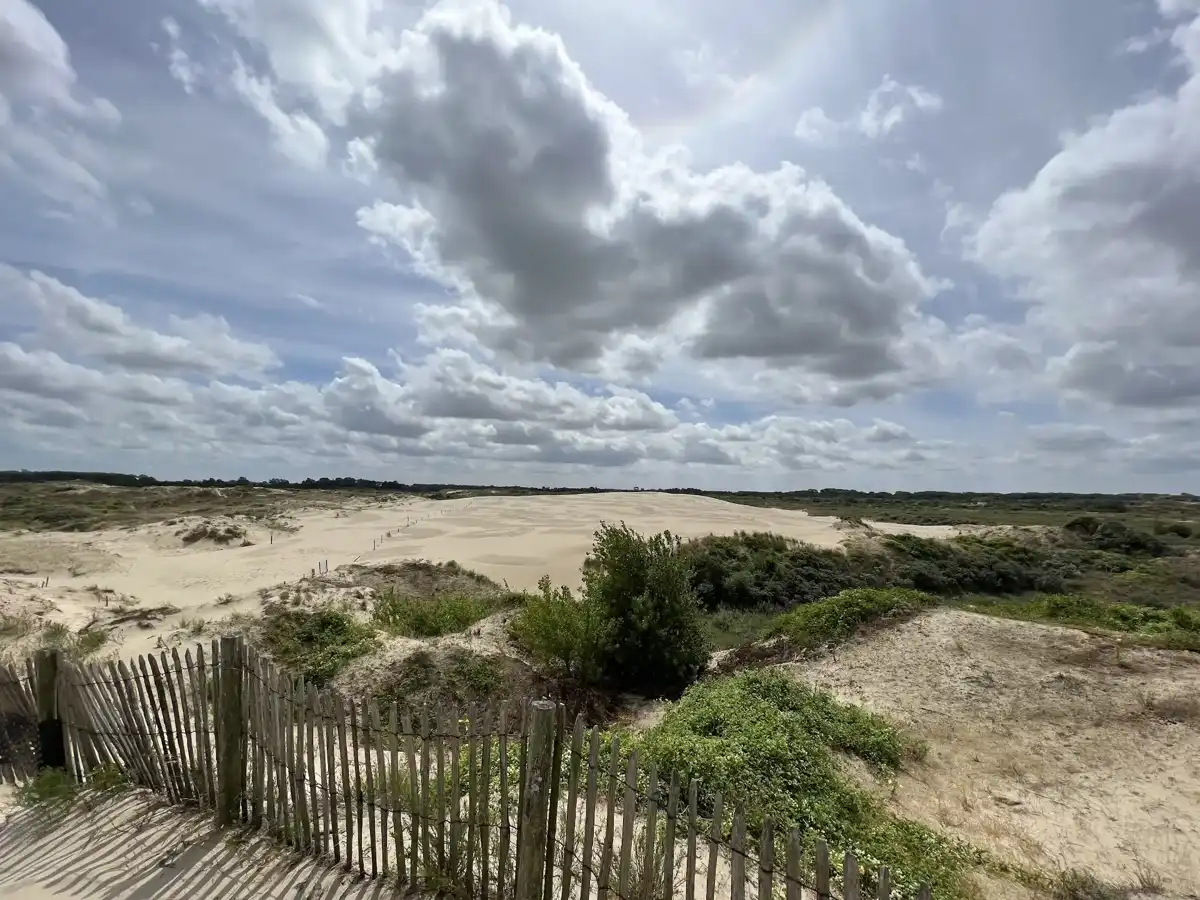
coastal dunes, salt marshes, migratory birds

Follow sandy trails through shifting dunes and tidal flats, watching for seasonal birdlife and the subtle changes of the North Sea coast.

belgium-hike-de-panne-nature-reserve
© Google | Sandra Reichler
Loading the map 🌍

Expert viewTips and Advice from Travelers

Essential Hikes


Belgium may not be the Alps, but it offers a delightful variety of hikes that pack a punch. Aim for three to five hikes during your visit to really soak in the diverse landscapes. The Ardennes region is a must, with its rolling hills and dense forests. Expect trails that range from leisurely strolls to more challenging treks. The elevation isn’t going to leave you gasping for air, but don’t underestimate the muddy paths after a rain. A good pair of waterproof boots is your best friend here.

Timing is everything. Most hikes can be tackled in a half-day to a full day, but don’t rush. Take your time to enjoy the local culture. Grab a beer at a roadside café or sample some local cheese. Just remember, the more you linger, the more you’ll need to pace yourself.

Budget-wise, … read more 👉

Essential Hikes


Belgium may not be the Alps, but it offers a delightful variety of hikes that pack a punch. Aim for three to five hikes during your visit to really soak in the diverse landscapes. The Ardennes region is a must, with its rolling hills and dense forests. Expect trails that range from leisurely strolls to more challenging treks. The elevation isn’t going to leave you gasping for air, but don’t underestimate the muddy paths after a rain. A good pair of waterproof boots is your best friend here.

Timing is everything. Most hikes can be tackled in a half-day to a full day, but don’t rush. Take your time to enjoy the local culture. Grab a beer at a roadside café or sample some local cheese. Just remember, the more you linger, the more you’ll need to pace yourself.

Budget-wise, you’re looking at minimal costs for trail access, but factor in food and drink. A hearty meal can set you back a bit, especially if you’re indulging in those famous Belgian fries.

Overrated Hikes


Some trails are more hype than substance. Avoid the overly commercialized paths that promise “breathtaking views” but deliver nothing more than a crowded experience. These spots often come with a price tag—think overpriced parking and tourist traps. You’ll find yourself dodging selfie sticks instead of enjoying nature.

While it’s tempting to check off every “must-see” hike, focus on quality over quantity. A hike that’s too popular can sap the joy out of the experience. Instead, seek out lesser-known trails that offer a more authentic connection to the landscape.

Planning & Prioritizing


When planning your hikes, consider the season. Spring and fall are ideal for avoiding the summer crowds and enjoying milder weather. Winter hiking can be magical, but be prepared for icy conditions. Always check local weather forecasts before heading out.

Local infrastructure is generally solid, but don’t rely on public transport to get you to the trailhead. Some hikes require a bit of a drive, so renting a car can be a game-changer. Also, keep in mind that some trails may be closed for maintenance or due to weather conditions. Always have a backup plan.

Safety is paramount. Belgium has a low crime rate, but common sense goes a long way. Stick to well-marked trails and let someone know your plans. If you’re hiking solo, a good map or GPS app is essential.

Culturally, the Belgians are friendly and welcoming, but don’t expect everyone to speak English. A few phrases in French or Dutch can go a long way in making connections. Plus, it’s a great icebreaker when you’re asking for directions or recommendations.

Recovery & Pacing


Recovery is as important as the hike itself. After a long day on the trail, treat yourself to a local brew. It’s not just a reward; it’s a chance to mingle with locals and share stories.

Pacing is key. Don’t be that person who rushes through the hike just to say you did it. Enjoy the scenery, take photos, and breathe in the fresh air. The trails are meant to be savored, not sprinted.

In the end, the best hikes in Belgium are about finding that sweet spot between effort and enjoyment. Embrace the quirks of the trails, and you’ll leave with stories worth telling.

✈️ The backpacker research shortcutBelgium Travel Guide

An offline-friendly backpacking guide with optimized travel routes, ranked highlights, transport advice, and the best areas to stay.
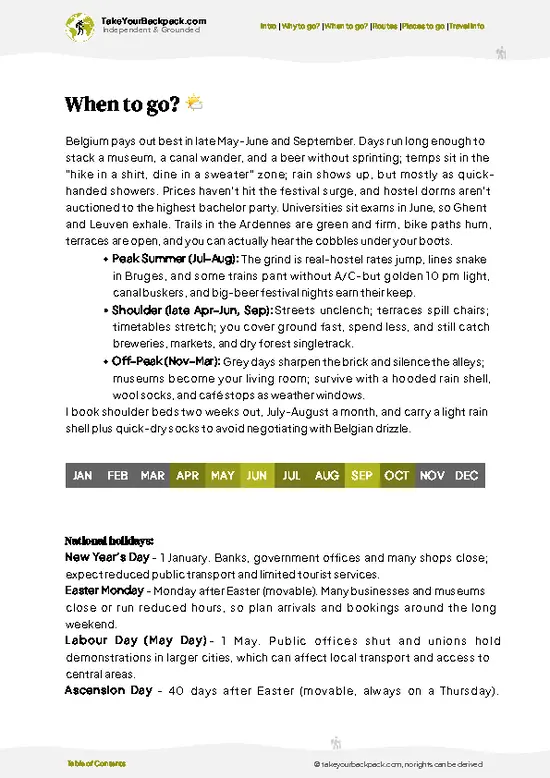
example page 0 from our offline Travel Guide for Belgium
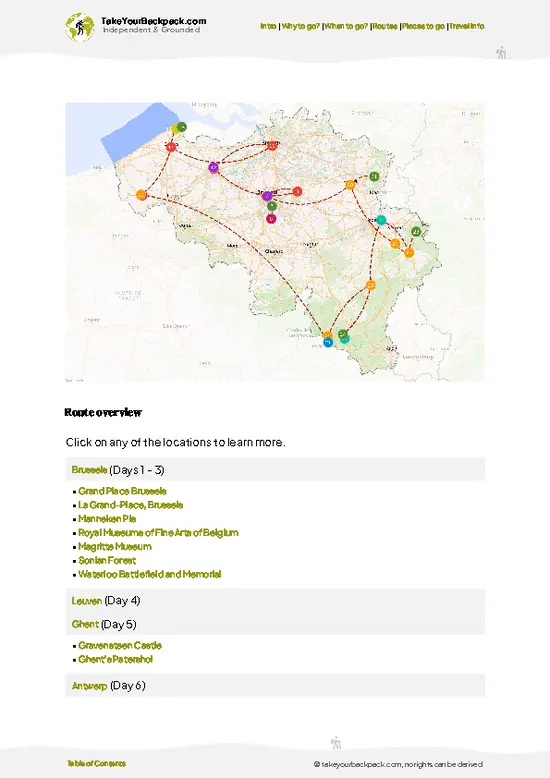
example page 1 from our offline Travel Guide for Belgium
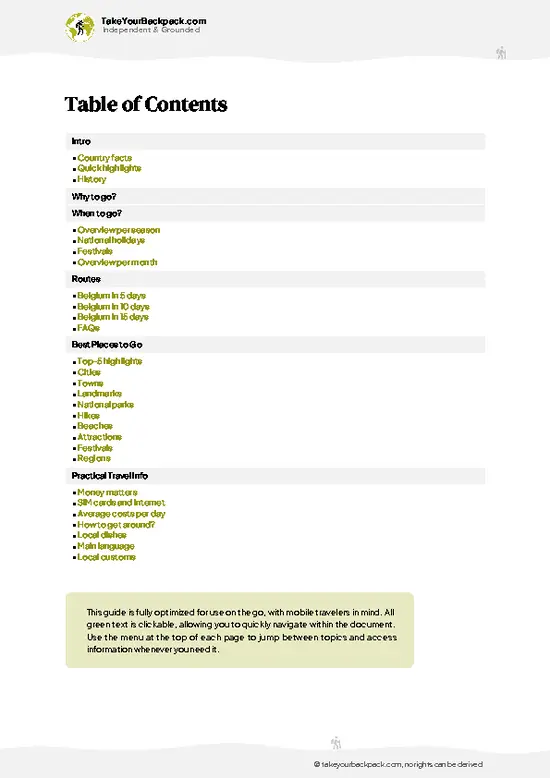
example page 2 from our offline Travel Guide for Belgium
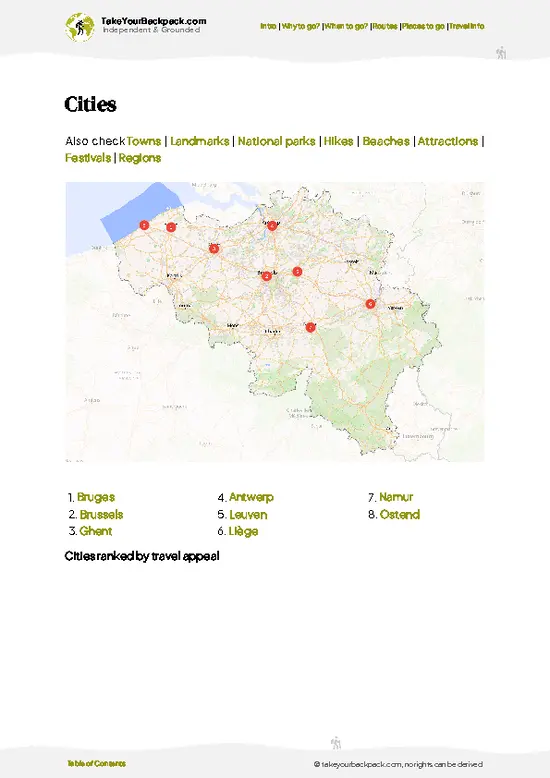
example page 3 from our offline Travel Guide for Belgium
example page 4 from our offline Travel Guide for Belgium
example page 5 from our offline Travel Guide for Belgium
example page 6 from our offline Travel Guide for Belgium
example page 7 from our offline Travel Guide for Belgium
The digital guide (355 pages) contains:
90 highlights, ranked by travel appeal
Optimized 5, 10 & 15-day travel routes
Cities, national parks, landmarks, beaches
How to get around
Offline-friendly for travel without Wi-Fi
👉 Click to see all 30+ guide features

📅 Plan smarter in minutes, not weeks
Month by month travel advice
Festivals & national holidays
Budget expectations

🗺️ Go to the right places, skip the overrated ones
Honest pros & cons of destinations
Top hikes, parks & viewpoints
Lesser-known places most travelers miss
Clear “worth it vs skip it” guidance

🛏️ Travel smoothly without rookie mistakes
Best areas to stay
Transport systems explained simply
Common scams & safety advice
SIM cards, money & practical tips

🌍 Understand the country, not just visit it
Culture & traditions
52 Essential phrases & customs
Festivals worth planning around
Traveler-friendly historical context
Insights that make places more meaningful

📱 Built for real travel conditions
Fully downloadable PDF
Works completely offline
Optimized for phone use
Useful in remote areas & buses
Everything in one place
Save weeks of stressful planning
Get instant access to your full guide. 30‑day money-back guarantee.


By proceeding you agree to our terms.
Sent to your inbox immediately after payment • 100% Secure Checkout
Best Backpacking Travel Advisor 2025 tourism awardBest Backpacking
Travel Advisor
2025
What others say about Take Your Backpack Guides:
⭐⭐⭐⭐⭐
Fantastic, amazing amount of information!
⭐⭐⭐⭐⭐
My goodness this is amazing, it's what I've been looking for hats off too you!
⭐⭐⭐⭐⭐
I think this is absolutely BRILLIANT
⭐⭐⭐⭐
Very complete and informative. It's still missing places, but I gotta to commend you
⭐⭐⭐⭐⭐
This is truly amazing, thank you, can't wait to explore it with my kids!
⭐⭐⭐⭐⭐
Awesome resource, thank you!
⭐⭐⭐⭐⭐
This is amazing! Can't wait to explore the ones I haven't seen
⭐⭐⭐⭐
I love this! Well done, great idea.
⭐⭐⭐⭐⭐
Thanks for taking the time to make this gem!
⭐⭐⭐⭐⭐
This might be the best website I've ever seen.
⭐⭐⭐⭐⭐
Congratulations, and thank you so much for your work; it's incredibly valuable.
⭐⭐⭐⭐
In all seriousness I think you did a great job pointing out the important spots
⭐⭐⭐⭐⭐
10/10 very good
⭐⭐⭐⭐⭐
As someone who's only just starting to visit regularly this is awesome, thank you.
⭐⭐⭐⭐
Thank you very much! I'm going to visit my dad, it's going to be very useful!
⭐⭐⭐⭐⭐
This is really cool! We'll be travelling for the first time and this definitely come in handy.
⭐⭐⭐⭐⭐
You are now our minister of culture, congratulations 👨‍💼
⭐⭐⭐⭐⭐
Just wanted to tell you that this is a pearl! Going to follow your recommendations.
⭐⭐⭐⭐⭐
This is so cool. I'll definitely be using the resource for my travels soon.
⭐⭐⭐⭐⭐
This is very impressive! Good work.
⭐⭐⭐⭐⭐
This is an amazing and informative site. Very well done!

🛏️ Where to stay?Best Stay Options in Belgium

Yes — hostels and budget accommodation are widely available across Belgium, concentrated in major cities: Brussels (City Centre/Marolles, Ixelles), Antwerp (Old Town/Meir, Zurenborg), Ghent (Patershol, Graslei/Korenlei), Bruges (Historic Centre/around the Markt) and Leuven (University district).
Brussels areas put you close to landmarks and transport but can be noisy and touristy; Antwerp neighborhoods offer strong nightlife and central access though some parts are more industrial; Ghent is lively, safe and student-oriented but can be crowded on weekend nights; Bruges is picturesque and walkable but has fewer cheap beds and heavy daytime tourism; Leuven provides reliable, budget-heavy student … read more 👉
Yes — hostels and budget accommodation are widely available across Belgium, concentrated in major cities: Brussels (City Centre/Marolles, Ixelles), Antwerp (Old Town/Meir, Zurenborg), Ghent (Patershol, Graslei/Korenlei), Bruges (Historic Centre/around the Markt) and Leuven (University district).
Brussels areas put you close to landmarks and transport but can be noisy and touristy; Antwerp neighborhoods offer strong nightlife and central access though some parts are more industrial; Ghent is lively, safe and student-oriented but can be crowded on weekend nights; Bruges is picturesque and walkable but has fewer cheap beds and heavy daytime tourism; Leuven provides reliable, budget-heavy student accommodation with good nightlife but a smaller overall selection.

If you enjoy meeting fellow travelers, consider choosing hostels with high ratings for atmosphere. On the other hand, if you prefer having your own space, a hotel might be a better option.

BelgiumWhere to Go Next

👋 Meet the founderWho’s Behind Take Your Backpack?

Johan, backpacker and founder of TakeYourBackpackHi, I’m Johan (Netherlands 🇳🇱), the creator of TakeYourBackpack. Over the past decade, I’ve backpacked through 80+ countries across six continents, gaining extensive experience with independent travel, long-term trips, and overland routes.

This site is built on a combination of firsthand travel experience and carefully curated insights from other backpackers. Many guides are based on places I’ve personally visited, while others bring together tips, observations, and practical advice shared by trusted travelers I’ve met along the way.

The goal is to provide realistic, experience-driven guidance — not generic itineraries — so you can explore destinations with better context, clearer expectations, and more confidence.

Get full Belgium guide •
Instant download • 90 highlights • Full Offline guide