
×

Belize🇧🇿 | national parksHalf Moon CayeBooby colony, lighthouse atoll, wall dive, nesting turtles | things to do and best time to go

Explore Guanacaste National ParkExplore Shipstern Nature Reserve

Backpacking in Half Moon Caye
👍 Recommendednational park ranked #5
By Johan Kruseman 🇳🇱 | Updated October 22, 2026

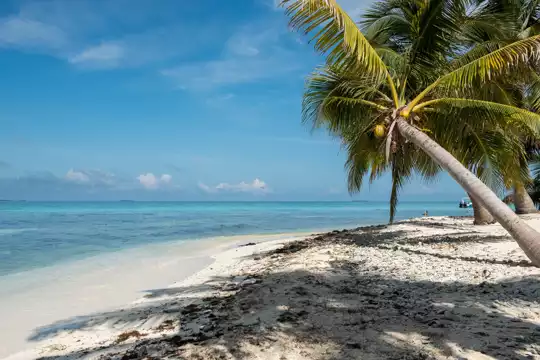
Half Moon Caye is a small sand island, not a mainland jungle park, and nobody drives to it. It sits on the southeastern corner of Lighthouse Reef Atoll, in the eastern waters of Belize, and you reach it by boat. The reason it is smarter to plan around the boat is simple: crossings run through open sea, so experienced travelers book morning departures when the water is calmer and take motion tablets before leaving the dock. Ashore, the air smells of salt and seagrass, the sand is powder-white, and the red-footed boobies crowd the treetops with a constant croaking. Shade is scarce, so a hat and reef-safe sunscreen matter more than any gear. Walking is easy and short, which suits a day but not a trek. Unlike Hol Chan or Glover’s Reef, Half Moon Caye is a bird sanctuary first and a dive site second.

Discover everything you want to know in the 📖 Belize Travel Guide.


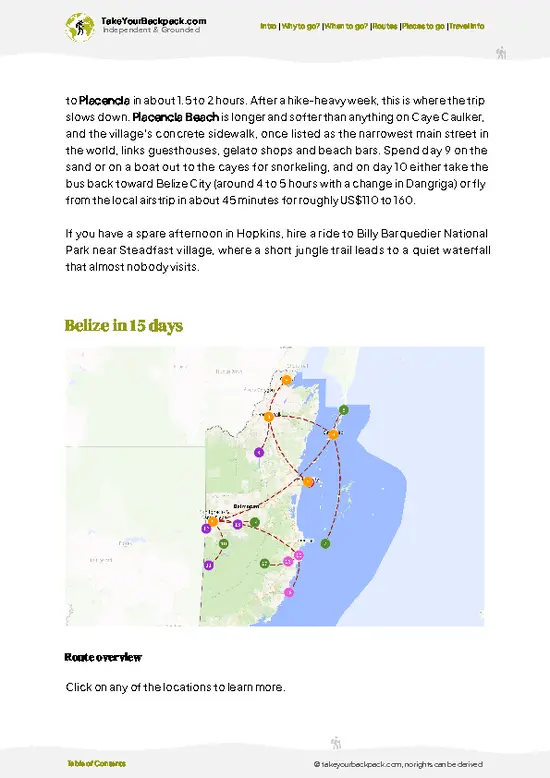
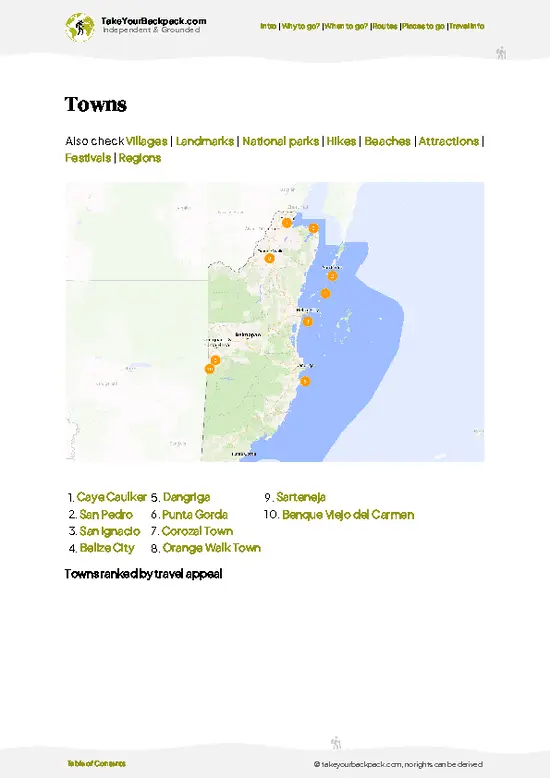
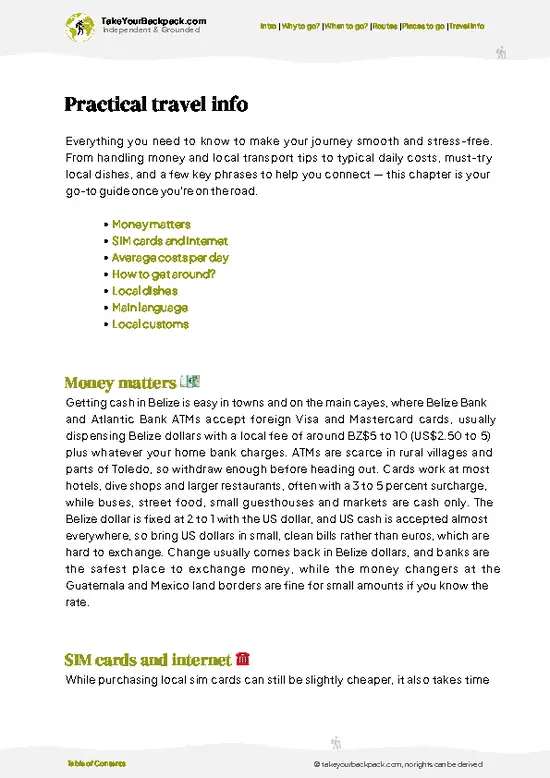
example page 0 from our offline Travel Guide for Belize
example page 1 from our offline Travel Guide for Belize
example page 2 from our offline Travel Guide for Belize
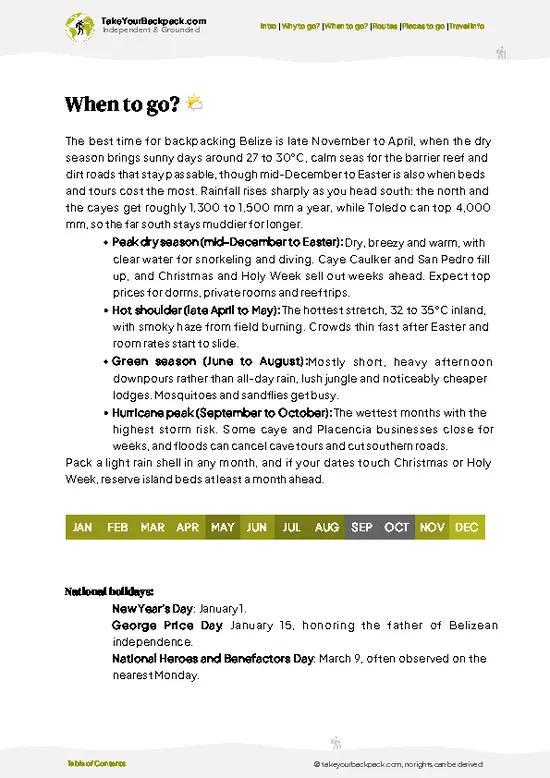
example page 3 from our offline Travel Guide for Belize
example page 4 from our offline Travel Guide for Belize
example page 5 from our offline Travel Guide for Belize
example page 6 from our offline Travel Guide for Belize
example page 7 from our offline Travel Guide for Belize
Loading the map 🌍
CLICK TO FILTER
towns
villages
landmarks
national parks
hikes
beaches
attractions
festivals
regions
SHOW COUNTRY’S BESTSHOW ALL

✨ Why go?
Ranked #5 national park in Belize
Why Half Moon Caye should be on your travel list

Half Moon Caye draws backpackers who want a protected island without a resort attached. The main pull is the red-footed booby colony, one of the Western Hemisphere’s largest, nesting in the island’s tall trees from roughly November to June. You can watch frigatebirds overhead and the birds on their nests from a wooden observation tower that rises above the canopy, a self-guided stop that needs no guide to enjoy. The surrounding water is the other reason. The Half Moon Caye Wall drops off just offshore, and snorkelers can float along it with turtles and reef fish without any technical skill. Because the island is part of a natural monument, you walk the trail and the beach on your own schedule, then eat lunch under the palms. Tours handle the boat, so the island itself stays unscripted and quiet.

💡 HighlightsDon't-miss highlights and experiences

  1. Red-footed booby colony: Thousands of white-morph boobies nest in the island’s canopy on the western side, close enough to see chicks and nest building without binoculars.
  2. Observation tower: A wooden platform built into the treetops gives eye-level views of boobies and frigatebirds, with the reef edge visible beyond.
  3. Half Moon Caye Wall: A vertical reef drop that snorkelers and divers float along, with sponges, eagle rays and turtles.
  4. Nature trail through the interior: A short, shaded loop through coconut palms and native forest where you spot lizards and ground-dwelling birds.
  5. Lighthouse Reef Atoll beaches: Narrow white shores with clear shallows, good for a swim and a lunch stop under palms.
  6. Nesting sea turtles: Loggerhead and hawksbill turtles use the beaches for nesting in warmer months, and
… read more 👉
  1. Red-footed booby colony: Thousands of white-morph boobies nest in the island’s canopy on the western side, close enough to see chicks and nest building without binoculars.
  2. Observation tower: A wooden platform built into the treetops gives eye-level views of boobies and frigatebirds, with the reef edge visible beyond.
  3. Half Moon Caye Wall: A vertical reef drop that snorkelers and divers float along, with sponges, eagle rays and turtles.
  4. Nature trail through the interior: A short, shaded loop through coconut palms and native forest where you spot lizards and ground-dwelling birds.
  5. Lighthouse Reef Atoll beaches: Narrow white shores with clear shallows, good for a swim and a lunch stop under palms.
  6. Nesting sea turtles: Loggerhead and hawksbill turtles use the beaches for nesting in warmer months, and their tracks are visible in the sand.
  7. Visitor center: A small ranger station with information on the island’s wildlife and management.
Half Moon Caye takes about two to three hours to see fully, including the tower and a snorkel.
Spotted a mistake or missing something? Contact us.

Things to do around Half Moon Caye

Ratings based on Tripadvisor reviews. When you book through this link, you support our work at no extra cost to you.

🌤️ When to go?When to go for the best experience

  • Red-footed booby nesting (roughly November to July): Half Moon Caye’s booby colony on the western end is busiest in this stretch, with nests in the ziricote forest reached by a short trail and observation platform.
  • Dry season (February to May): Rain is lowest and seas are flattest for the boat out to Lighthouse Reef. Daytime highs run about 28 to 32°C (82 to 90°F), nights 22 to 25°C (72 to 77°F). Diving visibility at the Blue Hole and the Half Moon Wall is at its best, and boats fill up around Easter.
  • Wet season (June to November): Expect afternoon downpours, warmer water and a rougher crossing. Dive and island trips cost less, and you will share the sand with few other people. Hurricane risk peaks from August to October, and trips get canceled when seas build.
  • Winter (December to January): Northers
… read more 👉
  • Red-footed booby nesting (roughly November to July): Half Moon Caye’s booby colony on the western end is busiest in this stretch, with nests in the ziricote forest reached by a short trail and observation platform.
  • Dry season (February to May): Rain is lowest and seas are flattest for the boat out to Lighthouse Reef. Daytime highs run about 28 to 32°C (82 to 90°F), nights 22 to 25°C (72 to 77°F). Diving visibility at the Blue Hole and the Half Moon Wall is at its best, and boats fill up around Easter.
  • Wet season (June to November): Expect afternoon downpours, warmer water and a rougher crossing. Dive and island trips cost less, and you will share the sand with few other people. Hurricane risk peaks from August to October, and trips get canceled when seas build.
  • Winter (December to January): Northers can bring wind, chop and cooler air near 20 to 26°C (68 to 79°F). Holiday prices climb.
Book a boat for a weekday in March or April for calm seas and fewer people.


source: climatestotravel.comJANJanuary: excellent for travelingFEBFebruary: excellent for travelingMARMarch: excellent for travelingAPRApril: highly recommended for travelingMAYMay: good for travelingJUNJune: good for travelingJULJuly: fair for travelingAUGAugust: fair for travelingSEPSeptember: fair for travelingOCTOctober: fair for travelingNOVNovember: highly recommended for travelingDECDecember: excellent for traveling
belize-national-park-half-moon-caye
© Google | Charlie C.

✈️ The backpacker research shortcutBelize Travel Guide

An offline-friendly backpacking guide with optimized travel routes, ranked highlights, transport advice, and the best areas to stay.
example page 0 from our offline Travel Guide for Belize
example page 1 from our offline Travel Guide for Belize
example page 2 from our offline Travel Guide for Belize
example page 3 from our offline Travel Guide for Belize
example page 4 from our offline Travel Guide for Belize
example page 5 from our offline Travel Guide for Belize
example page 6 from our offline Travel Guide for Belize
example page 7 from our offline Travel Guide for Belize
The digital guide (168 pages) contains:
✅ 45 highlights, ranked by travel appeal
✅ Optimized 5, 10 & 15-day travel routes
✅ Cities, national parks, landmarks, beaches
✅ How to get around
✅ Offline-friendly for travel without Wi-Fi
👉 Click to see all 30+ guide features

📅 Plan smarter in minutes, not weeks
✅ Month by month travel advice
✅ Festivals & national holidays
✅ Budget expectations

🗺️ Go to the right places, skip the overrated ones
✅ Honest pros & cons of destinations
✅ Top hikes, parks & viewpoints
✅ Lesser-known places most travelers miss
✅ Clear “worth it vs skip it” guidance

🛏️ Travel smoothly without rookie mistakes
✅ Best areas to stay
✅ Transport systems explained simply
✅ Common scams & safety advice
✅ SIM cards, money & practical tips

🌍 Understand the country, not just visit it
✅ Culture & traditions
✅ 52 Essential phrases & customs
✅ Festivals worth planning around
✅ Traveler-friendly historical context
✅ Insights that make places more meaningful

📱 Built for real travel conditions
✅ Fully downloadable PDF
✅ Works completely offline
✅ Optimized for phone use
✅ Useful in remote areas & buses
✅ Everything in one place
Stop searching, start planning
Get instant access to your full guide. 30‑day money-back guarantee.
+ Add another guide for just

By proceeding you agree to our terms.
Sent to your inbox immediately after payment • 100% Secure Checkout
Best Backpacking Travel Advisor 2025 tourism awardBest Backpacking
Travel Advisor
2025
What others say about Take Your Backpack Guides:
⭐⭐⭐⭐⭐
Fantastic, amazing amount of information!
⭐⭐⭐⭐⭐
My goodness this is amazing, it's what I've been looking for hats off too you!
⭐⭐⭐⭐⭐
I think this is absolutely BRILLIANT
⭐⭐⭐⭐
Very complete and informative. It's still missing places, but I gotta to commend you
⭐⭐⭐⭐⭐
This is truly amazing, thank you, can't wait to explore it with my kids!
⭐⭐⭐⭐⭐
Awesome resource, thank you!
⭐⭐⭐⭐⭐
This is amazing! Can't wait to explore the ones I haven't seen
⭐⭐⭐⭐
I love this! Well done, great idea.
⭐⭐⭐⭐⭐
Thanks for taking the time to make this gem!
⭐⭐⭐⭐⭐
This might be the best website I've ever seen.
⭐⭐⭐⭐⭐
Congratulations, and thank you so much for your work; it's incredibly valuable.
⭐⭐⭐⭐
In all seriousness I think you did a great job pointing out the important spots
⭐⭐⭐⭐⭐
10/10 very good
⭐⭐⭐⭐⭐
As someone who's only just starting to visit regularly this is awesome, thank you.
⭐⭐⭐⭐
Thank you very much! I'm going to visit my dad, it's going to be very useful!
⭐⭐⭐⭐⭐
This is really cool! We'll be travelling for the first time and this definitely come in handy.
⭐⭐⭐⭐⭐
You are now our minister of culture, congratulations 👨‍💼
⭐⭐⭐⭐⭐
Just wanted to tell you that this is a pearl! Going to follow your recommendations.
⭐⭐⭐⭐⭐
This is so cool. I'll definitely be using the resource for my travels soon.
⭐⭐⭐⭐⭐
This is very impressive! Good work.
⭐⭐⭐⭐⭐
This is an amazing and informative site. Very well done!

🛏️ Where to stay?Best areas and accommodation options

Half Moon Caye has no hotels, so most backpackers sleep on Caye Caulker or in San Pedro on Ambergris Caye and make the long boat run out to Lighthouse Reef. Caye Caulker is the better base on a tight budget. Dorm beds and simple cabanas cluster around Front Street and the Split, and dive shops there book Blue Hole and Half Moon Caye trips. San Pedro has more choice and higher prices, with a stronger dive scene along Barrier Reef Drive. Inside the protected area, camping is allowed in a designated spot on Half Moon Caye, with rangers on site. You must bring your own tent, water, food and stove, … read more 👉
Half Moon Caye has no hotels, so most backpackers sleep on Caye Caulker or in San Pedro on Ambergris Caye and make the long boat run out to Lighthouse Reef. Caye Caulker is the better base on a tight budget. Dorm beds and simple cabanas cluster around Front Street and the Split, and dive shops there book Blue Hole and Half Moon Caye trips. San Pedro has more choice and higher prices, with a stronger dive scene along Barrier Reef Drive. Inside the protected area, camping is allowed in a designated spot on Half Moon Caye, with rangers on site. You must bring your own tent, water, food and stove, and you must arrange this with the Belize Audubon Society before you go. Lighthouse Reef also has a few dive resorts on Northern Caye and Long Caye, which are pricey and aimed at multi-day divers. Belize City is the mainland hub, with water taxis to both cayes, but it is more a transit stop than a place to linger. For most budgets, stay on Caye Caulker and do the park as a long day trip.

👛 Costs (as of 22 October 2026)Money, prices, and spending tips

Half Moon Caye costs roughly US$235 to 340 per person for a day when you join a dive or snorkel trip from Caye Caulker or San Pedro. The table shows where the money goes.
CategoryBudget RangeLocal Reality
Park entrance feeUS$40 to 50Lighthouse Reef marine reserve fee, collected on the island or bundled into the tour price.
Boat trip with snorkelingUS$150 to 200Typical day tours include the Blue Hole flyover or dive stops, lunch on the caye and gear.
Accommodation (high season)US$15 to 40Dorm bed or basic cabana on Caye Caulker. Camping on the caye needs your own gear and advance permission.
Local transportUS$20 to 30Water taxi between Belize City and the cayes, about US$20 to 30 one way.
Food and suppliesUS$10 to 20Street food and small eateries on Caye Caulker. Bring snacks and water if camping.
… read more 👉
Half Moon Caye costs roughly US$235 to 340 per person for a day when you join a dive or snorkel trip from Caye Caulker or San Pedro. The table shows where the money goes.
CategoryBudget RangeLocal Reality
Park entrance feeUS$40 to 50Lighthouse Reef marine reserve fee, collected on the island or bundled into the tour price.
Boat trip with snorkelingUS$150 to 200Typical day tours include the Blue Hole flyover or dive stops, lunch on the caye and gear.
Accommodation (high season)US$15 to 40Dorm bed or basic cabana on Caye Caulker. Camping on the caye needs your own gear and advance permission.
Local transportUS$20 to 30Water taxi between Belize City and the cayes, about US$20 to 30 one way.
Food and suppliesUS$10 to 20Street food and small eateries on Caye Caulker. Bring snacks and water if camping.
Total Daily BudgetUS$235 to 340Lower if you skip the dive add-ons or combine fees into one tour.
⚠️ Prices can change and everyone travels differently, so take this as a rough guide. Hope it helps you plan your adventure!

🥾 TrailsScenic routes and wildlife spotting in Half Moon Caye

Half Moon Caye has short, flat paths rather than full hiking, so the walking is easy for any fitness level. Most visitors spend a few hours on foot between the beach, the interior and the tower.
  • Booby Tower Trail: A short sandy path of about 10 to 15 minutes from the landing beach through palms and low forest to the observation platform; easy, with loose sand underfoot.
  • Island Loop: An informal walk along the beach edge and through the interior, roughly 30 to 45 minutes at a slow pace; easy, flat and exposed in places.
  • Wildlife: Red-footed boobies, magnificent frigatebirds, lizards and, in season,
… read more 👉
Half Moon Caye has short, flat paths rather than full hiking, so the walking is easy for any fitness level. Most visitors spend a few hours on foot between the beach, the interior and the tower.
  • Booby Tower Trail: A short sandy path of about 10 to 15 minutes from the landing beach through palms and low forest to the observation platform; easy, with loose sand underfoot.
  • Island Loop: An informal walk along the beach edge and through the interior, roughly 30 to 45 minutes at a slow pace; easy, flat and exposed in places.
  • Wildlife: Red-footed boobies, magnificent frigatebirds, lizards and, in season, turtle tracks along the shore.
  • Terrain: Sand, coral rubble and leaf litter. Wear closed shoes or sturdy sandals, since rubble can be sharp.
Half Moon Caye is reached only by boat from the mainland or Ambergris Caye, usually as part of a trip to the Blue Hole, and there is no public transport on the island. Trips are small, and boats often arrive at the same time, so the tower can feel crowded around midday. An entrance fee to the natural monument is charged, normally bundled into tour prices. Visits are limited to daylight, and you should bring your own water, shade and snacks, since facilities are minimal.
⚠️ Hiking info can sometimes be outdated or inaccurate. Before you hit the trail, check the latest conditions with locals. If you do spot anything that's off, I'd love to hear from you, so I can update it for fellow travelers.

🛡️ SafetyStaying Safe: What Travelers Should Know

Half Moon Caye is a small, flat, ranger-managed island, so the real risks come from the sea and sun. The crossing from Caye Caulker or San Pedro takes about 2 to 3 hours each way and can be rough, so take seasickness tablets before departure. There is almost no shade on the beach, so bring reef-safe sunscreen, a hat and plenty of water. The island has no shops. Stay on the marked trail to the booby colony and keep your distance from nests, since disturbed birds abandon eggs. Frigatebirds and iguanas are harmless if you leave them alone. Mosquitoes and sand flies appear at dusk, especially after rain. Currents around the wall can be strong, so snorkel with your guide. Do not touch coral or take shells. Hurricane season brings cancellations, so keep your plans flexible.

FAQFrequently asked questions about Half Moon Caye

Plan one full day for Half Moon Caye, since the boat ride from Caye Caulker or San Pedro takes about 2 to 3 hours each way. Most tours combine a snorkel stop, a walk to the booby colony and lunch on the beach. Camping overnight lets you stretch it to two days, and divers often add the Blue Hole as a separate stop.
Without a car is the only way, because Half Moon Caye sits on Lighthouse Reef about 80 km (50 miles) offshore and can only be reached by boat. Tours leave from Caye Caulker, San Pedro or Belize City, usually around 7 am. Water taxis from Belize City to Caye Caulker take about 45 minutes and cost roughly US$20 to 30 one way.
Yes, Half Moon Caye charges a Lighthouse Reef marine reserve fee of roughly US$40 to 50 per person, paid on the island or included in your tour price. Camping needs advance arrangements with the Belize Audubon Society, which manages the Natural Monument. Divers and snorkelers on a tour usually do not need a separate permit.
⚠️ Things can change over time, so always validate details locally before you go.

Other Belizean national parks near Half Moon Caye

Explore more nearby:


💡 Not sure where to go next?
Create a personalized itinerary for Belize including Half Moon Caye and the places that fit your trip.

Generate my itinerary

👉 Discover all national parks

Or checkout all Belize has to offer (think cities, towns, villages, national parks, hikes, beaches, festivals)
Country photo of Belize

We 💚 feedbackFinal thoughts on exploring Half Moon Caye

Half Moon Caye punishes the traveler who treats it as an afternoon add-on to a Lighthouse Reef dive trip. I would walk the boardwalk and the observation platform first, while the birds are active and the heat is gentle, then swim off the beach. Bring reef-safe sunscreen, because the white sand throws the glare back at you.

✍️ Help improve this page!
The information on this page is based on in-depth research, insights shared by experienced travelers, and feedback from the local travel community in Belize. While every effort is made to keep the information accurate and current, conditions can change — so if you spot anything incorrect or outdated, please get in touch.


🙋‍♂️ Give feedback

👋 Meet the founderWho’s Behind Take Your Backpack?

Johan, backpacker and founder of TakeYourBackpackHi, I’m Johan (Netherlands 🇳🇱), the creator of TakeYourBackpack. Over the past 3 decades, I’ve backpacked through 90+ countries across six continents, gaining extensive experience with independent travel, long-term trips, and overland routes.

This site is built on a combination of firsthand travel experience and carefully curated insights from other backpackers. Many guides are based on places I’ve personally visited, while others bring together tips, observations, and practical advice shared by trusted travelers I’ve met along the way.

The goal is to provide realistic, experience-driven guidance — not generic itineraries — so you can explore destinations with better context, clearer expectations, and more confidence.