×

Benin🇧🇯 | festivalsFête de la NonvitchaGrand-Popo processions, beach road, dance circles, grilled fish | things to do and best time to go

Explore Fête de la GaaniExplore Fête de la St. Michel

Backpacking in Fête de la Nonvitcha
👍 Recommendedfestival ranked #4
By Johan Kruseman 🇳🇱 | Updated October 22, 2026

Fête de la Nonvitcha suits travelers who like to arrive without a script, eat what the neighbors eat and follow the drums down a sandy lane. If you need printed schedules, English signage and polished stages, you may find it less rewarding. Programming is community-led and shifts from year to year. It takes place in Grand-Popo, on the Atlantic coast in the southwest of Benin, west of Cotonou and close to the Togo border. Expect coconut palms, salty wind, dust, smoke from grilled fish and the steady thump of percussion with dancers in bright wax-print cloth. The crowd is mostly Beninese families and returning diaspora, with a small number of foreigners. Dress light, carry small bills in CFA francs and keep a scarf for the dust. On a first day, walk the beach road, find where people are gathering, drink something cold under a palm roof and let the drumming pull you toward the crowd.

Discover everything you want to know in the 📖 Benin Travel Guide.


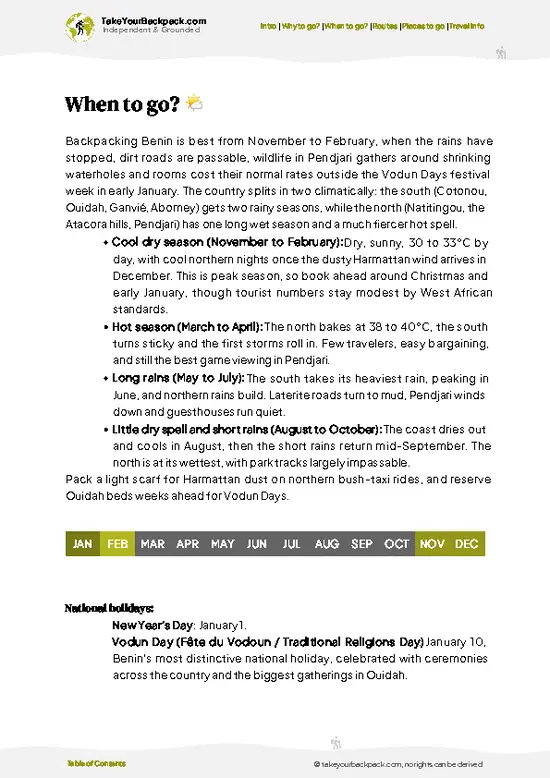
example page 0 from our offline Travel Guide for Benin
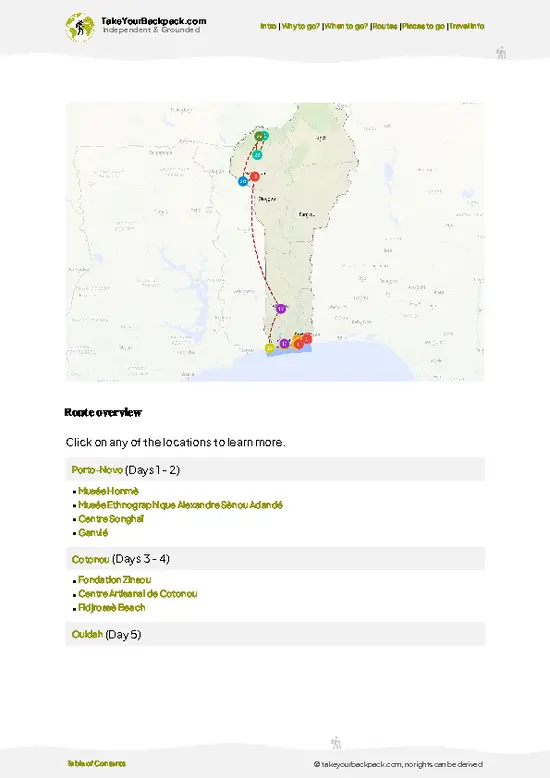
example page 1 from our offline Travel Guide for Benin
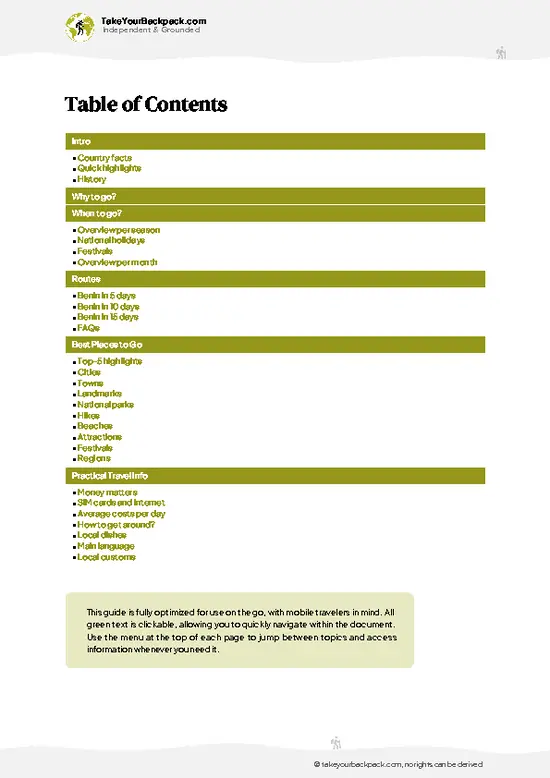
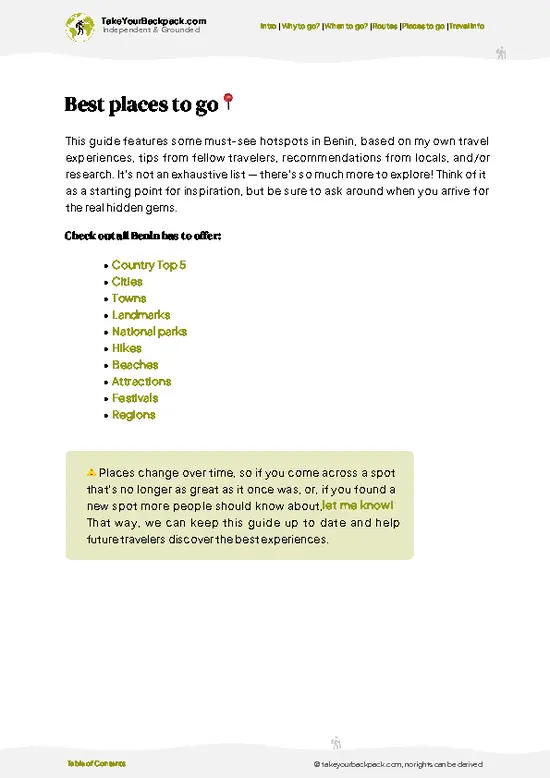
example page 2 from our offline Travel Guide for Benin
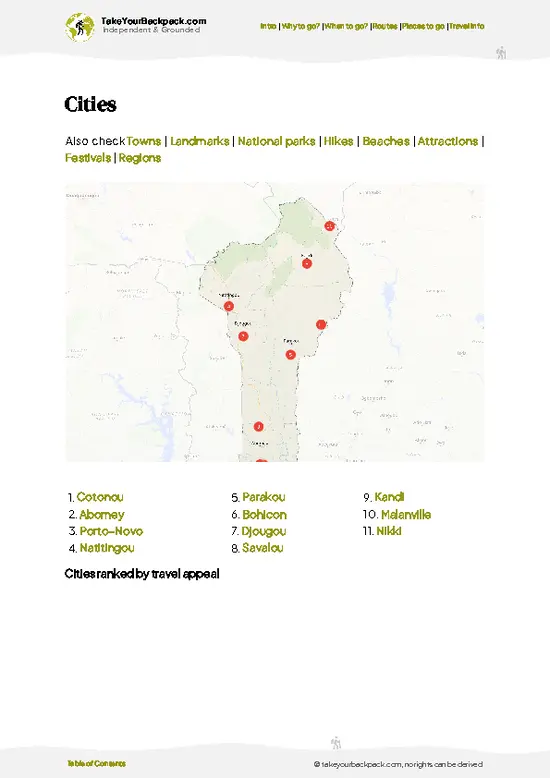
example page 3 from our offline Travel Guide for Benin
example page 4 from our offline Travel Guide for Benin
example page 5 from our offline Travel Guide for Benin
example page 6 from our offline Travel Guide for Benin
example page 7 from our offline Travel Guide for Benin
Loading the map 🌍
CLICK TO FILTER
cities
towns
landmarks
national parks
hikes
beaches
attractions
festivals
regions
SHOW COUNTRY’S BESTSHOW ALL

✨ Why go?
Ranked #4 festival in Benin
Reasons people choose to celebrate the here

Fête de la Nonvitcha gives you a way into Grand-Popo that a normal beach stop does not. For a few days the town fills with people who left for Cotonou or abroad and came home for this. That means you are not watching a staged show, you are standing in a family reunion that happens to have drums. Strangers will pull you into a circle, correct your footwork and hand you a plate. That social energy is the main reason to plan around it.

The setting adds to it. The town sits where the Mono River approaches the sea, so between ceremonies you can swap dance floor for lagoon channels, fishing pirogues and empty sand. It also fits neatly into a route along Benin’s coast, between the voodoo heartland of Ouidah and the border crossing into Togo. Anyone traveling that stretch gains a clear reason to stay longer than one night.

💡 HighlightsEssential experiences to have while celebrating the Fête de la Nonvitcha

  1. Street processions and drumming: The core of the festival is groups moving through Grand-Popo with drummers, singers and dancers in matching cloth. Follow one on foot and you will hear call-and-response rhythms bounce off the low houses.
  2. Community dance circles: In the evenings, crowds form open circles where anyone can step in. Locals are generous with beginners, and watching the older dancers is a lesson in itself.
  3. Grand-Popo beach: A long, wild stretch of Atlantic sand lined with coconut palms. Swim only with caution because of strong currents, but the shoreline is ideal for a walk when the heat drops and for watching fishermen haul in nets.
  4. Mono River and the river mouth: Local boatmen run pirogue trips through mangroves and narrow channels toward the point where river meets sea. It is quiet,
… read more 👉
  1. Street processions and drumming: The core of the festival is groups moving through Grand-Popo with drummers, singers and dancers in matching cloth. Follow one on foot and you will hear call-and-response rhythms bounce off the low houses.
  2. Community dance circles: In the evenings, crowds form open circles where anyone can step in. Locals are generous with beginners, and watching the older dancers is a lesson in itself.
  3. Grand-Popo beach: A long, wild stretch of Atlantic sand lined with coconut palms. Swim only with caution because of strong currents, but the shoreline is ideal for a walk when the heat drops and for watching fishermen haul in nets.
  4. Mono River and the river mouth: Local boatmen run pirogue trips through mangroves and narrow channels toward the point where river meets sea. It is quiet, green and a good contrast to the festival crowds.
  5. Local food stalls: Smoked and grilled fish, fried plantain, pâte and spicy sauces are sold from roadside stalls and family courtyards. Eating here is the easiest way to meet people, and the sauces can be seriously hot.
Start with the street processions, because they are the heart of the festival and give context to everything else you will see afterward.
Spotted a mistake or missing something? Contact us.

Things to do near Fête de la Nonvitcha

Ratings based on Tripadvisor reviews. When you book through this link, you support our work at no extra cost to you.

🌤️ When to go?When is the celebration of Fête de la Nonvitcha?

Fête de la Nonvitcha is held in Allada, about 45 km northwest of Cotonou, around the Allada royal palace and the town center, usually over a few days in the first half of the year, with dates that follow the local calendar and are announced by the community each season.
  • Best day: The main day of processions and ceremonies draws the biggest crowd and the best drumming and dress. A quieter day before it lets you see preparations and talk with elders.
  • Weather: Expect heat and humidity, roughly 27 to 33 °C (81 to 91 °F), with a chance of heavy showers. Bring a light rain jacket, a hat, sunscreen and a refillable bottle.
  • Booking: Allada has few beds, so reserve in Cotonou or Abomey-Calavi at least two to three weeks ahead. Prices can rise by 20 to 40 percent on the main day.
  • Roads: Leave Cotonou early
… read more 👉
Fête de la Nonvitcha is held in Allada, about 45 km northwest of Cotonou, around the Allada royal palace and the town center, usually over a few days in the first half of the year, with dates that follow the local calendar and are announced by the community each season.
  • Best day: The main day of processions and ceremonies draws the biggest crowd and the best drumming and dress. A quieter day before it lets you see preparations and talk with elders.
  • Weather: Expect heat and humidity, roughly 27 to 33 °C (81 to 91 °F), with a chance of heavy showers. Bring a light rain jacket, a hat, sunscreen and a refillable bottle.
  • Booking: Allada has few beds, so reserve in Cotonou or Abomey-Calavi at least two to three weeks ahead. Prices can rise by 20 to 40 percent on the main day.
  • Roads: Leave Cotonou early in the morning, since the road north is slow when traffic builds. Head back before dusk, as shared taxis fill up quickly.
Confirm the exact dates with a local contact a week before you travel.


source: climatestotravel.comJANJanuary: excellent for travelingFEBFebruary: not recommended for travelingMARMarch: not recommended for travelingAPRApril: not recommended for travelingMAYMay: not recommended for travelingJUNJune: not recommended for travelingJULJuly: not recommended for travelingAUGAugust: not recommended for travelingSEPSeptember: not recommended for travelingOCTOctober: not recommended for travelingNOVNovember: not recommended for travelingDECDecember: not recommended for traveling

✈️ The backpacker research shortcutBenin Travel Guide

An offline-friendly backpacking guide with optimized travel routes, ranked highlights, transport advice, and the best areas to stay.
example page 0 from our offline Travel Guide for Benin
example page 1 from our offline Travel Guide for Benin
example page 2 from our offline Travel Guide for Benin
example page 3 from our offline Travel Guide for Benin
example page 4 from our offline Travel Guide for Benin
example page 5 from our offline Travel Guide for Benin
example page 6 from our offline Travel Guide for Benin
example page 7 from our offline Travel Guide for Benin
The digital guide (213 pages) contains:
✅ 48 highlights, ranked by travel appeal
✅ Optimized 5, 10 & 15-day travel routes
✅ Cities, national parks, landmarks, beaches
✅ How to get around
✅ Offline-friendly for travel without Wi-Fi
👉 Click to see all 30+ guide features

📅 Plan smarter in minutes, not weeks
✅ Month by month travel advice
✅ Festivals & national holidays
✅ Budget expectations

🗺️ Go to the right places, skip the overrated ones
✅ Honest pros & cons of destinations
✅ Top hikes, parks & viewpoints
✅ Lesser-known places most travelers miss
✅ Clear “worth it vs skip it” guidance

🛏️ Travel smoothly without rookie mistakes
✅ Best areas to stay
✅ Transport systems explained simply
✅ Common scams & safety advice
✅ SIM cards, money & practical tips

🌍 Understand the country, not just visit it
✅ Culture & traditions
✅ 52 Essential phrases & customs
✅ Festivals worth planning around
✅ Traveler-friendly historical context
✅ Insights that make places more meaningful

📱 Built for real travel conditions
✅ Fully downloadable PDF
✅ Works completely offline
✅ Optimized for phone use
✅ Useful in remote areas & buses
✅ Everything in one place
Stop searching, start planning
Get instant access to your full guide. 30‑day money-back guarantee.
+ Add another guide for just

By proceeding you agree to our terms.
Sent to your inbox immediately after payment • 100% Secure Checkout
Best Backpacking Travel Advisor 2025 tourism awardBest Backpacking
Travel Advisor
2025
What others say about Take Your Backpack Guides:
⭐⭐⭐⭐⭐
Fantastic, amazing amount of information!
⭐⭐⭐⭐⭐
My goodness this is amazing, it's what I've been looking for hats off too you!
⭐⭐⭐⭐⭐
I think this is absolutely BRILLIANT
⭐⭐⭐⭐
Very complete and informative. It's still missing places, but I gotta to commend you
⭐⭐⭐⭐⭐
This is truly amazing, thank you, can't wait to explore it with my kids!
⭐⭐⭐⭐⭐
Awesome resource, thank you!
⭐⭐⭐⭐⭐
This is amazing! Can't wait to explore the ones I haven't seen
⭐⭐⭐⭐
I love this! Well done, great idea.
⭐⭐⭐⭐⭐
Thanks for taking the time to make this gem!
⭐⭐⭐⭐⭐
This might be the best website I've ever seen.
⭐⭐⭐⭐⭐
Congratulations, and thank you so much for your work; it's incredibly valuable.
⭐⭐⭐⭐
In all seriousness I think you did a great job pointing out the important spots
⭐⭐⭐⭐⭐
10/10 very good
⭐⭐⭐⭐⭐
As someone who's only just starting to visit regularly this is awesome, thank you.
⭐⭐⭐⭐
Thank you very much! I'm going to visit my dad, it's going to be very useful!
⭐⭐⭐⭐⭐
This is really cool! We'll be travelling for the first time and this definitely come in handy.
⭐⭐⭐⭐⭐
You are now our minister of culture, congratulations 👨‍💼
⭐⭐⭐⭐⭐
Just wanted to tell you that this is a pearl! Going to follow your recommendations.
⭐⭐⭐⭐⭐
This is so cool. I'll definitely be using the resource for my travels soon.
⭐⭐⭐⭐⭐
This is very impressive! Good work.
⭐⭐⭐⭐⭐
This is an amazing and informative site. Very well done!

🛏️ Where to stay?How to pick the right area

Cotonou is the most practical base for Fête de la Nonvitcha, with the widest choice of safe, social budget beds and the easiest links to Allada, roughly 1 to 1.5 hours away by road depending on traffic. The Haie Vive and Cadjehoun areas suit solo travelers best. Both have guesthouses with shared spaces, restaurants open late and plenty of zemidjan (motorbike taxi) drivers, so getting back after dark is simple. Expect to meet other travelers, volunteers and expats here, which helps when you want to split a taxi to the festival.

Abomey-Calavi, on the road toward Allada, is the quieter alternative. … read more 👉
Cotonou is the most practical base for Fête de la Nonvitcha, with the widest choice of safe, social budget beds and the easiest links to Allada, roughly 1 to 1.5 hours away by road depending on traffic. The Haie Vive and Cadjehoun areas suit solo travelers best. Both have guesthouses with shared spaces, restaurants open late and plenty of zemidjan (motorbike taxi) drivers, so getting back after dark is simple. Expect to meet other travelers, volunteers and expats here, which helps when you want to split a taxi to the festival.

Abomey-Calavi, on the road toward Allada, is the quieter alternative. It is cheaper and more residential, with a student crowd from the university, and it cuts your morning ride by about 30 minutes. Social options are fewer, but the evenings are calm and easy.

Staying in Allada itself puts you within walking distance of the ceremonies and lets you catch the early rituals. Beds are limited and basic, mostly small guesthouses and rooms in family compounds, so book early and arrive before dark. For a first festival, I would sleep in Cotonou and treat Allada as a long day trip.

👛 Costs (as of 22 October 2026)Travel costs and budget guide for Fête de la Nonvitcha

Fête de la Nonvitcha costs most independent travelers about €0 to 5 a day, with a total daily budget of €62 including a mid-range bed in Cotonou. Prices are paid in West African CFA francs, and cash is standard.
CategoryBudget RangeLocal Reality
Festival tickets€0 to 5Public ceremonies are usually open, though small contributions or guide fees may be asked for at some events.
Accommodation€15 to 30 low season, €25 to 45 high seasonCotonou guesthouses and basic hotels cost most; prices rise around the main day.
Local transport€6 to 14A shared taxi or bus to Allada costs a few euros each way, and zemidjan rides in town are cheap.
Food & drinks€6 to 12Stall meals cost about €1.50 to 4, and drinks like tchoukoutou or beer are inexpensive.
Miscellaneous expenses€3 to 10Photo permissions, small gifts
… read more 👉
Fête de la Nonvitcha costs most independent travelers about €0 to 5 a day, with a total daily budget of €62 including a mid-range bed in Cotonou. Prices are paid in West African CFA francs, and cash is standard.
CategoryBudget RangeLocal Reality
Festival tickets€0 to 5Public ceremonies are usually open, though small contributions or guide fees may be asked for at some events.
Accommodation€15 to 30 low season, €25 to 45 high seasonCotonou guesthouses and basic hotels cost most; prices rise around the main day.
Local transport€6 to 14A shared taxi or bus to Allada costs a few euros each way, and zemidjan rides in town are cheap.
Food & drinks€6 to 12Stall meals cost about €1.50 to 4, and drinks like tchoukoutou or beer are inexpensive.
Miscellaneous expenses€3 to 10Photo permissions, small gifts or offerings, water and a local SIM top-up.
Total Daily Budget€62Based on high season accommodation at the middle of the range.
⚠️ Prices can change and everyone travels differently, so take this as a rough guide. Hope it helps you plan your adventure!

🍲 FoodLocal Flavors for Backpackers

Food around Fête de la Nonvitcha is the everyday cooking of southern Benin, served from roadside stalls and family pots near the palace. Look for pâte rouge (cornmeal in a tomato base) with fried fish or chicken, igname pilée (pounded yam) with peanut or leaf sauce, and akpan, a sour-sweet fermented corn pudding sold in small bowls. Street vendors also sell grilled fish, fried plantain (aloko) and bean fritters called kluiklui or akara.

For drinks, sodabi, the local palm spirit, appears at ceremonies, often poured first as an offering. Sip it, as it is strong. Tchakpalo or tchoukoutou, cloudy sorghum beer served from calabashes, is the real local taste, and Beninoise lager, bissap (hibiscus) juice and ginger drinks are easy to find cold.

Etiquette is simple. Greet vendors before ordering, … read more 👉
Food around Fête de la Nonvitcha is the everyday cooking of southern Benin, served from roadside stalls and family pots near the palace. Look for pâte rouge (cornmeal in a tomato base) with fried fish or chicken, igname pilée (pounded yam) with peanut or leaf sauce, and akpan, a sour-sweet fermented corn pudding sold in small bowls. Street vendors also sell grilled fish, fried plantain (aloko) and bean fritters called kluiklui or akara.

For drinks, sodabi, the local palm spirit, appears at ceremonies, often poured first as an offering. Sip it, as it is strong. Tchakpalo or tchoukoutou, cloudy sorghum beer served from calabashes, is the real local taste, and Beninoise lager, bissap (hibiscus) juice and ginger drinks are easy to find cold.

Etiquette is simple. Greet vendors before ordering, accept small tastes with your right hand, and expect to share if a local invites you to a bowl. Cash is the rule, so carry small notes, as vendors rarely have change for large ones. Portions are generous, and a plate is usually enough for one person. Lines are loose, so be patient and polite.

FAQTraveler FAQ

Fête de la Nonvitcha is held in Allada, about 45 km northwest of Cotonou, usually over a few days in the first half of the year. The exact dates follow the local calendar and are announced shortly beforehand. Confirm them with a local contact a week or two before you travel. Allada is roughly 1 to 1.5 hours from Cotonou by road.
Attending Fête de la Nonvitcha costs roughly €40 to 70 a day for independent travelers, mostly for a bed, transport and food. Public ceremonies are generally free or ask for a small contribution of up to about €5. A shared taxi from Cotonou to Allada costs a few euros each way, and stall meals run €1.50 to 4.
Fête de la Nonvitcha does not generally require tickets in advance, since the public ceremonies and processions in Allada are open to attendees. What you should book ahead is a bed, ideally two to three weeks early in Cotonou or Abomey-Calavi, as rooms near Allada are limited. Prices can rise 20 to 40 percent around the main day, so plan your transport as well.
⚠️ Things can change over time, so always validate details locally before you go.

Other Beninese festivals near Fête de la Nonvitcha

Explore more nearby:

  • Voodoo Festival—sacred rituals, Ouidah ceremonies, trance possession| 32 km away
  • Somba Festival—fortified mud houses, Somba culture, rural gathering| 65 km away
  • Egun Gun Festival—towering costumes, spirit channeling, Yoruba tradition| 69 km away

💡 Not sure where to go next?
Create a personalized itinerary for Benin including Fête de la Nonvitcha and the places that fit your trip.

Generate my itinerary

👉 Discover all festivals

Or checkout all Benin has to offer (think cities, towns, villages, national parks, hikes, beaches, festivals)
Country photo of Benin

We 💚 feedbackKey takeaways before you go

Fête de la Nonvitcha is best in the late afternoon and evening, when the heat breaks, the beach empties and the drums grow louder. Save the river trip for morning, before the wind picks up. I would arrive a day before the main gatherings, so you can find a room and get your bearings. Bring earplugs if you plan to sleep.

✍️ Help improve this page!
The information on this page is based on in-depth research, insights shared by experienced travelers, and feedback from the local travel community in Benin. While every effort is made to keep the information accurate and current, conditions can change — so if you spot anything incorrect or outdated, please get in touch.


🙋‍♂️ Give feedback

👋 Meet the founderWho’s Behind Take Your Backpack?

Johan, backpacker and founder of TakeYourBackpackHi, I’m Johan (Netherlands 🇳🇱), the creator of TakeYourBackpack. Over the past 3 decades, I’ve backpacked through 90+ countries across six continents, gaining extensive experience with independent travel, long-term trips, and overland routes.

This site is built on a combination of firsthand travel experience and carefully curated insights from other backpackers. Many guides are based on places I’ve personally visited, while others bring together tips, observations, and practical advice shared by trusted travelers I’ve met along the way.

The goal is to provide realistic, experience-driven guidance — not generic itineraries — so you can explore destinations with better context, clearer expectations, and more confidence.