v2.webp)
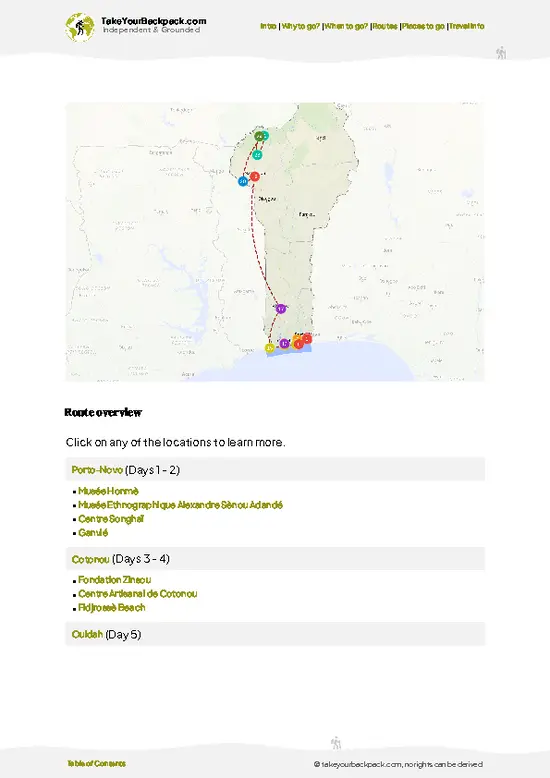
- Tata Somba architecture tours — The festival gives you close access to the fortress-like mudbrick homes (the famous “Tata Somba”), with stepped roofs, rooftop granaries and sculpted facades. Seeing these lived-in, multi-generation compounds up close is like walking through a functioning open-air museum — very photogenic and unlike most West African vernacular architecture.
- Masked dances and masquerades — Dramatic, often large masks and costumed performers animate the village squares, blending theatre, ritual and physical dance. The masks aren’t just for show: they represent spirits and ancestors, so the performances feel powerful and immediate rather than staged pageantry.
- Percussion ensembles and traditional singing — Expect pounding drums, layered rhythms and call-and-response vocals
- Tata Somba architecture tours — The festival gives you close access to the fortress-like mudbrick homes (the famous “Tata Somba”), with stepped roofs, rooftop granaries and sculpted facades. Seeing these lived-in, multi-generation compounds up close is like walking through a functioning open-air museum — very photogenic and unlike most West African vernacular architecture.
- Masked dances and masquerades — Dramatic, often large masks and costumed performers animate the village squares, blending theatre, ritual and physical dance. The masks aren’t just for show: they represent spirits and ancestors, so the performances feel powerful and immediate rather than staged pageantry.
- Percussion ensembles and traditional singing — Expect pounding drums, layered rhythms and call-and-response vocals that can get hypnotic. Music here is communal and participatory; it’s easy to be pulled into a circle and feel the pulse of the place rather than watch from a distance.
- Live crafts, markets and hands-on demos — Potter, weaver and smith stalls set up around the festival so you can see traditional techniques and buy directly from makers. The trade is authentic and usually budget-friendly — great for souvenirs that actually tell a story.
- Community rituals, feasts and storytelling — Nighttime gatherings, blessing ceremonies and elders’ stories create a warm, intimate atmosphere you won’t get at a big commercial festival. Sharing food, hearing oral histories and watching local rites gives a deeper sense of why the festival matters to people who live here.
Spotted a mistake or missing something? Contact us.

Private Full-Day Cultural Tour in Cotonou Ganvie and Ouidah

Electric Bike Tour EN Cotonou

Zangbeto Dance and Cultural Tour in Ouidah

Private tour of Benin 3 days (Cotonou, Lake Ganvie, Ouidah)

Cotonou Private Tour

Half Day Cultural Tour of Ganvié The Venice of Africa

Painting Experience in Cotonou

Benin, Togo and Ghana Private 14 Day Tour

10-Day Tour: At the Heart of the Vodou Festival in Benin & Togo

 Best Backpacking
.jpg) Hi, I’m Johan (Netherlands 🇳🇱), the creator of TakeYourBackpack. Over the past 3 decades, I’ve backpacked through 90+ countries across six continents, gaining extensive experience with independent travel, long-term trips, and overland routes.
Hi, I’m Johan (Netherlands 🇳🇱), the creator of TakeYourBackpack. Over the past 3 decades, I’ve backpacked through 90+ countries across six continents, gaining extensive experience with independent travel, long-term trips, and overland routes.