×

Benin🇧🇯 | festivalsFête de l’IgnameNew yam offering, pounded yam, Savalou elders, courtyard drumming | things to do and best time to go

Explore Somba FestivalExplore Fête de la Gaani

Backpacking in Fête de l’Igname
👌 Worth visitingfestival ranked #5
By Johan Kruseman 🇳🇱 | Updated October 22, 2026

Drums start before you find the source, a deep thud rolling down a red-dirt street where smoke from charcoal fires stings your eyes and the sweet, earthy smell of boiled yam hangs over everything. Women pound tubers in wooden mortars, the rhythm matching the percussion. Fête de l’Igname happens in the Collines region of central Benin, with Savalou as its best-known stage, and it marks the new yam harvest in August. Expect families returning home in their best wax-print cloth, elders in ceremonial dress, and heat that clings to you by midday. Few foreigners show up, so you are noticed, fed, and pulled into dances. It is loud, dusty, and fully local. A first day could mean wandering the neighborhoods at midmorning, watching a procession pass, then sitting down to a hot bowl of pounded yam with sauce.

Discover everything you want to know in the 📖 Benin Travel Guide.


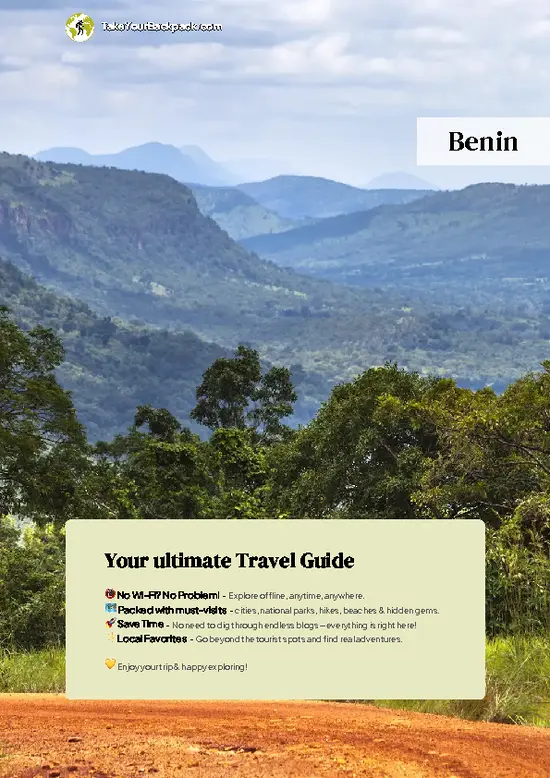
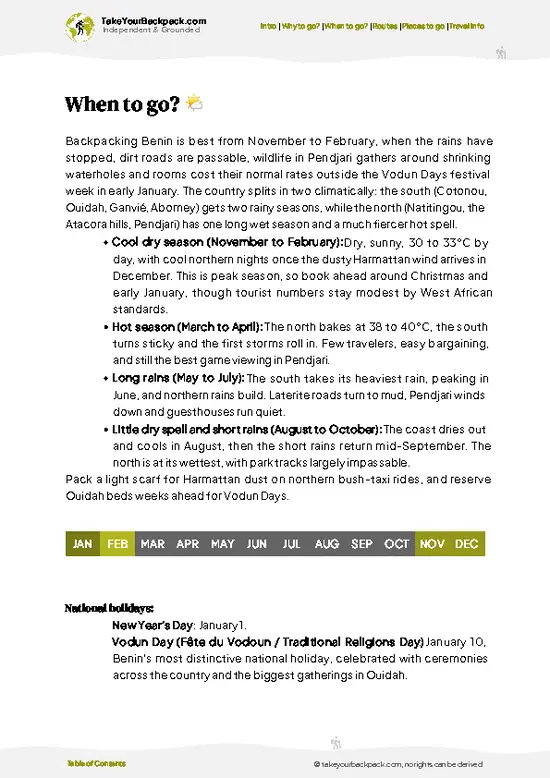
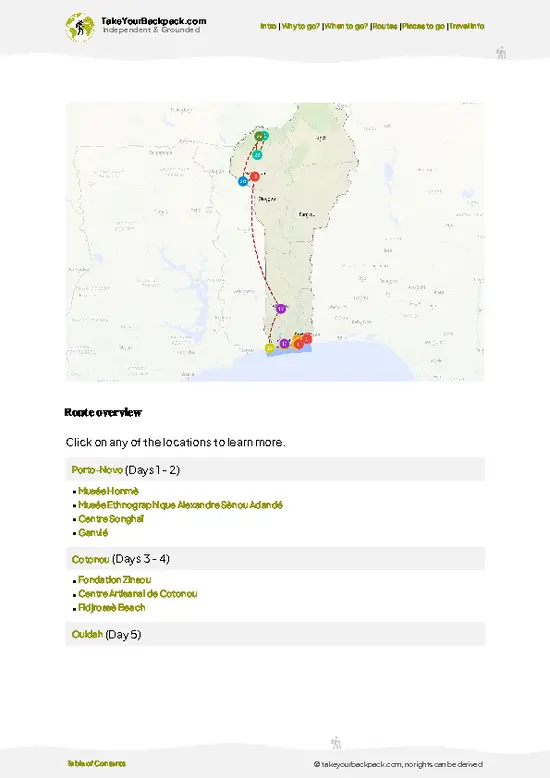
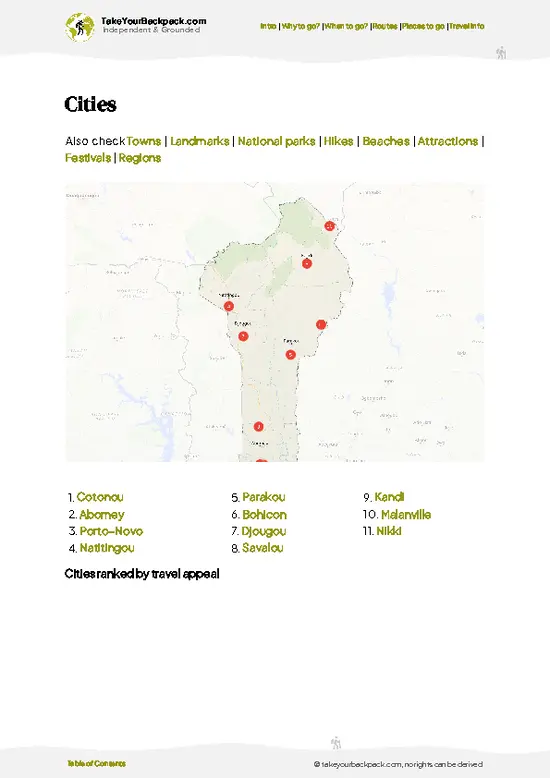
example page 0 from our offline Travel Guide for Benin
example page 1 from our offline Travel Guide for Benin
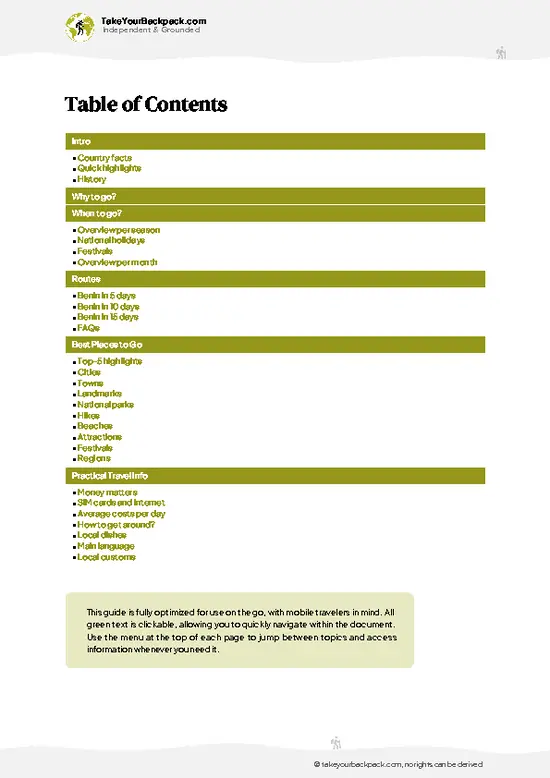
example page 2 from our offline Travel Guide for Benin
example page 3 from our offline Travel Guide for Benin
example page 4 from our offline Travel Guide for Benin
example page 5 from our offline Travel Guide for Benin
example page 6 from our offline Travel Guide for Benin
example page 7 from our offline Travel Guide for Benin
Loading the map 🌍
CLICK TO FILTER
cities
towns
landmarks
national parks
hikes
beaches
attractions
festivals
regions
SHOW COUNTRY’S BESTSHOW ALL

✨ Why go?
Ranked #5 festival in Benin
Reasons people choose to celebrate the here

Fête de l’Igname gives you something rare in West Africa: a harvest ritual that still belongs to the people who hold it, not to tour groups. Backpackers route through central Benin for the chance to stand in a crowd where the new yam is offered to ancestors before anyone eats it, then share the meal that follows. The social energy is the draw. Families come back from Cotonou and abroad, so strangers become hosts quickly, and a polite greeting in French usually earns you a seat and a plate.

The festival also fits a longer Benin loop well. It sits in the Collines region, between the coast and the northern parks, so it breaks up the journey toward Pendjari or the hills of Dassa-Zoumè. Because it centers on the first yam of the harvest, it also explains a dish you will see on tables across the … read more 👉
Fête de l’Igname gives you something rare in West Africa: a harvest ritual that still belongs to the people who hold it, not to tour groups. Backpackers route through central Benin for the chance to stand in a crowd where the new yam is offered to ancestors before anyone eats it, then share the meal that follows. The social energy is the draw. Families come back from Cotonou and abroad, so strangers become hosts quickly, and a polite greeting in French usually earns you a seat and a plate.

The festival also fits a longer Benin loop well. It sits in the Collines region, between the coast and the northern parks, so it breaks up the journey toward Pendjari or the hills of Dassa-Zoumè. Because it centers on the first yam of the harvest, it also explains a dish you will see on tables across the country. For a traveler who wants culture without a ticket booth, it is one of the most direct ways in.

💡 HighlightsPlaces and moments you shouldn't skip

  1. The offering of the new yam: This is what the festival exists for. Elders present the first yams of the season to ancestors and deities before anyone eats, and the quiet seriousness of it contrasts with the noise in the streets.
  2. Chiefs’ and elders’ processions: Dignitaries move through town in layered cloth and hats, often with attendants and musicians. Photos are best taken with permission and a greeting first.
  3. Pounded yam in family courtyards: Igname pilée is stretched, smooth and stretchy, and eaten by hand with a peppery sauce. Women pounding in rhythm outside homes is a sight in itself, and a shared bowl is the easiest way to be welcomed.
  4. Drumming and communal dance: Percussion groups play late into the evening, and circles open up for anyone willing to join. Local dancers set the pace,
… read more 👉
  1. The offering of the new yam: This is what the festival exists for. Elders present the first yams of the season to ancestors and deities before anyone eats, and the quiet seriousness of it contrasts with the noise in the streets.
  2. Chiefs’ and elders’ processions: Dignitaries move through town in layered cloth and hats, often with attendants and musicians. Photos are best taken with permission and a greeting first.
  3. Pounded yam in family courtyards: Igname pilée is stretched, smooth and stretchy, and eaten by hand with a peppery sauce. Women pounding in rhythm outside homes is a sight in itself, and a shared bowl is the easiest way to be welcomed.
  4. Drumming and communal dance: Percussion groups play late into the evening, and circles open up for anyone willing to join. Local dancers set the pace, and you are expected to try.
  5. The royal palace area of Savalou: Gatherings around the traditional court show how the festival connects to local chieftaincy and clan identity. Walk the surrounding streets to see the town dressed up, with the green hills close by.
Fête de l’Igname fits comfortably into two to three days, enough to catch the ritual, a procession, and a couple of evenings of music.
Spotted a mistake or missing something? Contact us.

🌤️ When to go?When is the celebration of Fête de l’Igname?

Fête de l’Igname is held in August, usually over a weekend, in the Savalou and Dassa-Zoumè area of central Benin and in towns across the Collines department, with each community setting its own date after the first harvest of new yams.
  • Best day: Go on the main day, when the first new yam is offered, drums start in the morning and dancers fill the central square.
  • Weather: August is rainy, with highs around 27 to 29°C (81 to 84°F), humid air and heavy afternoon downpours. Bring a light rain jacket, quick-dry clothes and sandals that handle mud.
  • Booking: Reserve a bed two to three weeks ahead, since rooms in small towns are few. Prices can rise by 20 to 40 percent on the festival weekend.
  • Arrival and departure: Arrive the day before, because roads and shared taxis jam from mid-morning. Leave the
… read more 👉
Fête de l’Igname is held in August, usually over a weekend, in the Savalou and Dassa-Zoumè area of central Benin and in towns across the Collines department, with each community setting its own date after the first harvest of new yams.
  • Best day: Go on the main day, when the first new yam is offered, drums start in the morning and dancers fill the central square.
  • Weather: August is rainy, with highs around 27 to 29°C (81 to 84°F), humid air and heavy afternoon downpours. Bring a light rain jacket, quick-dry clothes and sandals that handle mud.
  • Booking: Reserve a bed two to three weeks ahead, since rooms in small towns are few. Prices can rise by 20 to 40 percent on the festival weekend.
  • Arrival and departure: Arrive the day before, because roads and shared taxis jam from mid-morning. Leave the next morning, after the crowds clear.
Confirm the exact date with the local mairie or a guesthouse a week before you travel.


source: climatestotravel.comJANJanuary: not recommended for travelingFEBFebruary: not recommended for travelingMARMarch: not recommended for travelingAPRApril: not recommended for travelingMAYMay: not recommended for travelingJUNJune: not recommended for travelingJULJuly: not recommended for travelingAUGAugust: excellent for travelingSEPSeptember: not recommended for travelingOCTOctober: not recommended for travelingNOVNovember: not recommended for travelingDECDecember: not recommended for traveling

✈️ The backpacker research shortcutBenin Travel Guide

An offline-friendly backpacking guide with optimized travel routes, ranked highlights, transport advice, and the best areas to stay.
example page 0 from our offline Travel Guide for Benin
example page 1 from our offline Travel Guide for Benin
example page 2 from our offline Travel Guide for Benin
example page 3 from our offline Travel Guide for Benin
example page 4 from our offline Travel Guide for Benin
example page 5 from our offline Travel Guide for Benin
example page 6 from our offline Travel Guide for Benin
example page 7 from our offline Travel Guide for Benin
The digital guide (213 pages) contains:
✅ 48 highlights, ranked by travel appeal
✅ Optimized 5, 10 & 15-day travel routes
✅ Cities, national parks, landmarks, beaches
✅ How to get around
✅ Offline-friendly for travel without Wi-Fi
👉 Click to see all 30+ guide features

📅 Plan smarter in minutes, not weeks
✅ Month by month travel advice
✅ Festivals & national holidays
✅ Budget expectations

🗺️ Go to the right places, skip the overrated ones
✅ Honest pros & cons of destinations
✅ Top hikes, parks & viewpoints
✅ Lesser-known places most travelers miss
✅ Clear “worth it vs skip it” guidance

🛏️ Travel smoothly without rookie mistakes
✅ Best areas to stay
✅ Transport systems explained simply
✅ Common scams & safety advice
✅ SIM cards, money & practical tips

🌍 Understand the country, not just visit it
✅ Culture & traditions
✅ 52 Essential phrases & customs
✅ Festivals worth planning around
✅ Traveler-friendly historical context
✅ Insights that make places more meaningful

📱 Built for real travel conditions
✅ Fully downloadable PDF
✅ Works completely offline
✅ Optimized for phone use
✅ Useful in remote areas & buses
✅ Everything in one place
Stop searching, start planning
Get instant access to your full guide. 30‑day money-back guarantee.
+ Add another guide for just

By proceeding you agree to our terms.
Sent to your inbox immediately after payment • 100% Secure Checkout
Best Backpacking Travel Advisor 2025 tourism awardBest Backpacking
Travel Advisor
2025
What others say about Take Your Backpack Guides:
⭐⭐⭐⭐⭐
Fantastic, amazing amount of information!
⭐⭐⭐⭐⭐
My goodness this is amazing, it's what I've been looking for hats off too you!
⭐⭐⭐⭐⭐
I think this is absolutely BRILLIANT
⭐⭐⭐⭐
Very complete and informative. It's still missing places, but I gotta to commend you
⭐⭐⭐⭐⭐
This is truly amazing, thank you, can't wait to explore it with my kids!
⭐⭐⭐⭐⭐
Awesome resource, thank you!
⭐⭐⭐⭐⭐
This is amazing! Can't wait to explore the ones I haven't seen
⭐⭐⭐⭐
I love this! Well done, great idea.
⭐⭐⭐⭐⭐
Thanks for taking the time to make this gem!
⭐⭐⭐⭐⭐
This might be the best website I've ever seen.
⭐⭐⭐⭐⭐
Congratulations, and thank you so much for your work; it's incredibly valuable.
⭐⭐⭐⭐
In all seriousness I think you did a great job pointing out the important spots
⭐⭐⭐⭐⭐
10/10 very good
⭐⭐⭐⭐⭐
As someone who's only just starting to visit regularly this is awesome, thank you.
⭐⭐⭐⭐
Thank you very much! I'm going to visit my dad, it's going to be very useful!
⭐⭐⭐⭐⭐
This is really cool! We'll be travelling for the first time and this definitely come in handy.
⭐⭐⭐⭐⭐
You are now our minister of culture, congratulations 👨‍💼
⭐⭐⭐⭐⭐
Just wanted to tell you that this is a pearl! Going to follow your recommendations.
⭐⭐⭐⭐⭐
This is so cool. I'll definitely be using the resource for my travels soon.
⭐⭐⭐⭐⭐
This is very impressive! Good work.
⭐⭐⭐⭐⭐
This is an amazing and informative site. Very well done!

🛏️ Where to stay?Best areas to stay in Benin

Stay in the host town itself if you can, and use Dassa-Zoumè or Savalou as your base for the busiest nights. Both have a compact center where you can walk to the main square and the festival grounds after dark, which matters because roads outside town are poorly lit. Dassa-Zoumè is the easier choice for solo travelers: it sits on the main north-south road and rail line, so buses and zemidjan (motorbike taxis) are easy to find, and its small guesthouse scene means you will meet other visitors over breakfast. Savalou is quieter and more local, a good pick if you prefer to be among families who come … read more 👉
Stay in the host town itself if you can, and use Dassa-Zoumè or Savalou as your base for the busiest nights. Both have a compact center where you can walk to the main square and the festival grounds after dark, which matters because roads outside town are poorly lit. Dassa-Zoumè is the easier choice for solo travelers: it sits on the main north-south road and rail line, so buses and zemidjan (motorbike taxis) are easy to find, and its small guesthouse scene means you will meet other visitors over breakfast. Savalou is quieter and more local, a good pick if you prefer to be among families who come home for the celebration. Look for lodgings near the central market in either town, since that is where the activity is and where taxi drivers wait late. If rooms fill up, Bohicon is a larger transport hub with more beds, roughly one to two hours away by road, though you will rely on a shared taxi to get back and forth. Avoid isolated spots on the edge of town. Ask your host to arrange a trusted zemidjan driver for the evening.

👛 Costs (as of 22 October 2026)Typical daily expenses

Fête de l’Igname costs roughly €0 to 5 per day for an independent traveler, and the total daily budget in the table below comes to €47 to 83 once the busiest weekend prices apply.
CategoryBudget RangeLocal Reality
Festival tickets€0 to 5Street celebrations are generally free to watch. Some ceremonies or seating areas ask a small contribution.
Accommodation€12 to 25 (high season)Simple guesthouse rooms with fan. Prices rise noticeably on the festival weekend and rooms sell out.
Local transport€5 to 12Zemidjan rides cost under €1 to 2 in town. Shared taxis between towns run about €3 to 8.
Food & drinks€8 to 15Street meals of pounded yam cost €1.50 to 3. Local beer and tchoukoutou are under €1.50.
Miscellaneous expenses€5 to 15Small tips for dancers or guides, drinking water, phone credit and offerings
… read more 👉
Fête de l’Igname costs roughly €0 to 5 per day for an independent traveler, and the total daily budget in the table below comes to €47 to 83 once the busiest weekend prices apply.
CategoryBudget RangeLocal Reality
Festival tickets€0 to 5Street celebrations are generally free to watch. Some ceremonies or seating areas ask a small contribution.
Accommodation€12 to 25 (high season)Simple guesthouse rooms with fan. Prices rise noticeably on the festival weekend and rooms sell out.
Local transport€5 to 12Zemidjan rides cost under €1 to 2 in town. Shared taxis between towns run about €3 to 8.
Food & drinks€8 to 15Street meals of pounded yam cost €1.50 to 3. Local beer and tchoukoutou are under €1.50.
Miscellaneous expenses€5 to 15Small tips for dancers or guides, drinking water, phone credit and offerings at ceremonies.
Total Daily Budget€30 to 72Plan toward the upper half if you arrive on the main day without a booking.
⚠️ Prices can change and everyone travels differently, so take this as a rough guide. Hope it helps you plan your adventure!

🍲 FoodWhat to Eat & Drink

Expect the yam to be the star, since the festival celebrates the new harvest. Stalls around the square sell pounded yam (igname pilée) stretched into a smooth, sticky mound and served with peanut, tomato or leafy sauces, often with goat or chicken. Try wagashi, the soft local cheese fried golden in spicy sauce, and igname frite, thick yam fries sold hot in paper cones with a fiery pepper paste called piment. Roasted yam over charcoal is the simplest and best snack: smoky outside, creamy within.

For drinks, look for tchoukoutou, a sour, lightly fizzy sorghum beer poured from big calabashes, plus sodabi, a strong palm spirit that is sipped slowly. Bottled Beninoise beer, ginger juice and bissap (hibiscus) are easy alternatives.

Pay in cash only, and bring small notes since vendors rarely have … read more 👉
Expect the yam to be the star, since the festival celebrates the new harvest. Stalls around the square sell pounded yam (igname pilée) stretched into a smooth, sticky mound and served with peanut, tomato or leafy sauces, often with goat or chicken. Try wagashi, the soft local cheese fried golden in spicy sauce, and igname frite, thick yam fries sold hot in paper cones with a fiery pepper paste called piment. Roasted yam over charcoal is the simplest and best snack: smoky outside, creamy within.

For drinks, look for tchoukoutou, a sour, lightly fizzy sorghum beer poured from big calabashes, plus sodabi, a strong palm spirit that is sipped slowly. Bottled Beninoise beer, ginger juice and bissap (hibiscus) are easy alternatives.

Pay in cash only, and bring small notes since vendors rarely have change. Portions are generous and meant to be shared, so order one bowl for two. Eat with your right hand when a communal dish arrives, and wash your hands at the basin offered. Lines are informal, so catch the vendor’s eye and be patient.

FAQCommon questions from travelers

Fête de l’Igname takes place in August, usually across a weekend, once the first new yams are harvested in central Benin. Exact dates are set locally by each community, so confirm with a guesthouse in Dassa-Zoumè or Savalou about a week ahead. The main day, with the first-yam offering and drumming, is the one to catch.
Attending Fête de l’Igname is mostly free, since the street celebrations are open to everyone. Expect to spend about €30 to 70 a day in total, including a room at €12 to 25, meals at €1.50 to 3 and shared taxis at €3 to 8. Some ceremonies or seating areas may ask a small contribution of up to about €5.
You do not need tickets in advance for Fête de l’Igname, because the main events happen in public squares and streets. What you do need to book early is a bed, ideally two to three weeks ahead in Dassa-Zoumè or Savalou. Rooms are few, and prices can rise by 20 to 40 percent on the festival weekend.
⚠️ Things can change over time, so always validate details locally before you go.

Other Beninese festivals near Fête de l’Igname

Explore more nearby:


💡 Not sure where to go next?
Create a personalized itinerary for Benin including Fête de l’Igname and the places that fit your trip.

Generate my itinerary

👉 Discover all festivals

Or checkout all Benin has to offer (think cities, towns, villages, national parks, hikes, beaches, festivals)
Country photo of Benin

We 💚 feedbackSumming up the experience

Fête de l’Igname is best in the first days of the harvest season in August, when the humid air is heavy but the town is at its fullest. Go early in the day for rituals and processions, then rest through the afternoon heat. Bring small bills, a light rain layer, and an empty stomach for the pounded yam.

✍️ Help improve this page!
The information on this page is based on in-depth research, insights shared by experienced travelers, and feedback from the local travel community in Benin. While every effort is made to keep the information accurate and current, conditions can change — so if you spot anything incorrect or outdated, please get in touch.


🙋‍♂️ Give feedback

👋 Meet the founderWho’s Behind Take Your Backpack?

Johan, backpacker and founder of TakeYourBackpackHi, I’m Johan (Netherlands 🇳🇱), the creator of TakeYourBackpack. Over the past 3 decades, I’ve backpacked through 90+ countries across six continents, gaining extensive experience with independent travel, long-term trips, and overland routes.

This site is built on a combination of firsthand travel experience and carefully curated insights from other backpackers. Many guides are based on places I’ve personally visited, while others bring together tips, observations, and practical advice shared by trusted travelers I’ve met along the way.

The goal is to provide realistic, experience-driven guidance — not generic itineraries — so you can explore destinations with better context, clearer expectations, and more confidence.