×

Bhutan🇧🇹 | attractionsParo Taktsangcliffside monastery, sacred pilgrimage, forested ascent | things to do and best time to go

Explore TrongsaExplore Tashichho Dzong

Backpacking in Paro Taktsang
🏆 Top pickattraction ranked #1
By Johan Kruseman 🇳🇱 | Updated October 15, 2026

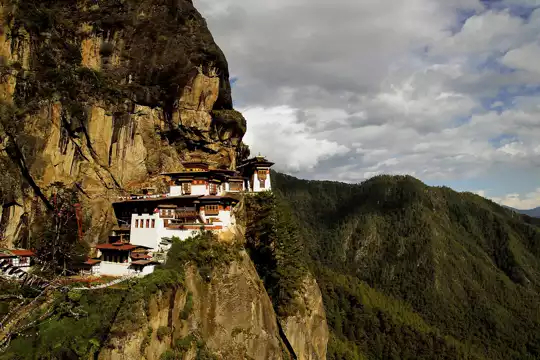
Let’s kill the fantasy right away: Paro Taktsang, the “Tiger’s Nest,” is not a solitary temple floating in the clouds, waiting for you and your camera. It’s a pilgrimage site—crowded, expensive, and absolutely worth the sweat. You’ll find it clinging to a cliffside above the Paro Valley, western Bhutan, a few hours’ hike from the nearest road. The climb is real—steep, high-altitude, and packed with everyone from monks to selfie-chasers. Entry fees are steep for foreigners, and you’re not getting that classic empty shot unless you arrive at sunrise or in the off-season. But here’s the real magic: the sound of prayer wheels spinning, the scent of pine and incense, the thunder of your own heartbeat as you round a corner and see the monastery glued to the rock. Compared to Bhutan’s other sights, Taktsang is the heavyweight—spiritual, cinematic, and yes, a little overrun, but it earns every bit of its legend.

Discover everything you want to know in the 📖 Bhutan Travel Guide.


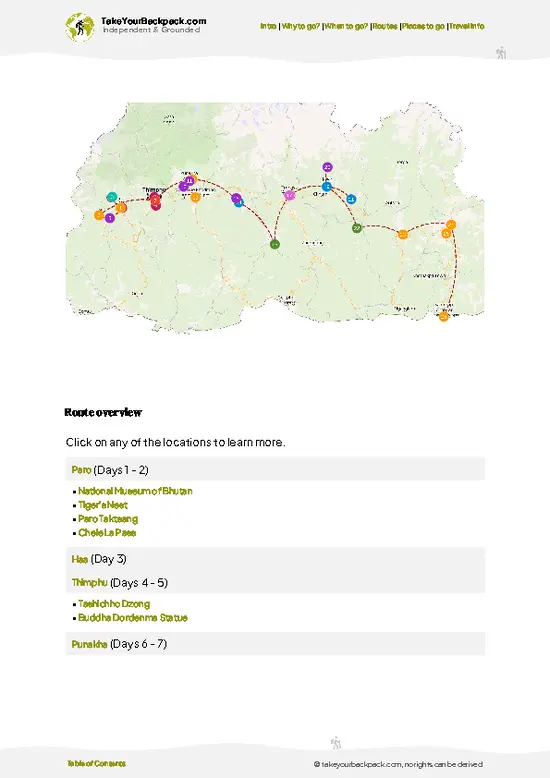
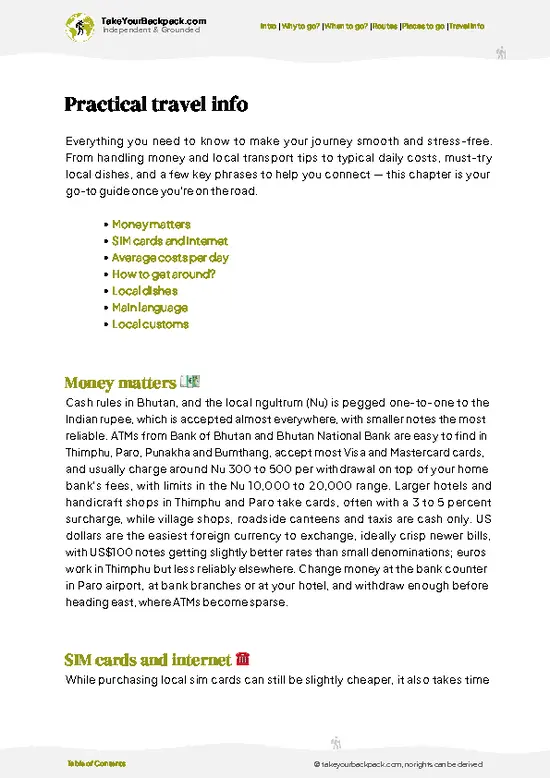
example page 0 from our offline Travel Guide for Bhutan
example page 1 from our offline Travel Guide for Bhutan
example page 2 from our offline Travel Guide for Bhutan
example page 3 from our offline Travel Guide for Bhutan
example page 4 from our offline Travel Guide for Bhutan
example page 5 from our offline Travel Guide for Bhutan
example page 6 from our offline Travel Guide for Bhutan
example page 7 from our offline Travel Guide for Bhutan
Loading the map 🌍
CLICK TO FILTER
cities
towns
villages
landmarks
national parks
hikes
attractions
festivals
regions
SHOW COUNTRY’S BESTSHOW ALL

✨ Why go?
Ranked #1 attraction in Bhutan
Why visitors keep coming back

Paro Taktsang, often called the Tiger’s Nest, is the kind of place that demands your time—not because it’s easy or cheap, but because it’s a milestone you’ll brag about for years. Yes, it’s crowded. Yes, the entrance fee and guide costs aren’t pocket change. But here’s the real deal: this isn’t just a photo op perched on a cliff. It’s a living symbol of Bhutan’s fierce spiritual identity, carved into the rock since the 17th century. The monastery’s history is soaked in legend—Guru Rinpoche supposedly flew here on a tiger’s back, which is exactly the kind of myth that sticks with you long after the hike.

The trek itself is a test of grit and patience, with steep switchbacks that push your lungs and legs, but the payoff is a jaw-dropping view that no Instagram filter can replicate. You’re not … read more 👉
Paro Taktsang, often called the Tiger’s Nest, is the kind of place that demands your time—not because it’s easy or cheap, but because it’s a milestone you’ll brag about for years. Yes, it’s crowded. Yes, the entrance fee and guide costs aren’t pocket change. But here’s the real deal: this isn’t just a photo op perched on a cliff. It’s a living symbol of Bhutan’s fierce spiritual identity, carved into the rock since the 17th century. The monastery’s history is soaked in legend—Guru Rinpoche supposedly flew here on a tiger’s back, which is exactly the kind of myth that sticks with you long after the hike.

The trek itself is a test of grit and patience, with steep switchbacks that push your lungs and legs, but the payoff is a jaw-dropping view that no Instagram filter can replicate. You’re not just visiting a temple; you’re stepping into a story that shaped a nation’s soul. For backpackers threading Bhutan into their route, Paro Taktsang is a checkpoint of cultural depth and personal challenge. It’s the kind of place where the effort-to-reward ratio isn’t just good—it’s transformative. Skip it, and you miss the heart of Bhutan’s magic.

💡 HighlightsTop highlights of Paro Taktsang

The Hike Up: Earn Every Step
Forget the Instagram shots of monks floating above clouds—this hike is a sweat-soaked, lung-busting reality check. You’ll climb nearly 900 meters in altitude, and the path is steep, dusty, and relentless. But here’s the magic: every switchback peels away the modern world. The forest smells like pine and incense. Prayer flags snap in the wind. You’ll pass locals in sneakers and monks in maroon robes, all moving with a quiet purpose. The sense of anticipation builds with every step. By the time you glimpse the monastery clinging to the cliff, you’ve earned it. No filter required.


The Cliffside Monastery: Gravity-Defying Architecture
Paro Taktsang isn’t just perched on a cliff—it’s fused to it, 900 meters above the valley floor. The buildings look impossible, like … read more 👉
The Hike Up: Earn Every Step
Forget the Instagram shots of monks floating above clouds—this hike is a sweat-soaked, lung-busting reality check. You’ll climb nearly 900 meters in altitude, and the path is steep, dusty, and relentless. But here’s the magic: every switchback peels away the modern world. The forest smells like pine and incense. Prayer flags snap in the wind. You’ll pass locals in sneakers and monks in maroon robes, all moving with a quiet purpose. The sense of anticipation builds with every step. By the time you glimpse the monastery clinging to the cliff, you’ve earned it. No filter required.


The Cliffside Monastery: Gravity-Defying Architecture
Paro Taktsang isn’t just perched on a cliff—it’s fused to it, 900 meters above the valley floor. The buildings look impossible, like a dare to the laws of physics. Up close, you’ll see hand-carved woodwork, gold-tipped roofs, and walls that seem to grow straight out of the rock. The drop below is dizzying, and the view across the Paro Valley is the kind of panorama that makes you forget to breathe. This isn’t a backdrop; it’s a feat of human will and faith, and standing here, you feel it in your bones.


The Inner Sanctums: Smoke, Silence, and Stories
Inside, the air is thick with butter lamp smoke and the low murmur of prayers. Murals of wrathful deities and serene Buddhas cover the walls, each with a story that’s older than most countries. Monks move quietly, sometimes offering a nod or a smile. If you’re lucky, you’ll catch a ceremony—drums, horns, and chanting that vibrate through your chest. No photos allowed, and that’s a gift. You’re forced to be present, to absorb the atmosphere with all your senses.


The Guru Rinpoche Cave: The Heart of the Legend
This is the spiritual core of the site. According to legend, Guru Rinpoche flew here on the back of a tigress to subdue a demon, then meditated in a cave that’s still part of the monastery. The cave itself is small, dark, and charged with centuries of devotion. Whether you buy into the mythology or not, standing in that cramped space, you feel the weight of belief. It’s humbling, and a little eerie.


The Tea House: The Most Satisfying Cup You’ll Ever Drink
Halfway up, there’s a simple tea house with a million-dollar view. It’s not fancy—plastic chairs, basic snacks, and tea that tastes like relief. But after the climb, it’s a reward that feels almost spiritual. You’ll sit among fellow travelers, boots off, steam rising from your cup, and the monastery in sight. This is the real social media moment: tired, happy, and fully alive.
Spotted a mistake or missing something? Contact us.

Things to do near Paro Taktsang

Ratings based on Tripadvisor reviews. When you book through this link, you support our work at no extra cost to you.

🌤️ When to go?Weather, crowds, and seasonal trade-offs

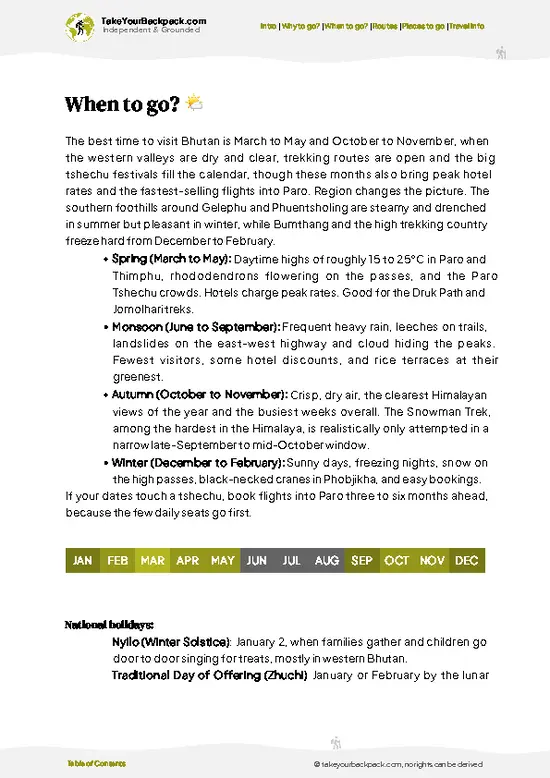
  • Weather: The best window is spring (March to May) and autumn (September to November). These months avoid the heavy monsoon rains that hit from June through August, turning trails into mud pits and obscuring those jaw-dropping views. Winter (December to February) is cold and can be icy, making the hike tougher.
  • Temperature: Spring and autumn days hover around 15-20°C (59-68°F), perfect for hiking without overheating or freezing. Nights dip to 5°C (41°F) or lower, so pack layers. Summer is warmer but sticky and wet, while winter can plunge below freezing, especially at night.
  • Daylight Hours: Expect roughly 10-12 hours of daylight in spring and autumn, giving you enough time to tackle the 2-3 hour hike without rushing. Winter days are shorter, which can cramp your schedule if you start late.
… read more 👉
  • Weather: The best window is spring (March to May) and autumn (September to November). These months avoid the heavy monsoon rains that hit from June through August, turning trails into mud pits and obscuring those jaw-dropping views. Winter (December to February) is cold and can be icy, making the hike tougher.
  • Temperature: Spring and autumn days hover around 15-20°C (59-68°F), perfect for hiking without overheating or freezing. Nights dip to 5°C (41°F) or lower, so pack layers. Summer is warmer but sticky and wet, while winter can plunge below freezing, especially at night.
  • Daylight Hours: Expect roughly 10-12 hours of daylight in spring and autumn, giving you enough time to tackle the 2-3 hour hike without rushing. Winter days are shorter, which can cramp your schedule if you start late.
  • Crowds: Peak tourist season aligns with spring and autumn, so expect more hikers on weekends and holidays. If you want solitude, aim for early mornings or weekdays. Winter sees fewer visitors but harsher conditions.
  • Seasonal Activities: Spring bursts with rhododendron blooms along the trail, adding color and scent to the trek. Autumn offers crisp air and clear skies, ideal for photography. Winter festivals in Paro can be a cultural bonus but come with cold hikes.
  • Price Fluctuations: High season (spring and autumn) means higher prices for permits, guides, and accommodation. Off-season (summer monsoon and winter) can be cheaper but expect limited services and tougher conditions.
Pro-tip: Visit in late September or early October to dodge the worst crowds, catch clear skies, and enjoy manageable temperatures—this combo makes the climb feel less like a chore and more like a pilgrimage.


source: climatestotravel.comJANJanuary: fair for travelingFEBFebruary: fair for travelingMARMarch: excellent for travelingAPRApril: excellent for travelingMAYMay: excellent for travelingJUNJune: below average for travelingJULJuly: below average for travelingAUGAugust: below average for travelingSEPSeptember: excellent for travelingOCTOctober: excellent for travelingNOVNovember: highly recommended for travelingDECDecember: fair for traveling
when-to-go

✈️ The backpacker research shortcutBhutan Travel Guide

An offline-friendly backpacking guide with optimized travel routes, ranked highlights, transport advice, and the best areas to stay.
example page 0 from our offline Travel Guide for Bhutan
example page 1 from our offline Travel Guide for Bhutan
example page 2 from our offline Travel Guide for Bhutan
example page 3 from our offline Travel Guide for Bhutan
example page 4 from our offline Travel Guide for Bhutan
example page 5 from our offline Travel Guide for Bhutan
example page 6 from our offline Travel Guide for Bhutan
example page 7 from our offline Travel Guide for Bhutan
The digital guide (210 pages) contains:
✅ 52 highlights, ranked by travel appeal
✅ Optimized 5, 10 & 15-day travel routes
✅ Cities, national parks, landmarks, beaches
✅ How to get around
✅ Offline-friendly for travel without Wi-Fi
👉 Click to see all 30+ guide features

📅 Plan smarter in minutes, not weeks
✅ Month by month travel advice
✅ Festivals & national holidays
✅ Budget expectations

🗺️ Go to the right places, skip the overrated ones
✅ Honest pros & cons of destinations
✅ Top hikes, parks & viewpoints
✅ Lesser-known places most travelers miss
✅ Clear “worth it vs skip it” guidance

🛏️ Travel smoothly without rookie mistakes
✅ Best areas to stay
✅ Transport systems explained simply
✅ Common scams & safety advice
✅ SIM cards, money & practical tips

🌍 Understand the country, not just visit it
✅ Culture & traditions
✅ 52 Essential phrases & customs
✅ Festivals worth planning around
✅ Traveler-friendly historical context
✅ Insights that make places more meaningful

📱 Built for real travel conditions
✅ Fully downloadable PDF
✅ Works completely offline
✅ Optimized for phone use
✅ Useful in remote areas & buses
✅ Everything in one place
Stop searching, start planning
Get instant access to your full guide. 30‑day money-back guarantee.
+ Add another guide for just

By proceeding you agree to our terms.
Sent to your inbox immediately after payment • 100% Secure Checkout
Best Backpacking Travel Advisor 2025 tourism awardBest Backpacking
Travel Advisor
2025
What others say about Take Your Backpack Guides:
⭐⭐⭐⭐⭐
Fantastic, amazing amount of information!
⭐⭐⭐⭐⭐
My goodness this is amazing, it's what I've been looking for hats off too you!
⭐⭐⭐⭐⭐
I think this is absolutely BRILLIANT
⭐⭐⭐⭐
Very complete and informative. It's still missing places, but I gotta to commend you
⭐⭐⭐⭐⭐
This is truly amazing, thank you, can't wait to explore it with my kids!
⭐⭐⭐⭐⭐
Awesome resource, thank you!
⭐⭐⭐⭐⭐
This is amazing! Can't wait to explore the ones I haven't seen
⭐⭐⭐⭐
I love this! Well done, great idea.
⭐⭐⭐⭐⭐
Thanks for taking the time to make this gem!
⭐⭐⭐⭐⭐
This might be the best website I've ever seen.
⭐⭐⭐⭐⭐
Congratulations, and thank you so much for your work; it's incredibly valuable.
⭐⭐⭐⭐
In all seriousness I think you did a great job pointing out the important spots
⭐⭐⭐⭐⭐
10/10 very good
⭐⭐⭐⭐⭐
As someone who's only just starting to visit regularly this is awesome, thank you.
⭐⭐⭐⭐
Thank you very much! I'm going to visit my dad, it's going to be very useful!
⭐⭐⭐⭐⭐
This is really cool! We'll be travelling for the first time and this definitely come in handy.
⭐⭐⭐⭐⭐
You are now our minister of culture, congratulations 👨‍💼
⭐⭐⭐⭐⭐
Just wanted to tell you that this is a pearl! Going to follow your recommendations.
⭐⭐⭐⭐⭐
This is so cool. I'll definitely be using the resource for my travels soon.
⭐⭐⭐⭐⭐
This is very impressive! Good work.
⭐⭐⭐⭐⭐
This is an amazing and informative site. Very well done!

🛏️ Where to stay?How to pick the right area

Paro Taktsang, the Tiger’s Nest, is the crown jewel of Bhutan’s spiritual landscape. But let’s cut through the postcard-perfect hype: it’s not a solo trek into untouched wilderness. The trail is packed with tourists, especially mid-morning, and the entrance fees and guide requirements add up fast. So, if you’re chasing Instagram serenity, prepare for a reality check.

That said, the real magic isn’t just the monastery clinging to the cliff—it’s the vibe around Paro town, where backpackers actually hang out. Paro is your base camp. It’s safe, walkable, and has a surprisingly social backpacker scene … read more 👉
Paro Taktsang, the Tiger’s Nest, is the crown jewel of Bhutan’s spiritual landscape. But let’s cut through the postcard-perfect hype: it’s not a solo trek into untouched wilderness. The trail is packed with tourists, especially mid-morning, and the entrance fees and guide requirements add up fast. So, if you’re chasing Instagram serenity, prepare for a reality check.

That said, the real magic isn’t just the monastery clinging to the cliff—it’s the vibe around Paro town, where backpackers actually hang out. Paro is your base camp. It’s safe, walkable, and has a surprisingly social backpacker scene given Bhutan’s strict tourism policies. You’ll find fellow travelers swapping stories over cheap local meals and chai, which is a rare chance to connect in a country that’s otherwise a bit buttoned-up.

Staying in Paro means you can start the hike early, beating the crowds, and decompress afterward without rushing. The town’s compact size makes it easy to explore on foot, with markets and cafes that give you a taste of everyday Bhutanese life beyond the monastery’s spiritual spectacle. It’s not flashy, but it’s authentic—and that’s the real reward for backpackers who want more than just a photo op.

👛 Costs (as of 15 October 2026)Travel costs and budget guide for Paro Taktsang

As of March 2023, the entrance fee for Paro Taktsang (Tiger's Nest Monastery) is 1,000 Bhutanese Ngultrum (BTN) per adult, approximately €20. Children aged 6 to 18 years are charged 500 BTN (€10), while those below 5 years enter free of charge. Additional costs include transportation to the trailhead, which can be around €10 for a round-trip taxi from Paro town, and optional horse rides for parts of the trek, costing about €10 each way. Meals and refreshments are available at the midway cafeteria, with prices varying based on selection. Please note that these fees are subject to change; it's advisable to check the official website for the most current information.

source: parotaktsang.org
⚠️ Prices can change and everyone travels differently, so take this as a rough guide. Hope it helps you plan your adventure!

FAQFrequently asked questions about Paro Taktsang

4 to 5 hours are needed to visit Paro Taktsang, including the hike up and down. The trail is about 2.5 kilometers one way with steep sections, so plan for moderate physical effort. Allocate extra time for exploring the monastery and taking photos.
Yes, Paro Taktsang is worth the entrance fee of around 1,000 Bhutanese Ngultrum (about $13 USD). The site offers unique cultural and spiritual experiences with stunning views, making it a highlight of Bhutan travel. The fee helps maintain the monastery and surrounding trails.
To get to Paro Taktsang, start from Paro town and take a taxi or walk to the trailhead at the base of the mountain, about 12 kilometers from Paro center. The hike to the monastery is the only way to reach it, as vehicles are not allowed beyond the trailhead.
⚠️ Things can change over time, so always validate details locally before you go.

Other Bhutanese attractions near Paro Taktsang

Explore more nearby:


💡 Not sure where to go next?
Create a personalized itinerary for Bhutan including Paro Taktsang and the places that fit your trip.

Generate my itinerary

👉 Discover all attractions

Or checkout all Bhutan has to offer (think cities, towns, villages, national parks, hikes, beaches, festivals)
Country photo of Bhutan

We 💚 feedbackParting advice and final tips

Paro Taktsang isn’t some quiet, untouched shrine where you’ll find solitude. Expect crowds, especially mid-morning, and a steep entrance fee that feels like a test of your wallet’s stamina. But here’s the kicker: once you push past the tourist buzz and catch that first glimpse of the monastery clinging impossibly to the cliff, it hits differently. The air sharpens, the prayer flags snap in the wind, and you realize this place isn’t about Instagram—it’s about a raw, almost electric connection to something ancient and fierce.

✍️ Help improve this page!
The information on this page is based on in-depth research, insights shared by experienced travelers, and feedback from the local travel community in Bhutan. While every effort is made to keep the information accurate and current, conditions can change — so if you spot anything incorrect or outdated, please get in touch.


🙋‍♂️ Give feedback

👋 Meet the founderWho’s Behind Take Your Backpack?

Johan, backpacker and founder of TakeYourBackpackHi, I’m Johan (Netherlands 🇳🇱), the creator of TakeYourBackpack. Over the past 3 decades, I’ve backpacked through 90+ countries across six continents, gaining extensive experience with independent travel, long-term trips, and overland routes.

This site is built on a combination of firsthand travel experience and carefully curated insights from other backpackers. Many guides are based on places I’ve personally visited, while others bring together tips, observations, and practical advice shared by trusted travelers I’ve met along the way.

The goal is to provide realistic, experience-driven guidance — not generic itineraries — so you can explore destinations with better context, clearer expectations, and more confidence.