×

Bhutan🇧🇹 | attractionsNational Museum of Bhutancircular fortress, ancient relics, Himalayan art | things to do and best time to go

Explore Trongsa DzongExplore National Folk Heritage Museum

Backpacking in National Museum of Bhutan
👌 Worth visitingattraction ranked #5
By Johan Kruseman 🇳🇱 | Updated October 15, 2026

A cold draft snakes up your sleeves as you press your forehead to the thick, stone window ledge—outside, Paro Valley rolls out in a patchwork of rice fields and prayer flags, but inside, the air smells of old wood, incense, and something faintly metallic from the ancient swords on display. This is Ta Dzong, the National Museum of Bhutan, perched above Paro town in western Bhutan. Here’s the straight deal: Yes, you’ll jostle with tour groups and pay a steeper entry fee than most Bhutanese sites, and no, you won’t get the place to yourself unless you’re here at opening. But the real magic isn’t in the Instagrammable views or the curated relics—it’s in the way the museum stitches together Bhutan’s story, from shamanic masks to battered thangka scrolls, making the country’s mythic past feel raw and immediate. Compared to the showy dzongs or Tiger’s Nest, Ta Dzong is quieter, more cerebral, and—if you let it—utterly transportive.

Discover everything you want to know in the 📖 Bhutan Travel Guide.


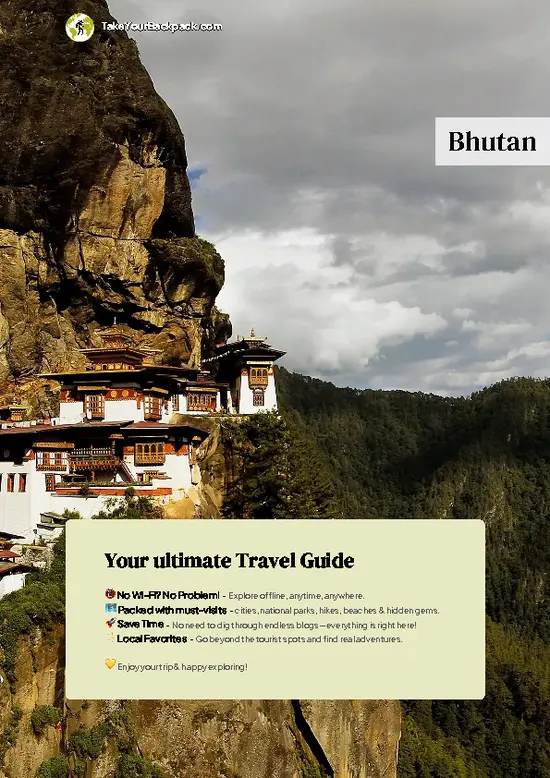
example page 0 from our offline Travel Guide for Bhutan
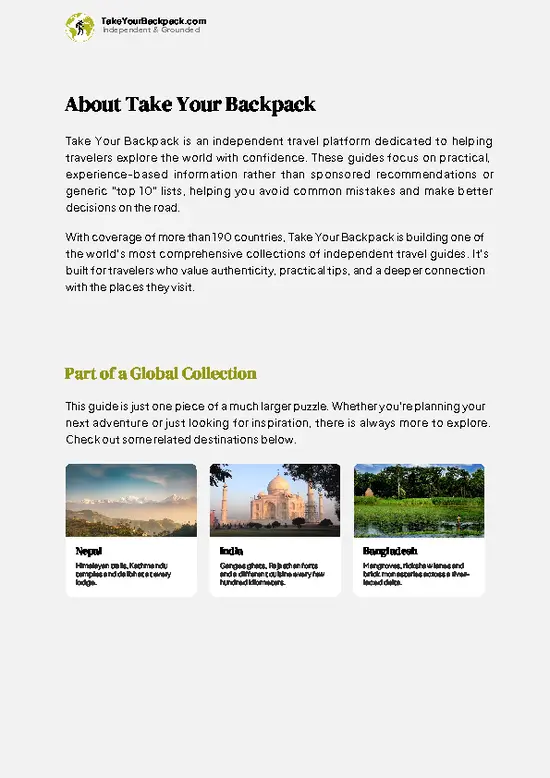
example page 1 from our offline Travel Guide for Bhutan
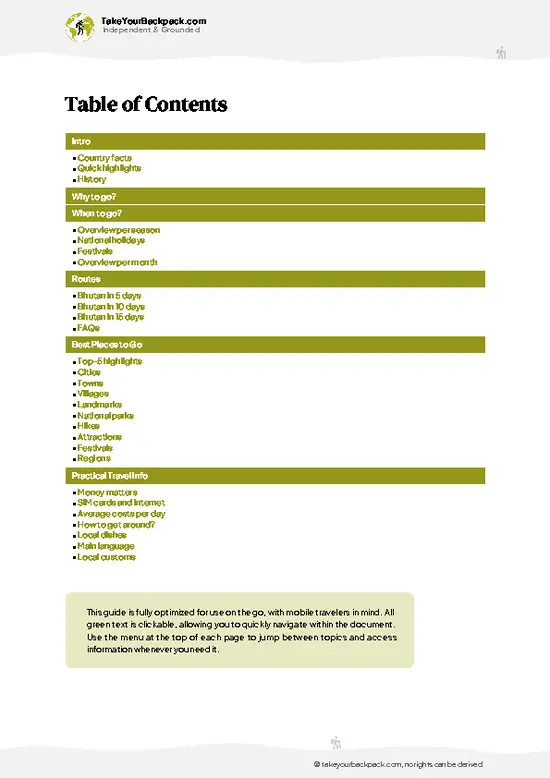
example page 2 from our offline Travel Guide for Bhutan
example page 3 from our offline Travel Guide for Bhutan
example page 4 from our offline Travel Guide for Bhutan
example page 5 from our offline Travel Guide for Bhutan
example page 6 from our offline Travel Guide for Bhutan
example page 7 from our offline Travel Guide for Bhutan
Loading the map 🌍
CLICK TO FILTER
cities
towns
villages
landmarks
national parks
hikes
attractions
festivals
regions
SHOW COUNTRY’S BESTSHOW ALL

✨ Why go?
Ranked #5 attraction in Bhutan
What makes this attraction worth visiting

The National Museum of Bhutan is not just another stop on the tourist checklist—it’s a cultural heavyweight that demands your attention. Yes, it gets busy, especially during peak season, and the entrance fee isn’t exactly pocket change for a backpacker. But here’s the deal: this place is the vault of Bhutanese identity. Housed in a fortress that once guarded the skies above Paro, the museum offers more than dusty relics. It’s a deep dive into Bhutan’s history, art, and spirituality, packed with ancient thangkas, weaponry, and natural history exhibits that tell stories you won’t find in guidebooks. The climb up to Ta Dzong is a mini workout, but the payoff is a panoramic view of Paro Valley that feels like a reward for your effort. For backpackers threading through Bhutan’s rugged routes, this … read more 👉
The National Museum of Bhutan is not just another stop on the tourist checklist—it’s a cultural heavyweight that demands your attention. Yes, it gets busy, especially during peak season, and the entrance fee isn’t exactly pocket change for a backpacker. But here’s the deal: this place is the vault of Bhutanese identity. Housed in a fortress that once guarded the skies above Paro, the museum offers more than dusty relics. It’s a deep dive into Bhutan’s history, art, and spirituality, packed with ancient thangkas, weaponry, and natural history exhibits that tell stories you won’t find in guidebooks. The climb up to Ta Dzong is a mini workout, but the payoff is a panoramic view of Paro Valley that feels like a reward for your effort. For backpackers threading through Bhutan’s rugged routes, this museum is a milestone—a moment to pause, absorb, and connect with the soul of a country fiercely protective of its heritage. Skip it, and you miss the heartbeat beneath Bhutan’s serene surface.

💡 HighlightsTop highlights of National Museum of Bhutan

The Watchtower’s Bones: The Building Itself
Forget the Instagram shots of the round, whitewashed walls. Ta Dzong is a 17th-century watchtower that looks like it was designed by someone who wanted to outlast an earthquake, a siege, and possibly the next ice age. The walls are absurdly thick, the windows are arrow-slit narrow, and the whole place feels like a fortress with a PhD in Bhutanese history. You’re not just walking through a museum; you’re inside a piece of military architecture that once kept invaders at bay. The creak of the floorboards and the cool, stone air are the real deal—no velvet ropes, no fake patina.


The Mask Room: Faces of the Divine and the Wild
This isn’t your average “here’s a mask, here’s a label” display. The collection of ceremonial masks here is a riot of snarling … read more 👉
The Watchtower’s Bones: The Building Itself
Forget the Instagram shots of the round, whitewashed walls. Ta Dzong is a 17th-century watchtower that looks like it was designed by someone who wanted to outlast an earthquake, a siege, and possibly the next ice age. The walls are absurdly thick, the windows are arrow-slit narrow, and the whole place feels like a fortress with a PhD in Bhutanese history. You’re not just walking through a museum; you’re inside a piece of military architecture that once kept invaders at bay. The creak of the floorboards and the cool, stone air are the real deal—no velvet ropes, no fake patina.


The Mask Room: Faces of the Divine and the Wild
This isn’t your average “here’s a mask, here’s a label” display. The collection of ceremonial masks here is a riot of snarling demons, serene deities, and animals that look like they could leap off the wall and join a festival at any moment. These masks aren’t just art—they’re living props in Bhutan’s wildest religious dances. If you’ve ever wondered what it’s like to stare down a wrathful protector spirit, this is your chance. The energy is palpable, and the craftsmanship is so intricate you’ll find yourself nose-to-glass, hunting for brushstrokes and gold leaf.


The Weaponry Gallery: Swords, Spears, and the Smell of Old Iron
Most museums tuck their weapons away like they’re embarrassed. Not here. The armory section is unapologetic: swords with chipped edges, spears that look like they’ve seen real action, and chainmail that weighs more than your backpack. You can practically hear the clang of battle in your head. It’s a raw, physical reminder that Bhutan’s peace wasn’t handed over—it was fought for, blade by blade.


The Bird’s-Eye View: Paro Valley from the Ramparts
Here’s the shot that Instagram gets right, but never tells the whole story. Climb to the top and you’ll get a panoramic sweep of Paro Valley—rice paddies, fluttering prayer flags, and the distant outline of Rinpung Dzong. But the real magic is the wind, the silence, and the sense that you’re standing exactly where sentries once scanned the horizon for trouble. It’s a view with a pulse, not just a pretty backdrop.


The Everyday Relics: Grain Bins, Weaving Tools, and the Soul of Bhutanese Life
Skip the gold and the silk for a minute. The museum’s collection of everyday objects—grain bins carved from single logs, battered butter churns, ancient textiles—tells you more about Bhutan than any royal relic. These are the tools that built the country, and they’re displayed with zero fanfare. It’s humbling, grounding, and a sharp antidote to the tourist-trap gloss you’ll find elsewhere.
Spotted a mistake or missing something? Contact us.

Things to do around National Museum of Bhutan

Ratings based on Tripadvisor reviews. When you book through this link, you support our work at no extra cost to you.

🌤️ When to go?Weather, crowds, and seasonal trade-offs

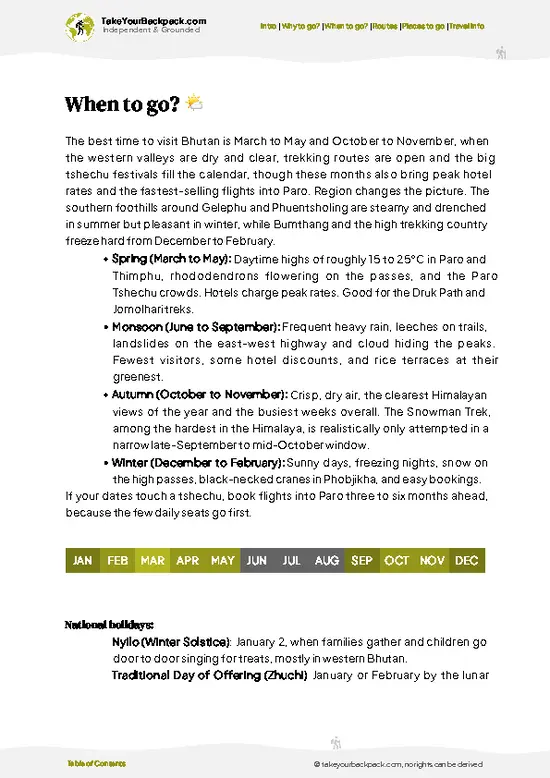
  • Weather: The best window is from March to May and September to November. These months dodge the heavy monsoon rains that slam Bhutan from June to August, making trails slippery and the air thick with humidity. Winter (December to February) is dry but can be bitterly cold, especially at night, with temperatures dipping below freezing.
  • Temperature: Spring and autumn offer mild days, hovering around 15-20°C (59-68°F), perfect for wandering the museum without sweating or shivering. Winter days can be chilly, around 5-10°C (41-50°F), but the museum’s thick walls keep the chill at bay.
  • Daylight Hours: Expect roughly 10-12 hours of daylight year-round, but spring and autumn provide the most comfortable light for exploring without rushing.
  • Crowds: Peak tourist season aligns with spring and autumn
… read more 👉
  • Weather: The best window is from March to May and September to November. These months dodge the heavy monsoon rains that slam Bhutan from June to August, making trails slippery and the air thick with humidity. Winter (December to February) is dry but can be bitterly cold, especially at night, with temperatures dipping below freezing.
  • Temperature: Spring and autumn offer mild days, hovering around 15-20°C (59-68°F), perfect for wandering the museum without sweating or shivering. Winter days can be chilly, around 5-10°C (41-50°F), but the museum’s thick walls keep the chill at bay.
  • Daylight Hours: Expect roughly 10-12 hours of daylight year-round, but spring and autumn provide the most comfortable light for exploring without rushing.
  • Crowds: Peak tourist season aligns with spring and autumn festivals, so expect more visitors then. The museum can feel crowded during these times, especially on weekends. Off-season visits offer more breathing room but come with weather trade-offs.
  • Seasonal Activities: Visiting during the autumn festival season (September-November) adds cultural depth, with vibrant local celebrations nearby. Spring brings rhododendron blooms that color the hills around Paro, enhancing the overall experience.
  • Price Fluctuations: Bhutan’s fixed daily tariffs mean museum entry costs stay stable, but overall trip expenses spike during peak seasons due to higher accommodation and guide fees.
Pro-tip: Aim for late March or early October to catch the sweet spot—pleasant weather, manageable crowds, and a genuine feel of Bhutan’s cultural pulse without the tourist crush.


source: climatestotravel.comJANJanuary: fair for travelingFEBFebruary: fair for travelingMARMarch: excellent for travelingAPRApril: excellent for travelingMAYMay: highly recommended for travelingJUNJune: below average for travelingJULJuly: below average for travelingAUGAugust: below average for travelingSEPSeptember: excellent for travelingOCTOctober: excellent for travelingNOVNovember: highly recommended for travelingDECDecember: fair for traveling
when-to-go

✈️ The backpacker research shortcutBhutan Travel Guide

An offline-friendly backpacking guide with optimized travel routes, ranked highlights, transport advice, and the best areas to stay.
example page 0 from our offline Travel Guide for Bhutan
example page 1 from our offline Travel Guide for Bhutan
example page 2 from our offline Travel Guide for Bhutan
example page 3 from our offline Travel Guide for Bhutan
example page 4 from our offline Travel Guide for Bhutan
example page 5 from our offline Travel Guide for Bhutan
example page 6 from our offline Travel Guide for Bhutan
example page 7 from our offline Travel Guide for Bhutan
The digital guide (210 pages) contains:
✅ 52 highlights, ranked by travel appeal
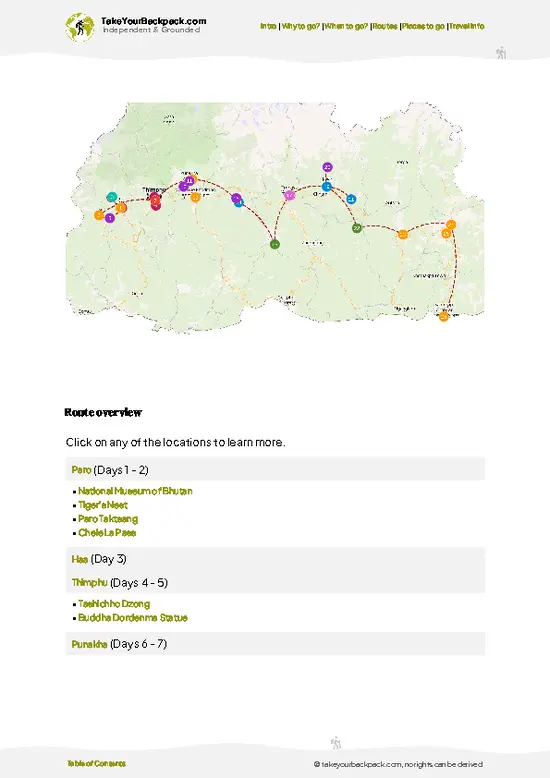
✅ Optimized 5, 10 & 15-day travel routes
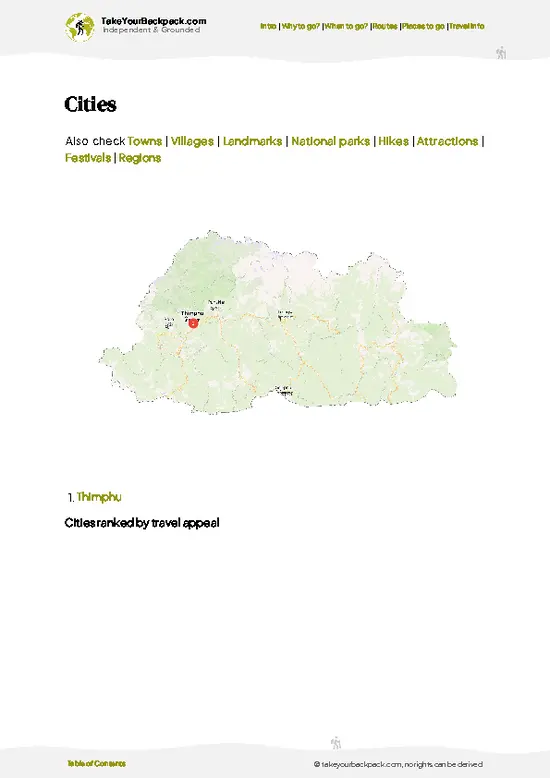
✅ Cities, national parks, landmarks, beaches
✅ How to get around
✅ Offline-friendly for travel without Wi-Fi
👉 Click to see all 30+ guide features

📅 Plan smarter in minutes, not weeks
✅ Month by month travel advice
✅ Festivals & national holidays
✅ Budget expectations

🗺️ Go to the right places, skip the overrated ones
✅ Honest pros & cons of destinations
✅ Top hikes, parks & viewpoints
✅ Lesser-known places most travelers miss
✅ Clear “worth it vs skip it” guidance

🛏️ Travel smoothly without rookie mistakes
✅ Best areas to stay
✅ Transport systems explained simply
✅ Common scams & safety advice
✅ SIM cards, money & practical tips

🌍 Understand the country, not just visit it
✅ Culture & traditions
✅ 52 Essential phrases & customs
✅ Festivals worth planning around
✅ Traveler-friendly historical context
✅ Insights that make places more meaningful

📱 Built for real travel conditions
✅ Fully downloadable PDF
✅ Works completely offline
✅ Optimized for phone use
✅ Useful in remote areas & buses
✅ Everything in one place
Stop searching, start planning
Get instant access to your full guide. 30‑day money-back guarantee.
+ Add another guide for just

By proceeding you agree to our terms.
Sent to your inbox immediately after payment • 100% Secure Checkout
Best Backpacking Travel Advisor 2025 tourism awardBest Backpacking
Travel Advisor
2025
What others say about Take Your Backpack Guides:
⭐⭐⭐⭐⭐
Fantastic, amazing amount of information!
⭐⭐⭐⭐⭐
My goodness this is amazing, it's what I've been looking for hats off too you!
⭐⭐⭐⭐⭐
I think this is absolutely BRILLIANT
⭐⭐⭐⭐
Very complete and informative. It's still missing places, but I gotta to commend you
⭐⭐⭐⭐⭐
This is truly amazing, thank you, can't wait to explore it with my kids!
⭐⭐⭐⭐⭐
Awesome resource, thank you!
⭐⭐⭐⭐⭐
This is amazing! Can't wait to explore the ones I haven't seen
⭐⭐⭐⭐
I love this! Well done, great idea.
⭐⭐⭐⭐⭐
Thanks for taking the time to make this gem!
⭐⭐⭐⭐⭐
This might be the best website I've ever seen.
⭐⭐⭐⭐⭐
Congratulations, and thank you so much for your work; it's incredibly valuable.
⭐⭐⭐⭐
In all seriousness I think you did a great job pointing out the important spots
⭐⭐⭐⭐⭐
10/10 very good
⭐⭐⭐⭐⭐
As someone who's only just starting to visit regularly this is awesome, thank you.
⭐⭐⭐⭐
Thank you very much! I'm going to visit my dad, it's going to be very useful!
⭐⭐⭐⭐⭐
This is really cool! We'll be travelling for the first time and this definitely come in handy.
⭐⭐⭐⭐⭐
You are now our minister of culture, congratulations 👨‍💼
⭐⭐⭐⭐⭐
Just wanted to tell you that this is a pearl! Going to follow your recommendations.
⭐⭐⭐⭐⭐
This is so cool. I'll definitely be using the resource for my travels soon.
⭐⭐⭐⭐⭐
This is very impressive! Good work.
⭐⭐⭐⭐⭐
This is an amazing and informative site. Very well done!

🛏️ Where to stay?Best areas and accommodation options

If you’re backpacking to see the National Museum of Bhutan, forget the glossy Instagram shots that make it look like a quiet, untouched fortress. The reality? It’s smack in the middle of Paro town, which buzzes with tourists, monks, and locals all day long. The crowds can be a grind, especially during peak season, but that’s part of the charm if you know where to plant yourself.

The best spots to stay are right in Paro’s town center, within easy walking distance of the museum. This area is the heartbeat of the town—safe, lively, and packed with fellow budget travelers and solo backpackers. You’ll … read more 👉
If you’re backpacking to see the National Museum of Bhutan, forget the glossy Instagram shots that make it look like a quiet, untouched fortress. The reality? It’s smack in the middle of Paro town, which buzzes with tourists, monks, and locals all day long. The crowds can be a grind, especially during peak season, but that’s part of the charm if you know where to plant yourself.

The best spots to stay are right in Paro’s town center, within easy walking distance of the museum. This area is the heartbeat of the town—safe, lively, and packed with fellow budget travelers and solo backpackers. You’ll find a mix of guesthouses and homestays that offer more than just a bed; they’re social hubs where you swap stories over cheap tea or local snacks. Staying here means you’re not just a tourist passing through but part of the daily rhythm—morning markets, prayer bells, and the occasional yak caravan trundling by.

Skip the isolated lodges on the outskirts. They’re quiet but miss the pulse of Paro’s real life. If you want to soak in the authentic Bhutanese vibe, be where the action is, close enough to the museum to hit it early and avoid the worst of the crowds. That’s where the real magic happens.

👛 Costs (as of 15 October 2026)Typical daily expenses

As of the most recent estimates, the National Museum of Bhutan charges an admission fee of Nu. 500.00 for international visitors. This equates to approximately €6.00, based on current exchange rates. Additional costs, such as guided tours or special exhibitions, are not specified in the available sources.

source: museums.gov.bt
⚠️ Prices can change and everyone travels differently, so take this as a rough guide. Hope it helps you plan your adventure!

FAQFrequently asked questions about National Museum of Bhutan

1 to 2 hours is sufficient to visit the National Museum of Bhutan. The museum has multiple floors with exhibits on Bhutanese art, culture, and history, which can be covered comfortably within this time frame.
Yes, the National Museum of Bhutan is worth the entrance fee of around 200 BTN (about $3 USD). It offers a unique insight into Bhutanese heritage with well-preserved artifacts and panoramic views of Paro Valley from the building.
The National Museum of Bhutan is located in Paro, about a 10-minute walk uphill from Paro town center. It is accessible by foot or a short taxi ride from Paro Airport or the town.
⚠️ Things can change over time, so always validate details locally before you go.

Other Bhutanese attractions near National Museum of Bhutan

Explore more nearby:


💡 Not sure where to go next?
Create a personalized itinerary for Bhutan including National Museum of Bhutan and the places that fit your trip.

Generate my itinerary

👉 Discover all attractions

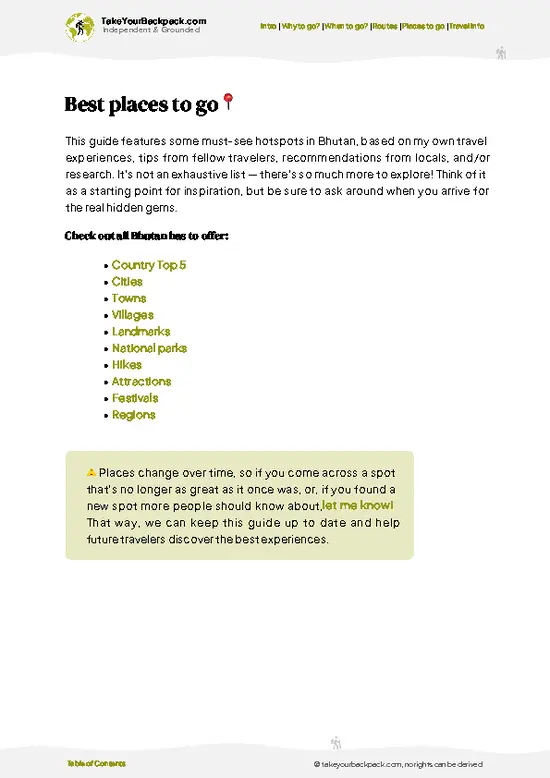
Or checkout all Bhutan has to offer (think cities, towns, villages, national parks, hikes, beaches, festivals)
Country photo of Bhutan

We 💚 feedbackFinal thoughts on visiting National Museum of Bhutan

The National Museum of Bhutan isn’t some polished, Instagram-perfect spot—expect a steady stream of tourists, especially midday. But here’s the kicker: beyond the crowds, the real magic is in the layers of history packed into that ancient fortress. The artifacts and traditional art hit you with a quiet power that no selfie can capture. Just don’t rush it. Take your time, soak it in, and you’ll leave with a deeper sense of Bhutan’s soul.

✍️ Help improve this page!
The information on this page is based on in-depth research, insights shared by experienced travelers, and feedback from the local travel community in Bhutan. While every effort is made to keep the information accurate and current, conditions can change — so if you spot anything incorrect or outdated, please get in touch.


🙋‍♂️ Give feedback

👋 Meet the founderWho’s Behind Take Your Backpack?

Johan, backpacker and founder of TakeYourBackpackHi, I’m Johan (Netherlands 🇳🇱), the creator of TakeYourBackpack. Over the past 3 decades, I’ve backpacked through 90+ countries across six continents, gaining extensive experience with independent travel, long-term trips, and overland routes.

This site is built on a combination of firsthand travel experience and carefully curated insights from other backpackers. Many guides are based on places I’ve personally visited, while others bring together tips, observations, and practical advice shared by trusted travelers I’ve met along the way.

The goal is to provide realistic, experience-driven guidance — not generic itineraries — so you can explore destinations with better context, clearer expectations, and more confidence.