
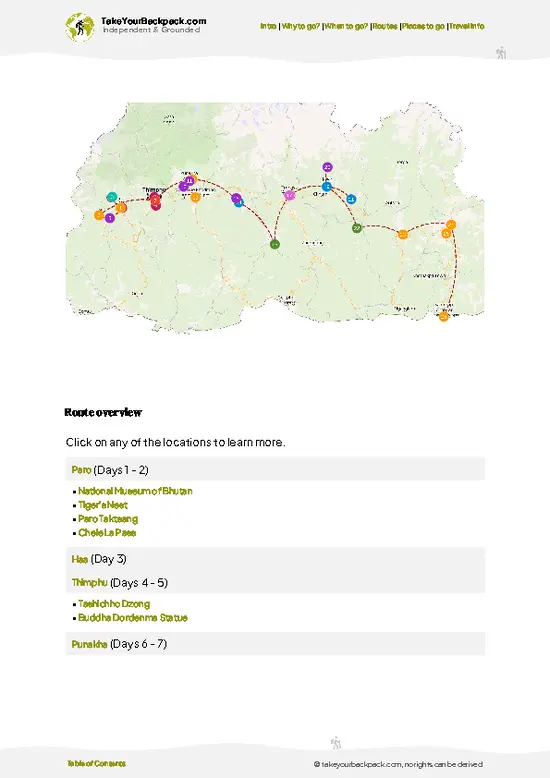
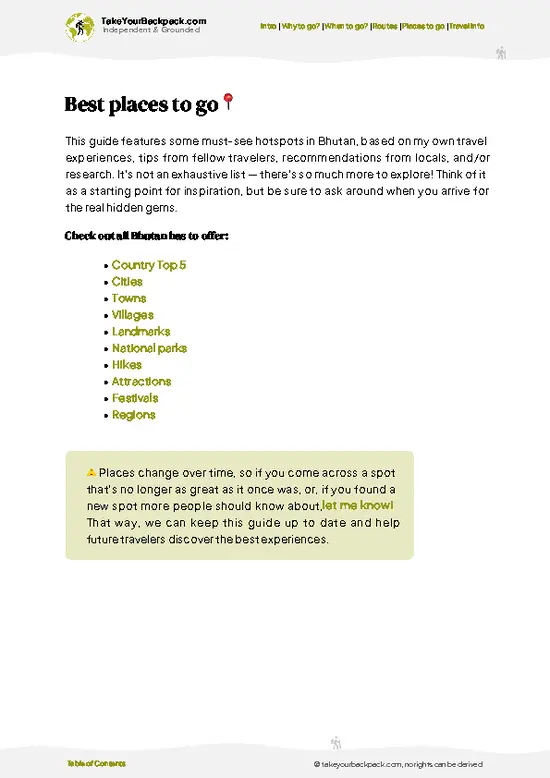
The Utter Scale of the Dzong
Let’s get real: Trongsa Dzong isn’t just another “pretty fortress.” It’s a labyrinthine monster, the largest dzong in Bhutan, sprawling across a ridge like a medieval battleship. You don’t just see it—you feel it in your calves as you climb endless stone stairways, and in your sense of awe as you realize this place was built without cranes or concrete trucks. The sheer scale is a spectacle, but it’s the way the dzong dominates the landscape—commanding the only east-west route through Bhutan—that gives it real teeth. This was power, not just pageantry.
The Watchtower (Ta Dzong)
Skip the Instagrammers posing at the main gate and hike up to the Ta Dzong, the old watchtower. It’s a squat, round fortress with a view that’s pure Himalayan drama—no filters needed. Inside, … read more 👉
The Utter Scale of the Dzong
Let’s get real: Trongsa Dzong isn’t just another “pretty fortress.” It’s a labyrinthine monster, the largest dzong in Bhutan, sprawling across a ridge like a medieval battleship. You don’t just see it—you feel it in your calves as you climb endless stone stairways, and in your sense of awe as you realize this place was built without cranes or concrete trucks. The sheer scale is a spectacle, but it’s the way the dzong dominates the landscape—commanding the only east-west route through Bhutan—that gives it real teeth. This was power, not just pageantry.
The Watchtower (Ta Dzong)
Skip the Instagrammers posing at the main gate and hike up to the Ta Dzong, the old watchtower. It’s a squat, round fortress with a view that’s pure Himalayan drama—no filters needed. Inside, the museum is refreshingly unpolished: ancient armor, ritual objects, and relics that look like they’ve actually been used, not staged for tourists. The sense of history is palpable, and the climb up is a rite of passage for anyone who wants to say they’ve earned their view.
The Monk’s Daily Life
Most visitors breeze through, snapping photos of the courtyards. But if you linger, you’ll catch the real show: monks in crimson robes darting between prayer halls, chanting echoing off stone walls, the occasional soccer game breaking out in a corner. This isn’t a museum; it’s a living monastery. The energy is unpredictable—sometimes solemn, sometimes playful. If you’re lucky, you’ll witness a puja (ritual) in progress, incense thick in the air, drums reverberating in your chest.
The Viewpoints Over the Mangde Chhu Gorge
Forget the postcard shots. Stand at the southern end of the dzong and look down—way down—into the Mangde Chhu gorge. The drop is dizzying, the river a silver thread far below. This is the kind of view that reminds you Bhutan is not a theme park. The wind is sharp, the drop is real, and the sense of isolation is total. It’s a gut-check moment, and it’s all yours if you step away from the crowds.
The Annual Trongsa Tshechu
If you time it right, the annual festival is a sensory overload: masked dancers in riotous colors, drums pounding, crowds of locals in their best ghos and kiras. Yes, it’s busy. Yes, you’ll be shoulder-to-shoulder with everyone from grandmothers to toddlers. But this isn’t staged for outsiders—it’s a core event for the community, and the energy is contagious. The dances aren’t just for show; they’re believed to bring blessings and protect the valley. If you want to see Bhutanese culture at full volume, this is it.
Spotted a mistake or missing something? Contact us.

Trip to Bhutan

5 Day Glimpse of Bhutan Thimphu Punakha and Paro

Bhutan Vacation (5 Nights-6 Days)

Marvels of Bhutan-A Bespoke Travel Experience

6 Days Best of Bhutan | Thimphu, Punakha & Paro

Explore Bhutan with Local Guide

10 Days Essence of BHUTAN

10 Days - Bhutan Mountain Biking tour

7 Days In The Magical Kingdom of Bhutan


 Best Backpacking
 Hi, I’m Johan (Netherlands 🇳🇱), the creator of TakeYourBackpack. Over the past 3 decades, I’ve backpacked through 90+ countries across six continents, gaining extensive experience with independent travel, long-term trips, and overland routes.