×

Bolivia🇧🇴 | attractionsMuseo de Charcascolonial art, religious relics, academic collections | things to do and best time to go

Explore Museo de Arte Indígena ASURExplore Museo de la Catedral de Sucre

Backpacking in Museo de Charcas
👍 Recommendedattraction ranked #9
By Johan Kruseman 🇳🇱 | Updated June 1, 2026

Most travelers expect Museo de Charcas to be a sleepy colonial relic—what they don’t tell you is that it’s one of the few museums in Bolivia where you can actually feel the fingerprints of centuries-old intrigue, not just stare at glass cases. You’ll find it in the heart of Sucre, Bolivia’s whitewashed, high-altitude capital, tucked into the old university quarter. Here’s the straight talk: Museo de Charcas isn’t flashy, and it won’t compete with the adrenaline of the salt flats or the chaos of La Paz. But if you’re a backpacker who craves context, this place delivers. The crowds are thin—most tourists skip it for the Instagrammable rooftops—so you get the creaky floors and shadowy halls almost to yourself. Entry is cheap, but the real value is in the raw, sometimes eerie, colonial art and the sense that you’re trespassing in someone else’s centuries-old secrets. It’s not a party, but it’s the kind of quiet that sticks with you.

Discover everything you want to know in the 📖 Bolivia Travel Guide.


Get your Bolivia guide
82 ranked highlights, routes & tips, works offline (350 pages)
Loading the map 🌍
CLICK TO FILTER
cities
towns
landmarks
national parks
hikes
beaches
attractions
festivals
regions
SHOW COUNTRY’S BESTSHOW ALL

✨ Why go?
Ranked #9 attraction in Bolivia
Why visitors keep coming back

The Museo de Charcas in Bolivia isn’t some polished, Instagram-ready spot where you snap a quick selfie and move on. It’s raw, dense, and demands your attention. Sure, it’s not swarming with tourists like the Salt Flats or La Paz’s cable cars, but that’s exactly why it’s a must-stop. This museum is a deep dive into Bolivia’s colonial past and indigenous roots, packed with artifacts and stories that don’t just sit on display—they challenge you to rethink history. The crowds are manageable, so you get space to absorb the layers of cultural significance without feeling rushed or overwhelmed.

Backpackers who carve out time here aren’t just ticking a box; they’re marking a milestone on the classic Bolivia route. It’s a reality check after the high-altitude thrills and before the wild landscapes … read more 👉
The Museo de Charcas in Bolivia isn’t some polished, Instagram-ready spot where you snap a quick selfie and move on. It’s raw, dense, and demands your attention. Sure, it’s not swarming with tourists like the Salt Flats or La Paz’s cable cars, but that’s exactly why it’s a must-stop. This museum is a deep dive into Bolivia’s colonial past and indigenous roots, packed with artifacts and stories that don’t just sit on display—they challenge you to rethink history. The crowds are manageable, so you get space to absorb the layers of cultural significance without feeling rushed or overwhelmed.

Backpackers who carve out time here aren’t just ticking a box; they’re marking a milestone on the classic Bolivia route. It’s a reality check after the high-altitude thrills and before the wild landscapes ahead. The effort to get here—sometimes off the beaten path—is rewarded with a genuine connection to the country’s soul, not just another tourist trap. If you want to understand Bolivia beyond the postcards, Museo de Charcas is where the real story unfolds, gritty and unfiltered. It’s not flashy, but it’s essential.
Want to include Museo de Charcas in your Bolivia route?
Create a personalized Bolivia itinerary that includes Museo de Charcas and the places that fit your trip — based on your travel style, budget, and available time. Get your route in seconds.

Generate my trip

💡 HighlightsDon't-miss highlights and experiences

The Colonial Courtyard
Forget the Instagram shots of empty, sun-drenched patios. Museo de Charcas is almost always humming with school groups, local families, and the occasional backpacker who wandered in looking for a bathroom and stayed for the art. The real magic is the courtyard itself—a living, breathing relic from the 18th century, with stone arcades and a sense of faded grandeur that no filter can fake. Stand here and you’re not just in a museum; you’re in the bones of colonial Sucre, surrounded by the echoes of centuries of revolution, gossip, and daily life.


The Religious Art Collection
If you think you’ve seen enough Catholic iconography to last a lifetime, brace yourself. Museo de Charcas’ religious art is not just another parade of Madonnas and saints. These are wild, sometimes … read more 👉
The Colonial Courtyard
Forget the Instagram shots of empty, sun-drenched patios. Museo de Charcas is almost always humming with school groups, local families, and the occasional backpacker who wandered in looking for a bathroom and stayed for the art. The real magic is the courtyard itself—a living, breathing relic from the 18th century, with stone arcades and a sense of faded grandeur that no filter can fake. Stand here and you’re not just in a museum; you’re in the bones of colonial Sucre, surrounded by the echoes of centuries of revolution, gossip, and daily life.


The Religious Art Collection
If you think you’ve seen enough Catholic iconography to last a lifetime, brace yourself. Museo de Charcas’ religious art is not just another parade of Madonnas and saints. These are wild, sometimes unsettling, always fascinating works—think angels with swords, indigenous symbolism woven into European technique, and enough gold leaf to blind a bishop. The collection is a crash course in how Bolivia’s colonial artists subverted and reimagined Spanish Catholicism, and it’s a lot more punk rock than you’d expect.


The Mestizo Baroque Altarpieces
This is where the museum stops being a history lesson and turns into a fever dream. The altarpieces here are riotous, almost psychedelic, with indigenous motifs sneaking past the censors in swirling, chaotic detail. You’ll spot jungle animals, local plants, and faces that look nothing like the Spanish saints they’re supposed to represent. It’s a visual rebellion, and it’s impossible to look away.


The Colonial Furniture and Everyday Objects
Skip the temptation to breeze past the “old chairs and pots” room. This is where you get the real, unvarnished story of colonial life. The furniture is heavy, battered, and built to survive earthquakes and revolutions. The kitchen tools and household items are a reminder that history isn’t just about kings and priests—it’s about the people who cooked, cleaned, and carved out a life in these stone halls. There’s a tactile, lived-in quality here that’s more honest than any painting.


The Indigenous Artifacts Room
Personal favorite. This is the antidote to the colonial narrative. Tucked away and often overlooked, the indigenous artifacts are raw, powerful, and deeply moving. Ceramics, textiles, and ritual objects that predate the Spanish by centuries—each piece a quiet act of resistance and survival. There’s no grandstanding here, just the stubborn persistence of culture. If you want to understand Bolivia, don’t skip this room.


The Temporary Exhibitions
Here’s the wildcard. Museo de Charcas rotates in contemporary Bolivian artists, avant-garde installations, and sometimes even performance art. It’s unpredictable and occasionally uneven, but when it hits, it hits hard. You might stumble into a room filled with neon Andean pop art or a haunting photography series on modern Sucre. This is where the museum proves it’s not just a mausoleum for the past—it’s alive, kicking, and sometimes a little weird.
Spotted a mistake or missing something? Contact us.

Things to do around Museo de Charcas

Ratings based on Tripadvisor reviews. When you book through this link, you support our work at no extra cost to you.

🌤️ When to go?Choosing the right time of year


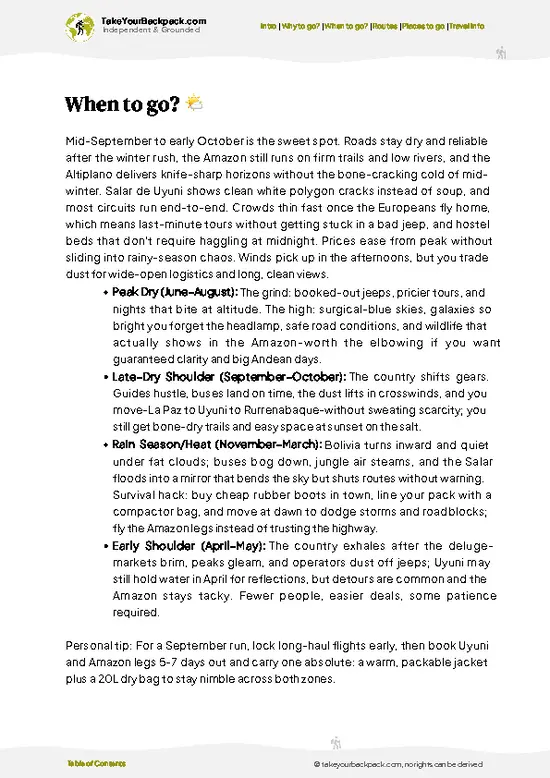
  • Weather: The best time to visit Museo de Charcas is during Bolivia’s dry season, from May to October. Expect clear skies and minimal rain, which means fewer interruptions and better photo ops. The wet season, November to March, brings heavy rains that can make travel tricky and dampen your museum day.

  • Temperature: Daytime temps hover around 15-20°C (59-68°F) in the dry season—cool but comfortable for wandering. Nights can dip below 5°C (41°F), so pack layers. The wet season is warmer but muggy, which isn’t ideal for museum visits or walking around town.

  • Daylight Hours: From May to August, you get around 11-12 hours of daylight, perfect for combining Museo de Charcas with other local explorations. The rest of the year, daylight shrinks slightly, but it’s never a deal-breaker.

  • Crowds:
read more 👉

  • Weather: The best time to visit Museo de Charcas is during Bolivia’s dry season, from May to October. Expect clear skies and minimal rain, which means fewer interruptions and better photo ops. The wet season, November to March, brings heavy rains that can make travel tricky and dampen your museum day.

  • Temperature: Daytime temps hover around 15-20°C (59-68°F) in the dry season—cool but comfortable for wandering. Nights can dip below 5°C (41°F), so pack layers. The wet season is warmer but muggy, which isn’t ideal for museum visits or walking around town.

  • Daylight Hours: From May to August, you get around 11-12 hours of daylight, perfect for combining Museo de Charcas with other local explorations. The rest of the year, daylight shrinks slightly, but it’s never a deal-breaker.

  • Crowds: Tourist numbers peak in July and August when the dry season coincides with school holidays. Expect more groups and a livelier atmosphere, but also longer waits. Visiting in May or September offers a quieter, more intimate experience.

  • Seasonal Activities: The dry season aligns with local festivals and markets, adding cultural layers to your visit. The wet season’s lush landscapes are tempting but less practical for museum hopping.

  • Price Fluctuations: Entry fees stay steady year-round, but accommodation and transport costs spike during peak months (July-August). Booking ahead during these times is essential to avoid inflated prices.


Pro-tip: Aim for late May or early September—sweet spots where weather, crowds, and prices align to give you the Museo de Charcas experience without the usual hassle.


source: climatestotravel.comJANJanuary: fair for travelingFEBFebruary: fair for travelingMARMarch: fair for travelingAPRApril: good for travelingMAYMay: excellent for travelingJUNJune: excellent for travelingJULJuly: highly recommended for travelingAUGAugust: highly recommended for travelingSEPSeptember: excellent for travelingOCTOctober: excellent for travelingNOVNovember: fair for travelingDECDecember: fair for traveling
bolivia-attraction-museo-de-charcas
© Google |

✈️ The backpacker research shortcutBolivia Travel Guide

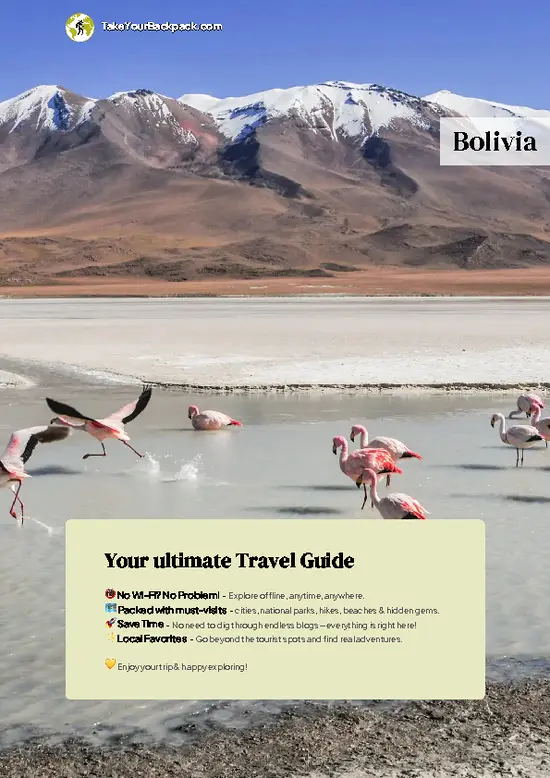
An offline-friendly backpacking guide with optimized travel routes, ranked highlights, transport advice, and the best areas to stay.
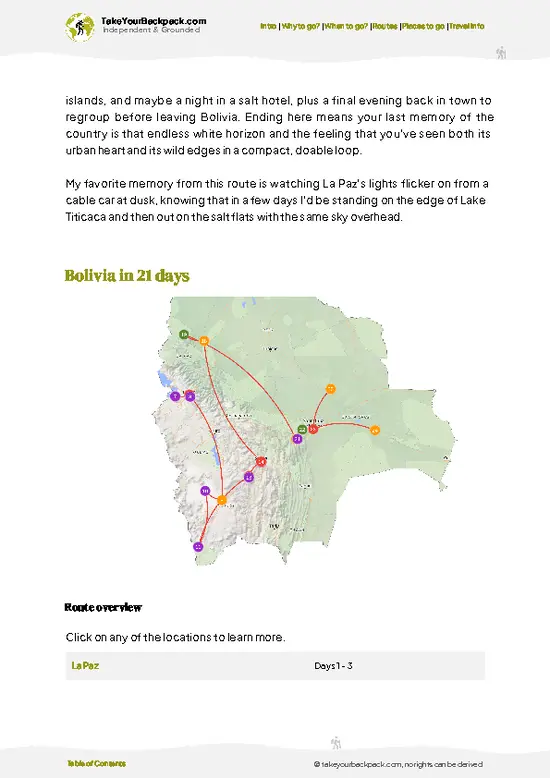
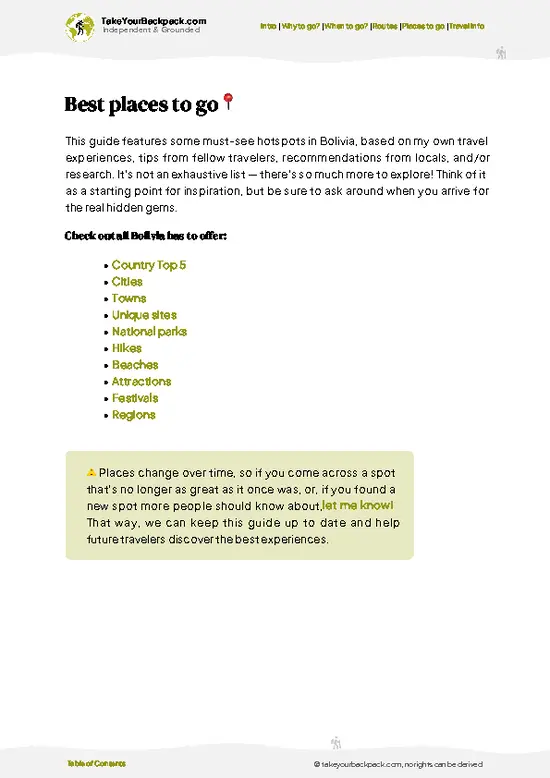
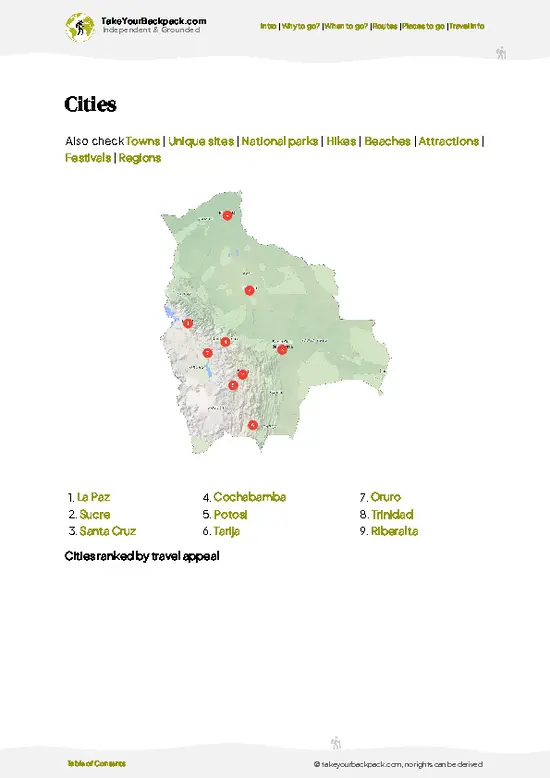
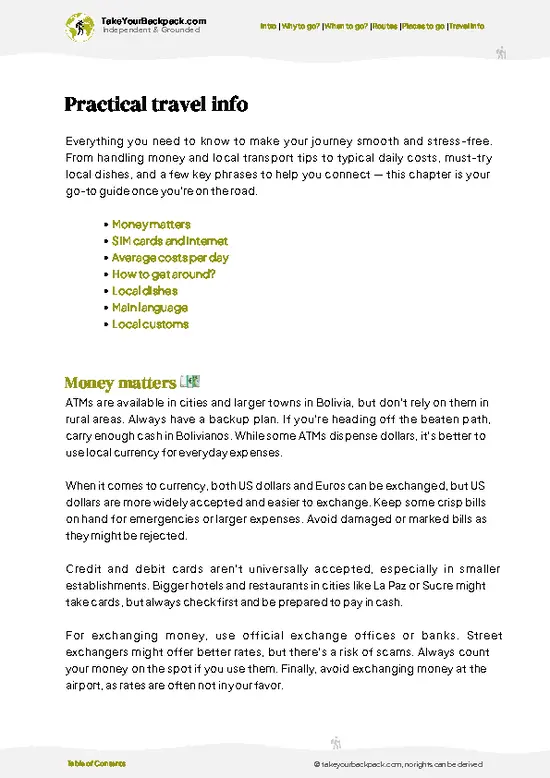
example page 0 from our offline Travel Guide for Bolivia
example page 1 from our offline Travel Guide for Bolivia
example page 2 from our offline Travel Guide for Bolivia
example page 3 from our offline Travel Guide for Bolivia
example page 4 from our offline Travel Guide for Bolivia
example page 5 from our offline Travel Guide for Bolivia
example page 6 from our offline Travel Guide for Bolivia
example page 7 from our offline Travel Guide for Bolivia
The digital guide (350 pages) contains:
82 highlights, ranked by travel appeal
Optimized 7, 14 & 21-day travel routes
Cities, national parks, landmarks, beaches
How to get around
Offline-friendly for travel without Wi-Fi
👉 Click to see all 30+ guide features

📅 Plan smarter in minutes, not weeks
Month by month travel advice
Festivals & national holidays
Budget expectations

🗺️ Go to the right places, skip the overrated ones
Honest pros & cons of destinations
Top hikes, parks & viewpoints
Lesser-known places most travelers miss
Clear “worth it vs skip it” guidance

🛏️ Travel smoothly without rookie mistakes
Best areas to stay
Transport systems explained simply
Common scams & safety advice
SIM cards, money & practical tips

🌍 Understand the country, not just visit it
Culture & traditions
52 Essential phrases & customs
Festivals worth planning around
Traveler-friendly historical context
Insights that make places more meaningful

📱 Built for real travel conditions
Fully downloadable PDF
Works completely offline
Optimized for phone use
Useful in remote areas & buses
Everything in one place
Save weeks of stressful planning
Get instant access to your full guide. 30‑day money-back guarantee.


By proceeding you agree to our terms.
Sent to your inbox immediately after payment • 100% Secure Checkout
Best Backpacking Travel Advisor 2025 tourism awardBest Backpacking
Travel Advisor
2025
What others say about Take Your Backpack Guides:
⭐⭐⭐⭐⭐
Fantastic, amazing amount of information!
⭐⭐⭐⭐⭐
My goodness this is amazing, it's what I've been looking for hats off too you!
⭐⭐⭐⭐⭐
I think this is absolutely BRILLIANT
⭐⭐⭐⭐
Very complete and informative. It's still missing places, but I gotta to commend you
⭐⭐⭐⭐⭐
This is truly amazing, thank you, can't wait to explore it with my kids!
⭐⭐⭐⭐⭐
Awesome resource, thank you!
⭐⭐⭐⭐⭐
This is amazing! Can't wait to explore the ones I haven't seen
⭐⭐⭐⭐
I love this! Well done, great idea.
⭐⭐⭐⭐⭐
Thanks for taking the time to make this gem!
⭐⭐⭐⭐⭐
This might be the best website I've ever seen.
⭐⭐⭐⭐⭐
Congratulations, and thank you so much for your work; it's incredibly valuable.
⭐⭐⭐⭐
In all seriousness I think you did a great job pointing out the important spots
⭐⭐⭐⭐⭐
10/10 very good
⭐⭐⭐⭐⭐
As someone who's only just starting to visit regularly this is awesome, thank you.
⭐⭐⭐⭐
Thank you very much! I'm going to visit my dad, it's going to be very useful!
⭐⭐⭐⭐⭐
This is really cool! We'll be travelling for the first time and this definitely come in handy.
⭐⭐⭐⭐⭐
You are now our minister of culture, congratulations 👨‍💼
⭐⭐⭐⭐⭐
Just wanted to tell you that this is a pearl! Going to follow your recommendations.
⭐⭐⭐⭐⭐
This is so cool. I'll definitely be using the resource for my travels soon.
⭐⭐⭐⭐⭐
This is very impressive! Good work.
⭐⭐⭐⭐⭐
This is an amazing and informative site. Very well done!

🛏️ Where to stay?How to pick the right area

Museo de Charcas sits smack in the heart of Sucre’s colonial charm, but don’t kid yourself—this isn’t a quiet museum corner where you’ll have the place to yourself. The area buzzes, especially midday, with tourists and locals alike. If you want to crash nearby, aim for the neighborhoods just a block or two out from the museum. These spots strike a solid balance: safe enough to wander at night, packed with cafés and bars where solo travelers can easily strike up a conversation, and close enough to stumble back after a late evening without a taxi.

The real magic here isn’t just the museum—it’s … read more 👉
Museo de Charcas sits smack in the heart of Sucre’s colonial charm, but don’t kid yourself—this isn’t a quiet museum corner where you’ll have the place to yourself. The area buzzes, especially midday, with tourists and locals alike. If you want to crash nearby, aim for the neighborhoods just a block or two out from the museum. These spots strike a solid balance: safe enough to wander at night, packed with cafés and bars where solo travelers can easily strike up a conversation, and close enough to stumble back after a late evening without a taxi.

The real magic here isn’t just the museum—it’s the vibe of the streets around it. You’ll find budget travelers swapping stories on benches, street vendors selling fresh empanadas, and a steady hum of local life that’s far from the polished tourist traps. Skip the overly touristy plazas and instead settle into these quieter, lived-in neighborhoods. They offer a genuine slice of Sucre’s rhythm without the inflated prices or the crowds that swarm the main square. This is where you get the authentic experience, not just the postcard version.

👛 Costs (as of 19 February 2026)Typical daily expenses

As of the most recent estimates, the entrance fee for Museo Colonial Charcas in Sucre, Bolivia, is approximately 30 Bolivian Bolivianos (BOB) for foreign visitors, which is about €4 to €5. Additional costs may apply for guided tours or special exhibitions. It's advisable to check the official website for the most current information.
⚠️ Prices can change and everyone travels differently, so take this as a rough guide. Hope it helps you plan your adventure!

Other Bolivian attractions near Museo de Charcas

Explore more nearby:


💡 Not sure where to go next?
Create a personalized itinerary for Bolivia including Museo de Charcas and the places that fit your trip.

Generate my itinerary

👉 Discover all attractions

Or checkout all Bolivia has to offer (think cities, towns, villages, national parks, hikes, beaches, festivals)
Country photo of Bolivia

We 💚 feedbackParting advice and final tips

Museo de Charcas isn’t your flashy, crowd-packed museum with polished displays and endless English captions. It’s a dive into Bolivia’s colonial past that hits you with raw, unfiltered history—if you’re ready to wrestle with faded texts and sparse signage. The real magic is how it connects you to the region’s complex identity, not just the usual tourist gloss. Heads up: it’s not a quick stop; you’ll want time and patience to get the full picture.

✈️ When did I visit Bolivia?
Bolivia I visited during my half year trip through South and Central America back in 2003

✍️ Help improve this page!
The information on this page is based on my own backpacking experience in Bolivia, supplemented with up-to-date research and feedback from other travelers. Travel details can change, so if you notice anything outdated or incomplete, feel free to let me know.


🙋‍♂️ Give feedback

👋 Meet the founderWho’s Behind Take Your Backpack?

Johan, backpacker and founder of TakeYourBackpackHi, I’m Johan (Netherlands 🇳🇱), the creator of TakeYourBackpack. Over the past decade, I’ve backpacked through 80+ countries across six continents, gaining extensive experience with independent travel, long-term trips, and overland routes.

This site is built on a combination of firsthand travel experience and carefully curated insights from other backpackers. Many guides are based on places I’ve personally visited, while others bring together tips, observations, and practical advice shared by trusted travelers I’ve met along the way.

The goal is to provide realistic, experience-driven guidance — not generic itineraries — so you can explore destinations with better context, clearer expectations, and more confidence.

Get full Bolivia guide •
Instant download • 82 highlights • Full Offline guide