×

Bolivia🇧🇴 | attractionsMuseo de la CocaCoca leaf history, Pachamama offerings, cocaine exhibits, Sagárnaga strip | things to do and best time to go

Explore Museo Nacional de ArteExplore Museo del Litoral Boliviano

Backpacking in Museo de la Coca
🌟 Highlightattraction ranked #6
By Johan Kruseman 🇳🇱 | Updated October 19, 2026

The museum's own labels run in Spanish, English and French, and the coca leaf you chew on the street here is legal, which makes this one of the few places where a ticket comes with context for what you will see in every market. Museo de la Coca sits in La Paz, Bolivia's seat of government, on Calle Linares in the Sagárnaga tourist strip, a short uphill scramble from the San Francisco church. Expect a small, quiet space with few crowds, a modest entry fee and an hour of reading. The exhibits are dense, sometimes opinionated, and brilliant on cocaine's history. Outside, I asked a vendor why her leaves stayed in a cloth bundle, and she grinned and said, “Para el camino, mijo, para el camino.” For the road. Start your first day here, then climb into the witches’ market and let the context do its work.

Discover everything you want to know in the 📖 Bolivia Travel Guide.


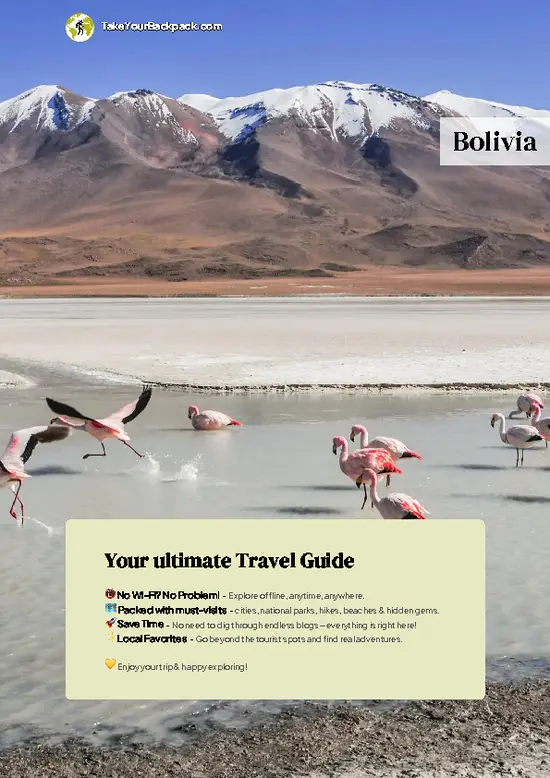
example page 0 from our offline Travel Guide for Bolivia
example page 1 from our offline Travel Guide for Bolivia
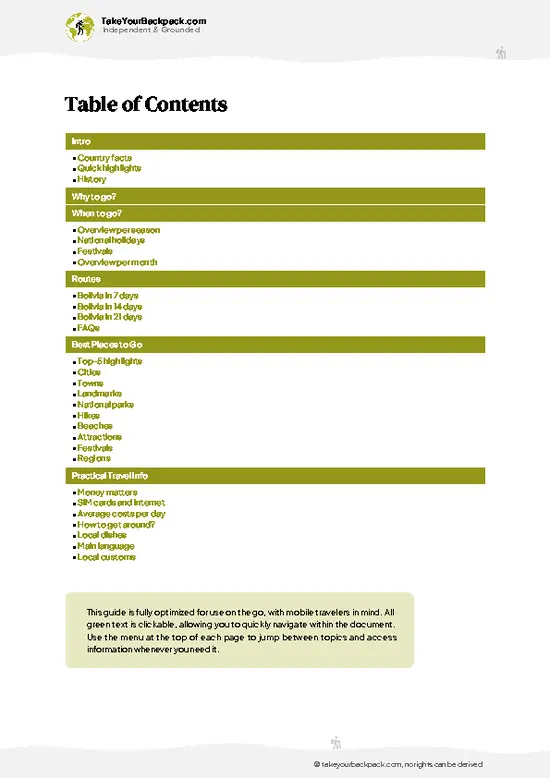
example page 2 from our offline Travel Guide for Bolivia
example page 3 from our offline Travel Guide for Bolivia
example page 4 from our offline Travel Guide for Bolivia
example page 5 from our offline Travel Guide for Bolivia
example page 6 from our offline Travel Guide for Bolivia
example page 7 from our offline Travel Guide for Bolivia
Loading the map 🌍
CLICK TO FILTER
cities
towns
landmarks
national parks
hikes
beaches
attractions
festivals
regions
SHOW COUNTRY’S BESTSHOW ALL

✨ Why go?
Ranked #6 attraction in Bolivia
Reasons people choose to visit here

Museo de la Coca is the quickest way to understand a plant you will see in every Bolivian market, bus terminal and mining town. Spend an hour here and the bags of leaves, the bulging cheeks of bus drivers and the offerings in the nearby Mercado de las Brujas stop being curiosities. You see the plant as medicine, ritual and daily fuel, then as the raw ingredient of an industry with a heavy global footprint.

The museum also pushes back on lazy narratives. You get the Andean view that coca has been used for thousands of years, the story of coca tea against altitude sickness (handy when La Paz sits above 3,600 meters), and the political fight over eradication. It is compact, so it costs little time. On a La Paz route it works as a smart first-day warm-up while you acclimatize and your lungs catch up.

💡 HighlightsDon't-miss highlights and experiences

  1. The history of the coca leaf: Panels trace its use from pre-Inca Andean communities to the Spanish colony, when mine owners gave it to workers. You see why it never left daily life.
  2. Coca in traditional ritual: Displays explain offerings to Pachamama and the reading of leaves, which you will then spot in the markets outside.
  3. Medicinal uses: The museum shows how leaves treat altitude sickness, stomach trouble and fatigue, and lets you work out why locals swear by mate de coca.
  4. The cocaine story: Exhibits follow the leaf's chemistry from nineteenth-century tonics to modern trafficking. It is blunt and a little uncomfortable, which is the point.
  5. Coca in Coca-Cola and early products: Old advertisements and bottles show how the leaf entered Western pharmacies and soft drinks.
  6. Legalization and politics:
… read more 👉
  1. The history of the coca leaf: Panels trace its use from pre-Inca Andean communities to the Spanish colony, when mine owners gave it to workers. You see why it never left daily life.
  2. Coca in traditional ritual: Displays explain offerings to Pachamama and the reading of leaves, which you will then spot in the markets outside.
  3. Medicinal uses: The museum shows how leaves treat altitude sickness, stomach trouble and fatigue, and lets you work out why locals swear by mate de coca.
  4. The cocaine story: Exhibits follow the leaf's chemistry from nineteenth-century tonics to modern trafficking. It is blunt and a little uncomfortable, which is the point.
  5. Coca in Coca-Cola and early products: Old advertisements and bottles show how the leaf entered Western pharmacies and soft drinks.
  6. Legalization and politics: Material on Bolivian law, eradication and the cocalero movement gives context to the country's debates about the plant.
  7. The museum shop and tea: Coca candies, flour and tea are sold for a few dollars, and they make easy, legal gifts to take home within Bolivia.
Pair the museum with the nearby Mercado de las Brujas in the same morning, since the exhibits explain the llama fetuses and herb stalls you will see on the walk.
Spotted a mistake or missing something? Contact us.

Things to do around Museo de la Coca

Ratings based on Tripadvisor reviews. When you book through this link, you support our work at no extra cost to you.

🌤️ When to go?Choosing the right time of year

  • Dry Season (May to October): La Paz sits at about 3,600 m (11,800 ft), so days are sunny and crisp at 15 to 18°C (59 to 64°F), while nights drop to around -2 to 3°C (28 to 37°F). Sunlight lasts roughly 11 hours. This is the busiest stretch for hostels and tours, and dorm prices creep up in June to August.
  • Wet Season (December to March): Afternoon downpours are common, with highs of 15 to 17°C (59 to 63°F) and milder nights of 3 to 6°C (37 to 43°F). The museum is an indoor stop, so rain barely matters. Crowds thin and rooms are easier to get.
  • Shoulder Months (April, November): Showers are lighter, streets are quieter, and prices sit at their lowest. Daylight runs about 12 hours.
  • Carnival and Fiestas: Carnival in February or March and Gran Poder in May or June fill the center, and rates jump.
Go … read more 👉
  • Dry Season (May to October): La Paz sits at about 3,600 m (11,800 ft), so days are sunny and crisp at 15 to 18°C (59 to 64°F), while nights drop to around -2 to 3°C (28 to 37°F). Sunlight lasts roughly 11 hours. This is the busiest stretch for hostels and tours, and dorm prices creep up in June to August.
  • Wet Season (December to March): Afternoon downpours are common, with highs of 15 to 17°C (59 to 63°F) and milder nights of 3 to 6°C (37 to 43°F). The museum is an indoor stop, so rain barely matters. Crowds thin and rooms are easier to get.
  • Shoulder Months (April, November): Showers are lighter, streets are quieter, and prices sit at their lowest. Daylight runs about 12 hours.
  • Carnival and Fiestas: Carnival in February or March and Gran Poder in May or June fill the center, and rates jump.
Go on a weekday morning, when the Linares street stalls are open and the small rooms are empty.


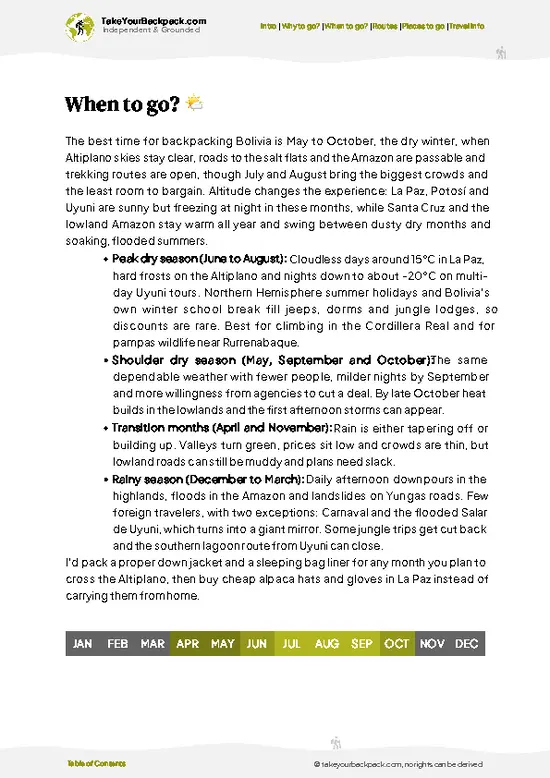
source: climatestotravel.comJANJanuary: fair for travelingFEBFebruary: fair for travelingMARMarch: fair for travelingAPRApril: highly recommended for travelingMAYMay: excellent for travelingJUNJune: excellent for travelingJULJuly: excellent for travelingAUGAugust: excellent for travelingSEPSeptember: excellent for travelingOCTOctober: excellent for travelingNOVNovember: fair for travelingDECDecember: fair for traveling
bolivia-attraction-museo-de-la-coca
© Google |

✈️ The backpacker research shortcutBolivia Travel Guide

An offline-friendly backpacking guide with optimized travel routes, ranked highlights, transport advice, and the best areas to stay.
example page 0 from our offline Travel Guide for Bolivia
example page 1 from our offline Travel Guide for Bolivia
example page 2 from our offline Travel Guide for Bolivia
example page 3 from our offline Travel Guide for Bolivia
example page 4 from our offline Travel Guide for Bolivia
example page 5 from our offline Travel Guide for Bolivia
example page 6 from our offline Travel Guide for Bolivia
example page 7 from our offline Travel Guide for Bolivia
The digital guide (262 pages) contains:
✅ 76 highlights, ranked by travel appeal
✅ Optimized 7, 14 & 21-day travel routes
✅ Cities, national parks, landmarks, beaches
✅ How to get around
✅ Offline-friendly for travel without Wi-Fi
👉 Click to see all 30+ guide features

📅 Plan smarter in minutes, not weeks
✅ Month by month travel advice
✅ Festivals & national holidays
✅ Budget expectations

🗺️ Go to the right places, skip the overrated ones
✅ Honest pros & cons of destinations
✅ Top hikes, parks & viewpoints
✅ Lesser-known places most travelers miss
✅ Clear “worth it vs skip it” guidance

🛏️ Travel smoothly without rookie mistakes
✅ Best areas to stay
✅ Transport systems explained simply
✅ Common scams & safety advice
✅ SIM cards, money & practical tips

🌍 Understand the country, not just visit it
✅ Culture & traditions
✅ 52 Essential phrases & customs
✅ Festivals worth planning around
✅ Traveler-friendly historical context
✅ Insights that make places more meaningful

📱 Built for real travel conditions
✅ Fully downloadable PDF
✅ Works completely offline
✅ Optimized for phone use
✅ Useful in remote areas & buses
✅ Everything in one place
Stop searching, start planning
Get instant access to your full guide. 30‑day money-back guarantee.
+ Add another guide for just

By proceeding you agree to our terms.
Sent to your inbox immediately after payment • 100% Secure Checkout
Best Backpacking Travel Advisor 2025 tourism awardBest Backpacking
Travel Advisor
2025
What others say about Take Your Backpack Guides:
⭐⭐⭐⭐⭐
Fantastic, amazing amount of information!
⭐⭐⭐⭐⭐
My goodness this is amazing, it's what I've been looking for hats off too you!
⭐⭐⭐⭐⭐
I think this is absolutely BRILLIANT
⭐⭐⭐⭐
Very complete and informative. It's still missing places, but I gotta to commend you
⭐⭐⭐⭐⭐
This is truly amazing, thank you, can't wait to explore it with my kids!
⭐⭐⭐⭐⭐
Awesome resource, thank you!
⭐⭐⭐⭐⭐
This is amazing! Can't wait to explore the ones I haven't seen
⭐⭐⭐⭐
I love this! Well done, great idea.
⭐⭐⭐⭐⭐
Thanks for taking the time to make this gem!
⭐⭐⭐⭐⭐
This might be the best website I've ever seen.
⭐⭐⭐⭐⭐
Congratulations, and thank you so much for your work; it's incredibly valuable.
⭐⭐⭐⭐
In all seriousness I think you did a great job pointing out the important spots
⭐⭐⭐⭐⭐
10/10 very good
⭐⭐⭐⭐⭐
As someone who's only just starting to visit regularly this is awesome, thank you.
⭐⭐⭐⭐
Thank you very much! I'm going to visit my dad, it's going to be very useful!
⭐⭐⭐⭐⭐
This is really cool! We'll be travelling for the first time and this definitely come in handy.
⭐⭐⭐⭐⭐
You are now our minister of culture, congratulations 👨‍💼
⭐⭐⭐⭐⭐
Just wanted to tell you that this is a pearl! Going to follow your recommendations.
⭐⭐⭐⭐⭐
This is so cool. I'll definitely be using the resource for my travels soon.
⭐⭐⭐⭐⭐
This is very impressive! Good work.
⭐⭐⭐⭐⭐
This is an amazing and informative site. Very well done!

🛏️ Where to stay?Best areas and accommodation options

Stay in the streets around Calle Linares and Calle Sagárnaga, which put the museum within a two-minute walk. This is the heart of the backpacker scene in La Paz, packed with dorm hostels, cheap cafes, tour agencies and the Witches’ Market. You will meet other travelers easily, and the common rooms here are the most social in the city. Expect steep, cobbled hills, so the altitude will have you puffing on day one.

Jaén street and the upper Calle Comercio area, a few minutes uphill, suit those wanting quieter nights. They are colonial, walkable and lit well in the evening, with guesthouses and small … read more 👉
Stay in the streets around Calle Linares and Calle Sagárnaga, which put the museum within a two-minute walk. This is the heart of the backpacker scene in La Paz, packed with dorm hostels, cheap cafes, tour agencies and the Witches’ Market. You will meet other travelers easily, and the common rooms here are the most social in the city. Expect steep, cobbled hills, so the altitude will have you puffing on day one.

Jaén street and the upper Calle Comercio area, a few minutes uphill, suit those wanting quieter nights. They are colonial, walkable and lit well in the evening, with guesthouses and small cafes.

Sopocachi, a 15 to 20 minute walk or short minibus ride away, has a calmer, more local feel with good bars and restaurants. It is a safer-feeling option for solo travelers who prefer a mellow evening, though fewer hostels operate there.

Around Plaza San Francisco the hostels are lively and central, but street noise lasts late. Pack earplugs. Keep an eye on bags near the bus terminal and avoid walking the empty back alleys after dark; take a radio taxi instead.

👛 Costs (as of 19 October 2026)What things cost and how to budget

A day built around Museo de la Coca costs about US$20 to 41 for a backpacker, including a hostel bed, food and transport. Entry is small, and the rest of the budget goes to lodging and meals. Prices are paid in bolivianos.
CategoryBudget RangeLocal Reality
Museum entryUS$1.50 to 2Foreign visitors pay a flat fee at the door; it takes about 30 to 45 minutes to see the rooms.
Dorm bed (high season)US$8 to 14Hostels on Calle Linares and Sagárnaga; private rooms run US$20 to 35.
MealsUS$6 to 12Set lunch (almuerzo) costs US$2 to 4; a cafe dinner costs US$5 to 8.
Local transportUS$0.30 to 2Minibuses and the Mi Teleférico cable car are cheap; a short taxi ride costs US$1.50 to 3.
Snacks and coca teaUS$1 to 3Coca tea is sold at cafes and stalls nearby.
ExtrasUS$3 to 8Souvenirs in the Witches’ Market or a
… read more 👉
A day built around Museo de la Coca costs about US$20 to 41 for a backpacker, including a hostel bed, food and transport. Entry is small, and the rest of the budget goes to lodging and meals. Prices are paid in bolivianos.
CategoryBudget RangeLocal Reality
Museum entryUS$1.50 to 2Foreign visitors pay a flat fee at the door; it takes about 30 to 45 minutes to see the rooms.
Dorm bed (high season)US$8 to 14Hostels on Calle Linares and Sagárnaga; private rooms run US$20 to 35.
MealsUS$6 to 12Set lunch (almuerzo) costs US$2 to 4; a cafe dinner costs US$5 to 8.
Local transportUS$0.30 to 2Minibuses and the Mi Teleférico cable car are cheap; a short taxi ride costs US$1.50 to 3.
Snacks and coca teaUS$1 to 3Coca tea is sold at cafes and stalls nearby.
ExtrasUS$3 to 8Souvenirs in the Witches’ Market or a walking tour tip.
Total Daily BudgetUS$20 to 41Per person, per day, in high season.
⚠️ Prices can change and everyone travels differently, so take this as a rough guide. Hope it helps you plan your adventure!

FAQTraveler FAQ

Plan on 30 to 45 minutes at Museo de la Coca, since it is a small museum with a handful of rooms on Calle Linares. Add another hour if you want to browse the nearby Witches’ Market and Sagárnaga shops. Most travelers pair it with the Museo de Instrumentos Musicales, which is a block away.
Museo de la Coca is worth the roughly US$1.50 to 2 entry fee if you want context on coca’s role in Andean culture, medicine and the cocaine trade. The displays are modest and the English labels are brief, so it suits a short, curious visit rather than a half day. Pair it with coca tea at the cafe next door to make the ticket go further.
Reach Museo de la Coca on foot from most central hostels, as it sits on Calle Linares, a two to five minute walk from Plaza San Francisco. From El Alto airport, a taxi takes 30 to 40 minutes and costs about US$7 to 12, and the Mi Teleférico Red Line connects El Alto to the center. Minibuses cost under US$0.50 a ride within the center.
⚠️ Things can change over time, so always validate details locally before you go.

Other Bolivian attractions near Museo de la Coca

Explore more nearby:


💡 Not sure where to go next?
Create a personalized itinerary for Bolivia including Museo de la Coca and the places that fit your trip.

Generate my itinerary

👉 Discover all attractions

Or checkout all Bolivia has to offer (think cities, towns, villages, national parks, hikes, beaches, festivals)
Country photo of Bolivia

We 💚 feedbackFinal thoughts on visiting Museo de la Coca

Plan on about an hour at Museo de la Coca, and don't stretch it into a half day, because the panels repeat once you have the main story. I would go early, then spend the rest of the morning in the surrounding markets and wander uphill slowly while you acclimatize.

✈️ When did I visit Bolivia?
Bolivia I visited during my half year trip through South and Central America back in 2003

✍️ Help improve this page!
The information on this page is based on my own backpacking experience in Bolivia, supplemented with up-to-date research and feedback from other travelers. Travel details can change, so if you notice anything outdated or incomplete, feel free to let me know.


🙋‍♂️ Give feedback

👋 Meet the founderWho’s Behind Take Your Backpack?

Johan, backpacker and founder of TakeYourBackpackHi, I’m Johan (Netherlands 🇳🇱), the creator of TakeYourBackpack. Over the past 3 decades, I’ve backpacked through 90+ countries across six continents, gaining extensive experience with independent travel, long-term trips, and overland routes.

This site is built on a combination of firsthand travel experience and carefully curated insights from other backpackers. Many guides are based on places I’ve personally visited, while others bring together tips, observations, and practical advice shared by trusted travelers I’ve met along the way.

The goal is to provide realistic, experience-driven guidance — not generic itineraries — so you can explore destinations with better context, clearer expectations, and more confidence.