×

Bolivia🇧🇴 | attractionsMuseo del Litoral BolivianoLost Pacific coast, War of the Pacific, Abaroa, 1904 treaty | things to do and best time to go

Explore Museo de la CocaExplore Museo de la Revolución Nacional

Backpacking in Museo del Litoral Boliviano
👍 Recommendedattraction ranked #10
By Johan Kruseman 🇳🇱 | Updated October 19, 2026

Bolivia has kept a navy since losing its coast, and its sailors patrol Lake Titicaca. That stubborn detail is the key to Museo del Litoral Boliviano, a small museum in La Paz, Bolivia’s seat of government, devoted to the Pacific coastline the country lost in the 1800s. Maps, documents and war relics make it a quick, sharp lesson in why Bolivians still care about the sea. It has no crowds and no adrenaline, but it explains a lot of what you will hear in local conversations. When I walked in, the hush and a wall of old coastal maps made me stop mid-stride. Go with a guidebook’s worth of curiosity, because labels are in Spanish, so load a translation app first and read the captions as you go.

Discover everything you want to know in the 📖 Bolivia Travel Guide.


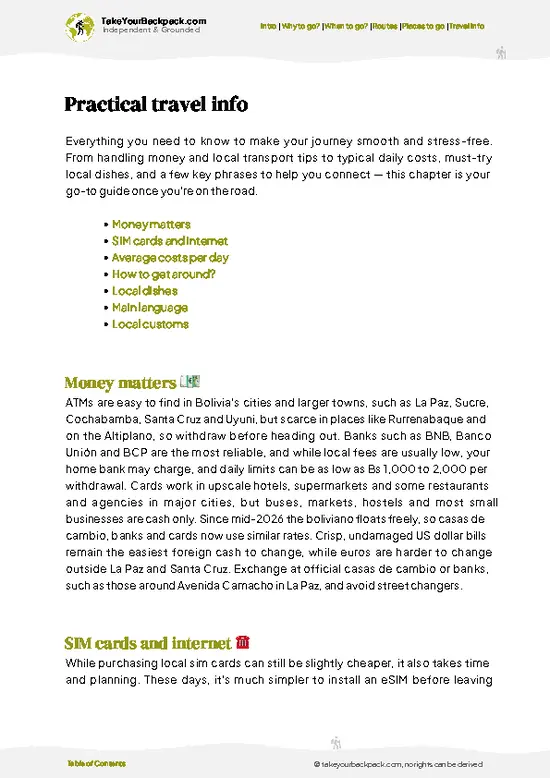
example page 0 from our offline Travel Guide for Bolivia
example page 1 from our offline Travel Guide for Bolivia
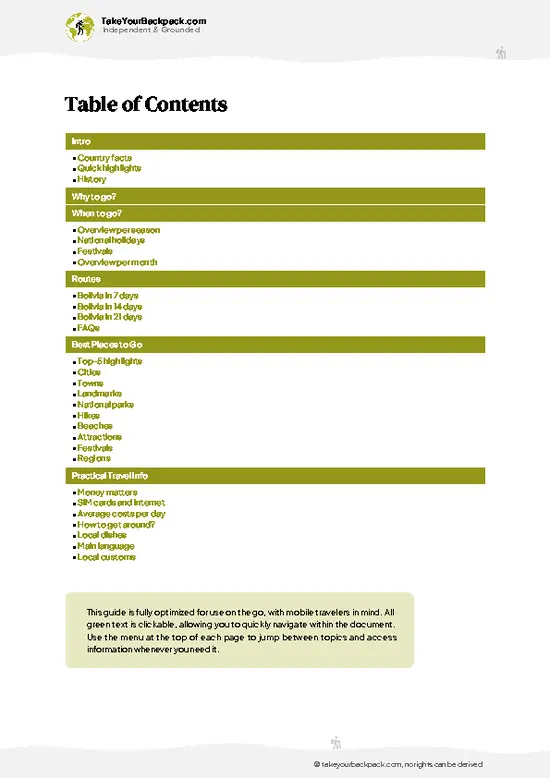
example page 2 from our offline Travel Guide for Bolivia
example page 3 from our offline Travel Guide for Bolivia
example page 4 from our offline Travel Guide for Bolivia
example page 5 from our offline Travel Guide for Bolivia
example page 6 from our offline Travel Guide for Bolivia
example page 7 from our offline Travel Guide for Bolivia
Loading the map 🌍
CLICK TO FILTER
cities
towns
landmarks
national parks
hikes
beaches
attractions
festivals
regions
SHOW COUNTRY’S BESTSHOW ALL

✨ Why go?
Ranked #10 attraction in Bolivia
Why Museo del Litoral Boliviano should be on your travel list

Museo del Litoral Boliviano gives you the backstory to a grievance you will meet all over Bolivia, from school parades to graffiti to bus-station chatter. The loss of the Litoral department and the port of Antofagasta in the War of the Pacific shaped borders, trade and national identity, and standing before the maps makes the numbers real. Once you have seen it, the Día del Mar ceremonies and the lake-based navy stop looking like oddities and start making sense. It also suits a rainy or altitude-slowed afternoon, since you can browse at your own pace without climbing anything. Pair it with a wander through nearby neighborhoods and you will leave with sharper questions for every local you meet, which is the best souvenir a history stop can give.

💡 HighlightsWhat this place is best known for

  1. The maps of the lost Litoral: The core of the museum is its set of historical maps and charts showing Bolivia with its Pacific province, the Atacama coast that ran from the Loa River south past Mejillones and Antofagasta. Seeing the border drawn at the sea makes the national obsession with access to the ocean make sense in a few minutes.
  2. The War of the Pacific displays: Photographs, documents and period objects walk you through the 1879 conflict with Chile and the years after it. Bolivia lost its coastline for good in this war, and the museum tells it from the Bolivian side, which is the point of coming.
  3. Eduardo Abaroa and the Topáter story: Abaroa, the civilian who refused to surrender at the Topáter bridge in March 1879, is a national hero. The museum gives you his story in detail, and it
… read more 👉
  1. The maps of the lost Litoral: The core of the museum is its set of historical maps and charts showing Bolivia with its Pacific province, the Atacama coast that ran from the Loa River south past Mejillones and Antofagasta. Seeing the border drawn at the sea makes the national obsession with access to the ocean make sense in a few minutes.
  2. The War of the Pacific displays: Photographs, documents and period objects walk you through the 1879 conflict with Chile and the years after it. Bolivia lost its coastline for good in this war, and the museum tells it from the Bolivian side, which is the point of coming.
  3. Eduardo Abaroa and the Topáter story: Abaroa, the civilian who refused to surrender at the Topáter bridge in March 1879, is a national hero. The museum gives you his story in detail, and it explains why a plaza and a famous Sopocachi square carry his name.
  4. Cobija and the Pacific ports: Material on Cobija, the old Bolivian port, along with Antofagasta and Mejillones, shows what the coast was actually like as a working region. These ports exported minerals and anchored the department of Litoral, so they turn an abstract loss into real towns.
  5. The 1904 treaty documents: The papers surrounding the Treaty of Peace and Friendship with Chile explain how the loss was made formal. Bring patience for the Spanish text, because this is where the museum is most serious and least decorative.
  6. The Day of the Sea thread: Every March 23 Bolivia holds a national commemoration of the sea claim, and the museum frames its collection around that continuing demand. It is the best place in La Paz to understand why the Pacific still turns up in speeches, school texts and even diplomatic cases.
Skip the treaty paperwork if you are short on time and spend those minutes on the maps and the Abaroa display instead.
Spotted a mistake or missing something? Contact us.

Things to do around Museo del Litoral Boliviano

Ratings based on Tripadvisor reviews. When you book through this link, you support our work at no extra cost to you.

🌤️ When to go?Seasonal considerations and timing

  • Dry Season (May to October): Bright, cold-edged days on the Altiplano, with highs of 15 to 18°C (59 to 64°F) and nights dropping to -2 to 3°C (28 to 37°F). Daylight runs roughly 11 to 12 hours, so you can fit the museum in with a walk along Calle Jaén and the old center. Hotel prices rise slightly around July.
  • Wet Season (November to April): Afternoon downpours are common, especially January and February, with highs of 16 to 19°C (61 to 66°F) and lows of 3 to 7°C (37 to 45°F). Indoor visits suit these months, and the museum is rarely busy.
  • Holidays and Festivals: Carnival in February or March and the Gran Poder parade in May or June fill La Paz hotels and push prices up. Museum crowds stay thin.
Arrive on a weekday morning, since opening hours can shift on weekends and holidays.

source: climatestotravel.comJANJanuary: fair for travelingFEBFebruary: fair for travelingMARMarch: fair for travelingAPRApril: good for travelingMAYMay: highly recommended for travelingJUNJune: excellent for travelingJULJuly: excellent for travelingAUGAugust: excellent for travelingSEPSeptember: highly recommended for travelingOCTOctober: highly recommended for travelingNOVNovember: fair for travelingDECDecember: fair for traveling
bolivia-attraction-museo-del-litoral-boliviano
© Google |

✈️ The backpacker research shortcutBolivia Travel Guide

An offline-friendly backpacking guide with optimized travel routes, ranked highlights, transport advice, and the best areas to stay.
example page 0 from our offline Travel Guide for Bolivia
example page 1 from our offline Travel Guide for Bolivia
example page 2 from our offline Travel Guide for Bolivia
example page 3 from our offline Travel Guide for Bolivia
example page 4 from our offline Travel Guide for Bolivia
example page 5 from our offline Travel Guide for Bolivia
example page 6 from our offline Travel Guide for Bolivia
example page 7 from our offline Travel Guide for Bolivia
The digital guide (262 pages) contains:
✅ 76 highlights, ranked by travel appeal
✅ Optimized 7, 14 & 21-day travel routes
✅ Cities, national parks, landmarks, beaches
✅ How to get around
✅ Offline-friendly for travel without Wi-Fi
👉 Click to see all 30+ guide features

📅 Plan smarter in minutes, not weeks
✅ Month by month travel advice
✅ Festivals & national holidays
✅ Budget expectations

🗺️ Go to the right places, skip the overrated ones
✅ Honest pros & cons of destinations
✅ Top hikes, parks & viewpoints
✅ Lesser-known places most travelers miss
✅ Clear “worth it vs skip it” guidance

🛏️ Travel smoothly without rookie mistakes
✅ Best areas to stay
✅ Transport systems explained simply
✅ Common scams & safety advice
✅ SIM cards, money & practical tips

🌍 Understand the country, not just visit it
✅ Culture & traditions
✅ 52 Essential phrases & customs
✅ Festivals worth planning around
✅ Traveler-friendly historical context
✅ Insights that make places more meaningful

📱 Built for real travel conditions
✅ Fully downloadable PDF
✅ Works completely offline
✅ Optimized for phone use
✅ Useful in remote areas & buses
✅ Everything in one place
Stop searching, start planning
Get instant access to your full guide. 30‑day money-back guarantee.
+ Add another guide for just

By proceeding you agree to our terms.
Sent to your inbox immediately after payment • 100% Secure Checkout
Best Backpacking Travel Advisor 2025 tourism awardBest Backpacking
Travel Advisor
2025
What others say about Take Your Backpack Guides:
⭐⭐⭐⭐⭐
Fantastic, amazing amount of information!
⭐⭐⭐⭐⭐
My goodness this is amazing, it's what I've been looking for hats off too you!
⭐⭐⭐⭐⭐
I think this is absolutely BRILLIANT
⭐⭐⭐⭐
Very complete and informative. It's still missing places, but I gotta to commend you
⭐⭐⭐⭐⭐
This is truly amazing, thank you, can't wait to explore it with my kids!
⭐⭐⭐⭐⭐
Awesome resource, thank you!
⭐⭐⭐⭐⭐
This is amazing! Can't wait to explore the ones I haven't seen
⭐⭐⭐⭐
I love this! Well done, great idea.
⭐⭐⭐⭐⭐
Thanks for taking the time to make this gem!
⭐⭐⭐⭐⭐
This might be the best website I've ever seen.
⭐⭐⭐⭐⭐
Congratulations, and thank you so much for your work; it's incredibly valuable.
⭐⭐⭐⭐
In all seriousness I think you did a great job pointing out the important spots
⭐⭐⭐⭐⭐
10/10 very good
⭐⭐⭐⭐⭐
As someone who's only just starting to visit regularly this is awesome, thank you.
⭐⭐⭐⭐
Thank you very much! I'm going to visit my dad, it's going to be very useful!
⭐⭐⭐⭐⭐
This is really cool! We'll be travelling for the first time and this definitely come in handy.
⭐⭐⭐⭐⭐
You are now our minister of culture, congratulations 👨‍💼
⭐⭐⭐⭐⭐
Just wanted to tell you that this is a pearl! Going to follow your recommendations.
⭐⭐⭐⭐⭐
This is so cool. I'll definitely be using the resource for my travels soon.
⭐⭐⭐⭐⭐
This is very impressive! Good work.
⭐⭐⭐⭐⭐
This is an amazing and informative site. Very well done!

🛏️ Where to stay?Best areas to stay in Bolivia

Sopocachi is the best base for the museum, a lively, walkable district with budget hostels, cheap cafes, and evening bars. The Museo del Litoral Boliviano sits on Calle Jaén in the old center, a short minibus or taxi ride from Sopocachi. Sopocachi feels safer after dark than most of the center, and its social hostels draw solo travelers who swap hiking and Death Road plans over breakfast.
The Sagárnaga and Calle Linares area near San Francisco church is the classic backpacker strip. Dorms are the cheapest in town, usually US$6 to 12 a night, and tour agencies, laundry, and cheap set lunches sit … read more 👉
Sopocachi is the best base for the museum, a lively, walkable district with budget hostels, cheap cafes, and evening bars. The Museo del Litoral Boliviano sits on Calle Jaén in the old center, a short minibus or taxi ride from Sopocachi. Sopocachi feels safer after dark than most of the center, and its social hostels draw solo travelers who swap hiking and Death Road plans over breakfast.
The Sagárnaga and Calle Linares area near San Francisco church is the classic backpacker strip. Dorms are the cheapest in town, usually US$6 to 12 a night, and tour agencies, laundry, and cheap set lunches sit on the same few blocks. It is noisy and hilly, and you should take a radio taxi at night rather than walk with valuables.
The old center around Calle Jaén has fewer hostels but quiet guesthouses, and you can walk to the museum. It suits travelers who want sleep over socializing. The altitude, about 3,600 meters (11,800 feet), makes steep climbs tiring, so choose somewhere close to a Teleférico station if you can.

👛 Costs (as of 19 October 2026)Typical daily expenses

Expect to spend about US$19 to 40 a day on a visit that includes Museo del Litoral Boliviano, with the museum itself costing very little. The figures below use high-season prices.
CategoryBudget RangeLocal Reality
Museum entryUS$1 to 2Small fee paid in cash at the door, with extra charges for photography at times.
Accommodation (high season)US$8 to 15Dorm bed in Sopocachi or the Sagárnaga area, higher around July and major festivals.
FoodUS$6 to 12Set lunch (almuerzo) costs US$2 to 4, with simple dinners and market snacks at similar prices.
Local transportUS$1 to 5Minibus rides are under US$0.50, Teleférico lines cost about US$0.45 a ride, and short taxi trips run US$1.50 to 4.
ExtrasUS$3 to 6Coca tea, coffee, or a second museum such as the National Museum of Art.
Total Daily BudgetUS$19 to 40About
… read more 👉
Expect to spend about US$19 to 40 a day on a visit that includes Museo del Litoral Boliviano, with the museum itself costing very little. The figures below use high-season prices.
CategoryBudget RangeLocal Reality
Museum entryUS$1 to 2Small fee paid in cash at the door, with extra charges for photography at times.
Accommodation (high season)US$8 to 15Dorm bed in Sopocachi or the Sagárnaga area, higher around July and major festivals.
FoodUS$6 to 12Set lunch (almuerzo) costs US$2 to 4, with simple dinners and market snacks at similar prices.
Local transportUS$1 to 5Minibus rides are under US$0.50, Teleférico lines cost about US$0.45 a ride, and short taxi trips run US$1.50 to 4.
ExtrasUS$3 to 6Coca tea, coffee, or a second museum such as the National Museum of Art.
Total Daily BudgetUS$19 to 40About US$33 to 45 with a comfortable private room, depending on how many taxis you take.


source: machupicchu.org
⚠️ Prices can change and everyone travels differently, so take this as a rough guide. Hope it helps you plan your adventure!

FAQFrequently asked questions about Museo del Litoral Boliviano

Plan on one to two hours for Museo del Litoral Boliviano, since the collection is compact and focused on the history of Bolivia's lost Pacific coast. Add another hour if you want to see the other Calle Jaén museums on the same ticket. Pair it with another La Paz museum the same day.
Yes, Museo del Litoral Boliviano is worth the small entrance fee, usually under US$2. It covers the War of the Pacific and the loss of Bolivia's coastline in 1879 to 1884, a topic that still shapes national identity. You will understand local feeling about the sea, and the visit is quick enough to fit before lunch.
Walk to Calle Jaén in the old center, a few blocks from Plaza Murillo, or catch a short taxi. A taxi from the central Plaza San Francisco costs about US$1.50 to 3 and takes 10 to 20 minutes, depending on traffic. From El Alto airport, expect a 30 to 45 minute taxi ride for around US$7 to 10, or use the Teleférico for part of the way.
⚠️ Things can change over time, so always validate details locally before you go.

Other Bolivian attractions near Museo del Litoral Boliviano

Explore more nearby:


💡 Not sure where to go next?
Create a personalized itinerary for Bolivia including Museo del Litoral Boliviano and the places that fit your trip.

Generate my itinerary

👉 Discover all attractions

Or checkout all Bolivia has to offer (think cities, towns, villages, national parks, hikes, beaches, festivals)
Country photo of Bolivia

We 💚 feedbackKey takeaways before you go

Give Museo del Litoral Boliviano about an hour, or ninety minutes if you read Spanish captions slowly. Any longer and the small collection starts repeating itself. I would slot it into an afternoon when you want something low-effort at La Paz’s altitude, then spend the evening asking locals what the sea means to them.

✈️ When did I visit Bolivia?
Bolivia I visited during my half year trip through South and Central America back in 2003

✍️ Help improve this page!
The information on this page is based on my own backpacking experience in Bolivia, supplemented with up-to-date research and feedback from other travelers. Travel details can change, so if you notice anything outdated or incomplete, feel free to let me know.


🙋‍♂️ Give feedback

👋 Meet the founderWho’s Behind Take Your Backpack?

Johan, backpacker and founder of TakeYourBackpackHi, I’m Johan (Netherlands 🇳🇱), the creator of TakeYourBackpack. Over the past 3 decades, I’ve backpacked through 90+ countries across six continents, gaining extensive experience with independent travel, long-term trips, and overland routes.

This site is built on a combination of firsthand travel experience and carefully curated insights from other backpackers. Many guides are based on places I’ve personally visited, while others bring together tips, observations, and practical advice shared by trusted travelers I’ve met along the way.

The goal is to provide realistic, experience-driven guidance — not generic itineraries — so you can explore destinations with better context, clearer expectations, and more confidence.