×

Bolivia🇧🇴 | attractionsMuseo Nacional de Etnografía y Folkloreethnographic collections, ritual masks, folk traditions | things to do and best time to go

Explore Casa de la LibertadExplore Museo Nacional de Arte

Backpacking in Museo Nacional de Etnografía y Folklore
🌟 Highlightattraction ranked #5
By Johan Kruseman 🇳🇱 | Updated September 4, 2026

Here’s what nobody tells you until it’s too late: Museo Nacional de Etnografía y Folklore is one of the rare museums in Bolivia where you can actually breathe. The air is calm, the crowds are thin, and you’re not elbowing your way past selfie sticks. You’ll find it in the heart of La Paz, tucked just off the chaos of Plaza Murillo, but it feels like a world apart from the city’s relentless energy. Backpackers usually blow past this place, chasing salt flats and jungle treks, but if you want to understand Bolivia beyond the postcard clichés, this is where you start. The exhibits are dense with detail—masks, textiles, and stories that don’t make the Instagram highlight reel. It’s not cheap by local standards, but you get real value: context, not just artifacts. There’s no adrenaline rush here, but the cultural punch is real. Compared to the tourist conveyor belt at Tiwanaku or the Uyuni crowds, this museum is refreshingly human.

Discover everything you want to know in the 📖 Bolivia Travel Guide.


Get your Bolivia guide
82 ranked highlights, routes & tips, works offline (346 pages)
Loading the map 🌍
CLICK TO FILTER
cities
towns
landmarks
national parks
hikes
beaches
attractions
festivals
regions
SHOW COUNTRY’S BESTSHOW ALL

✨ Why go?
Ranked #5 attraction in Bolivia
What makes it a must-see attraction

The Museo Nacional de Etnografía y Folklore in Bolivia isn’t just another dusty museum to tick off your list—it’s a raw, unfiltered dive into the country’s soul. Sure, it’s not the flashiest spot, and yes, it can get crowded with tourists and locals alike, especially during peak hours. But here’s the kicker: this place is a powerhouse of cultural depth. You’re not just looking at artifacts; you’re stepping into the stories of Bolivia’s indigenous peoples, their struggles, their celebrations, and their everyday lives. The exhibits don’t sugarcoat history—they confront it head-on, from colonial impacts to vibrant folk traditions that still pulse through Bolivian streets today.

Backpackers make time here because it’s a milestone on the route that connects you to the heart of Bolivia beyond the … read more 👉
The Museo Nacional de Etnografía y Folklore in Bolivia isn’t just another dusty museum to tick off your list—it’s a raw, unfiltered dive into the country’s soul. Sure, it’s not the flashiest spot, and yes, it can get crowded with tourists and locals alike, especially during peak hours. But here’s the kicker: this place is a powerhouse of cultural depth. You’re not just looking at artifacts; you’re stepping into the stories of Bolivia’s indigenous peoples, their struggles, their celebrations, and their everyday lives. The exhibits don’t sugarcoat history—they confront it head-on, from colonial impacts to vibrant folk traditions that still pulse through Bolivian streets today.

Backpackers make time here because it’s a milestone on the route that connects you to the heart of Bolivia beyond the usual tourist traps. The effort to navigate La Paz’s chaotic streets and the modest entrance fee are small prices for the insight you gain. This museum is a cultural compass, grounding you in the country’s identity before you hit the mountains or markets. It’s not about adrenaline; it’s about perspective—an essential reset that makes everything else on your journey richer and more meaningful. If you want Bolivia beyond the postcard, this is where you start.
Want to include Museo Nacional de Etnografía y Folklore in your Bolivia route?
Create a personalized Bolivia itinerary that includes Museo Nacional de Etnografía y Folklore and the places that fit your trip — based on your travel style, budget, and available time. Get your route in seconds.

Generate my trip

💡 HighlightsWhat this place is best known for

1. The Mask Room (Sala de Máscaras)
Forget the sanitized, glass-box museum vibe. This room is a riot of color and chaos, packed wall-to-wall with hundreds of masks from Bolivia’s wildest festivals. These aren’t just pretty faces—they’re loaded with stories, satire, and centuries of rebellion. Some are grotesque, some hilarious, and a few are downright unsettling. You’ll spot everything from devil masks with bulging eyes to cheeky caricatures of colonial oppressors. The sheer density is overwhelming in the best way. If you want to understand how Bolivians use humor and spectacle to process history, this is the crash course you didn’t know you needed. This is my personal favorite—there’s nothing like standing in a room where every mask dares you to guess its secret.


2. The Diablada Costume read more 👉
1. The Mask Room (Sala de Máscaras)
Forget the sanitized, glass-box museum vibe. This room is a riot of color and chaos, packed wall-to-wall with hundreds of masks from Bolivia’s wildest festivals. These aren’t just pretty faces—they’re loaded with stories, satire, and centuries of rebellion. Some are grotesque, some hilarious, and a few are downright unsettling. You’ll spot everything from devil masks with bulging eyes to cheeky caricatures of colonial oppressors. The sheer density is overwhelming in the best way. If you want to understand how Bolivians use humor and spectacle to process history, this is the crash course you didn’t know you needed. This is my personal favorite—there’s nothing like standing in a room where every mask dares you to guess its secret.


2. The Diablada Costume Collection
Instagram will show you the Diablada parade in Oruro, but it won’t tell you how heavy those costumes are, or how much sweat and pride goes into every sequin. Here, you get up close with the real deal: devil costumes that look like they’ve survived a battle (because, in a way, they have). The embroidery is so dense it’s practically armor. You can trace the Andean and Spanish influences in every stitch. It’s not just a display—it’s a backstage pass to the most electric dance tradition in the Andes.


3. Musical Instruments Hall
This isn’t your average “look, don’t touch” collection. The museum’s instrument hall is a playground for the senses, with everything from llama-bone flutes to thunderous drums and charangos made from armadillo shells. You’ll see (and sometimes hear) the wild diversity of Bolivia’s soundscape. The best part? The staff occasionally demonstrate how these instruments are played, so you get the full auditory punch. It’s a reminder that Bolivia’s culture isn’t just seen—it’s heard and felt in your bones.


4. Textile Masterpieces
Skip the tourist-market knockoffs. The museum’s textile section is a deep dive into the real artistry of Andean weaving. Some of these pieces are older than most countries. The colors are natural, the patterns are coded with meaning, and the craftsmanship is so fine you’ll wonder how anyone had the patience. These aren’t just pretty fabrics—they’re living records of migration, trade, and resistance. If you want to see what “slow fashion” really means, this is the place.


5. Ritual Objects and Miniatures (Alasitas Collection)
Bolivia’s relationship with luck, fate, and the spirit world is on full display here. The Alasitas miniatures—tiny houses, cars, diplomas, and even bags of flour—are bought and blessed in hopes they’ll become real. It’s quirky, it’s hopeful, and it’s deeply human. The museum’s collection is both playful and profound, showing how everyday dreams get woven into ritual. You’ll leave with a new respect for the power of belief (and maybe a sudden urge to buy a miniature passport).
Spotted a mistake or missing something? Contact us.

Things to do around Museo Nacional de Etnografía y Folklore

Ratings based on Tripadvisor reviews. When you book through this link, you support our work at no extra cost to you.

🌤️ When to go?Choosing the right time of year


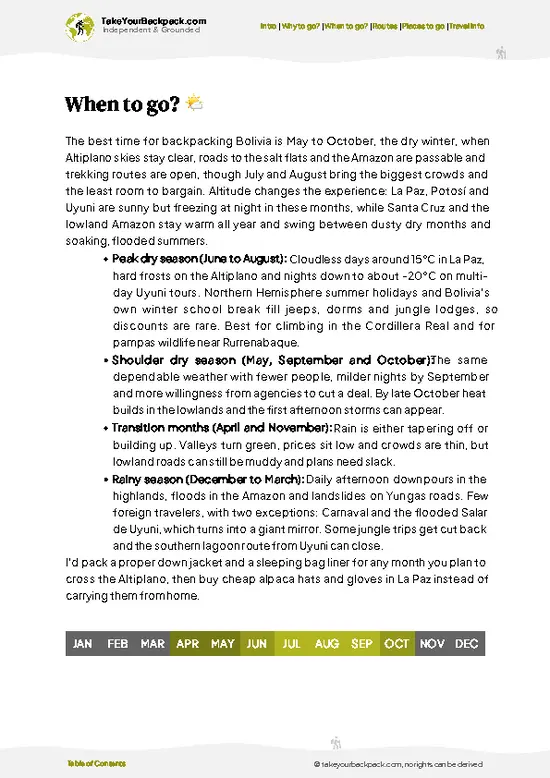
  • Weather: The dry season from May to October is your best bet. Expect clear skies and minimal rain, which means no soggy museum days. The wet season (November to March) brings frequent showers that can dampen your plans and the city’s vibe.

  • Temperature: During the dry months, daytime highs hover around 18-22°C (64-72°F), perfect for wandering without overheating. Nights can dip to 2-5°C (36-41°F), so pack a jacket. The wet season is slightly warmer but stickier, with highs around 20-25°C (68-77°F).

  • Daylight Hours: Bolivia enjoys roughly 11-12 hours of daylight year-round, but from May to August, days are a bit shorter. Plan your museum visits earlier to maximize daylight for exploring the city afterward.

  • Crowds: Tourist traffic peaks in July and August, coinciding with the dry season
read more 👉

  • Weather: The dry season from May to October is your best bet. Expect clear skies and minimal rain, which means no soggy museum days. The wet season (November to March) brings frequent showers that can dampen your plans and the city’s vibe.

  • Temperature: During the dry months, daytime highs hover around 18-22°C (64-72°F), perfect for wandering without overheating. Nights can dip to 2-5°C (36-41°F), so pack a jacket. The wet season is slightly warmer but stickier, with highs around 20-25°C (68-77°F).

  • Daylight Hours: Bolivia enjoys roughly 11-12 hours of daylight year-round, but from May to August, days are a bit shorter. Plan your museum visits earlier to maximize daylight for exploring the city afterward.

  • Crowds: Tourist traffic peaks in July and August, coinciding with the dry season and local festivals. The museum gets busier, so early mornings or late afternoons are quieter. Avoid weekends if you want elbow room.

  • Seasonal Activities: The Alasitas Festival in January floods the city with energy and stalls selling miniatures, but the museum itself can feel overshadowed by the chaos. For a more focused cultural dive, stick to the quieter months.

  • Price Fluctuations: Entry fees remain stable year-round, but accommodation and flights spike during the dry season and festival times. Booking ahead can save you a headache and a few bucks.


Pro-tip: Visit in late May or early October—weather’s solid, crowds thin, and you’ll catch the museum’s full vibe without the tourist circus.


source: climatestotravel.comJANJanuary: fair for travelingFEBFebruary: fair for travelingMARMarch: fair for travelingAPRApril: good for travelingMAYMay: excellent for travelingJUNJune: excellent for travelingJULJuly: highly recommended for travelingAUGAugust: highly recommended for travelingSEPSeptember: excellent for travelingOCTOctober: excellent for travelingNOVNovember: fair for travelingDECDecember: fair for traveling
bolivia-attraction-museo-nacional-de-etnografia-y-folklore
© Google |

✈️ The backpacker research shortcutBolivia Travel Guide

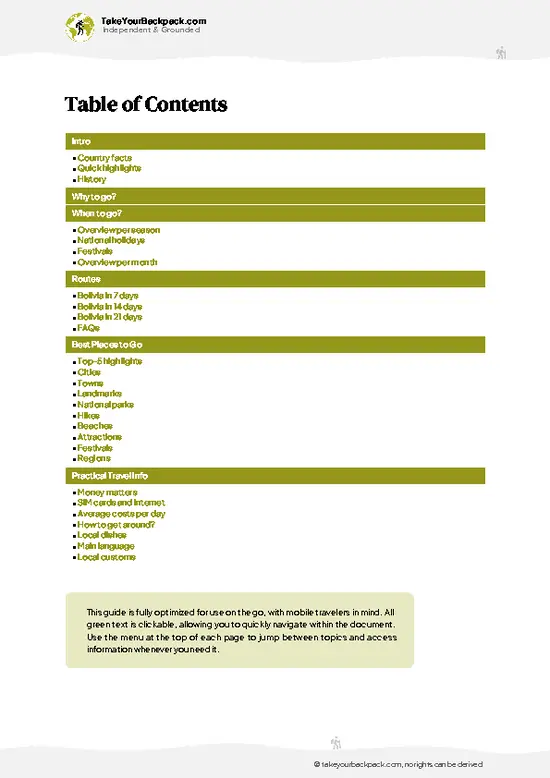
An offline-friendly backpacking guide with optimized travel routes, ranked highlights, transport advice, and the best areas to stay.
example page 0 from our offline Travel Guide for Bolivia
example page 1 from our offline Travel Guide for Bolivia
example page 2 from our offline Travel Guide for Bolivia
example page 3 from our offline Travel Guide for Bolivia
example page 4 from our offline Travel Guide for Bolivia
example page 5 from our offline Travel Guide for Bolivia
example page 6 from our offline Travel Guide for Bolivia
example page 7 from our offline Travel Guide for Bolivia
The digital guide (346 pages) contains:
82 highlights, ranked by travel appeal
Optimized 7, 14 & 21-day travel routes
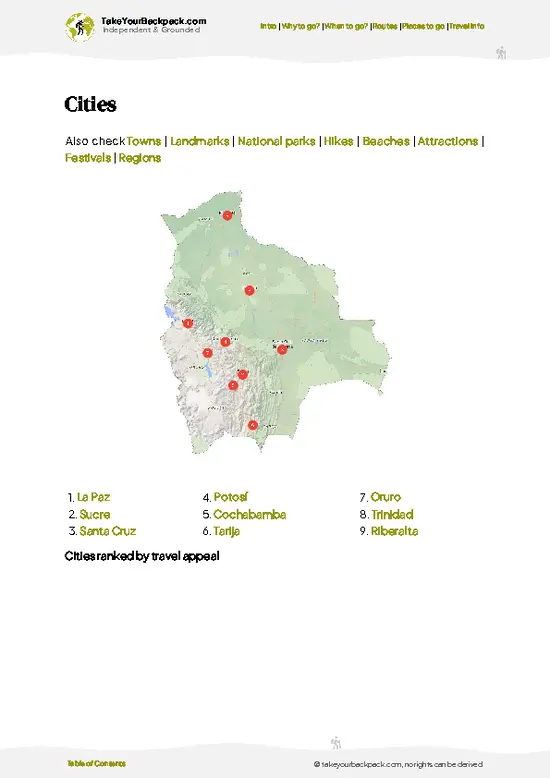
Cities, national parks, landmarks, beaches
How to get around
Offline-friendly for travel without Wi-Fi
👉 Click to see all 30+ guide features

📅 Plan smarter in minutes, not weeks
Month by month travel advice
Festivals & national holidays
Budget expectations

🗺️ Go to the right places, skip the overrated ones
Honest pros & cons of destinations
Top hikes, parks & viewpoints
Lesser-known places most travelers miss
Clear “worth it vs skip it” guidance

🛏️ Travel smoothly without rookie mistakes
Best areas to stay
Transport systems explained simply
Common scams & safety advice
SIM cards, money & practical tips

🌍 Understand the country, not just visit it
Culture & traditions
52 Essential phrases & customs
Festivals worth planning around
Traveler-friendly historical context
Insights that make places more meaningful

📱 Built for real travel conditions
Fully downloadable PDF
Works completely offline
Optimized for phone use
Useful in remote areas & buses
Everything in one place
Save weeks of stressful planning
Get instant access to your full guide. 30‑day money-back guarantee.
+ Add another guide for just US$7.80

By proceeding you agree to our terms.
Sent to your inbox immediately after payment • 100% Secure Checkout
Best Backpacking Travel Advisor 2025 tourism awardBest Backpacking
Travel Advisor
2025
What others say about Take Your Backpack Guides:
⭐⭐⭐⭐⭐
Fantastic, amazing amount of information!
⭐⭐⭐⭐⭐
My goodness this is amazing, it's what I've been looking for hats off too you!
⭐⭐⭐⭐⭐
I think this is absolutely BRILLIANT
⭐⭐⭐⭐
Very complete and informative. It's still missing places, but I gotta to commend you
⭐⭐⭐⭐⭐
This is truly amazing, thank you, can't wait to explore it with my kids!
⭐⭐⭐⭐⭐
Awesome resource, thank you!
⭐⭐⭐⭐⭐
This is amazing! Can't wait to explore the ones I haven't seen
⭐⭐⭐⭐
I love this! Well done, great idea.
⭐⭐⭐⭐⭐
Thanks for taking the time to make this gem!
⭐⭐⭐⭐⭐
This might be the best website I've ever seen.
⭐⭐⭐⭐⭐
Congratulations, and thank you so much for your work; it's incredibly valuable.
⭐⭐⭐⭐
In all seriousness I think you did a great job pointing out the important spots
⭐⭐⭐⭐⭐
10/10 very good
⭐⭐⭐⭐⭐
As someone who's only just starting to visit regularly this is awesome, thank you.
⭐⭐⭐⭐
Thank you very much! I'm going to visit my dad, it's going to be very useful!
⭐⭐⭐⭐⭐
This is really cool! We'll be travelling for the first time and this definitely come in handy.
⭐⭐⭐⭐⭐
You are now our minister of culture, congratulations 👨‍💼
⭐⭐⭐⭐⭐
Just wanted to tell you that this is a pearl! Going to follow your recommendations.
⭐⭐⭐⭐⭐
This is so cool. I'll definitely be using the resource for my travels soon.
⭐⭐⭐⭐⭐
This is very impressive! Good work.
⭐⭐⭐⭐⭐
This is an amazing and informative site. Very well done!

🛏️ Where to stay?Where staying makes the most sense

If you’re aiming to soak in the Museo Nacional de Etnografía y Folklore without getting swallowed by tourist traps or sketchy neighborhoods, your best bets are the Sopocachi and San Pedro districts. Sopocachi is where you’ll find a solid mix of locals and travelers who actually want to connect, not just snap photos and bounce. It’s safe, walkable, and packed with cafes and bars where you can swap stories over a cheap beer. The vibe here is relaxed but alive, perfect for solo backpackers craving a social scene without the chaos.

San Pedro, on the other hand, is the classic backpacker hub. It’s … read more 👉
If you’re aiming to soak in the Museo Nacional de Etnografía y Folklore without getting swallowed by tourist traps or sketchy neighborhoods, your best bets are the Sopocachi and San Pedro districts. Sopocachi is where you’ll find a solid mix of locals and travelers who actually want to connect, not just snap photos and bounce. It’s safe, walkable, and packed with cafes and bars where you can swap stories over a cheap beer. The vibe here is relaxed but alive, perfect for solo backpackers craving a social scene without the chaos.

San Pedro, on the other hand, is the classic backpacker hub. It’s a bit louder and more chaotic, but that’s part of its charm. You’ll find plenty of budget options, street food stalls, and a youthful energy that makes it easy to meet other travelers. It’s close enough to the museum to stroll over, but also close to the central market and other cultural hotspots. Just keep your wits about you after dark—like any busy area, it demands a bit of street smarts.

Both neighborhoods offer a genuine Bolivian experience, far from the polished tourist corridors. You’ll pay less, meet more interesting people, and get a real feel for La Paz’s pulse. That’s the kind of authenticity worth chasing.

👛 Costs (as of 4 September 2026)What things cost and how to budget

As of the most recent estimates, the Museo Nacional de Etnografía y Folklore in Bolivia charges an entry fee of 20 Bolivian Bolivianos (approximately €2.80) for foreign visitors. An additional 20 Bolivian Bolivianos (approximately €2.80) is required for photography inside the museum. Admission is free for Bolivian citizens and residents, while minors under 18 years old also enter at no cost. ([musef.org.bo](https://www.musef.org.bo/musef-contacto?utm_source=openai))
⚠️ Prices can change and everyone travels differently, so take this as a rough guide. Hope it helps you plan your adventure!

FAQCommon questions from travelers

Plan to spend about 1 to 2 hours visiting Museo Nacional de Etnografía y Folklore to see the main exhibits thoroughly. This allows time to explore the diverse cultural artifacts and folklore displays without rushing.
Yes, the entrance fee is worth it for the insight into Bolivia's rich indigenous cultures and traditions. The museum offers a unique collection of textiles, masks, and traditional costumes that justify the typical entry cost of around 20-30 Bolivianos.
You can reach Museo Nacional de Etnografía y Folklore by taking local buses or taxis to the city center of La Paz, where the museum is located. It is situated near Plaza Murillo, making it accessible on foot from many central hotels.
⚠️ Things can change over time, so always validate details locally before you go.

Other Bolivian attractions near Museo Nacional de Etnografía y Folklore

Explore more nearby:


💡 Not sure where to go next?
Create a personalized itinerary for Bolivia including Museo Nacional de Etnografía y Folklore and the places that fit your trip.

Generate my itinerary

👉 Discover all attractions

Or checkout all Bolivia has to offer (think cities, towns, villages, national parks, hikes, beaches, festivals)
Country photo of Bolivia

We 💚 feedbackSumming up the experience

The Museo Nacional de Etnografía y Folklore isn’t a flashy tourist magnet, and yes, it can feel a bit quiet and overlooked compared to Bolivia’s bigger draws. But that’s exactly why it’s a gem for anyone who wants to see beyond the surface. The real magic is in the raw, unfiltered stories of Bolivia’s indigenous cultures—artifacts and traditions that don’t get polished for Instagram but hit you with genuine depth. Just don’t expect crowds or flashy exhibits; this is about connection, not spectacle.

✈️ When did I visit Bolivia?
Bolivia I visited during my half year trip through South and Central America back in 2003

✍️ Help improve this page!
The information on this page is based on my own backpacking experience in Bolivia, supplemented with up-to-date research and feedback from other travelers. Travel details can change, so if you notice anything outdated or incomplete, feel free to let me know.


🙋‍♂️ Give feedback

👋 Meet the founderWho’s Behind Take Your Backpack?

Johan, backpacker and founder of TakeYourBackpackHi, I’m Johan (Netherlands 🇳🇱), the creator of TakeYourBackpack. Over the past decade, I’ve backpacked through 80+ countries across six continents, gaining extensive experience with independent travel, long-term trips, and overland routes.

This site is built on a combination of firsthand travel experience and carefully curated insights from other backpackers. Many guides are based on places I’ve personally visited, while others bring together tips, observations, and practical advice shared by trusted travelers I’ve met along the way.

The goal is to provide realistic, experience-driven guidance — not generic itineraries — so you can explore destinations with better context, clearer expectations, and more confidence.

Get full Bolivia guide •
Instant download • 82 highlights • Full Offline guide