×

Bolivia🇧🇴 | attractionsTeatro Municipal Alberto Saavedra Pérez
historic stage, ornate interiors, cultural events | things to do and best time to go

Explore Museo de la Catedral de SucreExplore Teatro Gran Mariscal Sucre

Backpacking in Teatro Municipal Alberto Saavedra Pérez
👀 For curious travelersattraction ranked #14
By Johan Kruseman 🇳🇱 | last update: 25 March, 2026

Here’s what nobody tells you until you’re standing outside with your ticket: Teatro Municipal Alberto Saavedra Pérez is one of the rare places in La Paz where you can escape the city’s relentless chaos for the price of a decent lunch. Tucked right in the heart of Bolivia’s capital, this 19th-century theater is both a cultural heavyweight and a practical oasis—especially when the altitude and traffic start to feel like a personal vendetta. Backpackers usually skip it, thinking it’s just for opera buffs or old-money locals, but that’s a rookie mistake. Sure, you’ll dodge selfie-stick crowds here (unless there’s a festival), and the entry fee is laughably low compared to the sticker shock of Uyuni tours or Death Road bikes. The real payoff? The velvet-and-gold interior feels like a portal to another era, and if you catch a local performance, you’ll see Bolivian passion on full blast—no filter, no tourist gloss. It’s not adrenaline, but it’s the kind of soul-hit you remember long after the salt flats fade.

Discover everything you want to know in the 📖 Bolivia Travel Guide.
Loading the map 🌍
CLICK TO FILTER
city
town
unique site
national park
hike
beach
attraction
festival
region
SHOW COUNTRY‘S BESTSHOW ALL

✨ Why go?
Ranked #14 attraction in Bolivia
What makes it a must-see attraction

The Teatro Municipal Alberto Saavedra Pérez isn’t just another pretty building to snap for your feed—it’s a heavyweight in Bolivia’s cultural ring. Sure, it’s not hidden from the crowds; expect a steady flow of locals and travelers drawn by its iconic status as one of La Paz’s oldest theaters. But here’s the kicker: this place is a living, breathing archive of Bolivian artistic evolution. The walls have soaked up decades of historical depth, from revolutionary plays to indigenous performances that challenge the mainstream narrative.

Backpackers who carve out time for this theater aren’t just ticking a box—they’re diving into a cultural crucible where Bolivia’s complex identity unfolds in real time. The effort-to-reward ratio is high: a modest ticket price unlocks access to performances that … read more 👉
The Teatro Municipal Alberto Saavedra Pérez isn’t just another pretty building to snap for your feed—it’s a heavyweight in Bolivia’s cultural ring. Sure, it’s not hidden from the crowds; expect a steady flow of locals and travelers drawn by its iconic status as one of La Paz’s oldest theaters. But here’s the kicker: this place is a living, breathing archive of Bolivian artistic evolution. The walls have soaked up decades of historical depth, from revolutionary plays to indigenous performances that challenge the mainstream narrative.

Backpackers who carve out time for this theater aren’t just ticking a box—they’re diving into a cultural crucible where Bolivia’s complex identity unfolds in real time. The effort-to-reward ratio is high: a modest ticket price unlocks access to performances that pulse with raw emotion and political edge, far from sanitized tourist shows. It’s a milestone on any Bolivia route because it connects you to the country’s soul beyond the usual markets and mountains. If you want to understand Bolivia’s spirit, skipping this theater means missing the heartbeat beneath the Andes.
Get the complete Travel Guide for Bolivia
Everything organized for offline planning — routes, highlights, costs & tips

See what’s inside 👉

Get the Travel Guide -
The Ceiling Frescoes and Gilded Interior
Let’s get real: most people come for the performances, but the building itself is the main event. The ceiling frescoes are not just decorative—they’re a full-on sensory ambush. You’ll find yourself craning your neck, ignoring the show for a few minutes, just to soak in the riot of color and gold leaf. This isn’t some faded colonial relic; it’s a living, breathing piece of Bolivian pride, with every inch screaming for your attention. The gold details aren’t subtle, and that’s the point. It’s unapologetically grand, and it sets the tone before a single note is played.


Acoustics That Punch Above Their Weight
You don’t need to be an audiophile to notice the difference. The acoustics here are sharp, clear, and surprisingly intimate for a theater of this age. … read more 👉
The Ceiling Frescoes and Gilded Interior
Let’s get real: most people come for the performances, but the building itself is the main event. The ceiling frescoes are not just decorative—they’re a full-on sensory ambush. You’ll find yourself craning your neck, ignoring the show for a few minutes, just to soak in the riot of color and gold leaf. This isn’t some faded colonial relic; it’s a living, breathing piece of Bolivian pride, with every inch screaming for your attention. The gold details aren’t subtle, and that’s the point. It’s unapologetically grand, and it sets the tone before a single note is played.


Acoustics That Punch Above Their Weight
You don’t need to be an audiophile to notice the difference. The acoustics here are sharp, clear, and surprisingly intimate for a theater of this age. Whether it’s a full orchestra or a single opera singer, the sound wraps around you. Forget the Instagram shots—this is about what you hear, not what you see. The building’s horseshoe shape and wooden floors do the heavy lifting, making even a modest performance feel like a world-class event.


Bolivian National Symphony Orchestra Performances
If you’re lucky enough to catch the National Symphony, you’re in for a treat that’s more than just classical music. There’s a rawness to their performances—sometimes a little rough around the edges, but always passionate. The repertoire is a wild mix: Beethoven one night, Andean folk the next. It’s a crash course in Bolivian culture, played out in real time. This isn’t Vienna, and that’s exactly why it’s worth your time.


Backstage Tours (When Available)
This is the antidote to the velvet-rope, hands-off museum vibe. If you can swing a backstage tour, do it. You’ll see the old-school rigging, cramped dressing rooms, and the kind of organized chaos that makes live theater magic happen. It’s a peek behind the curtain—literally—and it’s where the theater’s personality really comes out. You’ll leave with a new respect for the people who keep the place running.


La Paz’s Most Eclectic Audience
Here’s my personal favorite. The crowd is a show in itself. You’ll see suited diplomats, local students, and families who’ve saved up for a night out, all packed into the same velvet seats. There’s a buzz before the curtain rises that you just don’t get in more sanitized venues. It’s democratic, it’s noisy, and it’s real. If you want to understand La Paz, watch the audience as much as the stage.


Annual Festivals and Special Events
Skip the tourist calendar—this is where you catch the city’s creative pulse. The theater hosts everything from international jazz nights to indigenous dance troupes. These events are where the programming gets weird and wonderful, and where the city’s artists take real risks. If you’re in town during a festival, this is your ticket to the beating heart of Bolivian performance culture.
Spotted a mistake or missing something? Contact me.

🌤️ When to go?Weather, crowds, and seasonal trade-offs


  • Weather: La Paz’s dry season from May to October offers the clearest skies and crisp air, with daytime temps hovering around 15-20°C (59-68°F). Rain is rare, so your theater plans won’t get washed out. The wet season, November to March, brings frequent showers and muddy streets, which can dampen the experience.

  • Temperature: Nights can be chilly year-round, often dropping below 5°C (41°F), so pack layers. The dry season’s cooler nights contrast with the wet season’s milder but more humid evenings, which might affect your comfort during late shows.

  • Daylight Hours: Daylight is fairly consistent, about 11-12 hours daily, but the dry season’s clearer skies make for better pre-show strolls and post-performance city views.

  • Crowds: Peak tourist season aligns with the dry months, especially
  • read more 👉

  • Weather: La Paz’s dry season from May to October offers the clearest skies and crisp air, with daytime temps hovering around 15-20°C (59-68°F). Rain is rare, so your theater plans won’t get washed out. The wet season, November to March, brings frequent showers and muddy streets, which can dampen the experience.

  • Temperature: Nights can be chilly year-round, often dropping below 5°C (41°F), so pack layers. The dry season’s cooler nights contrast with the wet season’s milder but more humid evenings, which might affect your comfort during late shows.

  • Daylight Hours: Daylight is fairly consistent, about 11-12 hours daily, but the dry season’s clearer skies make for better pre-show strolls and post-performance city views.

  • Crowds: Peak tourist season aligns with the dry months, especially June to August, meaning the theater can fill up fast for popular performances. Booking ahead is essential. The shoulder months, April and October, offer fewer tourists and a more local vibe.

  • Seasonal Activities: The dry season coincides with cultural festivals like Gran Poder in May and Alasitas in January, which can add vibrant local flavor but also spike prices and crowd levels.

  • Price Fluctuations: Ticket prices and accommodation rates climb during the dry season and festival periods. Visiting in the shoulder months can save you money without sacrificing the quality of your theater experience.


Pro-tip: Aim for late April or early October to dodge the worst crowds and weather extremes—this sweet spot lets you soak in the Teatro Municipal Alberto Saavedra Pérez with fewer hassles and a more authentic local pulse.


source: climatestotravel.comJANJanuary: fair for travelingFEBFebruary: fair for travelingMARMarch: fair for travelingAPRApril: highly recommended for travelingMAYMay: highly recommended for travelingJUNJune: excellent for travelingJULJuly: excellent for travelingAUGAugust: excellent for travelingSEPSeptember: highly recommended for travelingOCTOctober: highly recommended for travelingNOVNovember: fair for travelingDECDecember: fair for traveling
when-to-go

✈️ The ultimate backpacker shortcutBolivia Travel Guide

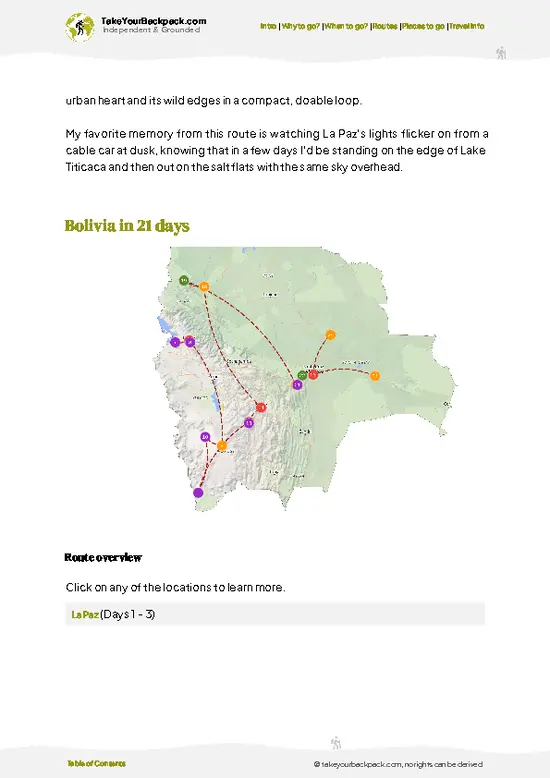
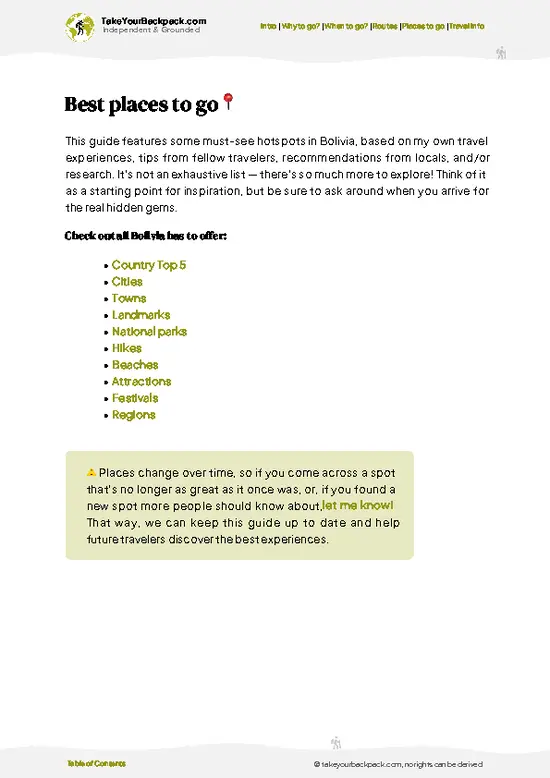
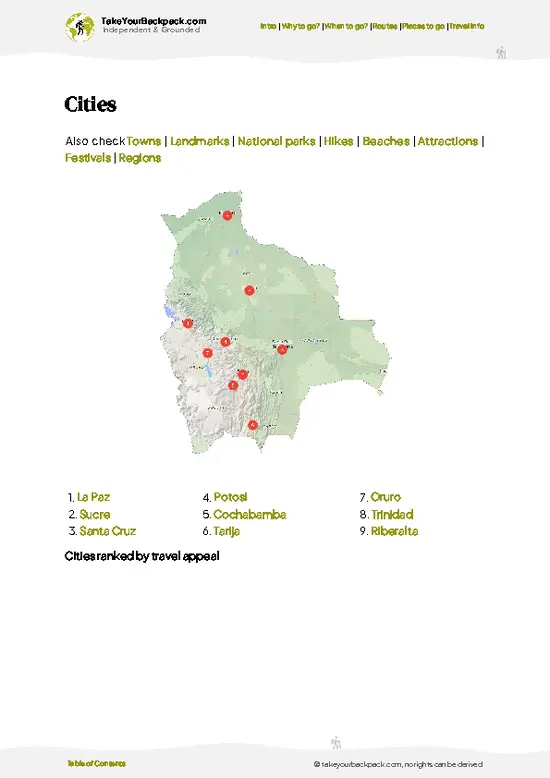
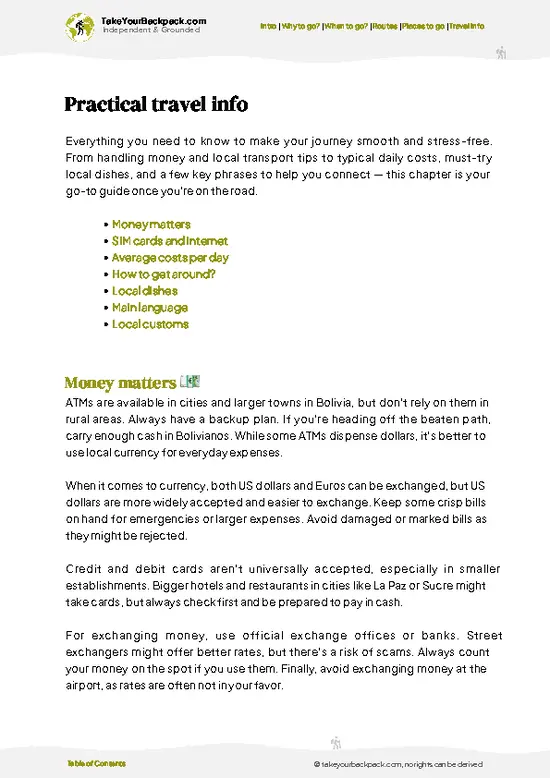
Skip weeks of research and hit the road with confidence. Get 293 pages of proven routes, transport advice, and real safety insights—built for your phone and 100% offline-ready.
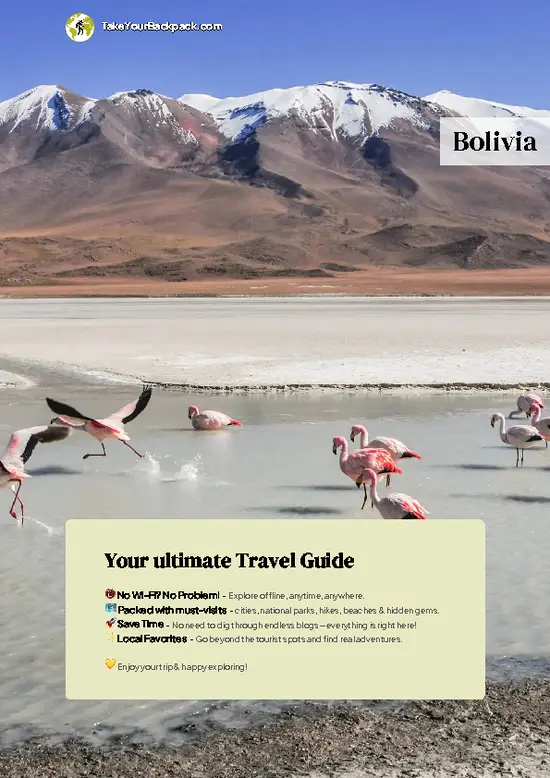
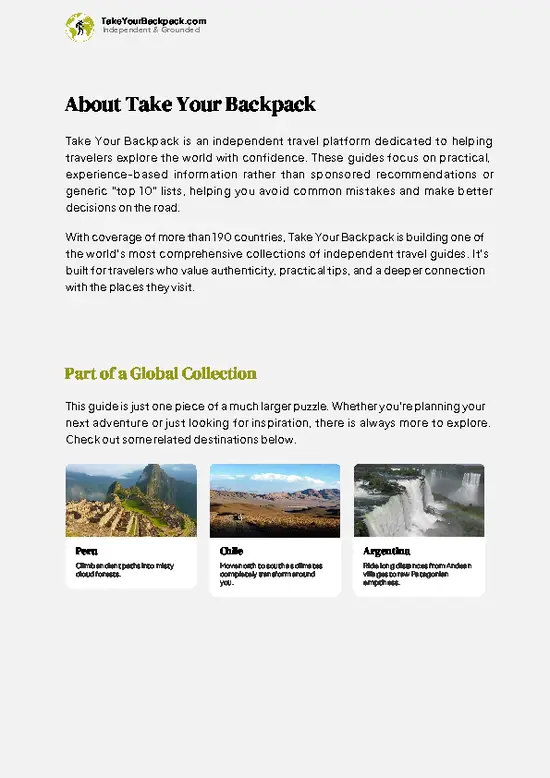
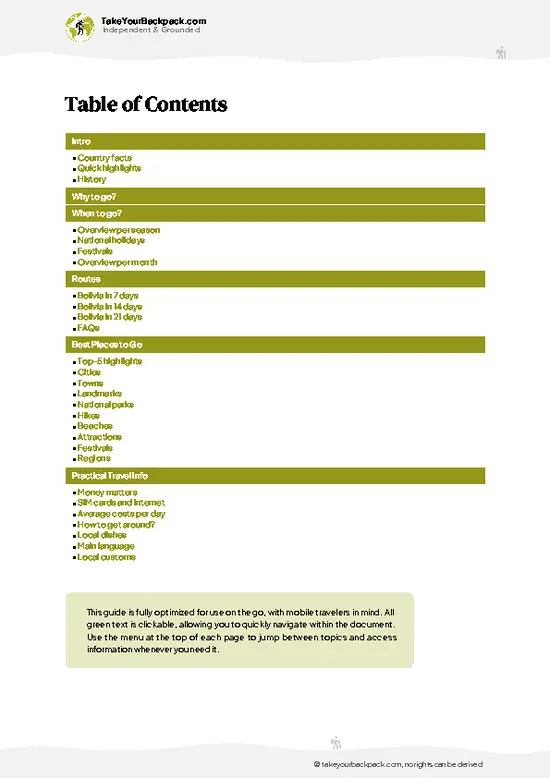
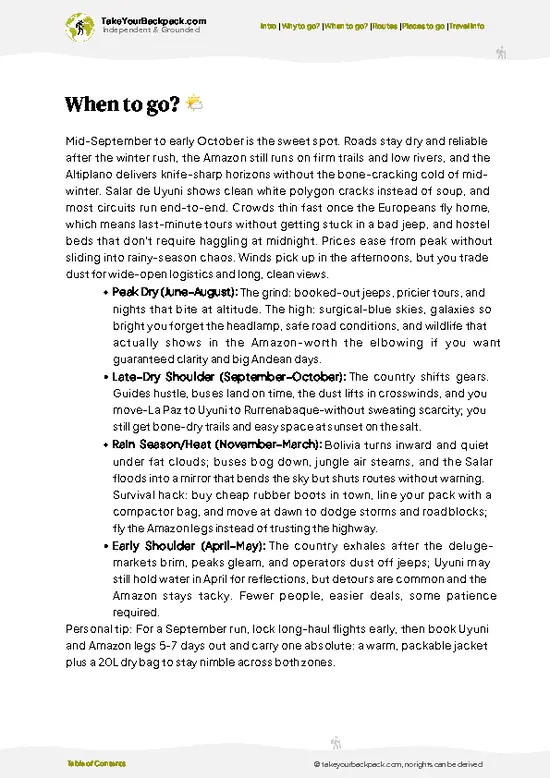
example page 0 from our offline Travel Guide for Boliviaexample page 1 from our offline Travel Guide for Boliviaexample page 2 from our offline Travel Guide for Boliviaexample page 3 from our offline Travel Guide for Boliviaexample page 4 from our offline Travel Guide for Bolivia
🎒 Your 293-page offline travel companion
7, 14 & 21-day routes paced for real travel
82 ranked highlights with honest skip-it advice
Logistics solved: Best areas to stay & transport
Safety blueprints: Common local scams to avoid
No Wi-Fi? No problem: Phone-optimized offline PDF
👉 See all 30+ guide features

📅 Plan smarter in minutes, not weeks
Realistic travel times & pacing
Best months per region
Festivals & national holidays
Budget expectations

🗺️ Go to the right places, skip the overrated ones
82 ranked highlights across the country
Hidden gems beyond the tourist trail
Honest pros & cons of destinations
Top hikes, parks & viewpoints
Lesser-known places most travelers miss
Clear “worth it vs skip it” guidance

🛏️ Travel smoothly without rookie mistakes
Best areas to stay
Transport systems explained simply
Local transport tradeoffs
Common scams & safety advice
SIM cards, money & practical tips
What to expect before arrival

🌍 Understand the country, not just visit it
Culture & traditions
52 Essential phrases & customs
Festivals worth planning around
Traveler-friendly historical context
Insights that make places more meaningful

📱 Built for real travel conditions
Fully downloadable PDF
Works completely offline
Optimized for phone use
Useful in remote areas & buses
Everything in one place
Save weeks of stressful planning
Get instant access to the full guide directly. 30-day money-back guarantee.


Sent to your inbox immediately after payment • 100% Secure Checkout
Best Backpacking Travel Advisor 2025 tourism awardBest Backpacking
Travel Advisor
2025
What others say about Take Your Backpack Guides:
⭐⭐⭐⭐⭐
Fantastic, amazing amount of information!
⭐⭐⭐⭐⭐
My goodness this is amazing, it's what I've been looking for hats off too you!
⭐⭐⭐⭐⭐
I think this is absolutely BRILLIANT
⭐⭐⭐⭐
Very complete and informative. It's still missing places, but I gotta to commend you
⭐⭐⭐⭐⭐
This is truly amazing, thank you, can't wait to explore it with my kids!
⭐⭐⭐⭐⭐
Awesome resource, thank you!
⭐⭐⭐⭐⭐
This is amazing! Can't wait to explore the ones I haven't seen
⭐⭐⭐⭐
I love this! Well done, great idea.
⭐⭐⭐⭐⭐
Thanks for taking the time to make this gem!
⭐⭐⭐⭐⭐
This might be the best website I've ever seen.
⭐⭐⭐⭐⭐
Congratulations, and thank you so much for your work; it's incredibly valuable.
⭐⭐⭐⭐
In all seriousness I think you did a great job pointing out the important spots
⭐⭐⭐⭐⭐
10/10 very good
⭐⭐⭐⭐⭐
As someone who's only just starting to visit regularly this is awesome, thank you.
⭐⭐⭐⭐
Thank you very much! I'm going to visit my dad, it's going to be very useful!
⭐⭐⭐⭐⭐
This is really cool! We'll be travelling for the first time and this definitely come in handy.
⭐⭐⭐⭐⭐
You are now our minister of culture, congratulations 👨‍💼
⭐⭐⭐⭐⭐
Just wanted to tell you that this is a pearl! Going to follow your recommendations.
⭐⭐⭐⭐⭐
This is so cool. I'll definitely be using the resource for my travels soon.
⭐⭐⭐⭐⭐
This is very impressive! Good work.
⭐⭐⭐⭐⭐
This is an amazing and informative site. Very well done!

🛏️ Where to stay?Best areas to stay in Bolivia

If you’re aiming to soak up the energy around Teatro Municipal Alberto Saavedra Pérez, your best bets are the neighborhoods of Sopocachi and San Pedro. Sopocachi is where the city’s young, artsy crowd hangs out—think street art, quirky cafes, and a vibe that’s both safe and buzzing after dark. It’s not just about proximity; it’s about the pulse of La Paz life that makes your nights as memorable as your days. San Pedro, on the other hand, is the backpacker hub. It’s gritty but in a way that feels authentic, with plenty of budget spots where you’ll meet fellow travelers swapping stories over cheap … read more 👉
If you’re aiming to soak up the energy around Teatro Municipal Alberto Saavedra Pérez, your best bets are the neighborhoods of Sopocachi and San Pedro. Sopocachi is where the city’s young, artsy crowd hangs out—think street art, quirky cafes, and a vibe that’s both safe and buzzing after dark. It’s not just about proximity; it’s about the pulse of La Paz life that makes your nights as memorable as your days. San Pedro, on the other hand, is the backpacker hub. It’s gritty but in a way that feels authentic, with plenty of budget spots where you’ll meet fellow travelers swapping stories over cheap beer. Both areas keep you close enough to the theater to catch a show without the hassle of long commutes, and they offer a social scene that’s as real as it gets—no tourist traps, just genuine local flavor.

👛 Costs (as of 27 January 2026)Typical daily expenses

Tickets for events at Teatro Municipal Alberto Saavedra Pérez in La Paz, Bolivia, typically range from 50 to 70 Bolivian Bolivianos (BOB). For example, the 'XIV Festival Internacional la Danza Integradora de Culturas' had tickets priced at 30, 50, and 70 BOB. ([lapaz.bo](https://lapaz.bo/agendajiwaki/teatro-municipal-alberto-saavedra-acoge-festival-internacional-de-danza-por-3-dias/?utm_source=openai)) Additionally, the 'Barbero de Sevilla' event offered tickets in various sectors, with prices ranging from 60 to 250 BOB. ([tkl.arte.bo](https://tkl.arte.bo/product_info.php?cPath=1521&products_id=46756&utm_source=openai)) Please note that exchange rates fluctuate; as of March 16, 2026, 1 BOB is approximately equal to €0.06. Therefore, ticket prices convert to approximately €6 to €7.

source: superticket.bo
⚠️ Prices can change and everyone travels differently, so take this as a rough guide. Hope it helps you plan your adventure!

Other Bolivian attractions near Teatro Municipal Alberto Saavedra Pérez

Explore more nearby:


👉 Discover all attractions

Or checkout all Bolivia has to offer (think cities, towns, villages, national parks, hikes, beaches, festivals)
Country photo of Bolivia

I 💚 feedbackIs it worth it?

Teatro Municipal Alberto Saavedra Pérez isn’t some polished tourist trap—it’s raw, alive, and dripping with local culture. The real magic hits when you catch a live show; the energy in that old theater is electric, a genuine pulse of La Paz’s artistic soul. But heads up: it’s not always easy to snag tickets, and the schedule can be unpredictable. If you’re flexible and patient, you’ll walk away with a memory that’s anything but generic.

✈️ When did I visit Bolivia?
Bolivia I visited during my half year trip through South and Central America back in 2003

✍️ Help improve this page!
The information on this page is based on my own backpacking experience in Bolivia, supplemented with up-to-date research and feedback from other travelers. Travel details can change, so if you notice anything outdated or incomplete, feel free to let me know.


🙋‍♂️ Give feedback

👋 Meet the authorWho’s Behind Take Your Backpack?

Johan, backpacker and founder of TakeYourBackpackHi, I’m Johan (Netherlands 🇳🇱), the creator of TakeYourBackpack. Over the past decade, I’ve backpacked through 80+ countries across six continents, gaining extensive experience with independent travel, long-term trips, and overland routes.

This site is built on a combination of firsthand travel experience and carefully curated insights from other backpackers. Many guides are based on places I’ve personally visited, while others bring together tips, observations, and practical advice shared by trusted travelers I’ve met along the way.

The goal is to provide realistic, experience-driven guidance — not generic itineraries — so you can explore destinations with better context, clearer expectations, and more confidence.

Get Full Country Guide |
Instant download • 82 highlights • Full Offline guide