v2.webp)
- Vast seasonally flooded Pantanal plains — A rolling mosaic of shallow marshes, flooded grassland and oxbow lakes that swells and shrinks with the rains. It’s the backbone of the park: when the water rises the landscape turns into a wildlife superhighway where everything concentrates around channels and lagoons.
- Birdlife hotspots (jabiru, roseate spoonbill, herons) — Otuquis is a birdwatcher’s jackpot: storks, ibis, roseate spoonbills, kingfishers and dozens of waders feed in the shallows. You’ll see spectacular flocks and stalking birds up close from small boats or low riverbanks—my personal favorite for morning wildlife fixes.
- Large wetland mammals (capybara, marsh deer, giant otter) — Look for capybara families loafing on muddy islands, shy marsh deer in the reedy edges, and the rare
- Vast seasonally flooded Pantanal plains — A rolling mosaic of shallow marshes, flooded grassland and oxbow lakes that swells and shrinks with the rains. It’s the backbone of the park: when the water rises the landscape turns into a wildlife superhighway where everything concentrates around channels and lagoons.
- Birdlife hotspots (jabiru, roseate spoonbill, herons) — Otuquis is a birdwatcher’s jackpot: storks, ibis, roseate spoonbills, kingfishers and dozens of waders feed in the shallows. You’ll see spectacular flocks and stalking birds up close from small boats or low riverbanks—my personal favorite for morning wildlife fixes.
- Large wetland mammals (capybara, marsh deer, giant otter) — Look for capybara families loafing on muddy islands, shy marsh deer in the reedy edges, and the rare but thrilling giant river otter in clearer lagoons. They give the place a real “alive” feeling you won’t forget.
- Reptile life and nocturnal caiman spotting — Caimans line the water’s edge and anacondas lurk in thicker channels; guided night boat trips are the classic way to spot the eyes and silhouettes reflected on black water. It’s basic but effective wildlife theatre.
- Gallery forests and palm islands — Scattered strips of taller forest and palm copses rise out of the wetlands, creating cool shady pockets and great microhabitats. These are where you’ll find forest birds, monkeys and a different plant world from the open marsh.
- Boat and canoe routes through the river maze — The easiest and most rewarding way to travel here is by boat: slow navigation through channels, braided rivers and lagoons lets you get close to birds, mammals and quiet scenery that 4x4s can’t reach.
- Transboundary landscapes and local communities — Otuquis sits on the Bolivia-Brazil-Paraguay frontier, so the mix of ecosystems and cultural encounters is unique. Visiting local ranches and indigenous communities adds human context to the wild scenery and can make logistics (and stories) easier.
Spotted a mistake or missing something? Contact us.

 Best Backpacking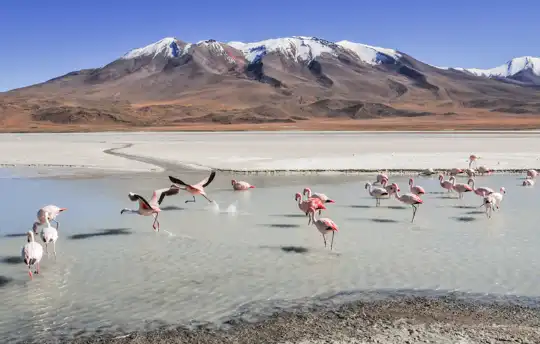
.jpg) Hi, I’m Johan (Netherlands 🇳🇱), the creator of TakeYourBackpack. Over the past decade, I’ve backpacked through 80+ countries across six continents, gaining extensive experience with independent travel, long-term trips, and overland routes.
Hi, I’m Johan (Netherlands 🇳🇱), the creator of TakeYourBackpack. Over the past decade, I’ve backpacked through 80+ countries across six continents, gaining extensive experience with independent travel, long-term trips, and overland routes.