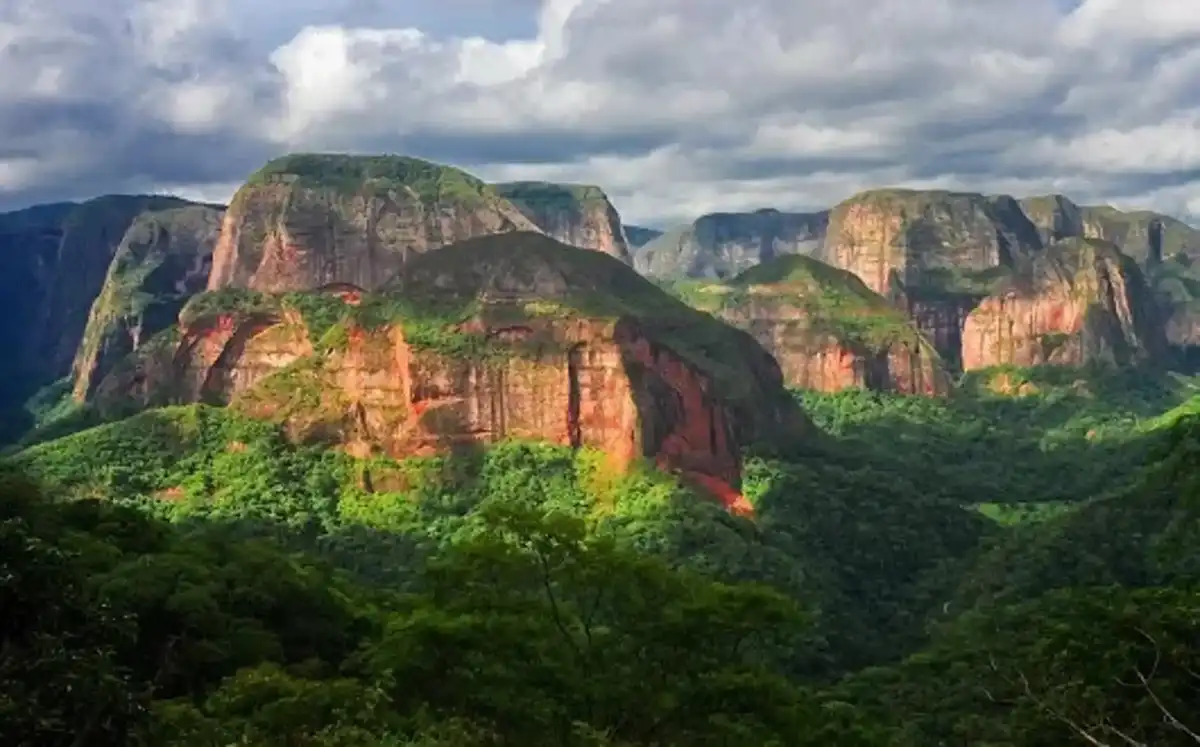
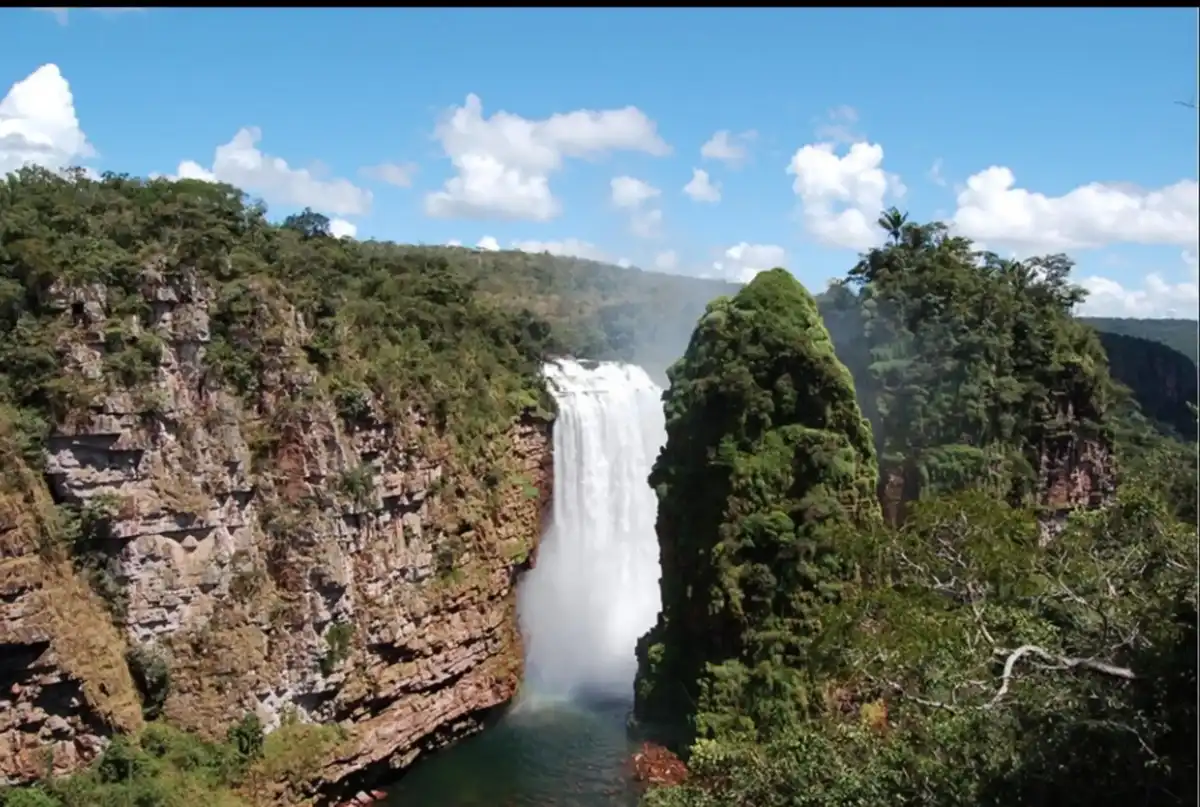
How many parks: three: Visit three national parks, one from each landscape type: a high-altitude desert, an Amazon lowland and a valley or canyon area. That number keeps transfers sane. Distances are huge, roads rough and altitude punishing, so each park needs two to five days to feel like a visit and not a drive-by. Four or more usually means paying for transport that never lets you hike a trail or sit still at a lagoon.
Prioritizing by travel style: Photographers and first-timers should put the
Andean highlands first: salt, geysers, red lagoons and snow-capped volcanoes in a few days, with the sunrise cold making the views feel earned. Wildlife lovers should choose the
Amazon, where you drift past caimans and capybaras by boat and wake to howler monkeys. Hikers on a tight budget will love …
read more 👉 How many parks: three: Visit three national parks, one from each landscape type: a high-altitude desert, an Amazon lowland and a valley or canyon area. That number keeps transfers sane. Distances are huge, roads rough and altitude punishing, so each park needs two to five days to feel like a visit and not a drive-by. Four or more usually means paying for transport that never lets you hike a trail or sit still at a lagoon.
Prioritizing by travel style: Photographers and first-timers should put the Andean highlands first: salt, geysers, red lagoons and snow-capped volcanoes in a few days, with the sunrise cold making the views feel earned. Wildlife lovers should choose the Amazon, where you drift past caimans and capybaras by boat and wake to howler monkeys. Hikers on a tight budget will love the valleys and canyons, where village guides lead you down trails you share with almost nobody. Pick the highlands for spectacle, the lowlands for animals, the valleys for quiet and cost.
What it costs: Budget US$30 to 60 a day for independent travel between parks, covering dorm or basic room (Bs 70 to 150, about US$10 to 22), street meals at Bs 15 to 35 (US$2 to 5) and local buses. Entry fees range from about Bs 30 to 150 (US$4 to 22) per visit, paid in cash, and some areas add a separate community or guide fee. A three-day highland jeep tour runs roughly US$130 to 200 per person including food and basic lodging, with park entry extra. Amazon river or pampas tours cost about US$40 to 70 a day, and remote jungle lodges US$80 to 150 a day all-inclusive. Canyon and valley guides are typically Bs 100 to 250 (US$14 to 36) a day per group. Count on US$250 to 450 for one park of each type.
Safety on the ground: Altitude is the main hazard. Camp or sleep at 4,000 meters and a headache will hammer you, so drink water, go slowly and descend if symptoms worsen. Nights drop well below freezing, so bring a -10°C sleeping bag or rent one. The sun at that height burns skin in minutes, so carry SPF 50 and a hat. Choose operators with reviews and a cook, a spare tire and a driver who does not drink. Check vehicles and ask about fuel, since breakdowns far from towns are the common problem. In the Amazon, use licensed lodges, wear long sleeves for insects and carry yellow fever documentation. Cash is king, because cards fail outside cities.
Cultural manners: Many parks sit on Indigenous or community land. Ask before photographing people, especially women and children, and buy a few things in village shops. Coca leaves are a respected daily staple, so accept them politely. Do not step over or disturb small stone offerings to Pachamama. A greeting in Spanish opens doors, and a few words of Quechua or Aymara earn real smiles. Your reward is a local guide who shows you the shortcut, the story behind the peak and the best sunrise spot.
v2.webp)




 Best Backpacking
.jpg) Hi, I’m Johan (Netherlands 🇳🇱), the creator of TakeYourBackpack. Over the past 3 decades, I’ve backpacked through 90+ countries across six continents, gaining extensive experience with independent travel, long-term trips, and overland routes.
Hi, I’m Johan (Netherlands 🇳🇱), the creator of TakeYourBackpack. Over the past 3 decades, I’ve backpacked through 90+ countries across six continents, gaining extensive experience with independent travel, long-term trips, and overland routes.