




The Grand Staircase
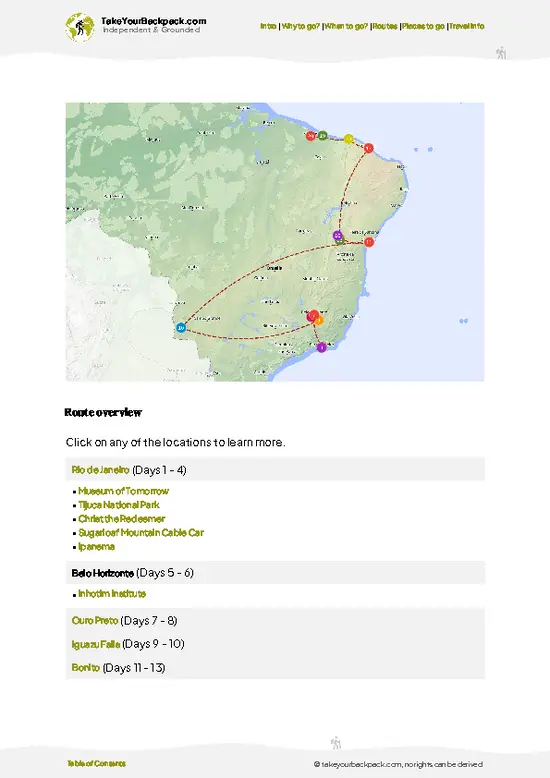
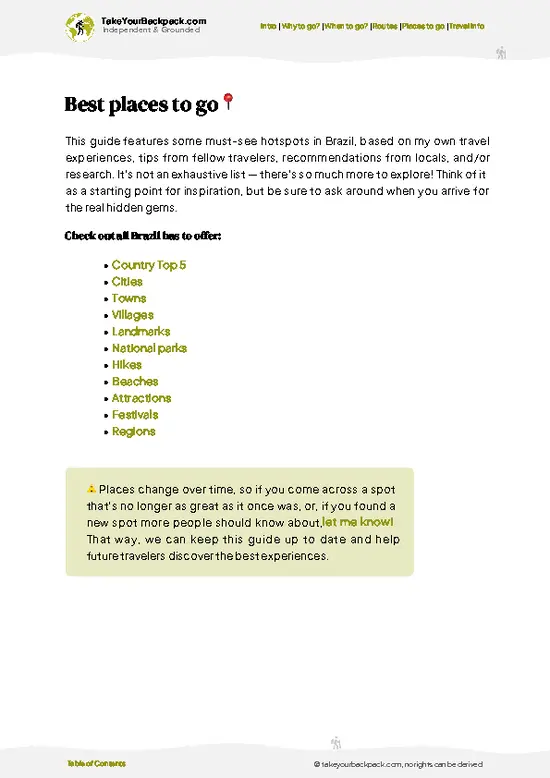
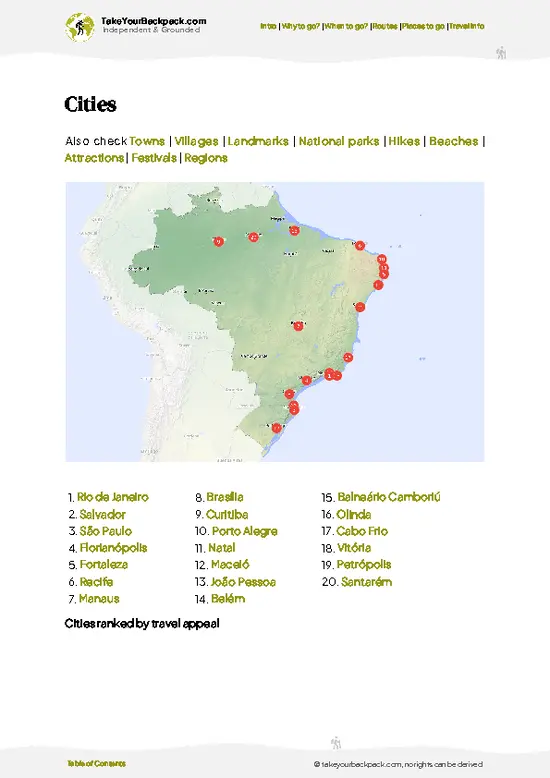
Forget the Instagram shots of the façade—walk inside and you’ll hit the Grand Staircase, the real pulse of Paço Imperial. This isn’t just a fancy set of steps; it’s the literal crossroads of Brazilian history. Royalty, revolutionaries, and bureaucrats all stomped up and down these stairs, plotting, scheming, and occasionally running for their lives. The worn stone underfoot is a tactile reminder that history isn’t just something you read about; it’s something you can feel. If you want a selfie, do it here—just be ready to dodge a school group or two.
The Throne Room
This is where the big decisions went down. The Throne Room is surprisingly understated—no gold overload, no Versailles-level bling. That’s the point. The power here was in the politics, not the décor. Stand … read more 👉
Forget the Instagram shots of the façade—walk inside and you’ll hit the Grand Staircase, the real pulse of Paço Imperial. This isn’t just a fancy set of steps; it’s the literal crossroads of Brazilian history. Royalty, revolutionaries, and bureaucrats all stomped up and down these stairs, plotting, scheming, and occasionally running for their lives. The worn stone underfoot is a tactile reminder that history isn’t just something you read about; it’s something you can feel. If you want a selfie, do it here—just be ready to dodge a school group or two.
The Throne Room
This is where the big decisions went down. The Throne Room is surprisingly understated—no gold overload, no Versailles-level bling. That’s the point. The power here was in the politics, not the décor. Stand … read more 👉
The Grand Staircase
Forget the Instagram shots of the façade—walk inside and you’ll hit the Grand Staircase, the real pulse of Paço Imperial. This isn’t just a fancy set of steps; it’s the literal crossroads of Brazilian history. Royalty, revolutionaries, and bureaucrats all stomped up and down these stairs, plotting, scheming, and occasionally running for their lives. The worn stone underfoot is a tactile reminder that history isn’t just something you read about; it’s something you can feel. If you want a selfie, do it here—just be ready to dodge a school group or two.
The Throne Room
This is where the big decisions went down. The Throne Room is surprisingly understated—no gold overload, no Versailles-level bling. That’s the point. The power here was in the politics, not the décor. Stand in the middle and imagine the tension: emperors, governors, and the occasional foreign dignitary hashing out the future of Brazil. The acoustics are sharp; you can almost hear the echoes of whispered alliances and public proclamations. It’s a room that rewards a few minutes of quiet observation.
Temporary Art Exhibitions
Here’s the curveball: Paço Imperial isn’t stuck in the past. The rotating art exhibitions are where the old bones of the palace meet the pulse of modern Brazil. One month it’s contemporary sculpture, the next it’s avant-garde photography. The contrast between centuries-old walls and cutting-edge art is electric. Locals actually come here for the exhibits, not just the history lesson. If you’re lucky, you’ll catch an opening night—expect a crowd that’s more art-school than tourist herd.
The Courtyard Café
This is my personal favorite. Skip the overpriced snacks outside and grab a table in the palace courtyard. The café is shaded, the coffee is strong, and the people-watching is world-class. You’ll see everyone from government workers on a break to artists sketching in the corner. It’s the rare spot in Rio’s Centro where you can actually hear yourself think. The courtyard’s colonial tiles and tropical plants are a reminder that sometimes, the best part of a historic site is just soaking up the atmosphere with a cold drink.
The Chapel
Tucked away from the main halls, the chapel is easy to miss—and that’s exactly why it’s worth seeking out. It’s a pocket of calm in the middle of the city’s chaos. The architecture is simple, almost austere, but the sense of history is thick. If you’re lucky, you’ll catch a shaft of sunlight through the old windows, illuminating the faded altar. It’s a moment of quiet that feels earned after the bustle outside.
Forget the Instagram shots of the façade—walk inside and you’ll hit the Grand Staircase, the real pulse of Paço Imperial. This isn’t just a fancy set of steps; it’s the literal crossroads of Brazilian history. Royalty, revolutionaries, and bureaucrats all stomped up and down these stairs, plotting, scheming, and occasionally running for their lives. The worn stone underfoot is a tactile reminder that history isn’t just something you read about; it’s something you can feel. If you want a selfie, do it here—just be ready to dodge a school group or two.
The Throne Room
This is where the big decisions went down. The Throne Room is surprisingly understated—no gold overload, no Versailles-level bling. That’s the point. The power here was in the politics, not the décor. Stand in the middle and imagine the tension: emperors, governors, and the occasional foreign dignitary hashing out the future of Brazil. The acoustics are sharp; you can almost hear the echoes of whispered alliances and public proclamations. It’s a room that rewards a few minutes of quiet observation.
Temporary Art Exhibitions
Here’s the curveball: Paço Imperial isn’t stuck in the past. The rotating art exhibitions are where the old bones of the palace meet the pulse of modern Brazil. One month it’s contemporary sculpture, the next it’s avant-garde photography. The contrast between centuries-old walls and cutting-edge art is electric. Locals actually come here for the exhibits, not just the history lesson. If you’re lucky, you’ll catch an opening night—expect a crowd that’s more art-school than tourist herd.
The Courtyard Café
This is my personal favorite. Skip the overpriced snacks outside and grab a table in the palace courtyard. The café is shaded, the coffee is strong, and the people-watching is world-class. You’ll see everyone from government workers on a break to artists sketching in the corner. It’s the rare spot in Rio’s Centro where you can actually hear yourself think. The courtyard’s colonial tiles and tropical plants are a reminder that sometimes, the best part of a historic site is just soaking up the atmosphere with a cold drink.
The Chapel
Tucked away from the main halls, the chapel is easy to miss—and that’s exactly why it’s worth seeking out. It’s a pocket of calm in the middle of the city’s chaos. The architecture is simple, almost austere, but the sense of history is thick. If you’re lucky, you’ll catch a shaft of sunlight through the old windows, illuminating the faded altar. It’s a moment of quiet that feels earned after the bustle outside.
Spotted a mistake or missing something? Contact us.
v2.webp)

Best Backpacking
Hi, I’m Johan (Netherlands 🇳🇱), the creator of TakeYourBackpack. Over the past decade, I’ve backpacked through 80+ countries across six continents, gaining extensive experience with independent travel, long-term trips, and overland routes.