
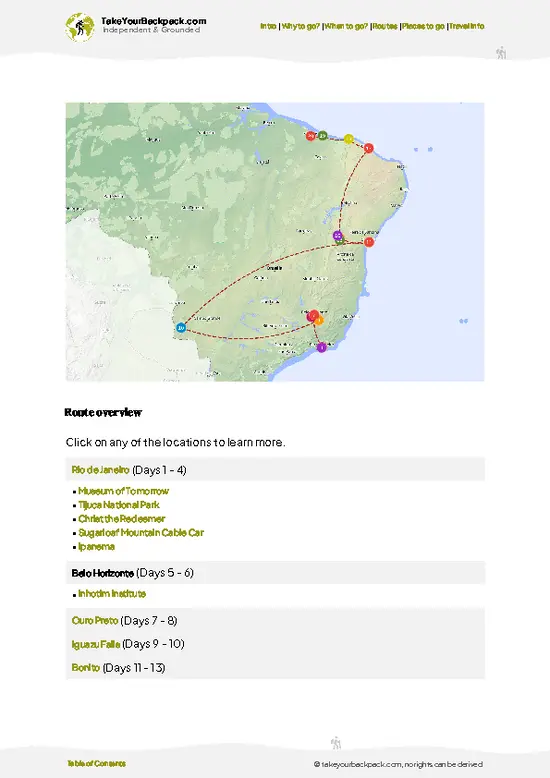
Cachoeira Casca D’Anta
The park’s calling card. This waterfall is the highest drop on the São Francisco River—about 186 meters of clean, roaring water that you can hear before you see. The trail to the base is straightforward, but the payoff is a thundering wall of water, a cool mist, and a swimming hole that’s as refreshing as it is photogenic. The upper viewpoint is a different experience: wind, wide-open vistas, and the sense that you’re standing at the edge of Brazil’s central plateau. If you only have time for one thing, make it this. (Personal favorite.)
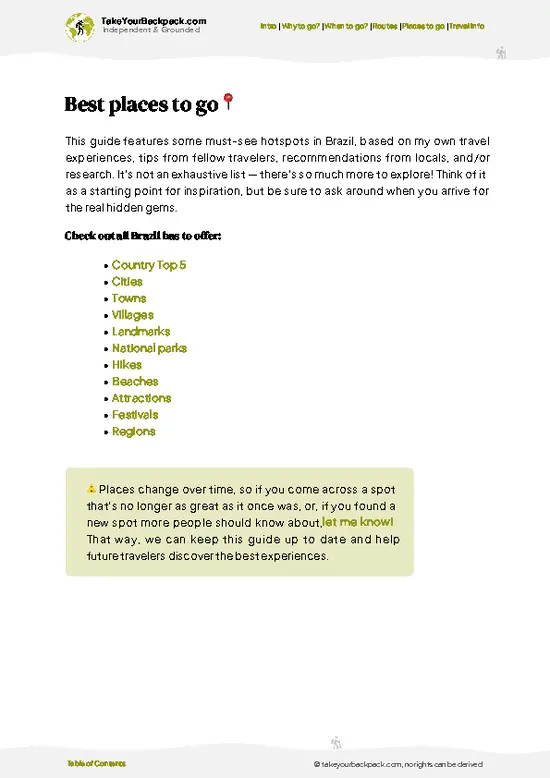
Chapadão da Canastra
This is the park’s high-altitude plateau, a vast grassland that feels more African savanna than South American jungle. The landscape is open, windswept, and dotted with rare plants—think giant bromeliads and orchids … read more 👉
Cachoeira Casca D’Anta
The park’s calling card. This waterfall is the highest drop on the São Francisco River—about 186 meters of clean, roaring water that you can hear before you see. The trail to the base is straightforward, but the payoff is a thundering wall of water, a cool mist, and a swimming hole that’s as refreshing as it is photogenic. The upper viewpoint is a different experience: wind, wide-open vistas, and the sense that you’re standing at the edge of Brazil’s central plateau. If you only have time for one thing, make it this. (Personal favorite.)
Chapadão da Canastra
This is the park’s high-altitude plateau, a vast grassland that feels more African savanna than South American jungle. The landscape is open, windswept, and dotted with rare plants—think giant bromeliads and orchids clinging to rocky outcrops. The views stretch for miles, and if you’re lucky, you’ll spot maned wolves or giant anteaters moving through the grass. The plateau is also the best place for sunrise and sunset—no crowds, just you and the sky.
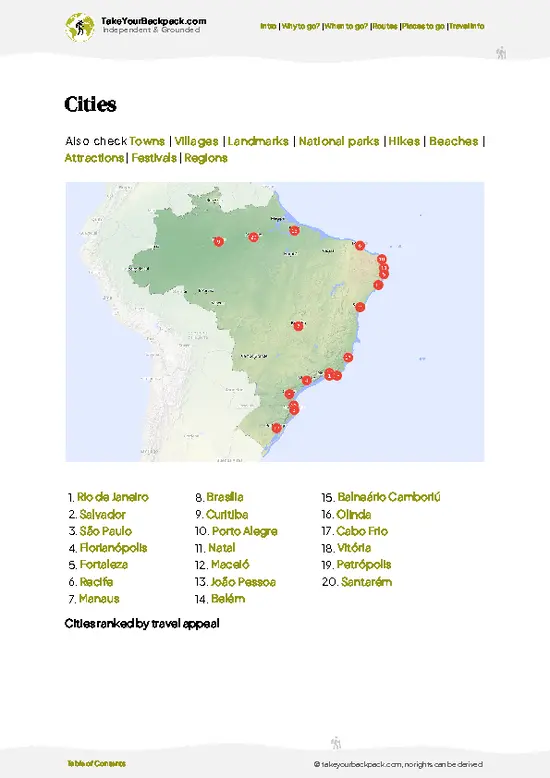
Curral de Pedras
A stone corral built by hand, centuries ago, by cattle herders. It’s a reminder that this park isn’t just about wild nature; it’s also a living landscape shaped by generations of rural families. The corral is simple, but the setting—surrounded by rolling hills and silent except for the wind—gives it a quiet dignity. Worth a stop if you want to understand the human side of Canastra.
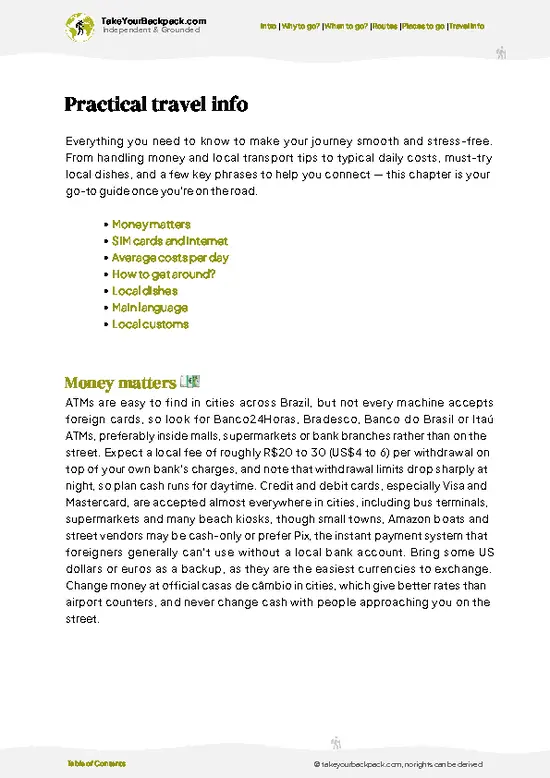
Nascente do Rio São Francisco
The official source of the São Francisco River is a modest spring, marked by a simple monument. It’s not dramatic, but it’s symbolic: this river is one of Brazil’s lifelines, and standing at its beginning is a lesson in humility. The area around the spring is peaceful, with short trails and a sense of history that’s hard to fake.
Fauna Watching (Maned Wolf, Giant Anteater, and More)
Canastra is one of the best places in Brazil to see the maned wolf—tall, red-furred, and almost foxlike. Early mornings and late afternoons are your best bet. Giant anteaters, armadillos, and even the rare pampas deer also roam the park. Bring binoculars and patience; the animals are shy, but the thrill of spotting one in the wild is worth the wait. This isn’t a zoo—expect long stretches of quiet, punctuated by real moments of awe.
Serra Branca Viewpoint
A less-visited overlook with a panoramic sweep of the park’s canyons and plateaus. The drive up is rough, but the reward is a view that puts the park’s scale in perspective. On clear days, you can see the patchwork of cerrado, rivers, and distant farms. It’s a good spot for a picnic or just to sit and let the landscape do the talking.
Spotted a mistake or missing something? Contact us.

 Best Backpacking
 Hi, I’m Johan (Netherlands 🇳🇱), the creator of TakeYourBackpack. Over the past 3 decades, I’ve backpacked through 90+ countries across six continents, gaining extensive experience with independent travel, long-term trips, and overland routes.