×

Brazil🇧🇷 | landmarksRuins of São Miguel das MissõesJesuit mission, UNESCO site, red stone ruins | things to do and best time to go

Explore Lapa doce cavernExplore Sítio Roberto Burle Marx

Backpacking in Ruins of São Miguel das Missões
UNESCO World Heritage site
🌟 Highlightunique site ranked #3
By Johan Kruseman 🇳🇱 | Updated September 4, 2026

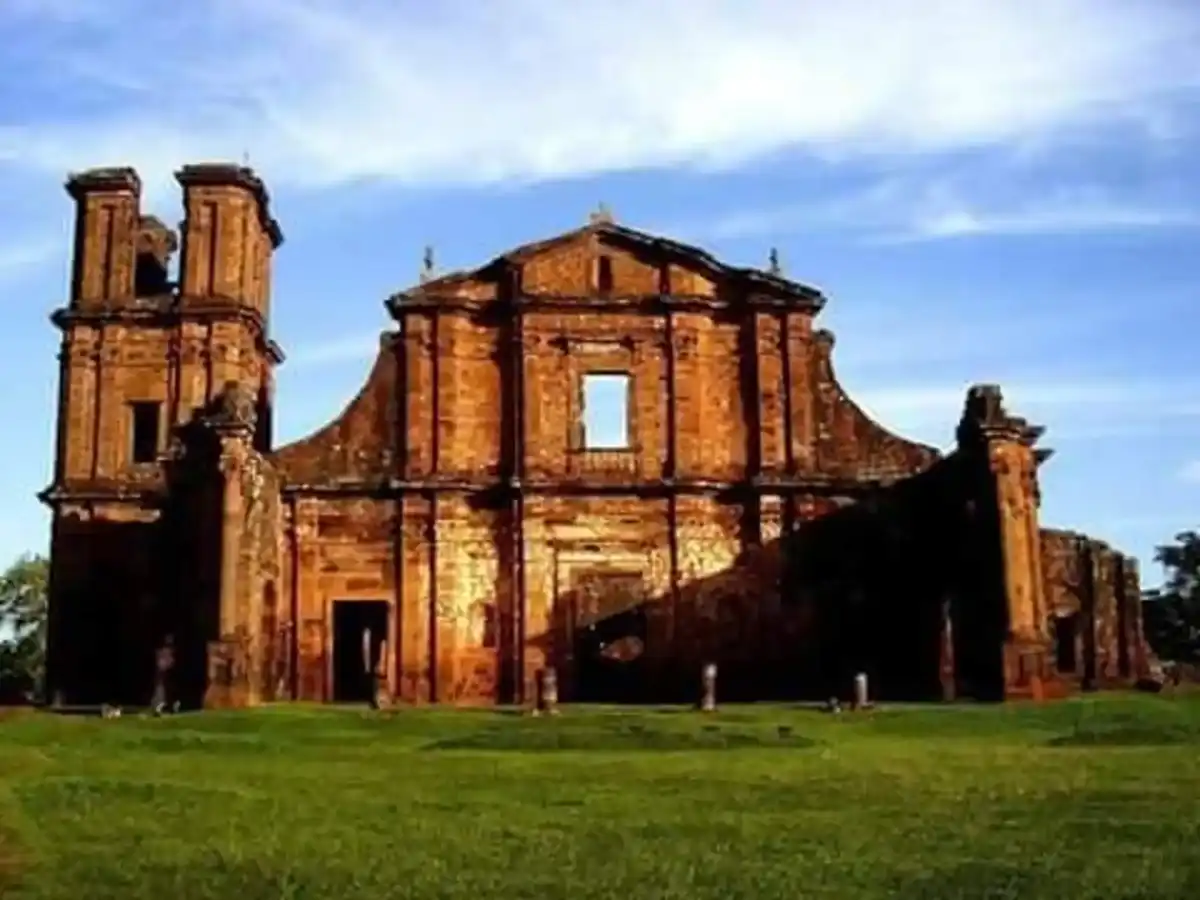
Your boots crunch on damp red earth while a swarm of swallows loops through a roofless nave, their calls echoing where choirs once did. The stone is still warm from the afternoon sun, and a faint smell of wet grass and old smoke hangs in the air as the lights of the sound-and-light show start to flicker on. This is São Miguel das Missões, in the northwest of Rio Grande do Sul, way down in southern Brazil. As a backpacker destination, it’s low-key brilliant: UNESCO-level Jesuit-Guarani ruins with real emotional weight, almost no selfie-stick chaos, and prices that feel merciful after Rio and Foz. The wow-factor is quiet, not explosive; it hits you slowly as you walk alone between broken walls. Downsides: it’s out of the way, buses are limited, nightlife is basically crickets, and you need some Portuguese to move smoothly. But if you care about history and mood more than hype, it’s a heavy-hitter.

Discover everything you want to know in the 📖 Brazil Travel Guide.


Get your Brazil guide
151 ranked highlights, routes & tips, works offline (504 pages)
Loading the map 🌍
CLICK TO FILTER
cities
towns
villages
landmarks
national parks
hikes
beaches
attractions
festivals
regions
SHOW COUNTRY’S BESTSHOW ALL

✨ Why go?
Ranked #3 unique site in Brazil
The unique appeal for travelers

The Ruins of São Miguel das Missões are a must-see for any backpacker in Brazil, and here’s why. First off, let’s get real: this isn’t a flashy Instagram spot. You won’t find throngs of tourists or overpriced selfies here. Instead, you’ll encounter stunning remnants of a 17th-century Jesuit mission, where history whispers through the stone walls.

The effort-to-reward ratio is solid. It’s a bit off the beaten path, but that’s part of the charm. Accessible via bus from Porto Alegre, the journey is cheap and straightforward. Once you arrive, the site is free to explore, making it a low-cost adventure that packs a punch.

What sets these ruins apart is their authenticity. You can almost feel the spirit of the Guarani people and the Jesuits who once walked these grounds. Plus, they fit perfectly … read more 👉
The Ruins of São Miguel das Missões are a must-see for any backpacker in Brazil, and here’s why. First off, let’s get real: this isn’t a flashy Instagram spot. You won’t find throngs of tourists or overpriced selfies here. Instead, you’ll encounter stunning remnants of a 17th-century Jesuit mission, where history whispers through the stone walls.

The effort-to-reward ratio is solid. It’s a bit off the beaten path, but that’s part of the charm. Accessible via bus from Porto Alegre, the journey is cheap and straightforward. Once you arrive, the site is free to explore, making it a low-cost adventure that packs a punch.

What sets these ruins apart is their authenticity. You can almost feel the spirit of the Guarani people and the Jesuits who once walked these grounds. Plus, they fit perfectly into a broader route through southern Brazil, allowing you to soak in the culture and landscapes without feeling rushed. This isn’t just a stop; it’s a life-changing experience waiting to happen.
Want to include Ruins of São Miguel das Missões in your Brazil route?
Create a personalized Brazil itinerary that includes Ruins of São Miguel das Missões and the places that fit your trip — based on your travel style, budget, and available time. Get your route in seconds.

Generate my trip

💡 HighlightsKey sights and experiences for travelers

  • Main church ruins (Igreja de São Miguel) — The massive stone walls, rows of columns and partial façade are instantly cinematic. You get the scale of a once-thriving Jesuit reduction here: European baroque models adapted with local materials and indigenous craftsmanship. (Personal favorite — it’s haunting at dusk.)
  • Plaza and mission layout — The open square and the grid of foundations still show how the reductions were planned: church, workshops, living quarters. It’s a rare, legible example of colonial urban planning that tells you how daily life was organized.
  • Surviving sculptures and carved ornaments — Look for the carved saints, angels and decorative pieces that blend European iconography and Guarani artistic touches. They’re small details, but they reveal the cultural fusion that made
read more 👉
  • Main church ruins (Igreja de São Miguel) — The massive stone walls, rows of columns and partial façade are instantly cinematic. You get the scale of a once-thriving Jesuit reduction here: European baroque models adapted with local materials and indigenous craftsmanship. (Personal favorite — it’s haunting at dusk.)
  • Plaza and mission layout — The open square and the grid of foundations still show how the reductions were planned: church, workshops, living quarters. It’s a rare, legible example of colonial urban planning that tells you how daily life was organized.
  • Surviving sculptures and carved ornaments — Look for the carved saints, angels and decorative pieces that blend European iconography and Guarani artistic touches. They’re small details, but they reveal the cultural fusion that made the missions unique.
  • On-site museum and displays — The museum collects recovered artifacts, explanatory panels and some original sculptures, which help make sense of what you’re seeing in the ruins. It’s short, informative, and worth a quick stop before or after walking the site.
  • Archaeology and conservation work — Ongoing preservation and visible excavation spots let you see how the site is studied and protected. If you like the “how we know this” part of history, the trenches and exposed foundations are fascinating.
  • Cultural events and community memory — The site still hosts occasional performances, guided reenactments and craft fairs that revive Guarani and mission-era traditions. Timing your visit for an event gives you a living context, not just stones.
  • Landscape and photo opportunities — The ruins sit in open countryside with big skies, great for wide-angle photos and quiet walks. Sunrise or sunset light makes the stone glow; bring a jacket — the wind chills quicker than you expect.
Spotted a mistake or missing something? Contact us.
🌤️ When to go?Weather, crowds, and seasonal trade-offs


  • Weather: The dry season from April to September is your best bet. Rain can turn the site’s dirt paths into mud traps, killing the vibe and your boots. Expect mostly clear skies and comfortable conditions for exploring.

  • Temperature: Daytime highs hover around 20-25°C (68-77°F) in the dry months, perfect for long walks without overheating. Nights can dip to 10°C (50°F), so pack a light jacket. The wet season heats up to 28-32°C (82-90°F), which can be sticky and exhausting.

  • Daylight Hours: From May to August, daylight shrinks to about 10-11 hours, meaning earlier sunsets but cooler evenings. Longer days in spring and early fall give you more time to soak in the ruins without rushing.

  • Crowds: Peak tourist flow hits in July and August, especially weekends. The site is popular with local
read more 👉

  • Weather: The dry season from April to September is your best bet. Rain can turn the site’s dirt paths into mud traps, killing the vibe and your boots. Expect mostly clear skies and comfortable conditions for exploring.

  • Temperature: Daytime highs hover around 20-25°C (68-77°F) in the dry months, perfect for long walks without overheating. Nights can dip to 10°C (50°F), so pack a light jacket. The wet season heats up to 28-32°C (82-90°F), which can be sticky and exhausting.

  • Daylight Hours: From May to August, daylight shrinks to about 10-11 hours, meaning earlier sunsets but cooler evenings. Longer days in spring and early fall give you more time to soak in the ruins without rushing.

  • Crowds: Peak tourist flow hits in July and August, especially weekends. The site is popular with local tourists, so expect some company. Visit midweek or shoulder months like April or September for a quieter, more reflective experience.

  • Seasonal Activities: The annual Festival of São Miguel in late July brings cultural performances and local crafts but also crowds and higher prices. If you want authenticity without the crush, skip the festival and explore on your own terms.

  • Price Fluctuations: Accommodation and transport costs spike during the festival and Brazilian winter holidays (July). Off-season months offer better deals but fewer services, so balance your budget with your comfort needs.


Pro-tip: Aim for late April or early September—cool, dry, fewer people, and prices that won’t make your wallet cringe. That’s when the ruins feel like they’re whispering their real stories, not just posing for your camera.


source: climatestotravel.comJANJanuary: fair for travelingFEBFebruary: fair for travelingMARMarch: good for travelingAPRApril: highly recommended for travelingMAYMay: highly recommended for travelingJUNJune: highly recommended for travelingJULJuly: good for travelingAUGAugust: good for travelingSEPSeptember: highly recommended for travelingOCTOctober: good for travelingNOVNovember: fair for travelingDECDecember: fair for traveling
brazil-unique-site-ruins-of-sao-miguel-das-missoes
© Google | Paulo Lourenção

✈️ The backpacker research shortcutBrazil Travel Guide

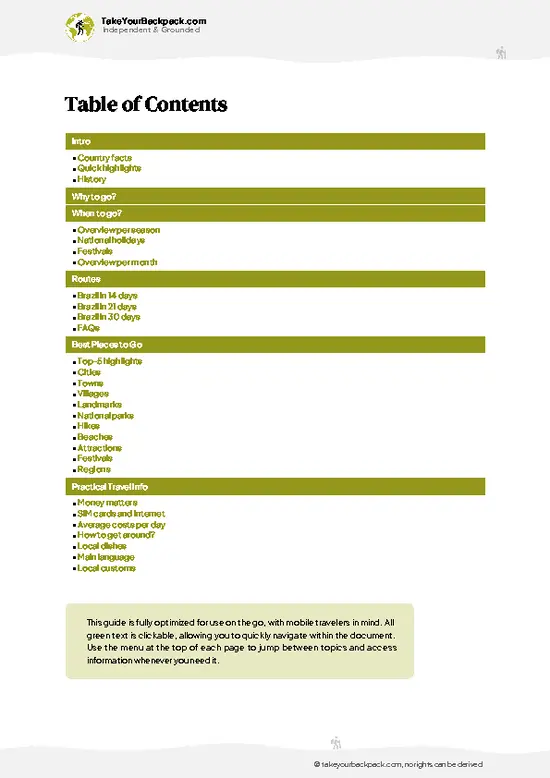
An offline-friendly backpacking guide with optimized travel routes, ranked highlights, transport advice, and the best areas to stay.
example page 0 from our offline Travel Guide for Brazil
example page 1 from our offline Travel Guide for Brazil
example page 2 from our offline Travel Guide for Brazil
example page 3 from our offline Travel Guide for Brazil
example page 4 from our offline Travel Guide for Brazil
example page 5 from our offline Travel Guide for Brazil
example page 6 from our offline Travel Guide for Brazil
example page 7 from our offline Travel Guide for Brazil
The digital guide (504 pages) contains:
151 highlights, ranked by travel appeal
Optimized 14, 21 & 30-day travel routes
Cities, national parks, landmarks, beaches
How to get around
Offline-friendly for travel without Wi-Fi
👉 Click to see all 30+ guide features

📅 Plan smarter in minutes, not weeks
Month by month travel advice
Festivals & national holidays
Budget expectations

🗺️ Go to the right places, skip the overrated ones
Honest pros & cons of destinations
Top hikes, parks & viewpoints
Lesser-known places most travelers miss
Clear “worth it vs skip it” guidance

🛏️ Travel smoothly without rookie mistakes
Best areas to stay
Transport systems explained simply
Common scams & safety advice
SIM cards, money & practical tips

🌍 Understand the country, not just visit it
Culture & traditions
52 Essential phrases & customs
Festivals worth planning around
Traveler-friendly historical context
Insights that make places more meaningful

📱 Built for real travel conditions
Fully downloadable PDF
Works completely offline
Optimized for phone use
Useful in remote areas & buses
Everything in one place
Save weeks of stressful planning
Get instant access to your full guide. 30‑day money-back guarantee.
+ Add another guide for just €6.50

By proceeding you agree to our terms.
Sent to your inbox immediately after payment • 100% Secure Checkout
Best Backpacking Travel Advisor 2025 tourism awardBest Backpacking
Travel Advisor
2025
What others say about Take Your Backpack Guides:
⭐⭐⭐⭐⭐
Fantastic, amazing amount of information!
⭐⭐⭐⭐⭐
My goodness this is amazing, it's what I've been looking for hats off too you!
⭐⭐⭐⭐⭐
I think this is absolutely BRILLIANT
⭐⭐⭐⭐
Very complete and informative. It's still missing places, but I gotta to commend you
⭐⭐⭐⭐⭐
This is truly amazing, thank you, can't wait to explore it with my kids!
⭐⭐⭐⭐⭐
Awesome resource, thank you!
⭐⭐⭐⭐⭐
This is amazing! Can't wait to explore the ones I haven't seen
⭐⭐⭐⭐
I love this! Well done, great idea.
⭐⭐⭐⭐⭐
Thanks for taking the time to make this gem!
⭐⭐⭐⭐⭐
This might be the best website I've ever seen.
⭐⭐⭐⭐⭐
Congratulations, and thank you so much for your work; it's incredibly valuable.
⭐⭐⭐⭐
In all seriousness I think you did a great job pointing out the important spots
⭐⭐⭐⭐⭐
10/10 very good
⭐⭐⭐⭐⭐
As someone who's only just starting to visit regularly this is awesome, thank you.
⭐⭐⭐⭐
Thank you very much! I'm going to visit my dad, it's going to be very useful!
⭐⭐⭐⭐⭐
This is really cool! We'll be travelling for the first time and this definitely come in handy.
⭐⭐⭐⭐⭐
You are now our minister of culture, congratulations 👨‍💼
⭐⭐⭐⭐⭐
Just wanted to tell you that this is a pearl! Going to follow your recommendations.
⭐⭐⭐⭐⭐
This is so cool. I'll definitely be using the resource for my travels soon.
⭐⭐⭐⭐⭐
This is very impressive! Good work.
⭐⭐⭐⭐⭐
This is an amazing and informative site. Very well done!

🛏️ Where to stay?Best areas and accommodation options

When you’re heading to the Ruins of São Miguel das Missões, skip the tourist traps and focus on the local vibe. The town itself is small but packed with character. Look for accommodations near the main square; it’s where the action is. You’ll find a mix of budget-friendly guesthouses and hostels that cater to backpackers.

Staying close to the square means you’re just a short walk from the ruins. Plus, you’ll be surrounded by local eateries serving up hearty meals at prices that won’t break the bank. The atmosphere is friendly, making it easy to meet fellow travelers.

If you’re feeling adventurous, … read more 👉
When you’re heading to the Ruins of São Miguel das Missões, skip the tourist traps and focus on the local vibe. The town itself is small but packed with character. Look for accommodations near the main square; it’s where the action is. You’ll find a mix of budget-friendly guesthouses and hostels that cater to backpackers.

Staying close to the square means you’re just a short walk from the ruins. Plus, you’ll be surrounded by local eateries serving up hearty meals at prices that won’t break the bank. The atmosphere is friendly, making it easy to meet fellow travelers.

If you’re feeling adventurous, consider venturing a bit further to nearby villages. They offer a more authentic experience, with fewer crowds and a chance to connect with locals. Just be mindful of transportation options; some places might require a bit of planning.

Ultimately, the key is to embrace the simplicity of the area. The real magic lies in the stories shared over a meal or the quiet moments spent at the ruins, away from the Instagram hype.

👛 Costs (as of 4 September 2026)What things cost and how to budget

Visiting the Ruins of São Miguel das Missões is a journey into Brazil’s rich Jesuit history, but it comes with its own set of costs.
  • Entrance Fee: Expect to pay around $5 to $10 USD. This fee grants you access to the site, where you can explore the impressive stone structures and learn about their historical significance. It’s a small price for a peek into the past.
  • Transportation: Getting there can vary widely. If you’re driving, gas will run you about $1.20 USD per liter. If you opt for public transport, a bus from Porto Alegre to São Miguel can cost around $20 to $30 USD. Factor in the time, as it’s a few hours from major cities.
  • Accommodation: Options are limited but affordable. A basic hotel or guesthouse will set you back about $30 to $60 USD per night. For a more immersive experience,
read more 👉
Visiting the Ruins of São Miguel das Missões is a journey into Brazil’s rich Jesuit history, but it comes with its own set of costs.
  • Entrance Fee: Expect to pay around $5 to $10 USD. This fee grants you access to the site, where you can explore the impressive stone structures and learn about their historical significance. It’s a small price for a peek into the past.
  • Transportation: Getting there can vary widely. If you’re driving, gas will run you about $1.20 USD per liter. If you opt for public transport, a bus from Porto Alegre to São Miguel can cost around $20 to $30 USD. Factor in the time, as it’s a few hours from major cities.
  • Accommodation: Options are limited but affordable. A basic hotel or guesthouse will set you back about $30 to $60 USD per night. For a more immersive experience, consider staying in a nearby town to soak in local culture.
  • Food: Dining can be quite reasonable. Street food or local eateries will cost you around $5 to $15 USD per meal. If you’re feeling fancy, a sit-down restaurant might charge $20 to $30 USD for a full meal. Don’t skip the local specialties!
  • Guided Tours: If you want deeper insights, guided tours are available. Prices range from $15 to $50 USD, depending on the length and depth of the tour. A knowledgeable guide can enhance your experience significantly.

Prepare for crowds, especially during peak tourist seasons. The magic lies in the stories these ruins tell, not just the Instagram shots.
⚠️ Prices can change and everyone travels differently, so take this as a rough guide. Hope it helps you plan your adventure!

FAQCommon questions from travelers

Ruins of São Miguel das Missões is a UNESCO World Heritage site featuring the remains of a 17th-century Jesuit mission in southern Brazil. It is one of the best-preserved examples of Jesuit reductions in South America, showcasing stone church ruins and historical artifacts.
You need about 2 to 3 hours to visit the Ruins of São Miguel das Missões thoroughly. This allows time to explore the main church ruins, the museum on-site, and the surrounding grounds.
To get to Ruins of São Miguel das Missões, travel to the town of São Miguel das Missões in Rio Grande do Sul state, Brazil. The site is about 470 km from Porto Alegre, accessible by car or bus, with the nearest major city being Santo Ângelo, 60 km away.
⚠️ Things can change over time, so always validate details locally before you go.

Other Brazilian landmarks near Ruins of São Miguel das Missões

Explore more nearby:


💡 Not sure where to go next?
Create a personalized itinerary for Brazil including Ruins of São Miguel das Missões and the places that fit your trip.

Generate my itinerary

👉 Discover all landmarks

Or checkout all Brazil has to offer (think cities, towns, villages, national parks, hikes, beaches, festivals)
Country photo of Brazil

We 💚 feedbackSumming up the experience

The Ruins of São Miguel das Missões are a breathtaking reminder of history, with intricate stonework that tells stories of resilience and faith. You’ll feel the weight of the past in every step. But let’s be real: the crowds can be overwhelming, especially during peak season, and the entrance fee isn’t pocket change. Still, if you can navigate the chaos, the spiritual vibe and stunning architecture make it worth the trip.

✈️ When did I visit Brazil?
Call it good timing or luck, but I was able to celebrate Carnaval in Rio de Janeiro in February 2022, after a round trip in the north and east coast.

✍️ Help improve this page!
The information on this page is based on my own backpacking experience in Brazil, supplemented with up-to-date research and feedback from other travelers. Travel details can change, so if you notice anything outdated or incomplete, feel free to let me know.


🙋‍♂️ Give feedback

👋 Meet the founderWho’s Behind Take Your Backpack?

Johan, backpacker and founder of TakeYourBackpackHi, I’m Johan (Netherlands 🇳🇱), the creator of TakeYourBackpack. Over the past decade, I’ve backpacked through 80+ countries across six continents, gaining extensive experience with independent travel, long-term trips, and overland routes.

This site is built on a combination of firsthand travel experience and carefully curated insights from other backpackers. Many guides are based on places I’ve personally visited, while others bring together tips, observations, and practical advice shared by trusted travelers I’ve met along the way.

The goal is to provide realistic, experience-driven guidance — not generic itineraries — so you can explore destinations with better context, clearer expectations, and more confidence.

Get full Brazil guide •
Instant download • 151 highlights • Full Offline guide