×

Brazil🇧🇷 | best landmarksTop-Rated 8 landmarks in Brazil

Brazil is a land of contrasts, where unique sites range from the lush Amazon rainforest to the vibrant streets of Salvador. What defines these unique sites is their cultural, historical, and natural significance. Each region offers distinct experiences that can dramatically affect your backpacking journey.

In the south, you’ll find the stunning Iguazu Falls, a natural wonder that draws crowds but also offers quieter trails for those willing to explore. Head north, and the colonial architecture of Ouro Preto tells stories of Brazil’s gold rush era, providing a rich backdrop for cultural immersion. The scale of these sites varies; some, like Christ the Redeemer, are iconic but can feel overwhelming with tourists, while others, like the remote beaches of Jericoacoara, offer a more intimate vibe.

Timing is crucial. The seasonal nuances can dictate accessibility and costs. For instance, visiting during the dry season can enhance your experience in the Pantanal, where wildlife spotting is at its peak. Choosing the right unique site impacts not just your budget but also your safety and ease of travel. Prioritize experiences that resonate with your interests, and you’ll find that Brazil’s unique sites are more than just destinations; they’re gateways to understanding the soul of this diverse country.

By Johan Kruseman 🇳🇱 | Updated June 11, 2026
Explore the best national parks in Brazil

Why go?Key Factors That Shape the Experience

Unique sites in Brazil stand out not just for their beauty, but for their cultural, historical, and natural significance. Brazil’s rich tapestry of indigenous cultures, colonial history, and diverse ecosystems creates a landscape unlike any other. The country is a melting pot of influences, where African, European, and indigenous traditions converge, shaping everything from music to cuisine. This cultural fusion is palpable in its unique sites, which serve as living museums of Brazil’s past and present.

However, exploring these sites requires a keen understanding of the trade-offs involved. Accessibility can be a major hurdle. Many of Brazil’s most significant locations are tucked away in remote areas, demanding time and effort to reach. This can mean long travel times that cut into the actual … read more 👉
Unique sites in Brazil stand out not just for their beauty, but for their cultural, historical, and natural significance. Brazil’s rich tapestry of indigenous cultures, colonial history, and diverse ecosystems creates a landscape unlike any other. The country is a melting pot of influences, where African, European, and indigenous traditions converge, shaping everything from music to cuisine. This cultural fusion is palpable in its unique sites, which serve as living museums of Brazil’s past and present.

However, exploring these sites requires a keen understanding of the trade-offs involved. Accessibility can be a major hurdle. Many of Brazil’s most significant locations are tucked away in remote areas, demanding time and effort to reach. This can mean long travel times that cut into the actual experience. Yet, this very challenge often leads to deeper exploration and a more immersive understanding of the local culture. The journey becomes part of the adventure, revealing landscapes and communities that are often overlooked by the casual traveler.

Timing is another critical factor. Brazil’s peak visitor periods can lead to overcrowded sites, diluting the experience. For instance, visiting during Carnival or school holidays may offer vibrant local celebrations but can also mean long lines and a rushed atmosphere. Conversely, off-peak travel can provide a more intimate experience, allowing for genuine interactions with locals and a chance to absorb the site’s essence without the distraction of crowds.

Geographically, Brazil’s vastness presents both opportunities and challenges. The country is home to the Amazon rainforest, the Pantanal wetlands, and stunning coastlines, each offering unique ecosystems and wildlife. However, the sheer size of Brazil means that travelers must often make tough choices about where to invest their time. A focus on one region may lead to missing out on others, but it also allows for a deeper dive into the local culture and environment.

Climatically, Brazil’s diverse weather patterns can affect accessibility and comfort. The Amazon, for example, is best visited during the dry season, while coastal areas can be sweltering in the summer. Understanding these nuances is essential for planning a trip that maximizes enjoyment and minimizes discomfort.

In summary, Brazil’s unique sites matter because they encapsulate the country’s rich history and diverse cultures. However, travelers must navigate the complexities of accessibility, timing, and geography to truly appreciate what these sites have to offer. Embracing these trade-offs can lead to a more rewarding experience, allowing for a genuine connection to Brazil’s vibrant soul.
Why These Made the Cut
The list of best unique sites in Brazil is created based on history or culture, wow factor, atmosphere, quirks, and memorability. If you feel a unique site is missing in this list, please let us know.

When to go?Seasonal Guide to Visiting

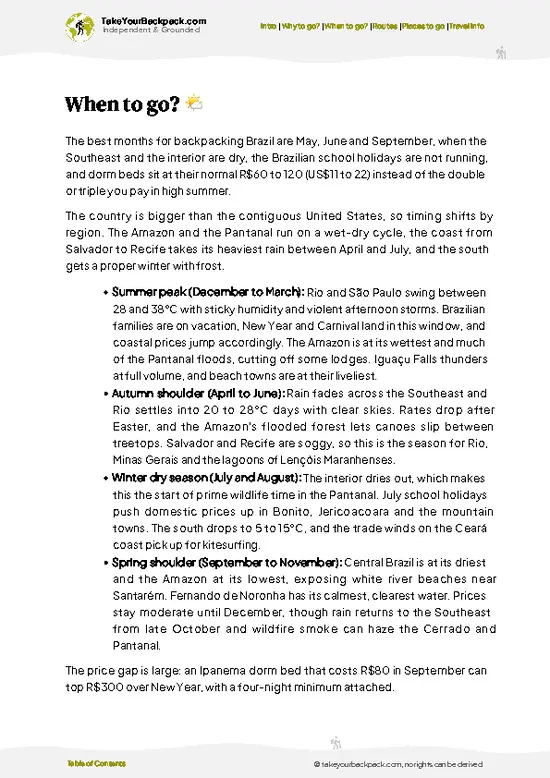
Seasonality plays a crucial role in experiencing Brazil’s unique sites. The country’s vast geography means that weather can vary significantly from one region to another. Generally, the dry season, which runs from May to September, is ideal for visiting many sites. This period offers pleasant temperatures and lower humidity, making outdoor exploration more enjoyable.

However, the wet season, typically from December to March, can bring heavy rains, particularly in the Amazon and coastal areas. While this might deter some travelers, it also transforms the landscape. Waterfalls swell, and the lush greenery is at its peak. For those who appreciate nature’s vibrancy, this can be a rewarding time to visit, but be prepared for potential access issues due to flooding or muddy trails.

Optimal monthsread more 👉
Seasonality plays a crucial role in experiencing Brazil’s unique sites. The country’s vast geography means that weather can vary significantly from one region to another. Generally, the dry season, which runs from May to September, is ideal for visiting many sites. This period offers pleasant temperatures and lower humidity, making outdoor exploration more enjoyable.

However, the wet season, typically from December to March, can bring heavy rains, particularly in the Amazon and coastal areas. While this might deter some travelers, it also transforms the landscape. Waterfalls swell, and the lush greenery is at its peak. For those who appreciate nature’s vibrancy, this can be a rewarding time to visit, but be prepared for potential access issues due to flooding or muddy trails.

Optimal months for travel often align with the dry season. June to August sees a surge in domestic tourism, especially around school holidays. This means popular sites can become crowded, and prices for accommodations may spike. If avoiding crowds is a priority, consider the shoulder months of May and September. These months offer a sweet spot: decent weather, fewer tourists, and often lower prices.

Trade-offs exist in every season. The wet season may deter some, but it also brings unique cultural events, such as Carnival, which can be a vibrant experience. However, be aware that during peak events, accommodations can be booked solid, and prices can soar.

Access to certain sites can be limited during the rainy season. Some remote areas may become inaccessible, and tours might be canceled due to safety concerns. Conversely, the dry season often enhances accessibility, but it can also lead to increased demand for tours and activities.

Seasonal constraints should be a key consideration. If planning to visit during peak tourist times, expect longer wait times and higher costs. Conversely, traveling during the off-peak months can provide a more intimate experience but may come with unpredictable weather.

Understanding these patterns allows for better planning. Prioritize what matters most—whether it’s avoiding crowds, experiencing local culture, or enjoying the natural beauty. Each season offers its own set of advantages and challenges, and being aware of them can help preserve energy and budget for the moments that truly matter.

unique site hoppingTips for Visiting Multiple Destinations

Brazil’s vastness demands a smart approach to site-hopping. Clustering unique sites regionally is the key to maximizing your experience while minimizing travel fatigue. Start in the north with the Amazon rainforest, where the biodiversity is staggering. Allocate at least three days here to soak in the jungle’s essence. Then, head south to the cultural heart of Salvador, where Afro-Brazilian heritage pulses through the streets. A two-day stay allows for exploration of its historic center and vibrant markets.

Next, make your way to Rio de Janeiro. This city is a must-see, but don’t rush. Three days is ideal to enjoy the beaches, hike to Christ the Redeemer, and savor the nightlife. From Rio, you can easily access the stunning landscapes of the Serra dos Órgãos National Park, which deserves read more 👉
Brazil’s vastness demands a smart approach to site-hopping. Clustering unique sites regionally is the key to maximizing your experience while minimizing travel fatigue. Start in the north with the Amazon rainforest, where the biodiversity is staggering. Allocate at least three days here to soak in the jungle’s essence. Then, head south to the cultural heart of Salvador, where Afro-Brazilian heritage pulses through the streets. A two-day stay allows for exploration of its historic center and vibrant markets.

Next, make your way to Rio de Janeiro. This city is a must-see, but don’t rush. Three days is ideal to enjoy the beaches, hike to Christ the Redeemer, and savor the nightlife. From Rio, you can easily access the stunning landscapes of the Serra dos Órgãos National Park, which deserves a day trip. This regional grouping not only saves time but also enriches your understanding of Brazil’s diverse culture and geography.

Travelers often underestimate the distances between regions. Brazil is not just a country; it’s a continent. When planning, consider the direction of travel. Moving from north to south or vice versa is generally more efficient than zigzagging. Domestic flights are common, but they can eat into your budget. Weigh the cost of flying against the time saved. Sometimes, a long bus ride can be more economical and offer a glimpse of the countryside.

Common pitfalls include trying to see too much in too little time. Each unique site deserves attention. Rushing through them diminishes the experience. Prioritize depth over speed. If a site captivates you, allow for spontaneity. Flexibility in your itinerary can lead to unexpected adventures.

Trade-offs are inevitable. Comfort often comes at a price. Budget travelers might opt for hostels or public transport, but this can lead to longer travel times. Conversely, splurging on a guided tour can enhance your experience but may limit your freedom. Strike a balance that suits your travel style.

Ultimately, strategic planning is your best ally. Map out your must-see sites, but leave room for the unexpected. Brazil’s charm lies in its unpredictability. Embrace it, and you’ll find that the journey is just as rewarding as the destination.

The ListMust-Visit landmarks in Brazil

1 Iguazu Falls

waterfall system, subtropical forest, border crossing

Walk trails and catwalks to witness hundreds of cascades thundering through lush forest, with wildlife and mist enveloping both Brazil and Argentina.

Argentina&Brazil - the Iguazu Falls

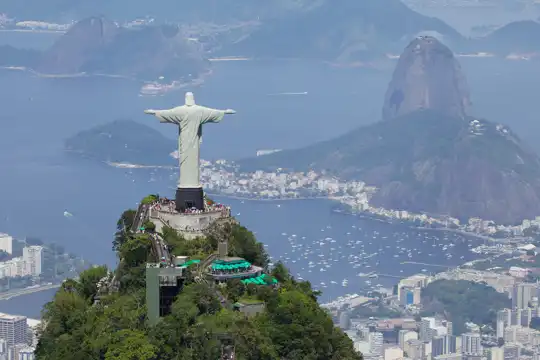
2 Christ the Redeemer Statue

mountaintop monument, panoramic views, Art Deco icon

Ascend to the summit of Corcovado for a close look at the iconic statue and sweeping cityscapes stretching from rainforest to Atlantic coast.

Brazil - Christ the Redeemer Statue

3 Sítio Roberto Burle Marx

botanical collection, modernist landscape, artist’s estate

Stroll through living gardens designed by Burle Marx, where rare plants and bold design reveal the legacy of Brazil’s pioneering landscape architect.

brazil-unique-site-sitio-roberto-burle-marx
© Google | Plínio Eng.

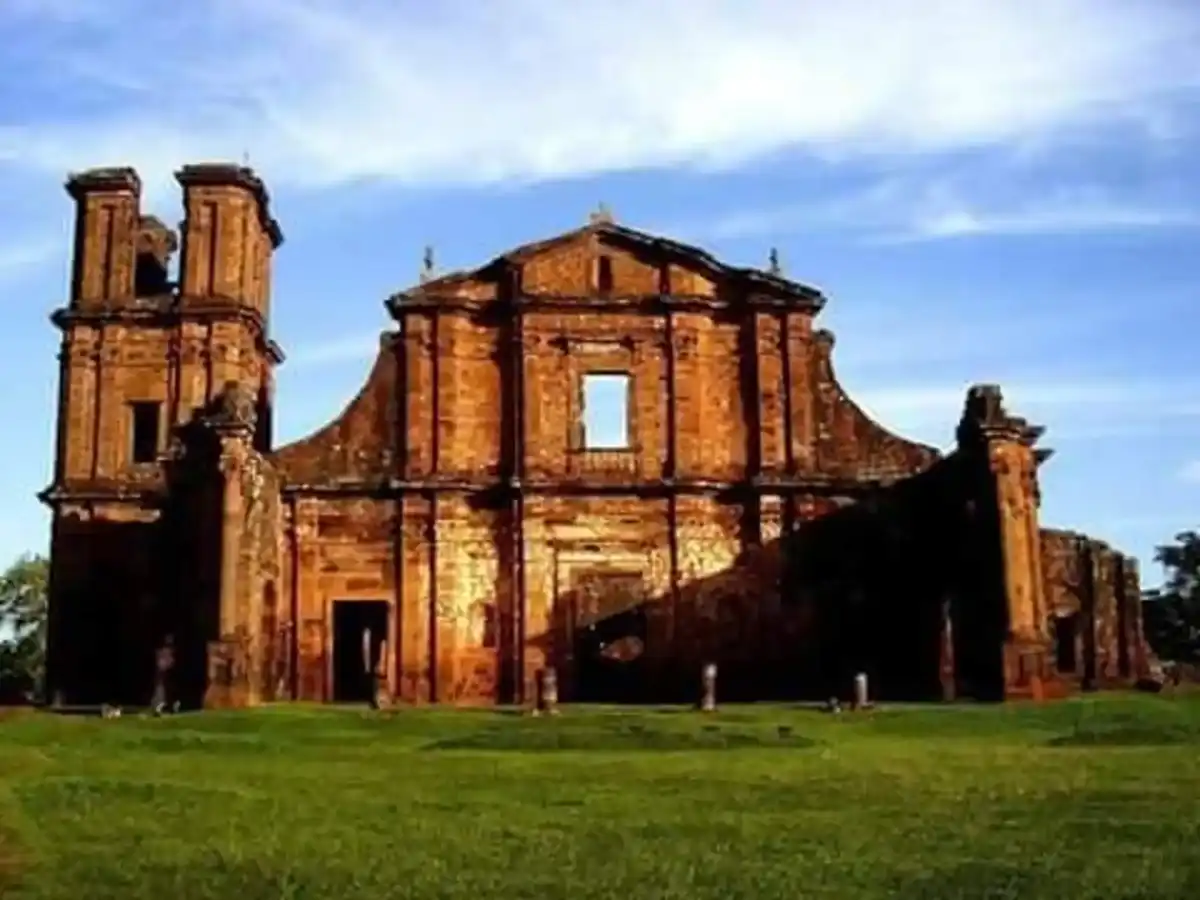
4 Ruins of São Miguel das Missões

Jesuit mission, UNESCO site, red stone ruins

Walk among the remnants of a 17th-century mission, where weathered stone and open skies evoke the layered history of Brazil’s southern plains.

brazil-unique-site-ruins-of-sao-miguel-das-missoes
© Google | Paulo Lourenção

5 Convento da Penha

hilltop convent, colonial architecture, pilgrimage site

Climb to a centuries-old sanctuary perched above Vitória, where religious art and ocean vistas reward those who make the ascent.

6 Lapa doce cavern

limestone cave, underground chambers, speleology

Venture underground to explore vast halls and delicate formations, guided by lantern light through one of Brazil’s most accessible cave systems.

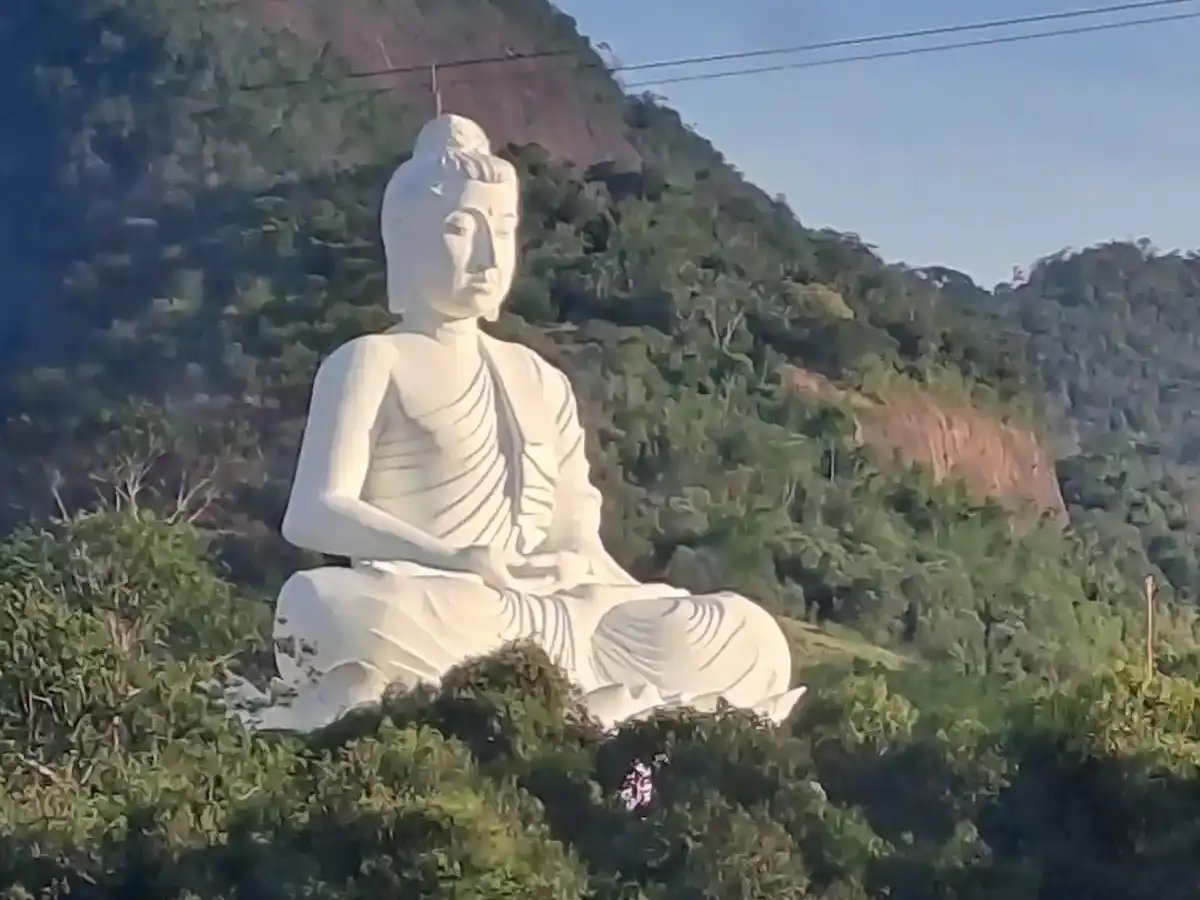
7 Buda de Ibiraçu

hilltop statue, meditation gardens, Buddhist temple

Stand before South America's largest Buddha, then wander peaceful gardens and temple grounds that invite quiet reflection in rural Espírito Santo.

brazil-unique-site-buda-de-ibiracu
© Google | Tatiana Monteiro

8 Caminho dos Antiquários

antique shops, vintage finds, historic street

Browse a dense corridor of antique stores where collectors and curious travelers sift through relics, furniture, and rare objects from Brazil’s past.

Loading the map 🌍

Expert viewExpert Commentary on landmarks

Significance
Brazil is a vast canvas of unique sites, each telling a story that reflects the country’s rich tapestry of culture, history, and natural beauty. From the Amazon rainforest to the coastal cities, the diversity is staggering. However, the sheer number of options can be overwhelming. Prioritize sites that resonate with your interests, whether that’s indigenous culture, colonial history, or breathtaking landscapes. Aim for three to five unique sites that truly capture Brazil’s essence. This approach allows you to dive deep rather than skim the surface, ensuring you absorb the local vibe and avoid the fatigue that comes with constant travel.

Access Constraints
Getting around Brazil can be a challenge. The country is enormous, and distances between unique sites can be deceptive. … read more 👉
Significance
Brazil is a vast canvas of unique sites, each telling a story that reflects the country’s rich tapestry of culture, history, and natural beauty. From the Amazon rainforest to the coastal cities, the diversity is staggering. However, the sheer number of options can be overwhelming. Prioritize sites that resonate with your interests, whether that’s indigenous culture, colonial history, or breathtaking landscapes. Aim for three to five unique sites that truly capture Brazil’s essence. This approach allows you to dive deep rather than skim the surface, ensuring you absorb the local vibe and avoid the fatigue that comes with constant travel.

Access Constraints
Getting around Brazil can be a challenge. The country is enormous, and distances between unique sites can be deceptive. Domestic flights are often necessary, but they can be pricey and time-consuming. Consider the logistics of each site’s location. Some areas are remote and require additional travel time, while others are more accessible. For instance, visiting the Amazon might involve a multi-day commitment, while coastal sites can be reached more easily. Factor in travel time when planning your itinerary. It’s not just about the number of sites; it’s about how much time you’re willing to invest in getting there.

Crowd Patterns
Timing is everything in Brazil. Certain sites attract throngs of tourists, especially during peak seasons like Carnival or summer holidays. If you want to experience the true essence of a place, visit during the shoulder seasons. This not only helps you avoid the crowds but also allows for a more authentic interaction with locals. For example, if you’re drawn to a particular festival or event, plan your visit around it, but be prepared for increased prices and limited accommodations. Conversely, if you prefer solitude, aim for off-peak times, but be aware that some attractions may have reduced hours or limited services.

Combining Sites
When planning your route, think about how sites can complement each other. For instance, if you’re visiting a coastal area, consider pairing it with a nearby national park or cultural site. This not only maximizes your experience but also minimizes travel time. However, don’t overextend yourself. It’s tempting to cram in as many sites as possible, but this can lead to burnout. A well-planned combination of two to three sites in close proximity allows for a richer experience without the stress of constant movement.

Time, Budget, and Effort
Expect to invest a fair amount of time and money into your Brazilian adventure. Unique sites often come with entrance fees, guided tours, and transportation costs that can add up quickly. Allocate a flexible budget that allows for unexpected expenses, such as local guides or last-minute excursions. The effort required can vary significantly; some sites may demand physical endurance, while others are more leisurely. Be honest with yourself about your comfort level and energy. If you’re not up for a strenuous hike, don’t force it. Choose experiences that align with your interests and capabilities.

Regional Variation
Brazil’s regions are distinct, each offering unique cultural experiences and logistical challenges. The Amazon is a world unto itself, requiring careful planning for safety and accessibility. The South has a European influence, with charming towns and a different pace of life. The Northeast boasts stunning beaches but can be more challenging to navigate due to limited infrastructure. Understand these regional differences and plan accordingly. Research local customs and safety tips, especially in areas with higher crime rates. This knowledge will not only keep you safe but also enrich your interactions with locals.

Safety & Cultural Considerations
Safety should always be a priority. While many areas are welcoming, some regions have higher crime rates. Stay informed about local conditions and heed travel advisories. Engaging with local culture is crucial; learn a few phrases in Portuguese, respect local customs, and be mindful of your surroundings. This not only enhances your experience but also fosters goodwill with the communities you visit. Remember, you’re a guest in someone else’s home. Approach interactions with curiosity and respect, and you’ll find that locals are often eager to share their stories and insights.

Anecdotal Insights
I once found myself in a small village during a local festival, completely off the beaten path. The energy was electric, and the locals welcomed me with open arms. This experience was far more enriching than visiting a crowded tourist site. It reminded me that the heart of Brazil lies not just in its famous landmarks but in the everyday lives of its people. Seek out these moments; they often come from taking the road less traveled.

In summary, Brazil is a land of unique sites that require thoughtful planning and an open mind. By focusing on a few significant locations, understanding access constraints, and being aware of crowd patterns, you can create a travel experience that is both enriching and manageable. Prioritize safety and cultural engagement, and you’ll find that the true essence of Brazil is waiting just beyond the tourist traps.

✈️ The backpacker research shortcutBrazil Travel Guide

An offline-friendly backpacking guide with optimized travel routes, ranked highlights, transport advice, and the best areas to stay.
example page 0 from our offline Travel Guide for Brazil
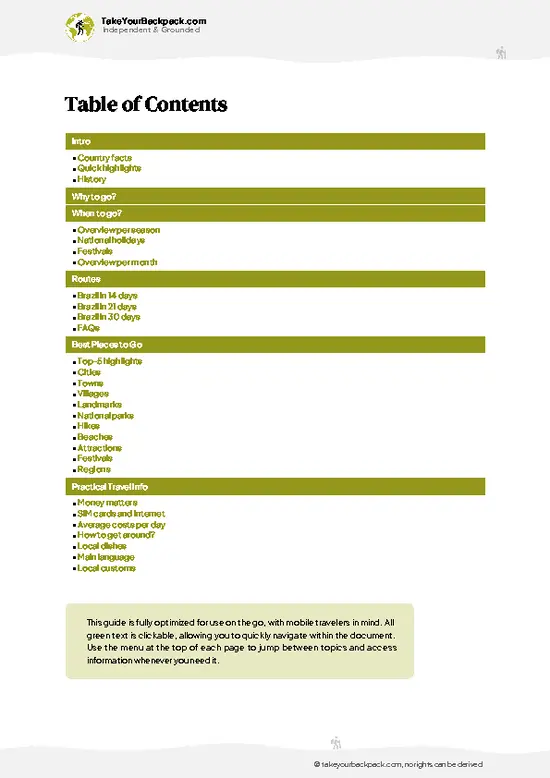
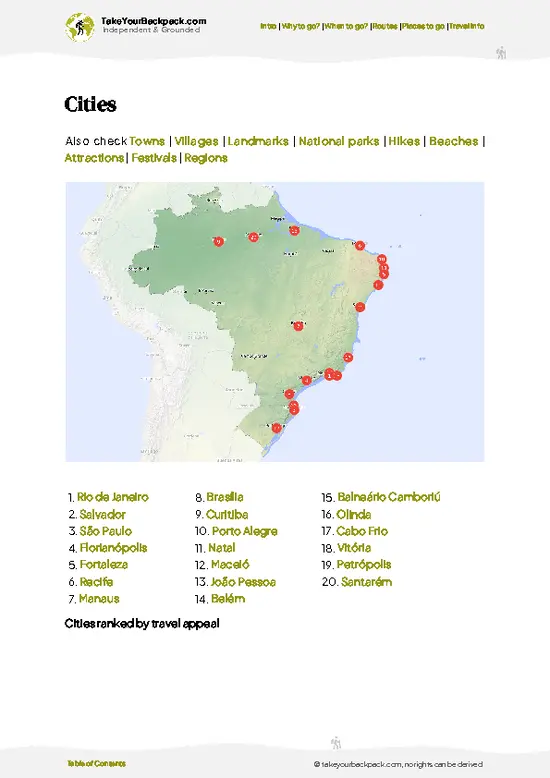
example page 1 from our offline Travel Guide for Brazil
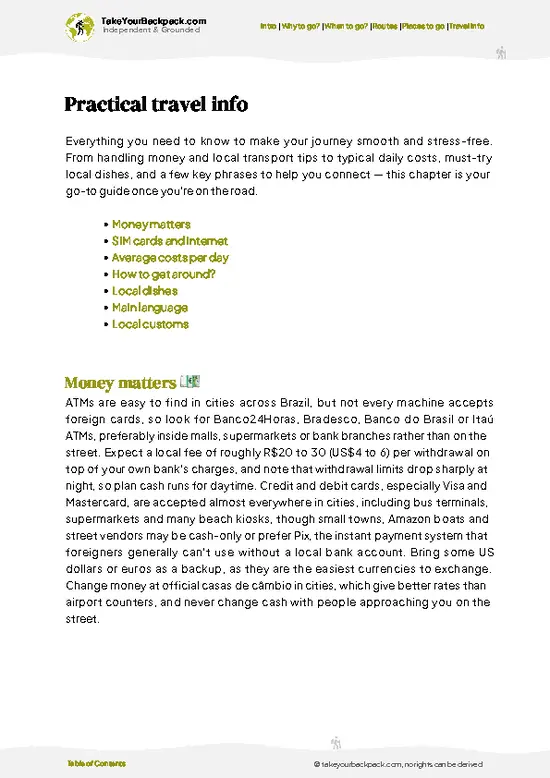
example page 2 from our offline Travel Guide for Brazil
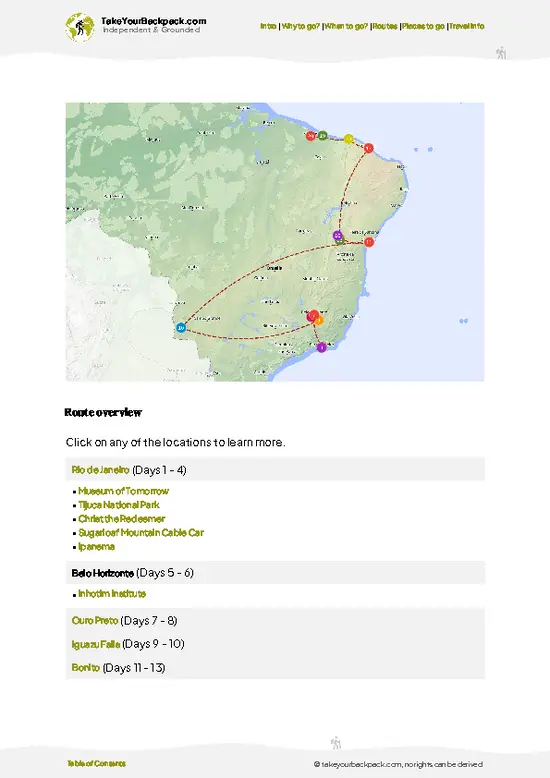
example page 3 from our offline Travel Guide for Brazil
example page 4 from our offline Travel Guide for Brazil
example page 5 from our offline Travel Guide for Brazil
example page 6 from our offline Travel Guide for Brazil
example page 7 from our offline Travel Guide for Brazil
The digital guide (515 pages) contains:
152 highlights, ranked by travel appeal
Optimized 14, 21 & 30-day travel routes
Cities, national parks, landmarks, beaches
How to get around
Offline-friendly for travel without Wi-Fi
👉 Click to see all 30+ guide features

📅 Plan smarter in minutes, not weeks
Month by month travel advice
Festivals & national holidays
Budget expectations

🗺️ Go to the right places, skip the overrated ones
Honest pros & cons of destinations
Top hikes, parks & viewpoints
Lesser-known places most travelers miss
Clear “worth it vs skip it” guidance

🛏️ Travel smoothly without rookie mistakes
Best areas to stay
Transport systems explained simply
Common scams & safety advice
SIM cards, money & practical tips

🌍 Understand the country, not just visit it
Culture & traditions
52 Essential phrases & customs
Festivals worth planning around
Traveler-friendly historical context
Insights that make places more meaningful

📱 Built for real travel conditions
Fully downloadable PDF
Works completely offline
Optimized for phone use
Useful in remote areas & buses
Everything in one place
Save weeks of stressful planning
Get instant access to your full guide. 30‑day money-back guarantee.


By proceeding you agree to our terms.
Sent to your inbox immediately after payment • 100% Secure Checkout
Best Backpacking Travel Advisor 2025 tourism awardBest Backpacking
Travel Advisor
2025
What others say about Take Your Backpack Guides:
⭐⭐⭐⭐⭐
Fantastic, amazing amount of information!
⭐⭐⭐⭐⭐
My goodness this is amazing, it's what I've been looking for hats off too you!
⭐⭐⭐⭐⭐
I think this is absolutely BRILLIANT
⭐⭐⭐⭐
Very complete and informative. It's still missing places, but I gotta to commend you
⭐⭐⭐⭐⭐
This is truly amazing, thank you, can't wait to explore it with my kids!
⭐⭐⭐⭐⭐
Awesome resource, thank you!
⭐⭐⭐⭐⭐
This is amazing! Can't wait to explore the ones I haven't seen
⭐⭐⭐⭐
I love this! Well done, great idea.
⭐⭐⭐⭐⭐
Thanks for taking the time to make this gem!
⭐⭐⭐⭐⭐
This might be the best website I've ever seen.
⭐⭐⭐⭐⭐
Congratulations, and thank you so much for your work; it's incredibly valuable.
⭐⭐⭐⭐
In all seriousness I think you did a great job pointing out the important spots
⭐⭐⭐⭐⭐
10/10 very good
⭐⭐⭐⭐⭐
As someone who's only just starting to visit regularly this is awesome, thank you.
⭐⭐⭐⭐
Thank you very much! I'm going to visit my dad, it's going to be very useful!
⭐⭐⭐⭐⭐
This is really cool! We'll be travelling for the first time and this definitely come in handy.
⭐⭐⭐⭐⭐
You are now our minister of culture, congratulations 👨‍💼
⭐⭐⭐⭐⭐
Just wanted to tell you that this is a pearl! Going to follow your recommendations.
⭐⭐⭐⭐⭐
This is so cool. I'll definitely be using the resource for my travels soon.
⭐⭐⭐⭐⭐
This is very impressive! Good work.
⭐⭐⭐⭐⭐
This is an amazing and informative site. Very well done!

🛏️ Where to stay?Best Stay Options in Brazil

Yes — hostels and budget accommodation are widespread across Brazil, concentrated in tourist neighborhoods of major cities and popular beach towns, so backpackers will find options nearly everywhere.
Big-city hubs with the most choices include Copacabana and Ipanema in Rio (direct beach access and tourist policing but crowded and pricier), Santa Teresa (charismatic, close to sights, steep streets and pickpocket risk) and Lapa (best nightlife, loud and riskier at night); in São Paulo, Centro is very cheap and central but gritty after dark while Vila Madalena offers safer nightlife at slightly higher rates; coastal towns concentrate budget stays around Pelourinho and Barra in Salvador, Lagoa read more 👉
Yes — hostels and budget accommodation are widespread across Brazil, concentrated in tourist neighborhoods of major cities and popular beach towns, so backpackers will find options nearly everywhere.
Big-city hubs with the most choices include Copacabana and Ipanema in Rio (direct beach access and tourist policing but crowded and pricier), Santa Teresa (charismatic, close to sights, steep streets and pickpocket risk) and Lapa (best nightlife, loud and riskier at night); in São Paulo, Centro is very cheap and central but gritty after dark while Vila Madalena offers safer nightlife at slightly higher rates; coastal towns concentrate budget stays around Pelourinho and Barra in Salvador, Lagoa da Conceição and central areas in Florianópolis, and beach districts in Recife and Fortaleza, each trading proximity to beaches and nightlife for variable safety and higher peak-season prices.
Expect dorms and shared bathrooms, seasonal price spikes during Carnaval and summer, limited English outside core tourist zones, use lockers, keep valuables out of sight, avoid isolated streets at night, and book ahead for high season or festival dates.

If you enjoy meeting fellow travelers, consider choosing hostels with high ratings for atmosphere. On the other hand, if you prefer having your own space, a hotel might be a better option.

BrazilWhere to Go Next

👋 Meet the founderWho’s Behind Take Your Backpack?

Johan, backpacker and founder of TakeYourBackpackHi, I’m Johan (Netherlands 🇳🇱), the creator of TakeYourBackpack. Over the past decade, I’ve backpacked through 80+ countries across six continents, gaining extensive experience with independent travel, long-term trips, and overland routes.

This site is built on a combination of firsthand travel experience and carefully curated insights from other backpackers. Many guides are based on places I’ve personally visited, while others bring together tips, observations, and practical advice shared by trusted travelers I’ve met along the way.

The goal is to provide realistic, experience-driven guidance — not generic itineraries — so you can explore destinations with better context, clearer expectations, and more confidence.

Get full Brazil guide •
Instant download • 152 highlights • Full Offline guide