×

Brazil🇧🇷 | citiesSalvadorAfro-Brazilian culture, colonial plazas, coastal forts | things to do and best time to go

Explore Rio de JaneiroExplore Sao Paulo

Backpacking in Salvador
UNESCO World Heritage site
🏆 Top pickcity ranked #2
By Johan Kruseman 🇳🇱 | Updated June 8, 2026

Most people online sell Salvador as “beaches and capoeira,” but the real backpacker twist is this: it’s one of the few big Brazilian cities where you can have intense street culture, deep history, and legit nightlife without São Paulo–level prices or Rio–level chaos. Salvador sits on Brazil’s northeast coast, in the state of Bahia, facing the Bay of All Saints and the Atlantic.

For backpackers, it’s a high-reward, medium-friction city. Pelourinho’s colonial streets, the Elevador Lacerda, and the bay views feel big-league, and the Afro-Brazilian food and music scenes are worth crossing the country for. It’s cheaper than Rio and Recife for what you get, but safety is real math here: you trade low prices for the need to stay sharp, especially at night and on buses. Meeting other travelers is easy around Pelourinho and Barra hostels, though moving around can be slow. Overall vibe: loud, layered, a bit rough, but seriously alive.

Discover everything you want to know in the 📖 Brazil Travel Guide.


Get your Brazil guide
152 ranked highlights, routes & tips, works offline (515 pages)
Loading the map 🌍
CLICK TO FILTER
cities
towns
villages
landmarks
national parks
hikes
beaches
attractions
festivals
regions
SHOW COUNTRY’S BESTSHOW ALL

✨ Why go?
Ranked #2 city in Brazil
What sets this place apart

Salvador is a backpacker’s playground that offers a unique blend of culture, affordability, and convenience. The city is packed with highlights that cater to various interests, making it a solid base for exploration. You’ll find hostels that are not just budget-friendly but also vibrant, fostering a sense of community among travelers. The food scene is a feast for the senses, with local dishes that won’t break the bank, allowing you to indulge without guilt.

Walkability is a major plus; you can easily navigate the historic streets, soaking in the local vibe while getting your steps in. When the sun sets, Salvador transforms into a nightlife hub, offering everything from laid-back bars to lively music venues, ensuring your evenings are just as engaging as your days.

As for day trips, Salvador … read more 👉
Salvador is a backpacker’s playground that offers a unique blend of culture, affordability, and convenience. The city is packed with highlights that cater to various interests, making it a solid base for exploration. You’ll find hostels that are not just budget-friendly but also vibrant, fostering a sense of community among travelers. The food scene is a feast for the senses, with local dishes that won’t break the bank, allowing you to indulge without guilt.

Walkability is a major plus; you can easily navigate the historic streets, soaking in the local vibe while getting your steps in. When the sun sets, Salvador transforms into a nightlife hub, offering everything from laid-back bars to lively music venues, ensuring your evenings are just as engaging as your days.

As for day trips, Salvador serves as an excellent launchpad to nearby attractions, making it easy to explore the surrounding beauty without the hassle of constant packing and unpacking. Whether you’re looking for a long stay or a quick stop, Salvador fits seamlessly into your backpacking route, offering a rich experience that’s hard to resist.
Want to include Salvador in your Brazil route?
Create a personalized Brazil itinerary that includes Salvador and the places that fit your trip — based on your travel style, budget, and available time. Get your route in seconds.

Generate my trip

💡 HighlightsWhat this place is best known for

  • Pelourinho (Centro Histórico) — The painted colonial heart of Salvador: cobbled streets, brightly colored houses, street musicians and capoeira rodas. It’s where you feel the city’s Afro-Brazilian culture up close and where most historic museums, bars and spontaneous performances cluster.
  • Igreja e Convento de São Francisco — A Baroque showpiece tucked inside Pelourinho, famous for its gilded woodwork and tile panels. Even if you’re not into churches, the craftsmanship and sheer excess are worth seeing in person.
  • Elevador Lacerda — The art-deco lift that links Cidade Alta to Comércio; short ride, great views over the bay. It’s practical, iconic, and a quick photo stop that also lands you near the waterfront market.
  • Mercado Modelo — A vast crafts and souvenir market beneath the Lacerda,
read more 👉
  • Pelourinho (Centro Histórico) — The painted colonial heart of Salvador: cobbled streets, brightly colored houses, street musicians and capoeira rodas. It’s where you feel the city’s Afro-Brazilian culture up close and where most historic museums, bars and spontaneous performances cluster.
  • Igreja e Convento de São Francisco — A Baroque showpiece tucked inside Pelourinho, famous for its gilded woodwork and tile panels. Even if you’re not into churches, the craftsmanship and sheer excess are worth seeing in person.
  • Elevador Lacerda — The art-deco lift that links Cidade Alta to Comércio; short ride, great views over the bay. It’s practical, iconic, and a quick photo stop that also lands you near the waterfront market.
  • Mercado Modelo — A vast crafts and souvenir market beneath the Lacerda, plus small restaurants serving bahian staples like acarajé and moqueca. Good place to test your haggling skills and pick up authentic handicrafts.
  • Forte de Santo Antônio da Barra and Farol da Barra — Historic coastal fort with a working lighthouse and a small nautical museum. Incredible sunset vantage point and a chilled place to watch locals and tourists mix on the rocks.
  • Porto da Barra Beach — One of Salvador’s best urban beaches: calm, shallow water perfect for swimming and people-watching. Bring sunscreen and expect a lively local vibe, especially late afternoon.
  • Solar do Unhão / Museu de Arte Moderna da Bahia (MAM) — A 17th-century waterfront complex turned modern art museum with rotating exhibitions and a café overlooking the bay. It’s a quieter cultural stop with great light for photos.
  • Casa do Rio Vermelho (Jorge Amado) — The writer Jorge Amado and Zélia Gattai’s preserved home-turned-museum in the bohemian Rio Vermelho neighborhood. Real artifacts, handwritten notes and a sense of the everyday life behind famous Bahian literature.
  • Feira de São Joaquim (Mercado Municipal) — A sprawling, chaotic market where locals buy fish, spices, fruits and everything in between. It’s raw, sensory and one of the best places to see Salvador’s food culture in action—go with an open nose and stomach.
  • Igreja Nosso Senhor do Bonfim — Famous pilgrimage church where visitors tie fitas (ribbons) on the fence and take part in devotional traditions. The church and its surroundings give a real sense of syncretic faith and local ritual life.
A few excellent day trips outside the city: Praia do Forte (Projeto Tamar sea-turtle center), the islands in Baía de Todos os Santos like Ilha dos Frades, and the colonial town of Cachoeira in the Recôncavo; Praia do Forte is my personal favorite.
Spotted a mistake or missing something? Contact us.

Things to do in Salvador

Ratings based on Tripadvisor reviews. When you book through this link, you support our work at no extra cost to you.

🏘️ NeighborhoodsUnderstanding the local layout

Salvador is a vibrant city where history and culture collide, making it a playground for backpackers. Here’s how to navigate its neighborhoods for the best experience.

Pelourinho: This is the heart of Salvador, bursting with colonial architecture and lively street performances. It’s walkable, packed with restaurants and bars, but can be touristy and pricier. Perfect for short stays if you want to soak in the culture quickly. Nightlife here is vibrant, but it quiets down by midnight.

Barra: Known for its stunning beaches and relaxed vibe, Barra is ideal for those who want a mix of sun and city life. It’s more affordable than Pelourinho, with a good selection of hostels. The area is walkable, and the nightlife is laid-back, making it suitable for longer stays if you enjoy beach days and casual … read more 👉
Salvador is a vibrant city where history and culture collide, making it a playground for backpackers. Here’s how to navigate its neighborhoods for the best experience.

Pelourinho: This is the heart of Salvador, bursting with colonial architecture and lively street performances. It’s walkable, packed with restaurants and bars, but can be touristy and pricier. Perfect for short stays if you want to soak in the culture quickly. Nightlife here is vibrant, but it quiets down by midnight.

Barra: Known for its stunning beaches and relaxed vibe, Barra is ideal for those who want a mix of sun and city life. It’s more affordable than Pelourinho, with a good selection of hostels. The area is walkable, and the nightlife is laid-back, making it suitable for longer stays if you enjoy beach days and casual evenings.

Rio Vermelho: This neighborhood is a hub for artists and locals, offering a more authentic Salvador experience. It’s slightly off the tourist path, which means lower prices and a vibrant local scene. The nightlife is lively, with bars and music venues, making it great for social backpackers. Walkability is decent, but public transport is handy for longer distances.

Itapuã: A quieter area known for its beautiful beaches and relaxed atmosphere. It’s less touristy, making it a good choice for those seeking peace. Costs are lower, but amenities are fewer. Ideal for longer stays if you want to unwind, though you’ll need to rely on transport for city access.

⌛️ 1 day1-day itinerary for Salvador

Salvador, Brazil, is a vibrant blend of Afro-Brazilian culture, colonial architecture, and a lively coastal atmosphere. The city pulses with music, art, and a rich history that invites exploration. Spend a day here, and you’ll uncover layers of experiences that go beyond the typical tourist path.

Start your morning in the Pelourinho district, the heart of Salvador’s historic center. Stroll through its cobblestone streets, where pastel-colored buildings stand as a testament to the city’s colonial past. Grab a breakfast of *pão de queijo* and fresh juice at a local café. The aroma of coffee mingling with the sounds of street musicians sets the perfect tone for your day. Don’t miss the Igreja de São Francisco, with its stunning baroque interior that feels like stepping into a golden dream.

read more 👉
Salvador, Brazil, is a vibrant blend of Afro-Brazilian culture, colonial architecture, and a lively coastal atmosphere. The city pulses with music, art, and a rich history that invites exploration. Spend a day here, and you’ll uncover layers of experiences that go beyond the typical tourist path.

Start your morning in the Pelourinho district, the heart of Salvador’s historic center. Stroll through its cobblestone streets, where pastel-colored buildings stand as a testament to the city’s colonial past. Grab a breakfast of *pão de queijo* and fresh juice at a local café. The aroma of coffee mingling with the sounds of street musicians sets the perfect tone for your day. Don’t miss the Igreja de São Francisco, with its stunning baroque interior that feels like stepping into a golden dream.

As the sun climbs higher, head to the Mercado Modelo. This bustling market is a feast for the senses, filled with local crafts and delicious snacks. Try some *acarajé*, a deep-fried ball of black-eyed pea dough filled with shrimp and spices. It’s a local favorite that’s often overlooked by tourists. Afterward, take a short walk to the Elevador Lacerda for a panoramic view of the harbor. The ride itself is a thrill, connecting the upper and lower city.

In the afternoon, make your way to the neighborhood of Rio Vermelho. This area is known for its bohemian vibe and is less frequented by tourists. Visit the Casa de Jorge Amado, a museum dedicated to one of Brazil’s most beloved authors. The surrounding streets are dotted with art galleries and small shops, perfect for a leisurely exploration.

As evening approaches, head to the beach at Porto da Barra. It’s a popular spot for locals to unwind, and the sunset here is breathtaking. Grab a caipirinha from a beachside vendor and soak in the vibrant atmosphere. For dinner, seek out a local restaurant serving *moqueca*, a traditional fish stew that embodies the flavors of Bahia.

Your day in Salvador will be a tapestry of sights, sounds, and tastes, each moment a piece of the city’s soul. Embrace the rhythm, and you’ll leave with memories that linger long after you’ve returned home.
Turn your Salvador visit into an Brazil adventure
Build a complete Brazil route with Salvador, hidden gems, must-see destinations, and realistic travel times included.

Generate my trip

🌤️ When to go?Best time to visit Salvador


  • Weather: Salvador’s tropical climate means it’s warm year-round, but the rainy season from April to July can dampen plans with heavy showers. For mostly dry days, aim for August to March.

  • Temperature: Expect highs around 28-31°C (82-88°F) in the dry season, perfect for beach time and city strolls. The rainy months cool slightly to 25-27°C (77-81°F), but humidity spikes, making it feel muggy.

  • Daylight Hours: Daylight is fairly consistent, roughly 11 to 12 hours daily. This steady rhythm means you won’t lose precious exploring time to early sunsets, regardless of when you visit.

  • Crowds: Peak tourist season aligns with Brazil’s summer holidays (December to February) and the Carnival period, flooding Salvador with visitors. If you want to dodge the crush, travel just before or after these
read more 👉

  • Weather: Salvador’s tropical climate means it’s warm year-round, but the rainy season from April to July can dampen plans with heavy showers. For mostly dry days, aim for August to March.

  • Temperature: Expect highs around 28-31°C (82-88°F) in the dry season, perfect for beach time and city strolls. The rainy months cool slightly to 25-27°C (77-81°F), but humidity spikes, making it feel muggy.

  • Daylight Hours: Daylight is fairly consistent, roughly 11 to 12 hours daily. This steady rhythm means you won’t lose precious exploring time to early sunsets, regardless of when you visit.

  • Crowds: Peak tourist season aligns with Brazil’s summer holidays (December to February) and the Carnival period, flooding Salvador with visitors. If you want to dodge the crush, travel just before or after these spikes.

  • Seasonal Activities: Carnival in February or March is a spectacle worth timing your trip for, but it’s a trade-off with crowds and prices. Outside Carnival, local festivals and Afro-Brazilian cultural events pepper the calendar, especially in the dry months.

  • Price Fluctuations: Accommodation and flights surge during Carnival and summer holidays. Booking outside these windows means better deals and more room to negotiate, especially from April to July when fewer tourists arrive.


Pro-tip: Visit Salvador in late August or September for a sweet spot—dry weather, manageable crowds, and wallet-friendly prices. You’ll get the city’s vibe without the chaos or the rain.


source: climatestotravel.comJANJanuary: highly recommended for travelingFEBFebruary: good for travelingMARMarch: good for travelingAPRApril: fair for travelingMAYMay: fair for travelingJUNJune: fair for travelingJULJuly: fair for travelingAUGAugust: excellent for travelingSEPSeptember: excellent for travelingOCTOctober: highly recommended for travelingNOVNovember: highly recommended for travelingDECDecember: highly recommended for traveling
brazil-city-salvador
© Google | Sheila Almeida

✈️ The backpacker research shortcutBrazil Travel Guide

An offline-friendly backpacking guide with optimized travel routes, ranked highlights, transport advice, and the best areas to stay.
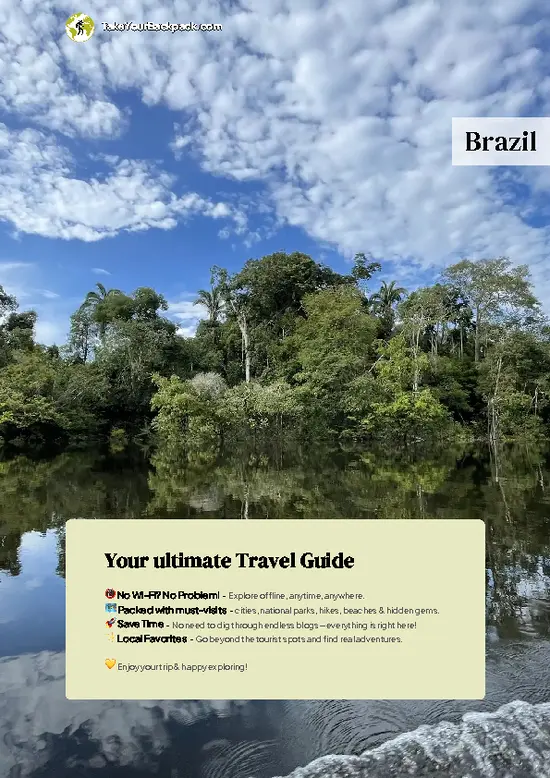
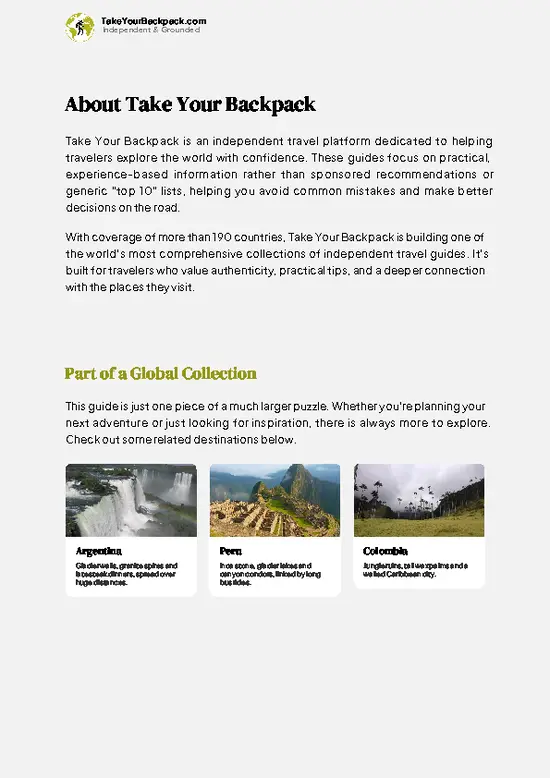
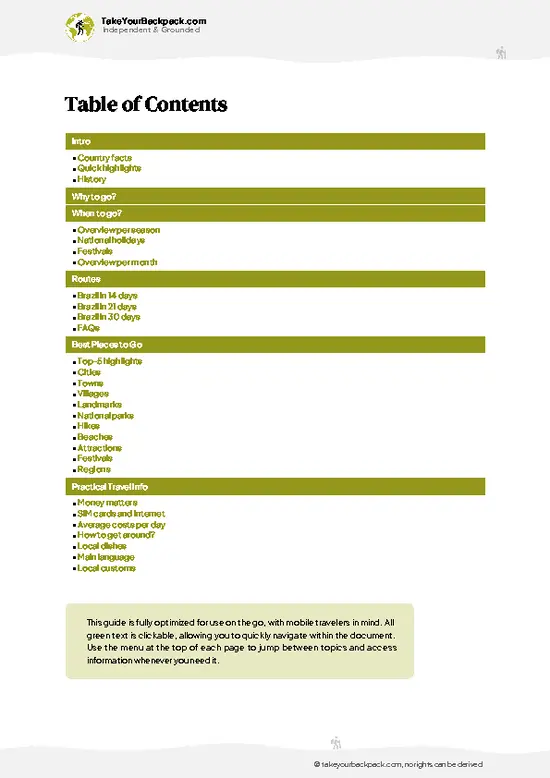
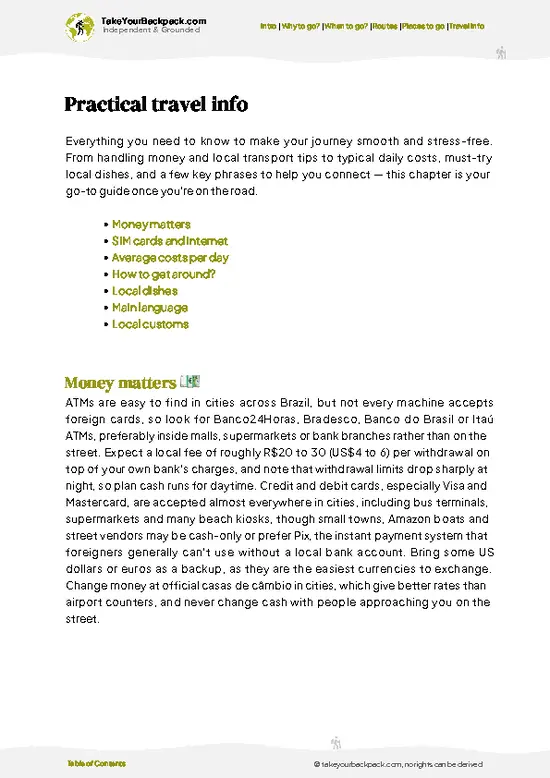
example page 0 from our offline Travel Guide for Brazil
example page 1 from our offline Travel Guide for Brazil
example page 2 from our offline Travel Guide for Brazil
example page 3 from our offline Travel Guide for Brazil
example page 4 from our offline Travel Guide for Brazil
example page 5 from our offline Travel Guide for Brazil
example page 6 from our offline Travel Guide for Brazil
example page 7 from our offline Travel Guide for Brazil
The digital guide (515 pages) contains:
152 highlights, ranked by travel appeal
Optimized 14, 21 & 30-day travel routes
Cities, national parks, landmarks, beaches
How to get around
Offline-friendly for travel without Wi-Fi
👉 Click to see all 30+ guide features

📅 Plan smarter in minutes, not weeks
Month by month travel advice
Festivals & national holidays
Budget expectations

🗺️ Go to the right places, skip the overrated ones
Honest pros & cons of destinations
Top hikes, parks & viewpoints
Lesser-known places most travelers miss
Clear “worth it vs skip it” guidance

🛏️ Travel smoothly without rookie mistakes
Best areas to stay
Transport systems explained simply
Common scams & safety advice
SIM cards, money & practical tips

🌍 Understand the country, not just visit it
Culture & traditions
52 Essential phrases & customs
Festivals worth planning around
Traveler-friendly historical context
Insights that make places more meaningful

📱 Built for real travel conditions
Fully downloadable PDF
Works completely offline
Optimized for phone use
Useful in remote areas & buses
Everything in one place
Save weeks of stressful planning
Get instant access to your full guide. 30‑day money-back guarantee.


By proceeding you agree to our terms.
Sent to your inbox immediately after payment • 100% Secure Checkout
Best Backpacking Travel Advisor 2025 tourism awardBest Backpacking
Travel Advisor
2025
What others say about Take Your Backpack Guides:
⭐⭐⭐⭐⭐
Fantastic, amazing amount of information!
⭐⭐⭐⭐⭐
My goodness this is amazing, it's what I've been looking for hats off too you!
⭐⭐⭐⭐⭐
I think this is absolutely BRILLIANT
⭐⭐⭐⭐
Very complete and informative. It's still missing places, but I gotta to commend you
⭐⭐⭐⭐⭐
This is truly amazing, thank you, can't wait to explore it with my kids!
⭐⭐⭐⭐⭐
Awesome resource, thank you!
⭐⭐⭐⭐⭐
This is amazing! Can't wait to explore the ones I haven't seen
⭐⭐⭐⭐
I love this! Well done, great idea.
⭐⭐⭐⭐⭐
Thanks for taking the time to make this gem!
⭐⭐⭐⭐⭐
This might be the best website I've ever seen.
⭐⭐⭐⭐⭐
Congratulations, and thank you so much for your work; it's incredibly valuable.
⭐⭐⭐⭐
In all seriousness I think you did a great job pointing out the important spots
⭐⭐⭐⭐⭐
10/10 very good
⭐⭐⭐⭐⭐
As someone who's only just starting to visit regularly this is awesome, thank you.
⭐⭐⭐⭐
Thank you very much! I'm going to visit my dad, it's going to be very useful!
⭐⭐⭐⭐⭐
This is really cool! We'll be travelling for the first time and this definitely come in handy.
⭐⭐⭐⭐⭐
You are now our minister of culture, congratulations 👨‍💼
⭐⭐⭐⭐⭐
Just wanted to tell you that this is a pearl! Going to follow your recommendations.
⭐⭐⭐⭐⭐
This is so cool. I'll definitely be using the resource for my travels soon.
⭐⭐⭐⭐⭐
This is very impressive! Good work.
⭐⭐⭐⭐⭐
This is an amazing and informative site. Very well done!

🛏️ Where to stay?Where staying makes the most sense

Salvador’s backpacker sweet spot is the Pelourinho district, hands down. It’s the historic heart, where colonial architecture meets a buzzing street life that’s both safe and social after dark. You’ll find plenty of hostels packed into this area, making it a natural hub for solo travelers and budget adventurers. The vibe here is a mix of cultural immersion and party energy—think live Afro-Brazilian music spilling out from bars, street vendors selling acarajé, and a steady flow of fellow backpackers swapping tips over caipirinhas.

Compared to other parts of Salvador, Pelourinho offers a clear … read more 👉
Salvador’s backpacker sweet spot is the Pelourinho district, hands down. It’s the historic heart, where colonial architecture meets a buzzing street life that’s both safe and social after dark. You’ll find plenty of hostels packed into this area, making it a natural hub for solo travelers and budget adventurers. The vibe here is a mix of cultural immersion and party energy—think live Afro-Brazilian music spilling out from bars, street vendors selling acarajé, and a steady flow of fellow backpackers swapping tips over caipirinhas.

Compared to other parts of Salvador, Pelourinho offers a clear trade-off: you sacrifice some modern comfort and quiet for unbeatable atmosphere and connection. It’s not the place for a silent night, but that’s part of the charm. If you want something a bit more laid-back but still budget-friendly, Rio Vermelho is your next best bet. It’s a bit more residential and less touristy, with a local nightlife scene that’s lively but less chaotic. Hostels here are fewer but tend to attract travelers who want a balance of socializing and chill.

Avoid the far-flung suburbs unless you have a car or a lot of time to kill. They’re cheaper but come with longer commutes and less of the social buzz that makes Salvador’s backpacker scene click. So, if you want to maximize your time and social energy, Pelourinho is your playground, with Rio Vermelho as a quieter alternative that still keeps you in the mix.

🚌 Getting aroundHow to get from A to B

Salvador moves to a rhythm that’s part samba, part street market hustle—never quite on the clock, but never completely off it either. You’ll find moments where the city’s pulse slows, like the lazy afternoons in Pelourinho, then bursts into frenetic energy as buses and ferries jostle for space and passengers. It’s a place where schedules exist mostly as guidelines, and your best bet is to read the flow of the crowd, not just the timetable. This means your travel choices here are a balancing act between time, money, and comfort, and understanding the trade-offs is your secret weapon.


  • Walking: The ultimate budget option and the best way to soak in Salvador’s character. Downtown and Pelourinho are compact enough to explore on foot, letting you dodge traffic jams and discover alleyways and
read more 👉
Salvador moves to a rhythm that’s part samba, part street market hustle—never quite on the clock, but never completely off it either. You’ll find moments where the city’s pulse slows, like the lazy afternoons in Pelourinho, then bursts into frenetic energy as buses and ferries jostle for space and passengers. It’s a place where schedules exist mostly as guidelines, and your best bet is to read the flow of the crowd, not just the timetable. This means your travel choices here are a balancing act between time, money, and comfort, and understanding the trade-offs is your secret weapon.


  • Walking: The ultimate budget option and the best way to soak in Salvador’s character. Downtown and Pelourinho are compact enough to explore on foot, letting you dodge traffic jams and discover alleyways and street art. It’s free, flexible, and immersive, but expect uneven sidewalks and steep hills—good shoes are a must.


  • Bus: The backbone of Salvador’s public transit, with routes covering almost every neighborhood. Fares hover around R$4 (under $1), making it the cheapest motorized option. Buses run roughly from 5:30 AM to 10 PM, but frequency varies wildly—peak hours can mean packed, slow rides, while off-peak might leave you waiting. Comfort is minimal; expect standing room and occasional delays, but it’s unbeatable for budget travelers who can handle a bit of chaos.


  • Metro: A sleek alternative connecting key points like the airport, city center, and beaches. Operating from 5 AM to midnight, it’s faster and more reliable than buses, with fares around R$4.50. The trains are air-conditioned and clean, offering a break from the city’s heat and traffic snarls. The trade-off is limited coverage—if your destination isn’t near a station, you’ll still need another mode of transport.


  • Ferry: Essential if you want to cross to Itaparica Island or enjoy a scenic shortcut across the bay. Ferries run from early morning until late evening, with tickets around R$5. They’re slower than land transit but offer a unique, breezy experience and a break from the city’s noise. Not the fastest choice but a memorable one, especially if you’re not in a rush.


  • Taxi and Ride-Sharing: The fastest and most comfortable option, especially late at night or for door-to-door convenience. Prices vary but expect to pay significantly more than public transit—roughly R$15 to R$30 for typical city trips. This is the choice when time is tight or you want to avoid the unpredictability of buses and ferries, but it’s a clear trade-off against budget.


Mastering Salvador’s transit means knowing when to stretch your legs and when to grab the metro or a taxi. Each mode offers a different balance of speed, cost, and comfort, and your best moves come from reading the city’s pulse and picking the right tool for the moment. This isn’t just getting from A to B—it’s playing the city’s game on your terms.

👛 Costs (as of 29 May 2026)Travel costs and budget guide for Salvador

Backpacking in Salvador, Brazil, is a balancing act between vibrant culture and practical spending. Here’s how your daily costs typically break down, giving you a clear picture of where your money goes and what you’re trading off.
  • Dorm Accommodation (High Season): Expect to pay around $12 to $18 per night. High season means more tourists, so prices tick up, especially in popular neighborhoods like Pelourinho.
  • Dorm Accommodation (Off-Season): Prices drop to about $8 to $12 per night. If you’re flexible with timing, this is a solid way to save without sacrificing location or basic comfort.
  • Meals: Street food and local eateries keep costs low, roughly $5 to $10 per day if you stick to simple dishes like acarajé or tapioca. Splurge occasionally on a sit-down meal, and you’re looking at $10
read more 👉
Backpacking in Salvador, Brazil, is a balancing act between vibrant culture and practical spending. Here’s how your daily costs typically break down, giving you a clear picture of where your money goes and what you’re trading off.
  • Dorm Accommodation (High Season): Expect to pay around $12 to $18 per night. High season means more tourists, so prices tick up, especially in popular neighborhoods like Pelourinho.
  • Dorm Accommodation (Off-Season): Prices drop to about $8 to $12 per night. If you’re flexible with timing, this is a solid way to save without sacrificing location or basic comfort.
  • Meals: Street food and local eateries keep costs low, roughly $5 to $10 per day if you stick to simple dishes like acarajé or tapioca. Splurge occasionally on a sit-down meal, and you’re looking at $10 to $15.
  • Local Transport: Bus rides typically cost around $0.50 to $1.00 each. Salvador’s buses cover most tourist spots, but be ready for crowded rides during rush hours.
  • City Transport Pass: A daily pass for unlimited bus rides runs about $3 to $5. If you plan multiple trips, this pass is a smart investment to keep transport costs predictable.
  • Basic Activities/Entry Fees: Museums and cultural sites usually charge between $2 and $5. Some churches and historic sites are free or ask for a small donation, so you can tailor your itinerary to your budget.
  • Miscellaneous Expenses: Think water, snacks, occasional coffee, or small souvenirs—budget around $3 to $7 daily. It’s the little extras that add up but also enrich your experience.

All told, you’re looking at a daily budget between $25 and $45. This range lets you decide if you want to stretch for a bit more comfort or keep it lean and dive deeper into local life. Salvador rewards those who know where to spend smartly—skip the tourist traps, embrace local flavors, and you’ll find your money goes a long way.


source: salvador.ba.gov.br
⚠️ Prices can change and everyone travels differently, so take this as a rough guide. Hope it helps you plan your adventure!

🚌 Day tripsExploring the surroundings

Salvador, Brazil, is a vibrant launchpad for unforgettable day trips that blend culture, nature, and adventure. Here’s how to maximize your time, money, and comfort while exploring the surrounding gems.

Praia do Forte
Just an hour north of Salvador, Praia do Forte is a beach lover’s paradise. The soft sands and turquoise waters are perfect for a day of relaxation or snorkeling. Don’t miss the Tamar Project, a sea turtle conservation initiative that’s both educational and heartwarming. Expect to spend around R$30 on transport and a bit more if you indulge in local seafood. The best time to visit is during the dry season, from May to September, when the weather is ideal. A common mistake? Overpacking for a beach day; just bring the essentials and leave the rest behind.
👉 Explore Praia do read more 👉
Salvador, Brazil, is a vibrant launchpad for unforgettable day trips that blend culture, nature, and adventure. Here’s how to maximize your time, money, and comfort while exploring the surrounding gems.

Praia do Forte
Just an hour north of Salvador, Praia do Forte is a beach lover’s paradise. The soft sands and turquoise waters are perfect for a day of relaxation or snorkeling. Don’t miss the Tamar Project, a sea turtle conservation initiative that’s both educational and heartwarming. Expect to spend around R$30 on transport and a bit more if you indulge in local seafood. The best time to visit is during the dry season, from May to September, when the weather is ideal. A common mistake? Overpacking for a beach day; just bring the essentials and leave the rest behind.
👉 Explore Praia do Forte

Ilha de Itaparica
Hop on a ferry for a quick 30-minute ride to Ilha de Itaparica, where you can escape the hustle of the city. This island offers a mix of historical sites and beautiful beaches. Explore the charming town of Itaparica and enjoy fresh fish at local eateries. Budget around R$40 for the ferry and lunch. The island is best visited during the week to avoid crowds. First-timers often underestimate the ferry schedule, so check the times to avoid long waits.


Chapada Diamantina
While a bit further afield, Chapada Diamantina is worth the effort for its breathtaking landscapes. A 6-hour bus ride will take you to this national park, where you can hike to stunning waterfalls and caves. The cost for transport is approximately R$100, but the experience is priceless. Aim for the dry season, from May to September, for the best hiking conditions. Many backpackers make the mistake of trying to see too much in one day; focus on one or two hikes to truly soak in the beauty.
👉 Explore Chapada Diamantina

Cachoeira
About two hours from Salvador, the town of Cachoeira is rich in history and culture. Known for its colonial architecture and vibrant arts scene, it’s a great spot for a leisurely stroll. You can visit local markets and enjoy traditional Bahian cuisine. Expect to spend around R$50 on transport and food. The best time to visit is during festivals, but be prepared for larger crowds. First-timers often overlook the local art scene; take the time to chat with artisans for a deeper experience.


Santo Amaro
Just an hour away, Santo Amaro offers a glimpse into traditional Bahian life. The town is known for its lively music scene and local festivals. You can explore the market and enjoy a local meal for about R$40. The best time to visit is during the Carnival season, but any time is good for a taste of local culture. A common mistake is not checking festival dates; plan ahead to catch the vibrant celebrations.
Want to know what more Brazil offers?
The Brazil Travel Guide describes 152 highlights, from cities to national parks, from beaches to hikes

Get the Travel Guide -

🍲 FoodWhat to Eat & Drink

In Salvador, food and drinks are a vibrant dance of flavors and culture. You can’t miss trying acarajé, a deep-fried ball of black-eyed pea dough, filled with spicy shrimp and served with a zesty sauce. The street vendors are your best bet here; they serve it hot, right from the frying pan, with the aroma wafting through the air.

Another must-try is moqueca, a rich fish stew simmered with coconut milk, tomatoes, and peppers. It’s a dish that tells the story of Afro-Brazilian heritage, and you’ll find it in casual eateries where locals gather.

For drinks, caipirinha is the star. This refreshing cocktail, made with cachaça, sugar, and lime, is best enjoyed in the late afternoon as the sun dips low. Look for local bars buzzing with laughter and music; they’re the heart of Salvador’s nightlife. … read more 👉
In Salvador, food and drinks are a vibrant dance of flavors and culture. You can’t miss trying acarajé, a deep-fried ball of black-eyed pea dough, filled with spicy shrimp and served with a zesty sauce. The street vendors are your best bet here; they serve it hot, right from the frying pan, with the aroma wafting through the air.

Another must-try is moqueca, a rich fish stew simmered with coconut milk, tomatoes, and peppers. It’s a dish that tells the story of Afro-Brazilian heritage, and you’ll find it in casual eateries where locals gather.

For drinks, caipirinha is the star. This refreshing cocktail, made with cachaça, sugar, and lime, is best enjoyed in the late afternoon as the sun dips low. Look for local bars buzzing with laughter and music; they’re the heart of Salvador’s nightlife.

When eating, embrace the communal vibe. It’s common to share dishes, so don’t hesitate to dive into a platter with new friends. And remember, savoring your meal is part of the experience—take your time, enjoy the chatter, and let the flavors linger.

🛡️ SafetySafety Tips and Common Scams in Salvador

Salvador is generally safe, but like any vibrant city, it has its quirks. Areas like Pelourinho are bustling with tourists, but they can attract pickpockets, especially during crowded events. Keep your belongings close and be aware of your surroundings.

If you’re traveling solo, especially at night, stick to well-lit streets and avoid quiet alleys. The nightlife is lively, but it’s wise to choose popular bars or restaurants where other travelers gather.

Common scams include overly friendly locals offering unsolicited help, which can lead to pressure for tips. Politely decline and keep moving. Street vendors can be persistent, but a firm “no, obrigado” usually does the trick.

Embrace the local culture, but stay alert. Carry a small amount of cash and a copy of your ID; leave valuables … read more 👉
Salvador is generally safe, but like any vibrant city, it has its quirks. Areas like Pelourinho are bustling with tourists, but they can attract pickpockets, especially during crowded events. Keep your belongings close and be aware of your surroundings.

If you’re traveling solo, especially at night, stick to well-lit streets and avoid quiet alleys. The nightlife is lively, but it’s wise to choose popular bars or restaurants where other travelers gather.

Common scams include overly friendly locals offering unsolicited help, which can lead to pressure for tips. Politely decline and keep moving. Street vendors can be persistent, but a firm “no, obrigado” usually does the trick.

Embrace the local culture, but stay alert. Carry a small amount of cash and a copy of your ID; leave valuables at your accommodation. With a bit of awareness, you can navigate Salvador confidently and enjoy its rich offerings without unnecessary hassle.

Other Brazilian cities near Salvador

Explore more nearby:

  • Aracaju—river estuary, seafood markets, coastal bike paths| 276 km away
  • Maceió in Alagoas—turquoise waters, palm-lined shore, urban boardwalk| 476 km away
  • Caruaru—forró festivals, craft markets, rural fairs| 591 km away

💡 Not sure where to go next?
Create a personalized itinerary for Brazil including Salvador and the places that fit your trip.

Generate my itinerary

👉 Discover all cities

Or checkout all Brazil has to offer (think cities, towns, villages, national parks, hikes, beaches, festivals)
Country photo of Brazil

We 💚 feedbackFinal thoughts on visiting Salvador

Salvador is a vibrant pulse of Afro-Brazilian culture, where the rhythms of samba and capoeira fill the air. You’ll feel the energy in every street corner and local market. But be prepared: the heat can be intense, and the city’s infrastructure isn’t always reliable. Embrace the chaos, and you’ll find that the rich experiences far outweigh the discomforts. It’s a place that demands your attention and rewards your curiosity.

✈️ When did I visit Brazil?
Call it good timing or luck, but I was able to celebrate Carnaval in Rio de Janeiro in February 2022, after a round trip in the north and east coast.

✍️ Help improve this page!
The information on this page is based on my own backpacking experience in Brazil, supplemented with up-to-date research and feedback from other travelers. Travel details can change, so if you notice anything outdated or incomplete, feel free to let me know.


🙋‍♂️ Give feedback

👋 Meet the founderWho’s Behind Take Your Backpack?

Johan, backpacker and founder of TakeYourBackpackHi, I’m Johan (Netherlands 🇳🇱), the creator of TakeYourBackpack. Over the past decade, I’ve backpacked through 80+ countries across six continents, gaining extensive experience with independent travel, long-term trips, and overland routes.

This site is built on a combination of firsthand travel experience and carefully curated insights from other backpackers. Many guides are based on places I’ve personally visited, while others bring together tips, observations, and practical advice shared by trusted travelers I’ve met along the way.

The goal is to provide realistic, experience-driven guidance — not generic itineraries — so you can explore destinations with better context, clearer expectations, and more confidence.

Get full Brazil guide •
Instant download • 152 highlights • Full Offline guide