v2.webp)
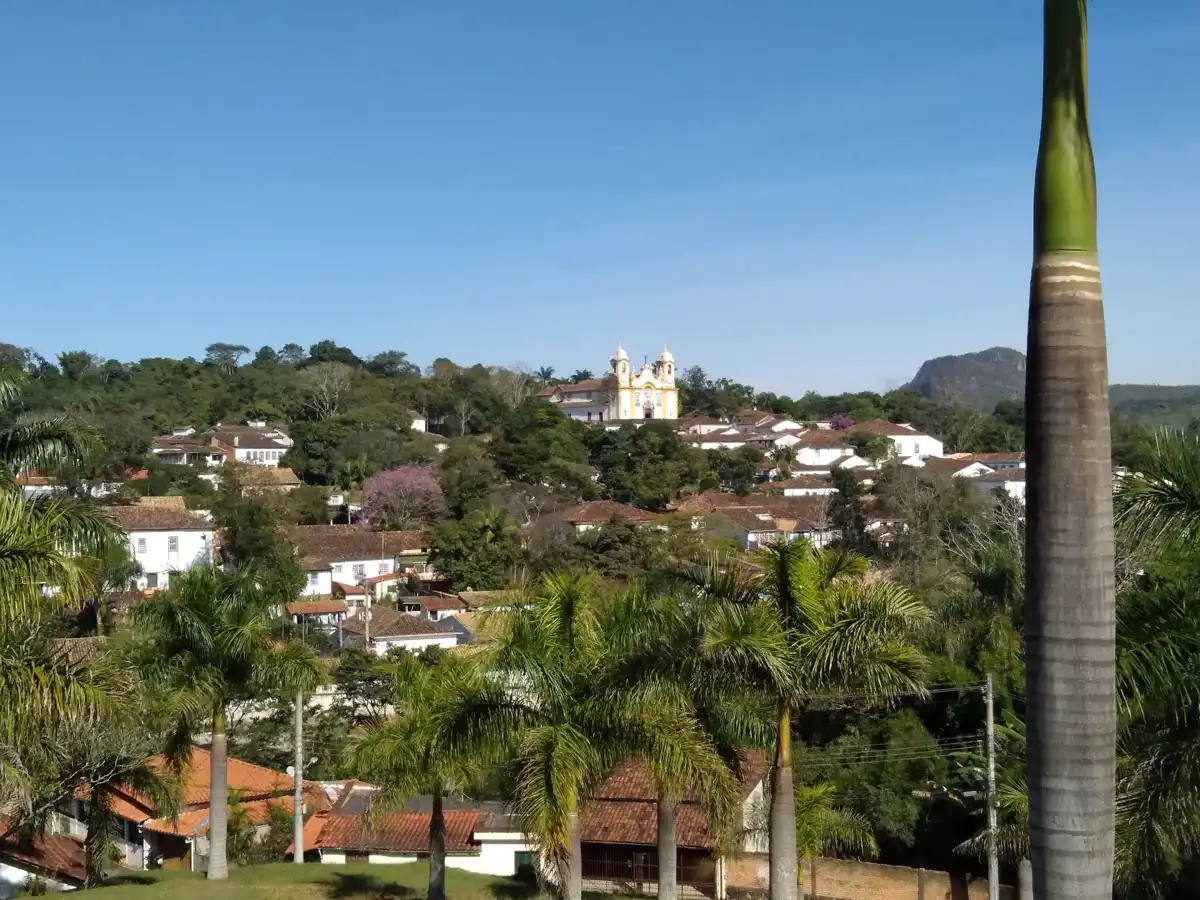
- Igreja Matriz de Santo Antônio: the town’s signature church, with heavy gold carving and a Portuguese organ. Entry runs about US$2 to 3. Visit in the morning, when light is soft and groups are few. Allow 45 minutes.
- Chafariz de São José: an 18th-century stone fountain still fed by mountain water, near the center. Free, and 15 minutes is plenty. Late afternoon is calm.
- Rua Direita and the historic center: cobbled lanes lined with colonial facades, a good loop on foot. Free, and 1 to 2 hours. Go early before the shops and carriages fill up.
- Largo das Forras and the Santo Antônio stream: a quiet green corner by the water with the old stone bridge. Free, and 30 minutes. Late afternoon works best.
- Museu de Sant’Ana: a museum of colonial images of Saint Anne in the town’s 18th-century former jail. Tickets
- Igreja Matriz de Santo Antônio: the town’s signature church, with heavy gold carving and a Portuguese organ. Entry runs about US$2 to 3. Visit in the morning, when light is soft and groups are few. Allow 45 minutes.
- Chafariz de São José: an 18th-century stone fountain still fed by mountain water, near the center. Free, and 15 minutes is plenty. Late afternoon is calm.
- Rua Direita and the historic center: cobbled lanes lined with colonial facades, a good loop on foot. Free, and 1 to 2 hours. Go early before the shops and carriages fill up.
- Largo das Forras and the Santo Antônio stream: a quiet green corner by the water with the old stone bridge. Free, and 30 minutes. Late afternoon works best.
- Museu de Sant’Ana: a museum of colonial images of Saint Anne in the town’s 18th-century former jail. Tickets cost about US$2 to 3, and 45 minutes is enough. Go midday when the heat sends people indoors.
Spotted a mistake or missing something? Contact us.
 Best Backpacking
.jpg) Hi, I’m Johan (Netherlands 🇳🇱), the creator of TakeYourBackpack. Over the past 3 decades, I’ve backpacked through 90+ countries across six continents, gaining extensive experience with independent travel, long-term trips, and overland routes.
Hi, I’m Johan (Netherlands 🇳🇱), the creator of TakeYourBackpack. Over the past 3 decades, I’ve backpacked through 90+ countries across six continents, gaining extensive experience with independent travel, long-term trips, and overland routes.