
×

Brazil🇧🇷 | townsOuro PretoBaroque churches, steep alleys, student life, gold rush relics | things to do and best time to go

Explore MaragogiExplore Paraty

Backpacking in Ouro Preto
UNESCO World Heritage site
🏆 Top picktown ranked #2
By Johan Kruseman 🇳🇱 | Updated June 7, 2026

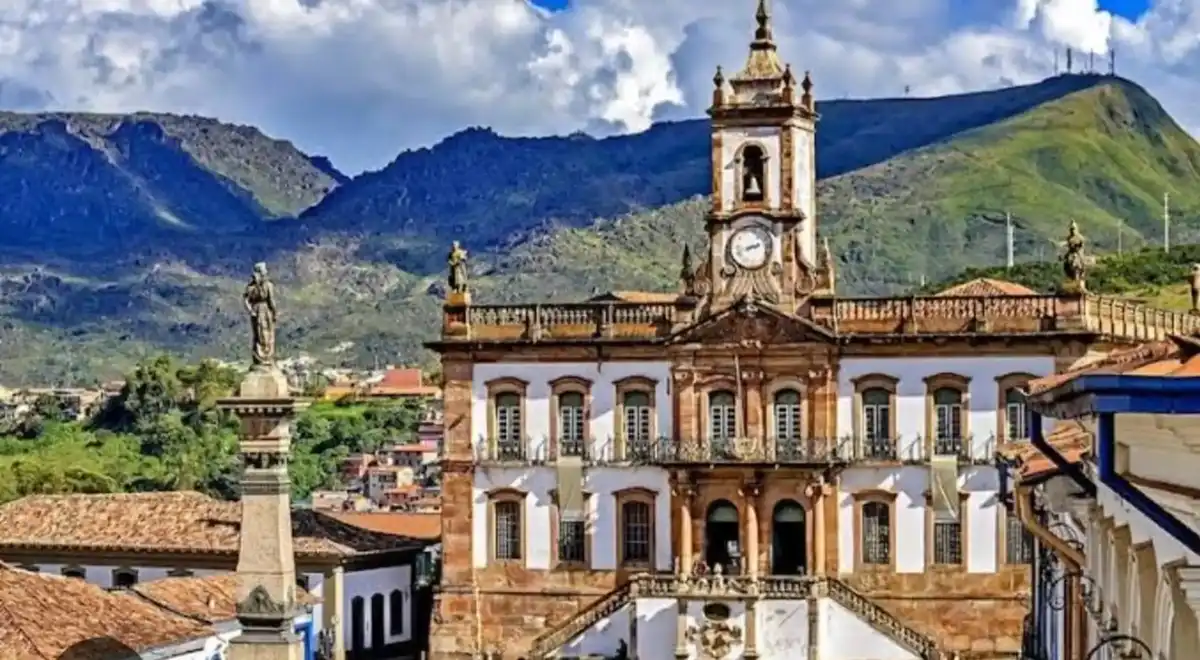
Your boots scrape on uneven stone, the kind that forces your eyes down while church bells argue with each other up the hill. Someone is roasting coffee in a doorway; it mixes with exhaust from a wheezing bus and the metallic smell of rain on old roofs. You pause to catch your breath, turn, and the whole valley of tiled houses drops away beneath you.

Ouro Preto sits in the hills of Minas Gerais, inland from Rio and Belo Horizonte, and it feels exactly like that: uphill, inward, a little removed. For backpackers, it’s a slow-burn stop, not a big “scene.” The historic center is compact and walkable but brutally steep, so you trade nightlife for calf muscles and viewpoints. It works best as a 2–3 night base: wander baroque churches, mine tours, nearby waterfalls and hill walks, then move on. Buses from Belo Horizonte make it easy enough, and once you’re here you mostly walk or grab the occasional taxi when the cobbles win. Hostels exist but are fewer and quieter than in Rio or São Paulo; you’ll meet other travelers, just not in waves. Costs sit in the middle: cheaper than coastal cities, pricier than tiny Minas towns. Compared to nearby Mariana or Congonhas, Ouro Preto is more scenic and tourist-oriented, but still feels like a real working town under the postcard surface.

Discover everything you want to know in the 📖 Brazil Travel Guide.


Get your Brazil guide
152 ranked highlights, routes & tips, works offline (515 pages)
Loading the map 🌍
CLICK TO FILTER
cities
towns
villages
landmarks
national parks
hikes
beaches
attractions
festivals
regions
SHOW COUNTRY’S BESTSHOW ALL

✨ Why go?
Ranked #2 town in Brazil
What sets this place apart

Backpackers flock to Ouro Preto for its strategic location within Brazil’s rich tapestry of culture and nature. Nestled in the mountains, it serves as a gateway to nearby hikes and cultural sites like the stunning Inconfidência Museum. The walkable streets invite exploration, where you can soak in the colonial architecture and vibrant local life. Small-scale hostels and guesthouses create a cozy atmosphere, perfect for solo travelers or small groups looking to connect. The local food scene is a treat, with street vendors serving up delicious pastéis and hearty feijoada. Most travelers stay a few days, soaking in the friendly vibe and engaging with fellow adventurers. It’s not a party town, but the social energy is palpable, making it ideal for slow travelers who appreciate a blend of culture and nature without the rush.
Want to include Ouro Preto in your Brazil route?
Create a personalized Brazil itinerary that includes Ouro Preto and the places that fit your trip — based on your travel style, budget, and available time. Get your route in seconds.

Generate my trip

💡 HighlightsTop highlights of Ouro Preto

  • Praça Tiradentes — The town’s heartbeat: colonial facades, the Tiradentes monument, cafés and street life. Great place to orient yourself, people-watch, and feel the city’s layout before getting lost on the hills.
  • Museu da Inconfidência — Housed in a striking colonial building on the square, this is the best place to learn the story of the Inconfidência Mineira (the 1789 conspiracy). Old documents, artworks and a pantheon touch on politics, identity and the birth of modern Brazil.
  • Igreja São Francisco de Assis — One of Brazil’s baroque masterpieces: delicate soapstone carvings attributed to Aleijadinho and ceiling painting by Mestre Ataíde. The architecture and intimate chapel details are the real draw — photos don’t capture the workmanship up close.
  • Igreja Nossa Senhora do Pilar — Infamous
read more 👉
  • Praça Tiradentes — The town’s heartbeat: colonial facades, the Tiradentes monument, cafés and street life. Great place to orient yourself, people-watch, and feel the city’s layout before getting lost on the hills.
  • Museu da Inconfidência — Housed in a striking colonial building on the square, this is the best place to learn the story of the Inconfidência Mineira (the 1789 conspiracy). Old documents, artworks and a pantheon touch on politics, identity and the birth of modern Brazil.
  • Igreja São Francisco de Assis — One of Brazil’s baroque masterpieces: delicate soapstone carvings attributed to Aleijadinho and ceiling painting by Mestre Ataíde. The architecture and intimate chapel details are the real draw — photos don’t capture the workmanship up close.
  • Igreja Nossa Senhora do Pilar — Infamous for its lavish, gilded interior and ornate altarpieces. If you want classic Minas Gerais baroque at maximum ostentation, this church is the place — try to visit when a mass or organ practice is happening for atmosphere.
  • Casa dos Contos — A former fiscal house turned museum exploring colonial economy, slavery and everyday life under the crown. The rooms and exhibits give real context to the fortunes that built these streets.
  • Museu de Ciência e Técnica (Escola de Minas) — Unexpectedly fun: huge mineral collections, historic mining tools and old engineering kit. Good for geology nerds and anyone curious about how mining shaped the region.
  • Museu do Oratório — A small, atmospheric house-museum stuffed with devotional miniatures and private oratories. It’s intimate, slightly eccentric, and a neat window into daily religious practice in colonial and 19th-century Minas.
  • Igreja do Carmo (Convento do Carmo) — A handsome convent-church complex with fine interior decoration and quieter crowds than the big basilicas. Nice for lingering on a bench and taking in carved woodwork and stucco details.
  • Mirante do Morro São Sebastião — Short uphill walk to one of the best panoramic views of Ouro Preto’s rooftops, church towers and winding streets. Sunset here is prime for photos and for understanding how the town fits its dramatic terrain.
  • Teatro Municipal (Teatro de Ouro Preto) — A 19th-century municipal theater that still hosts plays, concerts and guided visits. Catch a show if the schedule lines up — the small interior is charming and gives a feel for colonial-era civic life.
A few worthy day trips nearby: Mariana (historic streets and mines), Congonhas (Sanctuary of Bom Jesus do Matosinhos with Aleijadinho’s famous prophets) and Parque Estadual do Itacolomi (hikes and wide views) — my personal favorite for a day outside town is Parque Itacolomi.
Spotted a mistake or missing something? Contact us.

Things to do near Ouro Preto

Ratings based on Tripadvisor reviews. When you book through this link, you support our work at no extra cost to you.

🏘️ NeighborhoodsKey areas and districts to know

Ouro Preto is a captivating blend of colonial charm and vibrant culture, perfect for backpackers seeking both adventure and authenticity.

Centro Histórico: This is the heart of Ouro Preto, where cobblestone streets wind through baroque architecture. The vibe is lively, with street vendors and cafes buzzing with energy. It’s walkable, making it easy to explore the many churches and museums. Costs can be higher here, but the convenience of being in the thick of things is worth it. Ideal for short stays, as you can soak in the history quickly.

Alto da Cruz: A quieter neighborhood with stunning views of the city. It’s a bit uphill, so expect a workout, but the panoramic vistas are a reward. Accommodation is more affordable here, and you’ll find a local feel with fewer tourists. Perfect for longer … read more 👉
Ouro Preto is a captivating blend of colonial charm and vibrant culture, perfect for backpackers seeking both adventure and authenticity.

Centro Histórico: This is the heart of Ouro Preto, where cobblestone streets wind through baroque architecture. The vibe is lively, with street vendors and cafes buzzing with energy. It’s walkable, making it easy to explore the many churches and museums. Costs can be higher here, but the convenience of being in the thick of things is worth it. Ideal for short stays, as you can soak in the history quickly.

Alto da Cruz: A quieter neighborhood with stunning views of the city. It’s a bit uphill, so expect a workout, but the panoramic vistas are a reward. Accommodation is more affordable here, and you’ll find a local feel with fewer tourists. Perfect for longer stays if you want to immerse yourself in daily life while still being a short walk from the action.

São Sebastião: This area offers a balance of nightlife and tranquility. It’s home to some great bars and restaurants, yet retains a laid-back atmosphere. Transport options are good, making it easy to venture out. Suitable for both short and longer stays, especially if you enjoy a mix of socializing and downtime.

⌛️ 1 dayA smart one-day plan

Ouro Preto, Brazil, is a living museum of colonial architecture and rich history, nestled in the mountains of Minas Gerais. The cobblestone streets whisper stories of gold rushes and baroque churches, making it a captivating stop for any traveler.

Start your morning at the bustling Mercado Municipal. The scent of fresh pão de queijo fills the air, and you can grab a warm one from a local vendor. Pair it with a strong cup of Brazilian coffee while soaking in the vibrant atmosphere. Afterward, wander over to the Igreja de São Francisco de Assis. The intricate woodwork and stunning paintings will leave you in awe.

In the afternoon, make your way to the less-traveled neighborhood of Santa Efigênia. Here, you’ll find the Museu da Inconfidência, which dives deep into Brazil’s fight for independence. … read more 👉
Ouro Preto, Brazil, is a living museum of colonial architecture and rich history, nestled in the mountains of Minas Gerais. The cobblestone streets whisper stories of gold rushes and baroque churches, making it a captivating stop for any traveler.

Start your morning at the bustling Mercado Municipal. The scent of fresh pão de queijo fills the air, and you can grab a warm one from a local vendor. Pair it with a strong cup of Brazilian coffee while soaking in the vibrant atmosphere. Afterward, wander over to the Igreja de São Francisco de Assis. The intricate woodwork and stunning paintings will leave you in awe.

In the afternoon, make your way to the less-traveled neighborhood of Santa Efigênia. Here, you’ll find the Museu da Inconfidência, which dives deep into Brazil’s fight for independence. The museum is often overlooked, but its stories are powerful and resonate with the spirit of the town. Afterward, stroll through the narrow streets, where the light filters through the trees, casting playful shadows on the walls.

As evening approaches, head to the Praça Tiradentes. The square comes alive with locals enjoying street food. Grab a plate of feijão tropeiro and enjoy the lively atmosphere. If you’re up for it, find a spot to watch the sunset over the hills, painting the sky in hues of orange and pink.

Ouro Preto isn’t just a destination; it’s an experience that rewards those willing to explore its depths.
Turn your Ouro Preto visit into an Brazil adventure
Build a complete Brazil route with Ouro Preto, hidden gems, must-see destinations, and realistic travel times included.

Generate my trip

🌤️ When to go?When to go for the best experience


  • Weather: Ouro Preto’s climate swings between a wet season from October to March and a dry season from April to September. The dry months bring clear skies and less mud on the cobblestone streets, making hiking and exploring the colonial architecture far more enjoyable.

  • Temperature: Daytime highs hover around 22-26°C (72-79°F) in the dry season, perfect for long walks without overheating. The wet season can feel warmer and stickier, with highs pushing 28-30°C (82-86°F), but expect cooler nights year-round, dipping to 12-15°C (54-59°F).

  • Daylight Hours: Daylight is fairly consistent, about 11-12 hours daily, but the dry season’s clearer skies mean you’ll get more usable light for photography and late-afternoon strolls.

  • Crowds: The town fills up during Brazilian holidays and festivals,
read more 👉

  • Weather: Ouro Preto’s climate swings between a wet season from October to March and a dry season from April to September. The dry months bring clear skies and less mud on the cobblestone streets, making hiking and exploring the colonial architecture far more enjoyable.

  • Temperature: Daytime highs hover around 22-26°C (72-79°F) in the dry season, perfect for long walks without overheating. The wet season can feel warmer and stickier, with highs pushing 28-30°C (82-86°F), but expect cooler nights year-round, dipping to 12-15°C (54-59°F).

  • Daylight Hours: Daylight is fairly consistent, about 11-12 hours daily, but the dry season’s clearer skies mean you’ll get more usable light for photography and late-afternoon strolls.

  • Crowds: The town fills up during Brazilian holidays and festivals, especially the Semana Santa (Holy Week) in April. Visiting just before or after these spikes means quieter streets and better deals.

  • Seasonal Activities: The dry season aligns with outdoor events like the Festival de Inverno, where music and culture spill into the streets. Rainy months can dampen these experiences but offer lush green landscapes and fewer tourists.

  • Price Fluctuations: Accommodation and tours cost more during peak festival times and the dry season’s prime months (June to August). The wet season sees lower prices but comes with the trade-off of slippery trails and occasional downpours.


Pro-tip: Aim for late May or early September—just outside peak crowds and rain—when the air smells fresh, the light is soft, and the town feels like it’s quietly waiting just for you.


source: climatestotravel.comJANJanuary: fair for travelingFEBFebruary: fair for travelingMARMarch: good for travelingAPRApril: good for travelingMAYMay: highly recommended for travelingJUNJune: excellent for travelingJULJuly: excellent for travelingAUGAugust: excellent for travelingSEPSeptember: highly recommended for travelingOCTOctober: good for travelingNOVNovember: fair for travelingDECDecember: fair for traveling

✈️ The backpacker research shortcutBrazil Travel Guide

An offline-friendly backpacking guide with optimized travel routes, ranked highlights, transport advice, and the best areas to stay.
example page 0 from our offline Travel Guide for Brazil
example page 1 from our offline Travel Guide for Brazil
example page 2 from our offline Travel Guide for Brazil
example page 3 from our offline Travel Guide for Brazil
example page 4 from our offline Travel Guide for Brazil
example page 5 from our offline Travel Guide for Brazil
example page 6 from our offline Travel Guide for Brazil
example page 7 from our offline Travel Guide for Brazil
The digital guide (515 pages) contains:
152 highlights, ranked by travel appeal
Optimized 14, 21 & 30-day travel routes
Cities, national parks, landmarks, beaches
How to get around
Offline-friendly for travel without Wi-Fi
👉 Click to see all 30+ guide features

📅 Plan smarter in minutes, not weeks
Month by month travel advice
Festivals & national holidays
Budget expectations

🗺️ Go to the right places, skip the overrated ones
Honest pros & cons of destinations
Top hikes, parks & viewpoints
Lesser-known places most travelers miss
Clear “worth it vs skip it” guidance

🛏️ Travel smoothly without rookie mistakes
Best areas to stay
Transport systems explained simply
Common scams & safety advice
SIM cards, money & practical tips

🌍 Understand the country, not just visit it
Culture & traditions
52 Essential phrases & customs
Festivals worth planning around
Traveler-friendly historical context
Insights that make places more meaningful

📱 Built for real travel conditions
Fully downloadable PDF
Works completely offline
Optimized for phone use
Useful in remote areas & buses
Everything in one place
Save weeks of stressful planning
Get instant access to your full guide. 30‑day money-back guarantee.


By proceeding you agree to our terms.
Sent to your inbox immediately after payment • 100% Secure Checkout
Best Backpacking Travel Advisor 2025 tourism awardBest Backpacking
Travel Advisor
2025
What others say about Take Your Backpack Guides:
⭐⭐⭐⭐⭐
Fantastic, amazing amount of information!
⭐⭐⭐⭐⭐
My goodness this is amazing, it's what I've been looking for hats off too you!
⭐⭐⭐⭐⭐
I think this is absolutely BRILLIANT
⭐⭐⭐⭐
Very complete and informative. It's still missing places, but I gotta to commend you
⭐⭐⭐⭐⭐
This is truly amazing, thank you, can't wait to explore it with my kids!
⭐⭐⭐⭐⭐
Awesome resource, thank you!
⭐⭐⭐⭐⭐
This is amazing! Can't wait to explore the ones I haven't seen
⭐⭐⭐⭐
I love this! Well done, great idea.
⭐⭐⭐⭐⭐
Thanks for taking the time to make this gem!
⭐⭐⭐⭐⭐
This might be the best website I've ever seen.
⭐⭐⭐⭐⭐
Congratulations, and thank you so much for your work; it's incredibly valuable.
⭐⭐⭐⭐
In all seriousness I think you did a great job pointing out the important spots
⭐⭐⭐⭐⭐
10/10 very good
⭐⭐⭐⭐⭐
As someone who's only just starting to visit regularly this is awesome, thank you.
⭐⭐⭐⭐
Thank you very much! I'm going to visit my dad, it's going to be very useful!
⭐⭐⭐⭐⭐
This is really cool! We'll be travelling for the first time and this definitely come in handy.
⭐⭐⭐⭐⭐
You are now our minister of culture, congratulations 👨‍💼
⭐⭐⭐⭐⭐
Just wanted to tell you that this is a pearl! Going to follow your recommendations.
⭐⭐⭐⭐⭐
This is so cool. I'll definitely be using the resource for my travels soon.
⭐⭐⭐⭐⭐
This is very impressive! Good work.
⭐⭐⭐⭐⭐
This is an amazing and informative site. Very well done!

🛏️ Where to stay?Best areas and accommodation options

Ouro Preto’s heart beats strongest in its historic center—this is where backpackers should plant their flags. The cobblestone streets here aren’t just charming; they’re the veins of a living museum, where colonial baroque architecture frames every step. Staying in this area means you’re never far from the pulse of the town: lively squares where locals and travelers mingle, street vendors selling fresh pão de queijo, and the scent of roasting coffee drifting through open windows. It’s safe, thanks to the steady flow of foot traffic, and the vibe is unmistakably social—hostels cluster here, creating … read more 👉
Ouro Preto’s heart beats strongest in its historic center—this is where backpackers should plant their flags. The cobblestone streets here aren’t just charming; they’re the veins of a living museum, where colonial baroque architecture frames every step. Staying in this area means you’re never far from the pulse of the town: lively squares where locals and travelers mingle, street vendors selling fresh pão de queijo, and the scent of roasting coffee drifting through open windows. It’s safe, thanks to the steady flow of foot traffic, and the vibe is unmistakably social—hostels cluster here, creating natural hubs for meeting fellow adventurers.

Compared to the quieter, more residential neighborhoods perched on the hillsides, the historic center offers a practical advantage: everything is walkable. You can wake up, grab a strong Brazilian espresso, and be at a museum or a bar within minutes. The nightlife here is low-key but genuine, with live music spilling out of small venues and the occasional impromptu jam session in a plaza. For solo travelers, this means easy access to both cultural immersion and social connection without the hassle of taxis or long walks on uneven terrain.

If you stray too far from this core, you risk losing that spontaneous energy and convenience. The hills offer great views but demand more planning and can isolate you from the buzz that makes Ouro Preto feel alive after dark. So, for backpackers chasing both safety and social fuel, the historic center is the sweet spot—where the past’s weight is balanced by the lightness of shared stories and new friendships.

🚌 Getting aroundHow to get from A to B

Ouro Preto moves at the pace of its cobblestones—uneven, winding, and full of surprises. This isn’t a place where you’ll find strict timetables or polished transit hubs. Instead, the rhythm here is dictated by the hills, the narrow streets, and the occasional burst of chatter from a street vendor. The air carries a mix of damp stone, roasting coffee, and the faint echo of church bells, reminding you that every step is a step back in time. To navigate Ouro Preto like a local, you’ll need to embrace a bit of improvisation, but with a clear sense of the main arteries that keep this historic town moving.


  • Walking: The heart of Ouro Preto’s transit. The town’s compact center is best explored on foot, but brace yourself for steep climbs and slippery cobblestones. Walking lets you soak in the
read more 👉
Ouro Preto moves at the pace of its cobblestones—uneven, winding, and full of surprises. This isn’t a place where you’ll find strict timetables or polished transit hubs. Instead, the rhythm here is dictated by the hills, the narrow streets, and the occasional burst of chatter from a street vendor. The air carries a mix of damp stone, roasting coffee, and the faint echo of church bells, reminding you that every step is a step back in time. To navigate Ouro Preto like a local, you’ll need to embrace a bit of improvisation, but with a clear sense of the main arteries that keep this historic town moving.


  • Walking: The heart of Ouro Preto’s transit. The town’s compact center is best explored on foot, but brace yourself for steep climbs and slippery cobblestones. Walking lets you soak in the scent of wet stone and the sudden bursts of sunlight through narrow alleys—plus, it’s free and often faster than any vehicle in the tight streets.


  • Local Bus (Circular Routes): These buses loop around the town, connecting the main squares and neighborhoods. They start around 6:00 AM and run until about 9:00 PM, with fares under 5 BRL. They’re slow and often crowded, but perfect if you want to save your legs for the hills or reach farther-flung spots without a taxi.


  • Shared Vans (Lotação): These minibuses run on flexible routes and leave only when full, so timing is unpredictable. They’re a budget-friendly way to get to nearby towns or the bus station, costing around 10-15 BRL. Expect a tight squeeze and a lively atmosphere, with drivers weaving through narrow streets like pros.


  • Taxi: Taxis are scarce and pricier but useful for hauling gear or beating the uphill slog after dark. Expect to pay 20-30 BRL for short rides within town. Negotiate the fare upfront since meters aren’t always used, and remember that drivers know every shortcut through the labyrinth of streets.


  • Bicycle Rentals: Not for the faint-hearted, given the steep hills and cobblestones, but a bike can be a fast, flexible way to cover ground if you’re confident. Rentals cost about 30-50 BRL per day. Early morning rides offer cooler air and softer light, making the effort feel worthwhile.

👛 Costs (as of 27 May 2026)Money, prices, and spending tips

Backpacking in Ouro Preto, Brazil, offers a rich dive into colonial charm without draining your wallet, but knowing the local cost rhythm helps you glide through the experience smoothly.
  • Dorm Accommodation: Expect to pay around $8 to $15 USD per night for a bed in a shared dorm. The hostels here are often in historic buildings, so you get a mix of creaky wooden floors and thick stone walls that keep the heat at bay. Booking ahead in high season is smart because spots fill up fast.
  • Meals: Street food and local eateries serve hearty meals for about $3 to $6 USD. A typical plate might be rice, beans, some grilled meat or cheese, and fresh salad. If you want to splurge on a nicer sit-down meal, budget $10 to $15 USD, but the street options are where you’ll taste the authentic flavors without
read more 👉
Backpacking in Ouro Preto, Brazil, offers a rich dive into colonial charm without draining your wallet, but knowing the local cost rhythm helps you glide through the experience smoothly.
  • Dorm Accommodation: Expect to pay around $8 to $15 USD per night for a bed in a shared dorm. The hostels here are often in historic buildings, so you get a mix of creaky wooden floors and thick stone walls that keep the heat at bay. Booking ahead in high season is smart because spots fill up fast.
  • Meals: Street food and local eateries serve hearty meals for about $3 to $6 USD. A typical plate might be rice, beans, some grilled meat or cheese, and fresh salad. If you want to splurge on a nicer sit-down meal, budget $10 to $15 USD, but the street options are where you’ll taste the authentic flavors without fuss.
  • Local Transport: Ouro Preto is compact, so walking is your best bet and lets you soak in the cobblestone streets and baroque architecture. If you need a bus or taxi, rides usually cost $1 to $3 USD. Keep some small bills handy since drivers often don’t have change.
  • Basic Activities/Entry Fees: Museums and churches charge modest entry fees, typically $2 to $5 USD. The Museu da Inconfidência is a must-see for about $4 USD. Guided tours or special workshops can push up to $15, but wandering on your own is just as rewarding if you’re patient and curious.
  • Miscellaneous Expenses: Snacks, bottled water, or a cold local beer will set you back around $1 to $3 USD each. Keep a bit extra for souvenirs or unexpected treats like cachaça tastings or artisan markets.

All told, you’re looking at roughly $15 to $30 USD per day to cover the essentials in Ouro Preto. This range lets you live comfortably without cutting corners, giving you room to savor the town’s unique atmosphere. The uneven cobblestones might slow your pace, but they’re part of the charm—wear sturdy shoes and enjoy the rhythm of a place where history is literally underfoot.
⚠️ Prices can change and everyone travels differently, so take this as a rough guide. Hope it helps you plan your adventure!

🚌 Day tripsBest day trips from Ouro Preto

Ouro Preto is a backpacker’s dream base, offering easy access to stunning landscapes and rich history. The cobblestone streets and baroque architecture set the stage for unforgettable day trips. Here are a few that truly shine.

Mariana
Just a 30-minute bus ride from Ouro Preto, Mariana is a charming colonial town that feels like stepping back in time. The highlight is the beautiful Igreja de São Pedro dos Clérigos, where the scent of incense mingles with the cool air. Stroll through the narrow streets, grab a pastel from a local vendor, and soak in the laid-back vibe. Budget around R$10 for the bus and a few reais for snacks. Avoid visiting on Mondays when many shops close early.


Congonhas
About an hour away, Congonhas is home to the awe-inspiring Sanctuary of Bom Jesus de Matosinhos, … read more 👉
Ouro Preto is a backpacker’s dream base, offering easy access to stunning landscapes and rich history. The cobblestone streets and baroque architecture set the stage for unforgettable day trips. Here are a few that truly shine.

Mariana
Just a 30-minute bus ride from Ouro Preto, Mariana is a charming colonial town that feels like stepping back in time. The highlight is the beautiful Igreja de São Pedro dos Clérigos, where the scent of incense mingles with the cool air. Stroll through the narrow streets, grab a pastel from a local vendor, and soak in the laid-back vibe. Budget around R$10 for the bus and a few reais for snacks. Avoid visiting on Mondays when many shops close early.


Congonhas
About an hour away, Congonhas is home to the awe-inspiring Sanctuary of Bom Jesus de Matosinhos, famous for its stunning soapstone sculptures. The journey is worth it for the intricate artistry and the panoramic views from the hilltop. Bring a packed lunch to enjoy in the gardens, and expect to spend around R$15 for transport. Late afternoon is ideal, as the light casts a golden glow over the statues. Many first-timers miss the small museum nearby, which offers deeper insights into the art.


Inhotim
For art lovers, Inhotim is a must-visit. Roughly 90 minutes from Ouro Preto, this expansive contemporary art museum is set in lush gardens. The combination of nature and art creates a unique atmosphere. Entry is R$44, but it’s worth every cent for the experience. Plan to spend the whole day wandering the grounds. Many backpackers underestimate the walking involved, so wear comfortable shoes.


Tiradentes
A bit further at about two hours, Tiradentes is a picturesque town with a rich mining history. The cobblestone streets are lined with colorful colonial buildings, and the local cuisine is a treat. Expect to pay around R$20 for the bus. The best time to visit is during the week to avoid crowds. First-timers often overlook the local cachaça distilleries, which offer tastings that add a flavorful twist to your trip.
👉 Explore Tiradentes
Want to know what more Brazil offers?
The Brazil Travel Guide describes 152 highlights, from cities to national parks, from beaches to hikes

Get the Travel Guide -

🛡️ SafetyScams, Hazards, and Annoyances

Ouro Preto is generally safe, but a few simple practices can enhance your experience. Stick to well-lit streets after dark, especially around the historic center. The cobblestone paths can be tricky, so watch your step.

Be mindful of your belongings in crowded areas, like the bustling Praça Tiradentes. Pickpockets aren’t rampant, but they do exist. When approached by overly friendly locals offering unsolicited help, keep your guard up; it’s often a setup for a small scam.

Solo travelers should trust their instincts. If something feels off, it probably is. Carry a small amount of cash and leave valuables in your accommodation. This way, you can enjoy the rich history and vibrant culture without unnecessary distractions.

Other Brazilian towns near Ouro Preto

Explore more nearby:

  • Tiradentes—Preserved colonial core, gourmet food, mountain backdrop, artisan shops| 104 km away
  • São João del Rei—Baroque churches, steam train, local festivals, riverfront| 113 km away
  • Caxambú—Mineral springs, spa parks, tiled fountains, mountain air| 228 km away

💡 Not sure where to go next?
Create a personalized itinerary for Brazil including Ouro Preto and the places that fit your trip.

Generate my itinerary

👉 Discover all towns

Or checkout all Brazil has to offer (think cities, towns, villages, national parks, hikes, beaches, festivals)
Country photo of Brazil

We 💚 feedbackParting advice and final tips

Ouro Preto’s baroque architecture feels like stepping into a living museum, with every cobblestone whispering tales of gold rush glory. But be ready for steep hills; your calves will burn. Embrace the challenge, though—it’s part of the charm. The payoff? Panoramic views that make you feel like you’ve earned your place in this historic tapestry. It’s a journey worth every step.

✈️ When did I visit Brazil?
Call it good timing or luck, but I was able to celebrate Carnaval in Rio de Janeiro in February 2022, after a round trip in the north and east coast.

✍️ Help improve this page!
The information on this page is based on my own backpacking experience in Brazil, supplemented with up-to-date research and feedback from other travelers. Travel details can change, so if you notice anything outdated or incomplete, feel free to let me know.


🙋‍♂️ Give feedback

👋 Meet the founderWho’s Behind Take Your Backpack?

Johan, backpacker and founder of TakeYourBackpackHi, I’m Johan (Netherlands 🇳🇱), the creator of TakeYourBackpack. Over the past decade, I’ve backpacked through 80+ countries across six continents, gaining extensive experience with independent travel, long-term trips, and overland routes.

This site is built on a combination of firsthand travel experience and carefully curated insights from other backpackers. Many guides are based on places I’ve personally visited, while others bring together tips, observations, and practical advice shared by trusted travelers I’ve met along the way.

The goal is to provide realistic, experience-driven guidance — not generic itineraries — so you can explore destinations with better context, clearer expectations, and more confidence.

Get full Brazil guide •
Instant download • 152 highlights • Full Offline guide