Short version: Burundi is doable to backpack independently if you already have some Africa or off‑the‑beaten‑path experience; it’s not ideal as a first-ever solo destination. Infrastructure is thin, English is rare outside the capital, and information on guesthouses and transport is often word-of-mouth. That said, it’s small, people are generally welcoming, and costs can be low if you move like a local.
The main friction points are visas and permits, safety awareness, and logistics. Visa rules change often and may require advance planning through an embassy or e-visa system; you do not want to wing this at the border. In Bujumbura and larger towns you’ll find basic guesthouses and midrange hotels, but very few classic hostels. You’ll rely on cheap local hotels, church guesthouses, and the occasional lakeside lodge, so flexibility is key.
French and Kirundi are the working languages; if you don’t speak at least basic French, you’ll lean heavily on translation apps and gestures. Independent backpacking works best if you’re comfortable with shared taxis, moto-taxis, and asking around for information at bus stands. Solo women can travel here, but should be extra cautious about moving after dark, choosing central accommodation, and dressing conservatively.
If you want a smoother ride, combine independent travel with a few targeted local guides: for hiking in the highlands, visiting rural communities, or arranging boat trips on Lake Tanganyika. That keeps costs reasonable while removing the most frustrating logistics. Overall: possible, rewarding if you like raw travel, but not plug-and-play.
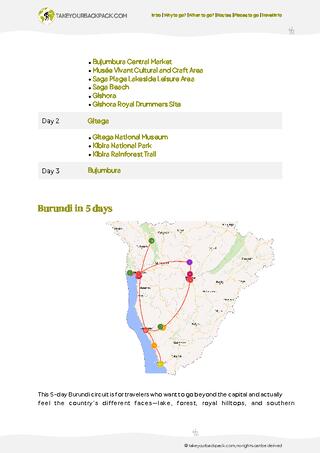
For a tight, budget-conscious overview, 5–7 days is enough to get a feel for Burundi without burning out on transport days. That lets you base yourself in Bujumbura, do a couple of day trips, and squeeze in one inland destination.
If you want to move at backpacker pace and actually enjoy the country instead of collecting border stamps, 10–14 days is the sweet spot. That gives you time to:
- Spend 2–3 days in and around Bujumbura (markets, lakeside, nearby hills).
- Take 2–3 days in the highlands (Gitega area, tea/coffee regions, waterfalls, short hikes).
- Add 2–3 days for Lake Tanganyika downtime or a lakeside village stay.
- Keep 1–2 buffer days for slow transport, weather, or admin.
More than two weeks only makes sense if you’re really into slow travel, language learning, or using Burundi as part of a longer Great Lakes loop (Rwanda, Tanzania, DRC). Because the country is compact, extra time doesn’t mean more famous sights; it means deeper time in villages, more hikes, and more conversations. If you’re on a long overland trip, 7–10 days is a good compromise between ‘I barely saw it’ and ‘I stayed longer than the place can really offer in terms of variety.’
You can absolutely get around Burundi without your own car, but you trade comfort and predictability for cost savings. For a budget traveler, that’s usually a fair deal.
Between major towns, you’ll rely on:
- Shared minibuses and coaster buses: cheap, frequent on main routes, but they leave when full, not on a strict schedule. Expect tight seating and slow progress.
- Shared taxis: more expensive than buses but faster and less crowded; good for awkward connections or late departures.
Within towns and for short hops:
- Moto-taxis: very common and cheap in and around cities; always agree the price beforehand and wear a helmet if one is offered.
- Bicycle taxis and walking: in smaller towns, you’ll mostly walk or hop on a bicycle taxi for short distances.
The main limitations without a car are remote waterfalls, rural tea/coffee areas, and some lakeside spots that don’t sit on main roads. For those, you can:
- Hire a moto-taxi for a half or full day.
- Arrange a local guide with a vehicle through your guesthouse.
- Team up with other travelers (if you find them) to split a car and driver.
Travel after dark is not recommended: roads are poorly lit, vehicles can be in bad condition, and security is more fragile at night. Plan your days so you arrive before sunset. If you’re patient, flexible, and okay with some discomfort, you can see most of what matters without ever renting a car.
For a backpacker on a budget, the must-visits are less about big-ticket attractions and more about a few key areas that show different sides of the country without wrecking your wallet.
1. Bujumbura and Lake Tanganyika
Use Bujumbura as your landing pad. Wander the central markets, grab street food, and then escape the heat with time along Lake Tanganyika. Public or semi-public beaches and simple lakeside bars give you that ‘I’m really in Central Africa’ feeling for the price of a drink and a plate of grilled fish. It’s also your best place to sort cash, SIM cards, and onward transport.
2. The Highlands around Gitega
Gitega and the surrounding highlands show you Burundi’s rural backbone: cooler air, terraced hills, and small farms. This is where short hikes, village walks, and tea/coffee landscapes come into play. You don’t need expensive tours; a local guide arranged through your guesthouse can turn a simple walk into a full day of stories and farm visits.
3. Waterfalls and Countryside Day Trips
Within reach of the main towns are several waterfalls and viewpoints that feel like proper adventures without requiring a 4×4 safari budget. The joy here is the journey: hopping minibuses, then hiring a moto-taxi for the last stretch, and ending up at a viewpoint with just a handful of locals.
4. Lakeside Chill Time
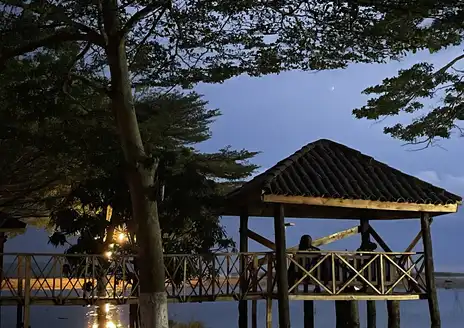
If you can, spend at least one night outside the capital on the lake. A basic guesthouse or small lodge right on Tanganyika gives you sunrise swims, fishermen heading out in dugout canoes, and long, quiet evenings. It’s a good reset between bus days and a rare chance to slow down.
If you hit these four ‘zones’—capital and lake, highlands, a waterfall day trip, and at least one quiet lakeside night—you’ll leave feeling like you actually met Burundi, not just its bus stations.
If you’re short on time or cash, skip anything that eats a full day of transport for a single photo or a tick on a map.
1. Deeply Remote Corners
Far-flung border areas and tiny towns that require multiple vehicle changes are usually not worth it unless you have a specific reason (research, family, or a long-term project). You’ll spend more time stuck in transit than actually exploring, and accommodation options can be very basic without adding much new in terms of scenery.
2. Over-Structured ‘Cultural Shows’
If someone tries to sell you a pricey, highly staged cultural performance aimed at diplomats or NGO visitors, you can safely skip it. You’ll get more authentic interaction by visiting markets, chatting with people at roadside cafés, or hiring a local guide for a simple village walk.
3. Rushing Every ‘Geographic Marker’
Burundi has various ‘source of the Nile’ or geographic claim spots. Unless you’re a hardcore geography nerd, you don’t need to chase every single one. Pick one if it fits naturally into your route; don’t burn a whole day detouring just to stand by a plaque.
4. Trying to Do the Whole Country
On a short trip, don’t attempt a full loop of every region. Focus on Bujumbura + lake, one highland base (like Gitega area), and one or two day trips. Skipping the extra long-haul legs keeps your budget down, your stress low, and your experience deeper.
5. High-End Resorts Aimed at Expats
If you’re backpacking, you don’t need to blow a day’s budget on a fancy resort that could be anywhere in the world. Drop in for a drink if you want the view, then sleep and eat where locals do. Your money goes further, and your stories get better.
v2.webp)


 Best Backpacking

