v2.webp)
The Monument Itself: Brutal Simplicity, Real History
Forget the Instagram filters—this is not a polished, crowd-pleasing photo op. The Livingstone-Stanley Monument is a slab of stone on a bluff above Lake Tanganyika, marked with the date of the legendary meeting between two of the most mythologized explorers in African history. There’s no velvet rope, no curated museum shop, and absolutely no attempt to romanticize the colonial backstory. What you get is raw, unvarnished history: a place where two men, exhausted and half-mad from their journeys, actually met. The monument’s power comes from its starkness. It’s a physical reminder that history isn’t always pretty, but it’s real—and you’re standing in the exact spot where it happened.
The View Over Lake Tanganyika: The Real Showstopper
Here’s … read more 👉
Forget the Instagram filters—this is not a polished, crowd-pleasing photo op. The Livingstone-Stanley Monument is a slab of stone on a bluff above Lake Tanganyika, marked with the date of the legendary meeting between two of the most mythologized explorers in African history. There’s no velvet rope, no curated museum shop, and absolutely no attempt to romanticize the colonial backstory. What you get is raw, unvarnished history: a place where two men, exhausted and half-mad from their journeys, actually met. The monument’s power comes from its starkness. It’s a physical reminder that history isn’t always pretty, but it’s real—and you’re standing in the exact spot where it happened.
The View Over Lake Tanganyika: The Real Showstopper
Here’s … read more 👉
The Monument Itself: Brutal Simplicity, Real History
Forget the Instagram filters—this is not a polished, crowd-pleasing photo op. The Livingstone-Stanley Monument is a slab of stone on a bluff above Lake Tanganyika, marked with the date of the legendary meeting between two of the most mythologized explorers in African history. There’s no velvet rope, no curated museum shop, and absolutely no attempt to romanticize the colonial backstory. What you get is raw, unvarnished history: a place where two men, exhausted and half-mad from their journeys, actually met. The monument’s power comes from its starkness. It’s a physical reminder that history isn’t always pretty, but it’s real—and you’re standing in the exact spot where it happened.
The View Over Lake Tanganyika: The Real Showstopper
Here’s the secret: the monument is just the excuse. The real magic is the view. You’re perched on a bluff, with Lake Tanganyika stretching out below—one of the world’s oldest and deepest lakes, shimmering and impossibly blue. There’s no crowd jostling for the perfect selfie. Just you, the wind, and the kind of silence that makes you realize how far you’ve come. The lake’s scale is humbling. You can see fishermen’s dugouts gliding across the water, the distant haze of the Congo on the far shore, and the sun burning through the afternoon mist. It’s a panorama that doesn’t need a filter, and it’s as close to the explorer’s experience as you’ll get without a time machine.
The Road to Mugere: Adventure, Not Convenience
Getting here is half the story. The road from Bujumbura is rough, sometimes muddy, and absolutely not designed for tour buses. You’ll pass through villages where kids wave and goats have right of way. This isn’t a sanitized, packaged experience. It’s a reminder that travel in Burundi is still an adventure—unpredictable, sometimes frustrating, but always real. If you want to feel like you’ve earned your destination, this is your kind of pilgrimage.
The Absence of Hype: Solitude as a Luxury
No ticket lines. No souvenir hawkers. No staged performances. The monument is almost always empty, which means you get the rarest commodity in modern travel: solitude. You can sit on the rocks, listen to the wind, and actually think about what happened here. Or just enjoy the fact that, for once, you’re not part of a crowd. This is the anti-Instagram experience—no one’s curating your reaction, and that’s the point.
The Local Context: Burundi’s Unfiltered Welcome
This isn’t a place that’s been polished for outsiders. The people you meet—if you meet anyone at all—are genuinely curious, not jaded by mass tourism. Expect a few questions, a lot of smiles, and maybe a story or two about the monument’s place in local memory. The experience is refreshingly unmediated. You’re not just ticking off a sight; you’re stepping into a living landscape, with all its quirks and contradictions.
Forget the Instagram filters—this is not a polished, crowd-pleasing photo op. The Livingstone-Stanley Monument is a slab of stone on a bluff above Lake Tanganyika, marked with the date of the legendary meeting between two of the most mythologized explorers in African history. There’s no velvet rope, no curated museum shop, and absolutely no attempt to romanticize the colonial backstory. What you get is raw, unvarnished history: a place where two men, exhausted and half-mad from their journeys, actually met. The monument’s power comes from its starkness. It’s a physical reminder that history isn’t always pretty, but it’s real—and you’re standing in the exact spot where it happened.
The View Over Lake Tanganyika: The Real Showstopper
Here’s the secret: the monument is just the excuse. The real magic is the view. You’re perched on a bluff, with Lake Tanganyika stretching out below—one of the world’s oldest and deepest lakes, shimmering and impossibly blue. There’s no crowd jostling for the perfect selfie. Just you, the wind, and the kind of silence that makes you realize how far you’ve come. The lake’s scale is humbling. You can see fishermen’s dugouts gliding across the water, the distant haze of the Congo on the far shore, and the sun burning through the afternoon mist. It’s a panorama that doesn’t need a filter, and it’s as close to the explorer’s experience as you’ll get without a time machine.
The Road to Mugere: Adventure, Not Convenience
Getting here is half the story. The road from Bujumbura is rough, sometimes muddy, and absolutely not designed for tour buses. You’ll pass through villages where kids wave and goats have right of way. This isn’t a sanitized, packaged experience. It’s a reminder that travel in Burundi is still an adventure—unpredictable, sometimes frustrating, but always real. If you want to feel like you’ve earned your destination, this is your kind of pilgrimage.
The Absence of Hype: Solitude as a Luxury
No ticket lines. No souvenir hawkers. No staged performances. The monument is almost always empty, which means you get the rarest commodity in modern travel: solitude. You can sit on the rocks, listen to the wind, and actually think about what happened here. Or just enjoy the fact that, for once, you’re not part of a crowd. This is the anti-Instagram experience—no one’s curating your reaction, and that’s the point.
The Local Context: Burundi’s Unfiltered Welcome
This isn’t a place that’s been polished for outsiders. The people you meet—if you meet anyone at all—are genuinely curious, not jaded by mass tourism. Expect a few questions, a lot of smiles, and maybe a story or two about the monument’s place in local memory. The experience is refreshingly unmediated. You’re not just ticking off a sight; you’re stepping into a living landscape, with all its quirks and contradictions.
Spotted a mistake or missing something? Contact us.

3 Day Burundi Tour- Multi-Day Burundi Sightseeing Tour with Karera Waterfalls
✓ Free cancellation

Bujumbura City Tour
✓ Free cancellation

From Bujumbura: Private Day Tour-Gitega-Gishora Drum Sanctuary
✓ Free cancellation

Private Tour of Bujumbura

3 Day Burundi Nile Source Gitega Rusizi Park
✓ Free cancellation

Discovering the Wonders of Burundi: A 7-Day Tour itinerary
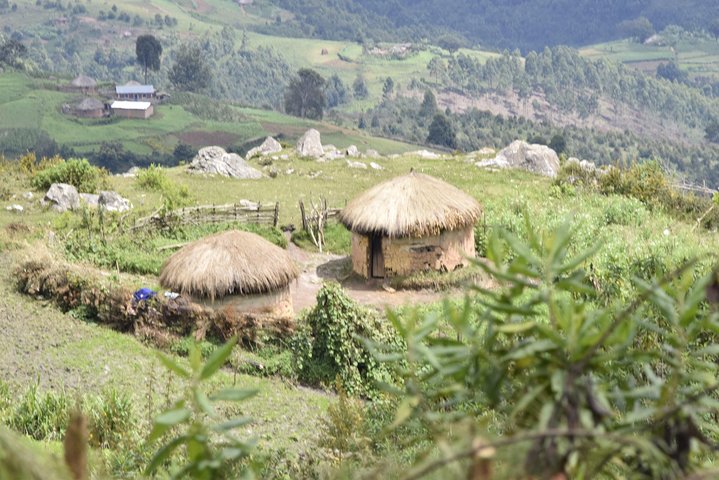
5 Day Burundi Green Tour-Nature & Culture
✓ Free cancellation

Small Group Guided Shared Tour To Gishora Drum Sanctuary From Bujumbura
✓ Free cancellation

Burundi Day Trip to Karera Waterfalls- Source of Nile-Gitega National Museum
✓ Free cancellation

Day Trip to Gitega Royal Drummers- Songa Mount Hiking – Architecture Tour
✓ Free cancellation



 Best Backpacking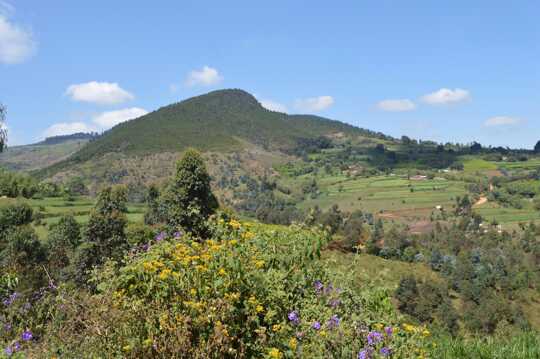
.jpg) Hi, I’m Johan (Netherlands 🇳🇱), the creator of TakeYourBackpack. Over the past decade, I’ve backpacked through 80+ countries across six continents, gaining extensive experience with independent travel, long-term trips, and overland routes.
Hi, I’m Johan (Netherlands 🇳🇱), the creator of TakeYourBackpack. Over the past decade, I’ve backpacked through 80+ countries across six continents, gaining extensive experience with independent travel, long-term trips, and overland routes.