How many to visit: I advise
two or three parks, not a checklist. Each island needs time for transfers, weather delays and slow village transport, and a rushed trip costs more than it gives. Two islands with proper hiking days beat five seen from a minibus window.
Which kind suits you: For hikers,
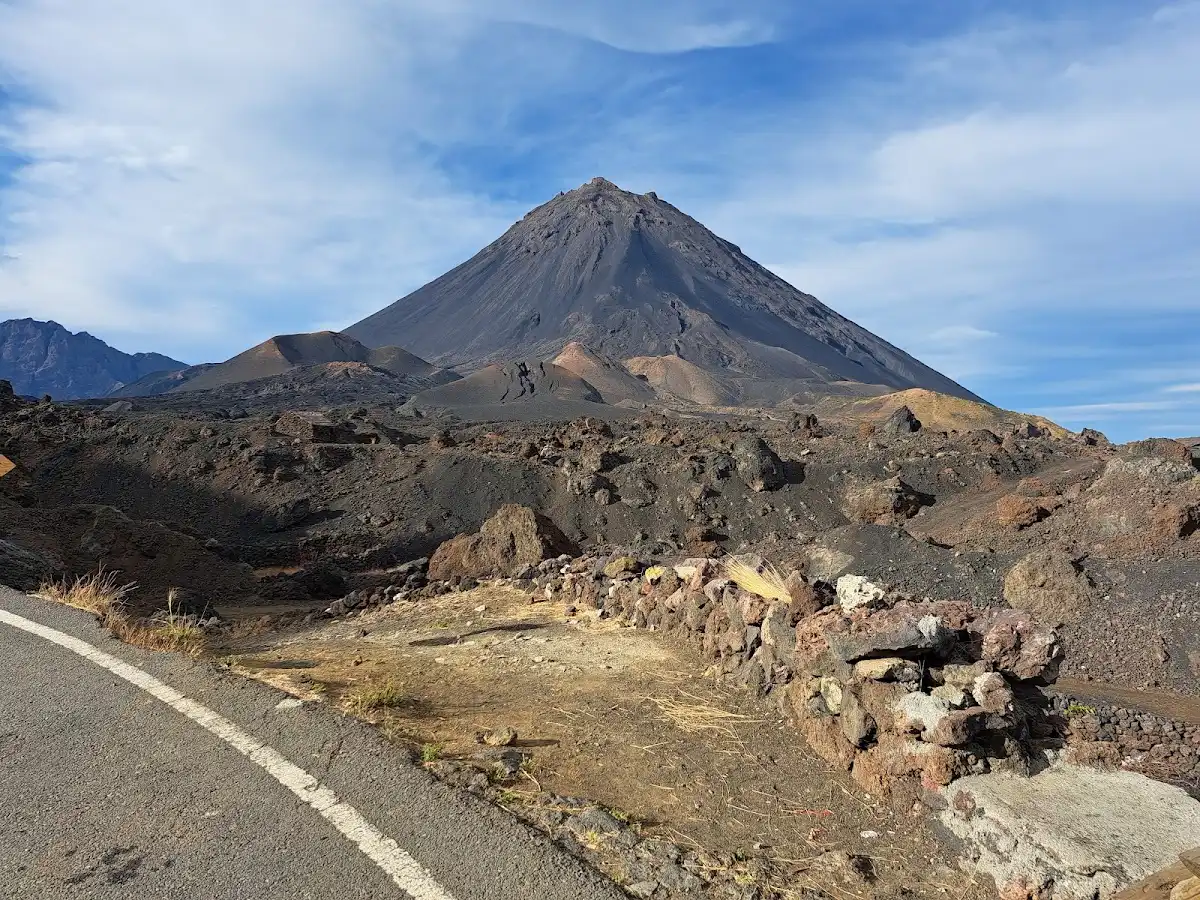
mountain and volcanic areas give the most for the money. They need effort, a guide or a good map, and a very early start, but a day of walking with a local gets you villages, farms and views that no tour bus reaches.
Coastal and dune areas are easier and cheaper to reach but offer less variety, so they fit a rest day or a short stop. If you have limited time and money, prioritize one volcano or high-ridge area first, then add one easy coastal visit.
What it costs: Plan
US$40 to 70 a day (roughly 4,000 …
read more 👉 How many to visit: I advise
two or three parks, not a checklist. Each island needs time for transfers, weather delays and slow village transport, and a rushed trip costs more than it gives. Two islands with proper hiking days beat five seen from a minibus window.
Which kind suits you: For hikers,
mountain and volcanic areas give the most for the money. They need effort, a guide or a good map, and a very early start, but a day of walking with a local gets you villages, farms and views that no tour bus reaches.
Coastal and dune areas are easier and cheaper to reach but offer less variety, so they fit a rest day or a short stop. If you have limited time and money, prioritize one volcano or high-ridge area first, then add one easy coastal visit.
What it costs: Plan
US$40 to 70 a day (roughly 4,000 to 7,000 Cabo Verdean escudos) for a backpacker using guesthouses, local food and shared transport. Entry is often free or only a few dollars, while a local guide typically costs
US$20 to 50 per day, and shared taxis (aluguers) are about US$1 to 5 per ride. Taxi transfers to remote trailheads can add US$15 to 40. Guides are the best-value spend, because they save you from wrong turns and hand you local knowledge for less than a private tour.
Safety and etiquette: The main risks are
sun, wind, dehydration and steep, loose paths, not crime. Carry at least 2 to 3 liters of water, a hat and sturdy shoes, and avoid exposed edges in strong wind or after rain. Cell coverage can drop out on remote trails, so tell your guesthouse your plan. Cash is useful in villages, since cards are not widely accepted. Greet people with a friendly “bom dia,” ask before photographing residents, and stay on marked paths near terraced farmland, where crops matter to families.



 Best Backpacking
 Hi, I’m Johan (Netherlands 🇳🇱), the creator of TakeYourBackpack. Over the past 3 decades, I’ve backpacked through 90+ countries across six continents, gaining extensive experience with independent travel, long-term trips, and overland routes.