v2.webp)
- Pedra de Lume Salt Crater — A real volcanic crater turned salt pan where you can climb down and float in ridiculously buoyant, mineral-rich water. It’s part natural spa, part industrial archaeology: the old salt galleries and pumps give the place a salty, otherworldly feel you won’t get on a regular beach.
- Buracona & Olho Azul (the Blue Eye) — A collapsed lava cave that makes a bright blue “eye” when sunlight hits the pool at certain angles. Swim in the nearby rock pools, watch the ocean ribbon past the cliff and time your visit for midday light to see the best color.
- Santa Maria town, pier & fish market — The island’s social hub: colorful streets, the daily fish auction off the pier and small cafés where fishermen trade news. It’s where you feel Sal’s pulse — early-morning market energy,
- Pedra de Lume Salt Crater — A real volcanic crater turned salt pan where you can climb down and float in ridiculously buoyant, mineral-rich water. It’s part natural spa, part industrial archaeology: the old salt galleries and pumps give the place a salty, otherworldly feel you won’t get on a regular beach.
- Buracona & Olho Azul (the Blue Eye) — A collapsed lava cave that makes a bright blue “eye” when sunlight hits the pool at certain angles. Swim in the nearby rock pools, watch the ocean ribbon past the cliff and time your visit for midday light to see the best color.
- Santa Maria town, pier & fish market — The island’s social hub: colorful streets, the daily fish auction off the pier and small cafés where fishermen trade news. It’s where you feel Sal’s pulse — early-morning market energy, late-afternoon promenades and real local food stalls tucked between tourist bars.
- Ponta Preta surf break — Sal’s heavy-wave, world-class surf spot. If you’re not surfing, it’s still worth the cliff-edge viewpoint at sunset to watch pro-level waves and kites. Be warned: strong currents and powerful shorebreak — not for casual swimmers.
- Palmeira fishing port — Genuine working harbor life: dhows, fresh fish straight off the boats and salt warehouses lining the quay. Walk the jetty, eat at a small fish joint where the captain’s family eats, and watch the local economy in motion.
- Baía da Murdeira (Murdeira Bay) — Hidden gem. A quieter, less developed bay with shallow lagoons and lava outcrops that trap fish — excellent for calm snorkeling and low-key beach picnics. Locals come here to escape the busier south coast.
- Espargos market & Monte Curral viewpoint — Hidden gem. The island capital’s market is where everyday Sal happens: dried fish, local produce and small repair shops. Then climb Monte Curral for a short panoramic view over the runway, salt flats and the flat, stark landscape that defines the island.
- Night Tabanka and live-music sessions — Hidden gem as a cultural experience: small bars and community gatherings in Santa Maria or Espargos host Tabanka and morna nights — raw, local music and dancing that reveal Cape Verdean culture better than any staged show. Ask around for where locals are playing that night.
- Guided turtle-watching / nesting beaches — Seasonal, low-impact experience: Sal’s sandy beaches host nesting turtles (usually summer months). Going with a trusted local guide lets you see nesting or hatching without disturbing the animals — a quiet, unforgettable natural encounter.
- Kitesurf & wind-sports scene (Santa Maria / Kite Beach) — Sal’s constant trade winds make it a wind-sports hotspot. Even if you don’t kite, watching schools of kitesurfers slicing across turquoise water is distinctive — and easy to sample with a short lesson from one of the small local schools.
Spotted a mistake or missing something? Contact us.

Sal Island: 2H Buggy Desert Adventure - 1000cc
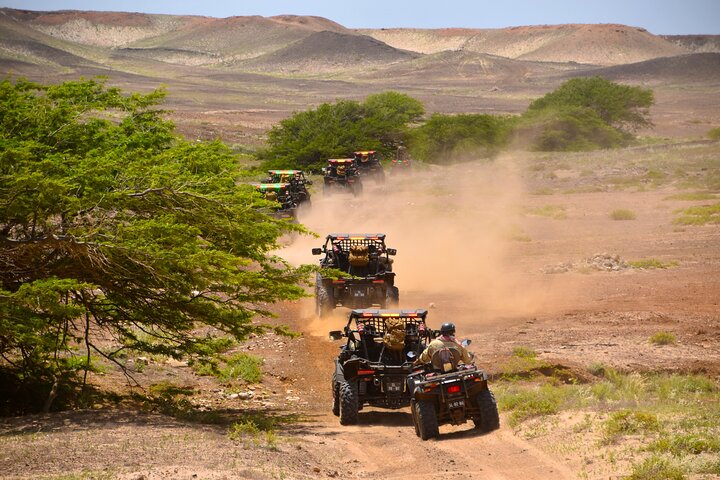
Sal Island: 4H Buggy Adventure Coast-to-Coast - 1000cc

2h ATV 500cc 4x4 Quad Desert Adventure

4h ATV 500cc 4x4 Quad Island Adventure

Surf Lessons

Quad Tour Sal Island

Private Sal Island Tour with Native Certified Guide

Turtle Walk from Santa Maria

Romantic Sunset & Glamping Experience


 Best Backpacking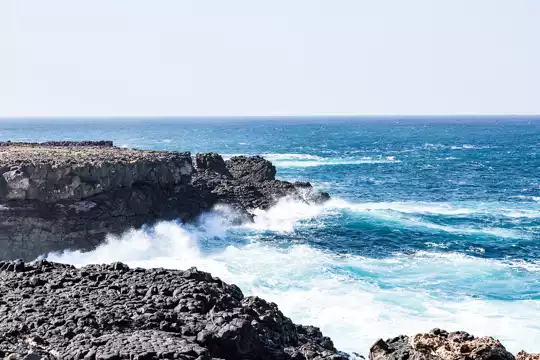
.jpg) Hi, I’m Johan (Netherlands 🇳🇱), the creator of TakeYourBackpack. Over the past decade, I’ve backpacked through 80+ countries across six continents, gaining extensive experience with independent travel, long-term trips, and overland routes.
Hi, I’m Johan (Netherlands 🇳🇱), the creator of TakeYourBackpack. Over the past decade, I’ve backpacked through 80+ countries across six continents, gaining extensive experience with independent travel, long-term trips, and overland routes.