×

Cambodia🇰🇭 | best festivalsBest 12 festivals in Cambodia

Festivals in Cambodia pulse with life, weaving together ancient traditions and modern expressions. From the vibrant Water Festival in Phnom Penh to the intimate Pchum Ben celebrations in rural villages, each event offers a unique lens into Cambodian culture. Timing is crucial; festivals often align with the lunar calendar, creating a rhythm that backpackers must navigate.

Expect crowds during major events, which can elevate the energy but also complicate travel logistics. Choosing the right festival can transform your experience—impacting your budget, safety, and cultural immersion. Smaller, local festivals often provide deeper connections and less commercialism, making them ideal for independent travelers seeking authenticity.

By Johan Kruseman 🇳🇱 | Updated June 7, 2026
Explore the best regions in Cambodia

Why go?Why These festival Stand Out

Cambodia’s festivals pulse with a unique energy that reflects the country’s rich tapestry of history and culture. These celebrations are not just events; they are vibrant expressions of identity and community. Unlike many other countries, where festivals may feel commercialized or overly polished, Cambodian festivals retain an authentic spirit, deeply rooted in tradition and spirituality.

The timing of these festivals often aligns with the lunar calendar, creating a rhythm that resonates with the agricultural cycles. This connection to the land enhances the experience, as travelers witness rituals that have been passed down through generations. However, this also means that some festivals can draw large crowds, especially during peak tourist seasons. The trade-off here is significant: while … read more 👉
Cambodia’s festivals pulse with a unique energy that reflects the country’s rich tapestry of history and culture. These celebrations are not just events; they are vibrant expressions of identity and community. Unlike many other countries, where festivals may feel commercialized or overly polished, Cambodian festivals retain an authentic spirit, deeply rooted in tradition and spirituality.

The timing of these festivals often aligns with the lunar calendar, creating a rhythm that resonates with the agricultural cycles. This connection to the land enhances the experience, as travelers witness rituals that have been passed down through generations. However, this also means that some festivals can draw large crowds, especially during peak tourist seasons. The trade-off here is significant: while the atmosphere can be electric, the sheer number of attendees can dilute the intimacy of the experience.

Geographically, Cambodia’s infrastructure is still developing, which can impact accessibility. Remote areas may offer deeper cultural immersion but require more travel time. Conversely, major cities provide easier access but can feel less authentic. The climatic conditions also play a role; the rainy season can affect festival logistics, making some events less predictable.

Understanding these dynamics is crucial for travelers. The real magic lies in navigating the balance between crowds and immersion, ensuring that each festival experience is not just seen but felt.
Evaluating the Top Choices
The list of best festivals in Cambodia is created based on energy, traditions, crowd experience, activities, and overall excitement. If you feel a festival is missing in this list, please let us know.

When to go?Seasonal Guide to Visiting

Seasonality plays a crucial role in experiencing festivals across Cambodia. The dry season, from November to April, is prime time for vibrant celebrations. Expect clear skies and comfortable temperatures, perfect for outdoor festivities. However, this is also when crowds swell. Popular events draw locals and tourists alike, leading to higher costs for accommodations and travel.

Shoulder seasons, particularly in late October and early May, offer a different vibe. Fewer tourists mean a more intimate experience, but weather can be unpredictable. Rain may linger, affecting outdoor events. Still, the authenticity of local celebrations shines through, providing a genuine glimpse into Cambodian culture.

Peak periods like the Water Festival in November can be exhilarating yet overwhelming. The … read more 👉
Seasonality plays a crucial role in experiencing festivals across Cambodia. The dry season, from November to April, is prime time for vibrant celebrations. Expect clear skies and comfortable temperatures, perfect for outdoor festivities. However, this is also when crowds swell. Popular events draw locals and tourists alike, leading to higher costs for accommodations and travel.

Shoulder seasons, particularly in late October and early May, offer a different vibe. Fewer tourists mean a more intimate experience, but weather can be unpredictable. Rain may linger, affecting outdoor events. Still, the authenticity of local celebrations shines through, providing a genuine glimpse into Cambodian culture.

Peak periods like the Water Festival in November can be exhilarating yet overwhelming. The energy is palpable, but navigating through throngs can be challenging. For those seeking a quieter experience, consider visiting during the low season, from June to September. While many festivals may be fewer, the local atmosphere remains rich, and costs drop significantly.

Understanding these dynamics allows for strategic planning. Balancing the thrill of peak energy with the serenity of quieter moments can lead to a more fulfilling journey through Cambodia’s festival landscape.

festival hoppingPlanning Your Route Efficiently

Regional Clustering

Start by identifying key festival regions. The capital, Phnom Penh, is a hub for major events like the Water Festival. From there, head northwest to Siem Reap for the Angkor Festival. This clustering minimizes travel time and maximizes festival exposure.

Optimal Sequencing

Plan your route to flow logically. Begin in Phnom Penh, soak in the vibrant atmosphere, then move to Siem Reap. After that, consider heading south to Kampot for the Bokor Mountain Festival. This sequence allows for a gradual transition from urban to rural, balancing energy levels and crowd sizes.

Time Management

Allocate at least two days for each major festival. This pacing ensures you can enjoy the festivities without feeling rushed. Factor in travel time between locations—typically, a few hours … read more 👉

Regional Clustering

Start by identifying key festival regions. The capital, Phnom Penh, is a hub for major events like the Water Festival. From there, head northwest to Siem Reap for the Angkor Festival. This clustering minimizes travel time and maximizes festival exposure.

Optimal Sequencing

Plan your route to flow logically. Begin in Phnom Penh, soak in the vibrant atmosphere, then move to Siem Reap. After that, consider heading south to Kampot for the Bokor Mountain Festival. This sequence allows for a gradual transition from urban to rural, balancing energy levels and crowd sizes.

Time Management

Allocate at least two days for each major festival. This pacing ensures you can enjoy the festivities without feeling rushed. Factor in travel time between locations—typically, a few hours by bus or car.

Common Pitfalls

Avoid cramming too many festivals into a short timeframe. This leads to fatigue and missed experiences. Prioritize quality over quantity.

Trade-offs and Flexibility

Be prepared for trade-offs. Faster travel means less immersion. Budget constraints might limit comfort, but investing in a few quality experiences often pays off. Stay flexible; local events can change, and spontaneity often leads to the most rewarding moments.

The ListHighly Recommended festivals of Cambodia

1 Bon Om Touk

boat races, Tonle Sap, illuminated floats

Watch crowds gather along the riverbanks as longboats compete, lanterns drift, and the water’s flow signals a shift in the seasons.

2 Water Festival

river celebrations, boat parades, moonlit festivities

Feel the energy as communities celebrate the reversal of the Tonle Sap, with processions, music, and gatherings after dark.

3 Khmer New Year

temple visits, traditional games, family gatherings

Join locals in three days of rituals, playful contests, and shared meals that mark the start of the Cambodian calendar.

4 Choul Chnam Thmey

new year rituals, water blessings, folk dances

Take part in cleansing ceremonies, lively dances, and community feasts that usher in the Cambodian New Year.

5 Angkor Festival

temple performances, Khmer arts, open-air stage

Attend cultural shows set against Angkor’s ruins, where dance, music, and storytelling bring Cambodia’s heritage to life.

6 Sea Festival

coastal sports, seafood markets, beach events

Sample fresh catches, watch water sports, and mingle with crowds along Cambodia’s southern shores during this annual seaside gathering.

7 Pchum Ben

ancestor offerings, pagoda ceremonies, rice balls

Experience early morning visits to pagodas as families honor departed relatives with food, prayers, and quiet reflection.

8 Ancestors’ Day

family rituals, food offerings, spiritual merit

Observe families making offerings and prayers at pagodas, seeking blessings for both the living and the departed.

9 Royal Ploughing Ceremony

oxen rituals, royal fields, symbolic harvest

Observe a formal blessing of the planting season, where royal oxen predict the year’s fortunes through ancient agricultural rites.

10 Meak Bochea

Buddhist sermons, candlelit processions, full moon

Join monks and devotees at pagodas for meditative walks and teachings that commemorate a pivotal moment in Buddhist tradition.

11 Visak Bochea

Buddha’s birth, temple gatherings, lotus offerings

Observe ceremonies marking Buddha’s life, with processions, prayers, and symbolic offerings at sacred sites across the country.

12 International Half Marathon in Siem Reap

temple route, charity run, early morning start

Run or cheer as participants wind through Angkor’s ancient avenues, raising funds and awareness for local causes.

Loading the map 🌍

Expert viewInsights from Locals and Experts

Festivals in Cambodia pulse with life, but don’t let the Instagram-perfect snapshots fool you. The reality is often a whirlwind of crowds, costs, and cultural nuances that can make or break your experience. Aim for two to three festivals during your visit. This allows you to dive deep into the local vibe without feeling rushed or overwhelmed.

Timing is crucial. The Cambodian festival calendar is packed, with major events like the Water Festival and Khmer New Year drawing massive crowds. Expect a vibrant atmosphere, but also prepare for logistical challenges. Hotels fill up fast, and transportation can become a game of patience. If you’re not keen on navigating throngs of people, consider attending smaller, regional festivals. They offer a more intimate glimpse into local traditions and often … read more 👉
Festivals in Cambodia pulse with life, but don’t let the Instagram-perfect snapshots fool you. The reality is often a whirlwind of crowds, costs, and cultural nuances that can make or break your experience. Aim for two to three festivals during your visit. This allows you to dive deep into the local vibe without feeling rushed or overwhelmed.

Timing is crucial. The Cambodian festival calendar is packed, with major events like the Water Festival and Khmer New Year drawing massive crowds. Expect a vibrant atmosphere, but also prepare for logistical challenges. Hotels fill up fast, and transportation can become a game of patience. If you’re not keen on navigating throngs of people, consider attending smaller, regional festivals. They offer a more intimate glimpse into local traditions and often come with fewer tourists.

Budget considerations are essential. While many festivals are free to attend, the costs can add up quickly. Think about accommodation, food, and transportation. Street food is a delicious and budget-friendly option, but be cautious about hygiene. Stick to stalls that are busy; they’re usually safer and tastier. If you’re looking for comfort, budget for a mid-range hotel, especially during peak festival times when prices can skyrocket.

Cultural context is key. Festivals in Cambodia are steeped in history and tradition. The Water Festival, for instance, celebrates the reversal of the Tonle Sap River and is a time for family reunions and community bonding. Understanding the significance of these events enhances your experience. Engage with locals, ask questions, and immerse yourself in the celebrations. Just remember, while you’re there to enjoy, you’re also a guest in their cultural space. Respect local customs and dress appropriately, especially during religious ceremonies.

Crowd management is a skill you’ll need to master. Arrive early to secure a good spot, especially for parades or performances. If you’re not a fan of large crowds, consider watching from a distance. You’ll still feel the energy without the chaos. Also, be prepared for the unexpected. Festivals can change dates or be affected by weather, so keep your plans flexible.

Infrastructure can be a mixed bag. Major cities have decent transport options, but rural areas may lack reliable services. If you plan to travel between festivals, factor in travel time and potential delays. Renting a motorbike can be a fun way to explore, but ensure you’re comfortable with local traffic conditions. Alternatively, hiring a local guide can provide insights and ease navigation.

Safety is paramount. While Cambodia is generally safe for tourists, be mindful of your belongings in crowded areas. Petty theft can occur, especially during busy festivals. Stay aware of your surroundings and keep your valuables secure.

In the end, the real magic of Cambodian festivals lies in the connections you make and the stories you gather. Embrace the chaos, savor the flavors, and let the rhythm of the celebrations guide you. The journey is as rewarding as the destination, and each festival offers a unique lens into the heart of Cambodian culture.

✈️ The backpacker research shortcutCambodia Travel Guide

An offline-friendly backpacking guide with optimized travel routes, ranked highlights, transport advice, and the best areas to stay.
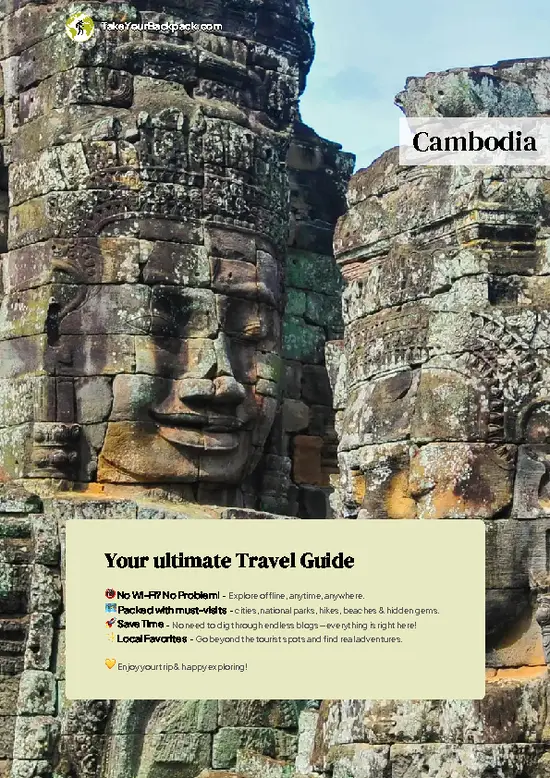
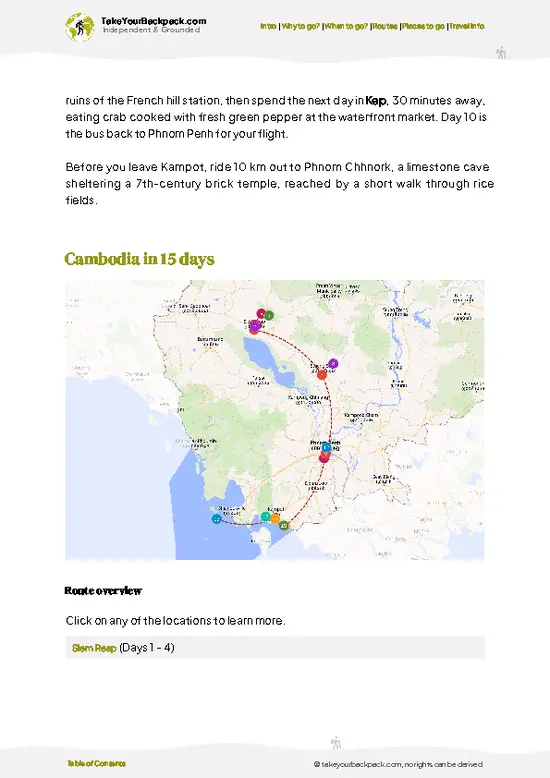
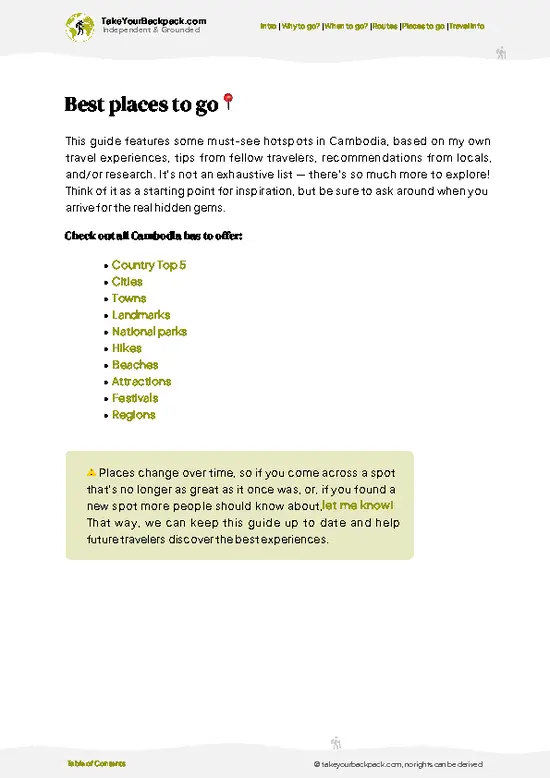
example page 0 from our offline Travel Guide for Cambodia
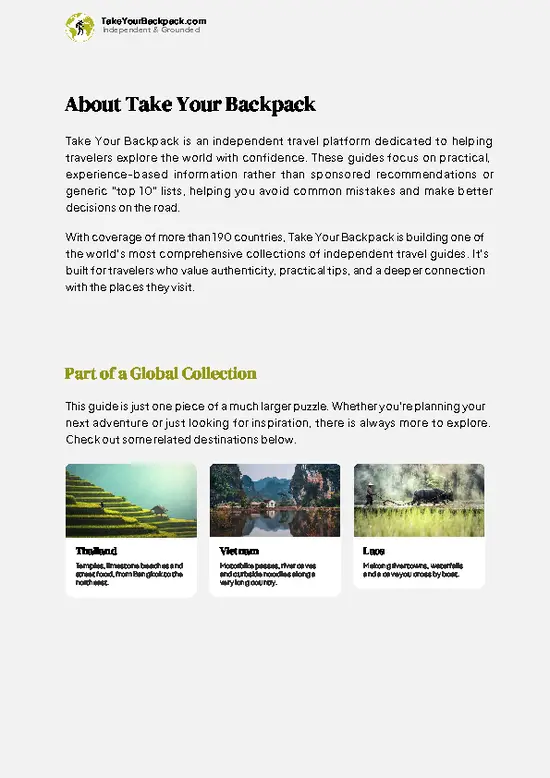
example page 1 from our offline Travel Guide for Cambodia
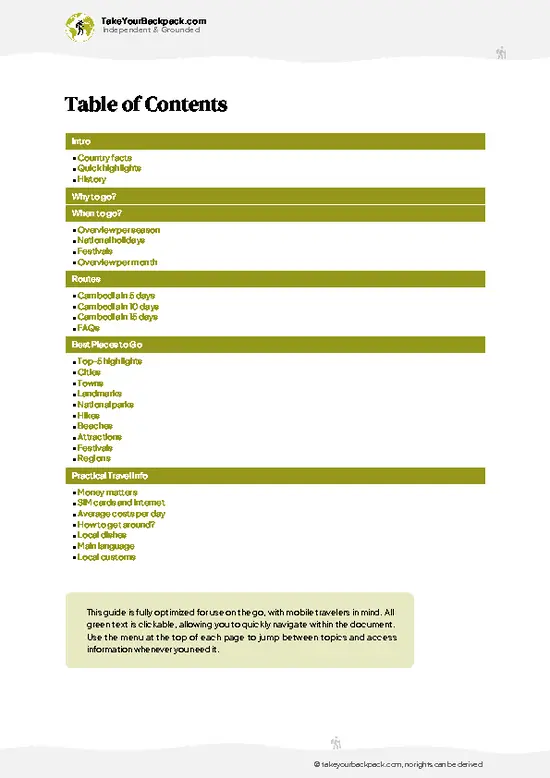
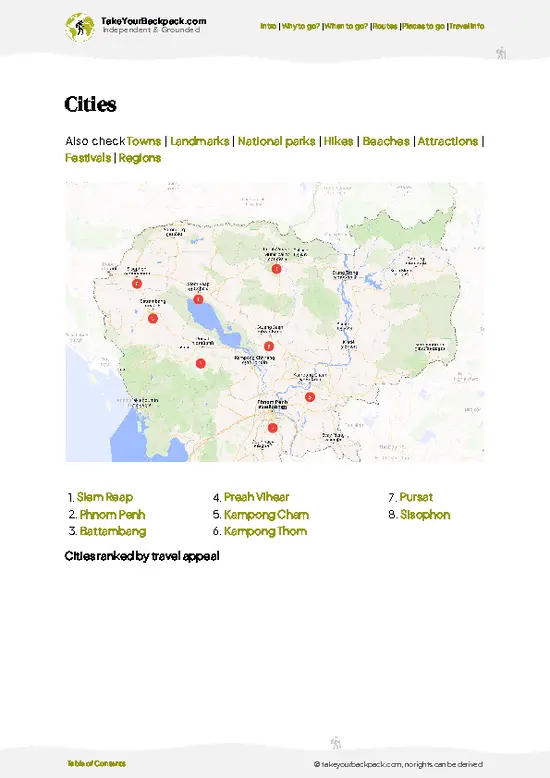
example page 2 from our offline Travel Guide for Cambodia
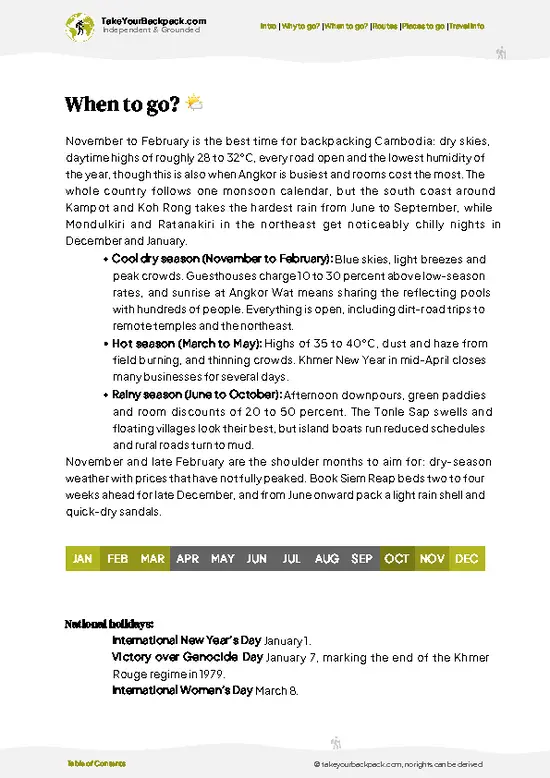
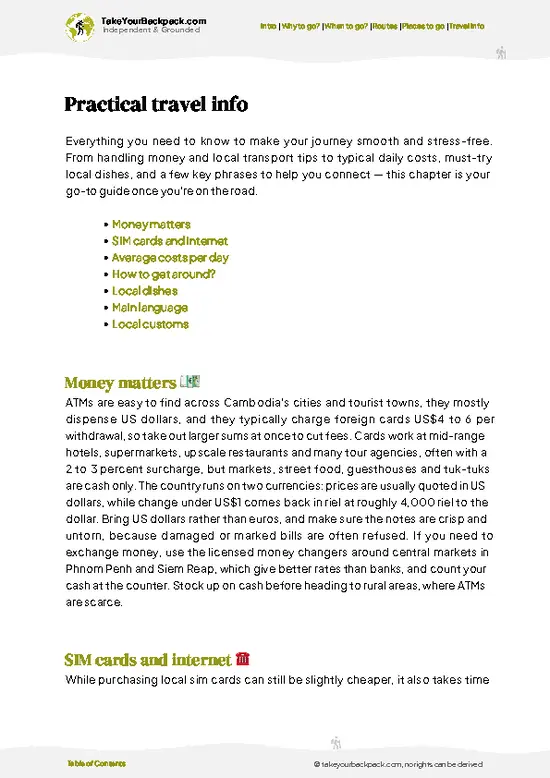
example page 3 from our offline Travel Guide for Cambodia
example page 4 from our offline Travel Guide for Cambodia
example page 5 from our offline Travel Guide for Cambodia
example page 6 from our offline Travel Guide for Cambodia
example page 7 from our offline Travel Guide for Cambodia
The digital guide (345 pages) contains:
90 highlights, ranked by travel appeal
Optimized 5, 10 & 15-day travel routes
Cities, national parks, landmarks, beaches
How to get around
Offline-friendly for travel without Wi-Fi
👉 Click to see all 30+ guide features

📅 Plan smarter in minutes, not weeks
Month by month travel advice
Festivals & national holidays
Budget expectations

🗺️ Go to the right places, skip the overrated ones
Honest pros & cons of destinations
Top hikes, parks & viewpoints
Lesser-known places most travelers miss
Clear “worth it vs skip it” guidance

🛏️ Travel smoothly without rookie mistakes
Best areas to stay
Transport systems explained simply
Common scams & safety advice
SIM cards, money & practical tips

🌍 Understand the country, not just visit it
Culture & traditions
52 Essential phrases & customs
Festivals worth planning around
Traveler-friendly historical context
Insights that make places more meaningful

📱 Built for real travel conditions
Fully downloadable PDF
Works completely offline
Optimized for phone use
Useful in remote areas & buses
Everything in one place
Save weeks of stressful planning
Get instant access to your full guide. 30‑day money-back guarantee.


By proceeding you agree to our terms.
Sent to your inbox immediately after payment • 100% Secure Checkout
Best Backpacking Travel Advisor 2025 tourism awardBest Backpacking
Travel Advisor
2025
What others say about Take Your Backpack Guides:
⭐⭐⭐⭐⭐
Fantastic, amazing amount of information!
⭐⭐⭐⭐⭐
My goodness this is amazing, it's what I've been looking for hats off too you!
⭐⭐⭐⭐⭐
I think this is absolutely BRILLIANT
⭐⭐⭐⭐
Very complete and informative. It's still missing places, but I gotta to commend you
⭐⭐⭐⭐⭐
This is truly amazing, thank you, can't wait to explore it with my kids!
⭐⭐⭐⭐⭐
Awesome resource, thank you!
⭐⭐⭐⭐⭐
This is amazing! Can't wait to explore the ones I haven't seen
⭐⭐⭐⭐
I love this! Well done, great idea.
⭐⭐⭐⭐⭐
Thanks for taking the time to make this gem!
⭐⭐⭐⭐⭐
This might be the best website I've ever seen.
⭐⭐⭐⭐⭐
Congratulations, and thank you so much for your work; it's incredibly valuable.
⭐⭐⭐⭐
In all seriousness I think you did a great job pointing out the important spots
⭐⭐⭐⭐⭐
10/10 very good
⭐⭐⭐⭐⭐
As someone who's only just starting to visit regularly this is awesome, thank you.
⭐⭐⭐⭐
Thank you very much! I'm going to visit my dad, it's going to be very useful!
⭐⭐⭐⭐⭐
This is really cool! We'll be travelling for the first time and this definitely come in handy.
⭐⭐⭐⭐⭐
You are now our minister of culture, congratulations 👨‍💼
⭐⭐⭐⭐⭐
Just wanted to tell you that this is a pearl! Going to follow your recommendations.
⭐⭐⭐⭐⭐
This is so cool. I'll definitely be using the resource for my travels soon.
⭐⭐⭐⭐⭐
This is very impressive! Good work.
⭐⭐⭐⭐⭐
This is an amazing and informative site. Very well done!

🛏️ Where to stay?Where to Stay: Cambodia Edition

Yes — hostels and budget guesthouses are widespread across Cambodia, concentrated in traveler hubs: Siem Reap (Old Market/Wat Bo), Phnom Penh (Riverside, BKK1), Sihanoukville (Serendipity Beach strip and ferry area), island options on Koh Rong, and quieter small-town clusters in Kampot and Kep.

Siem Reap is ideal for Angkor access and lively nightlife but rooms fill fast; Phnom Penh Riverside and BKK1 offer safer, more comfortable budget stays near cafes and attractions; Sihanoukville gives cheap party accommodation but can be noisy with patchy infrastructure and more scams, while Koh Rong has calmer beaches with limited facilities and higher transport costs; Kampot and Kep are quiet, safer … read more 👉
Yes — hostels and budget guesthouses are widespread across Cambodia, concentrated in traveler hubs: Siem Reap (Old Market/Wat Bo), Phnom Penh (Riverside, BKK1), Sihanoukville (Serendipity Beach strip and ferry area), island options on Koh Rong, and quieter small-town clusters in Kampot and Kep.

Siem Reap is ideal for Angkor access and lively nightlife but rooms fill fast; Phnom Penh Riverside and BKK1 offer safer, more comfortable budget stays near cafes and attractions; Sihanoukville gives cheap party accommodation but can be noisy with patchy infrastructure and more scams, while Koh Rong has calmer beaches with limited facilities and higher transport costs; Kampot and Kep are quiet, safer and great for day trips but have fewer hostel choices — expect basic facilities, fan dorms are common and AC or hot water may cost extra, so book ahead in high season.

If you enjoy meeting fellow travelers, consider choosing hostels with high ratings for atmosphere. On the other hand, if you prefer having your own space, a hotel might be a better option.

CambodiaExplore Beyond This Category

👋 Meet the founderWho’s Behind Take Your Backpack?

Johan, backpacker and founder of TakeYourBackpackHi, I’m Johan (Netherlands 🇳🇱), the creator of TakeYourBackpack. Over the past decade, I’ve backpacked through 80+ countries across six continents, gaining extensive experience with independent travel, long-term trips, and overland routes.

This site is built on a combination of firsthand travel experience and carefully curated insights from other backpackers. Many guides are based on places I’ve personally visited, while others bring together tips, observations, and practical advice shared by trusted travelers I’ve met along the way.

The goal is to provide realistic, experience-driven guidance — not generic itineraries — so you can explore destinations with better context, clearer expectations, and more confidence.

Get full Cambodia guide •
Instant download • 90 highlights • Full Offline guide