How many cities to visit: I advise
three to five cities over two weeks. Cambodian transfers eat half a day, roads can be slow, and the heat makes second-half afternoons unproductive. Three cities lets you linger and talk to people. Five works if you keep a couple of stops short. Beyond that, you are collecting bus tickets.
Choosing by travel style: First-timers and history-minded travelers should prioritize the
northwest temple hub and the capital, since they hold the major monuments and museums. Social travelers and beach lovers should add a
south-coast town for hostels, boat trips and nightlife. If you crave quiet, pick one or two
Mekong or northeast towns, where you will often be the only foreigner at a noodle stall and prices drop noticeably.
What it costs: Budget
US$25 to 40 a day as a …
read more 👉 How many cities to visit: I advise
three to five cities over two weeks. Cambodian transfers eat half a day, roads can be slow, and the heat makes second-half afternoons unproductive. Three cities lets you linger and talk to people. Five works if you keep a couple of stops short. Beyond that, you are collecting bus tickets.
Choosing by travel style: First-timers and history-minded travelers should prioritize the
northwest temple hub and the capital, since they hold the major monuments and museums. Social travelers and beach lovers should add a
south-coast town for hostels, boat trips and nightlife. If you crave quiet, pick one or two
Mekong or northeast towns, where you will often be the only foreigner at a noodle stall and prices drop noticeably.
What it costs: Budget
US$25 to 40 a day as a backpacker: dorm beds US$4 to 10, private fan rooms US$12 to 25, street meals US$2 to 4, and a local beer for about US$1. Midrange travelers should plan on US$50 to 90. Transport adds up: buses between cities run roughly US$6 to 15, tuk-tuks inside town US$2 to 5 a ride, and a full day with a driver US$15 to 30. The major temple complex sells passes at US$37 for one day, US$62 for three and US$72 for seven, which is the biggest single outlay. Museum and memorial entries typically run US$3 to 10, and an English-speaking guide costs US$20 to 40 a day. Cash dollars in small, undamaged bills are best, with riel for change under a dollar. ATMs dispense dollars but often charge US$4 to 5 per withdrawal.
Safety and etiquette: Cities are generally relaxed, but
bag snatching from motorbikes is the usual crime, so carry your phone on the side away from traffic and keep bags across your body. Traffic is the larger danger: cross slowly and predictably and let riders flow around you. Scams include inflated tuk-tuk fares and unrequested “guides,” so agree on prices first or use a ride-hailing app. Dress
modestly at temples and memorials, covering shoulders and knees, and remove shoes where asked. Never touch a person’s head, and avoid pointing feet at Buddha images. Genocide sites deserve quiet and no smiling selfies. Skip giving money or sweets to begging children, since it keeps them out of school, and donate to a vetted local organization instead.
Worth the journey: Yes, temple tickets sting and high-season hubs get crowded by 9 am. But a US$1 iced coffee at a riverside table, a lakeside sunset, and a market lunch for US$2 make the days cheap and rich. Go early, spend where it counts, and let the slower towns fill the gaps.
v2.webp)
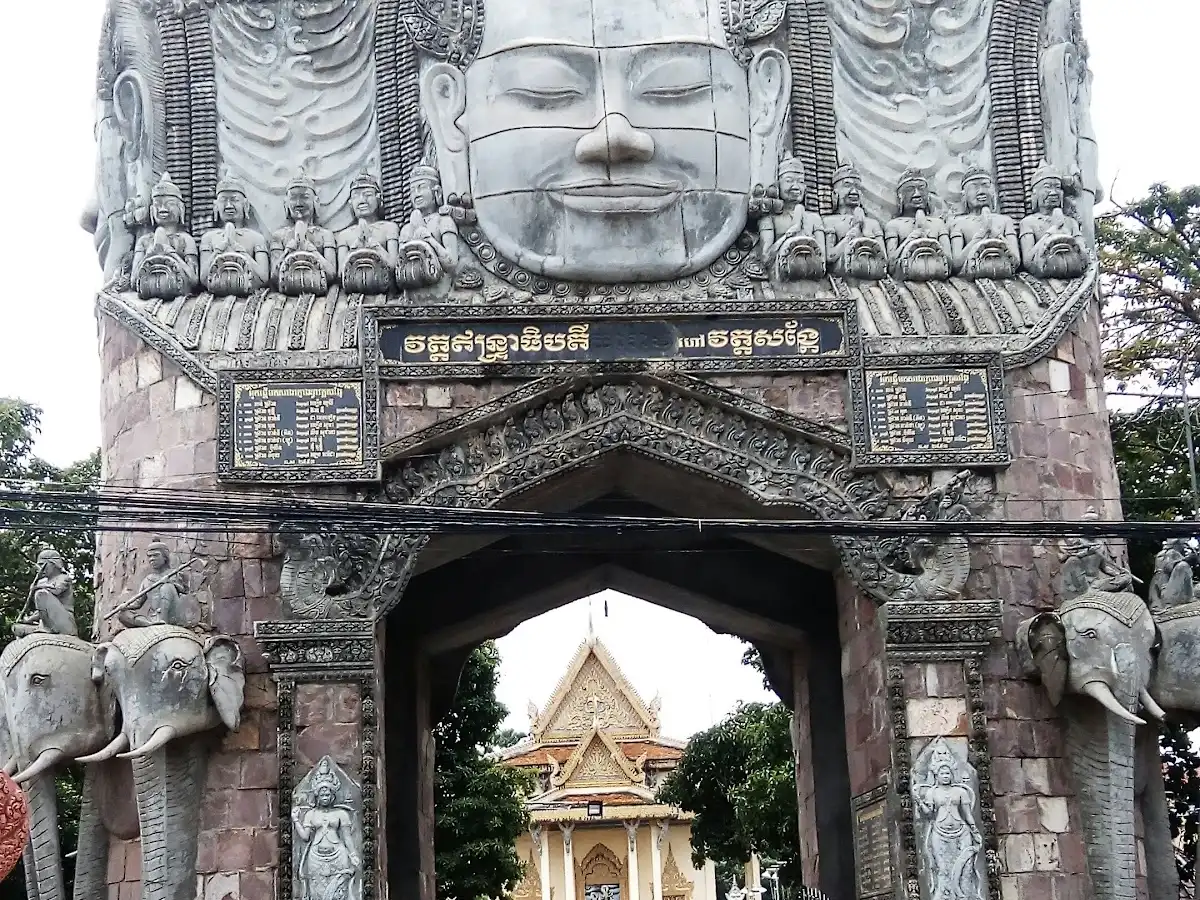
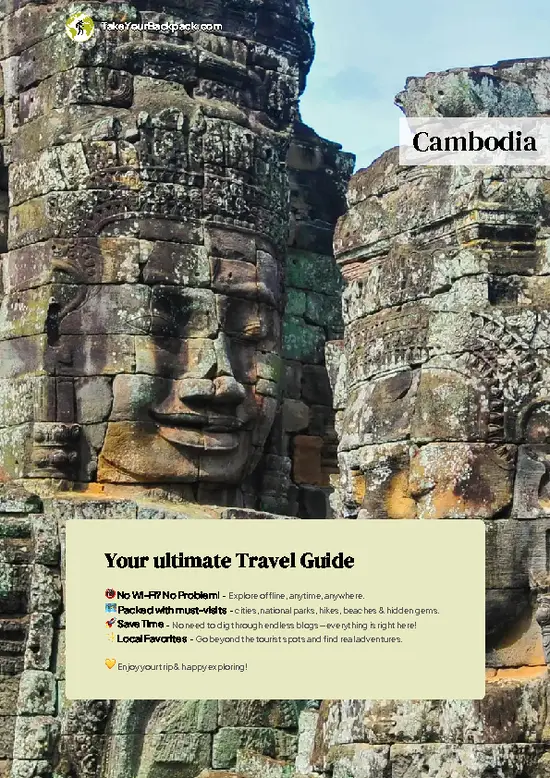
 Best Backpacking
.jpg) Hi, I’m Johan (Netherlands 🇳🇱), the creator of TakeYourBackpack. Over the past 3 decades, I’ve backpacked through 90+ countries across six continents, gaining extensive experience with independent travel, long-term trips, and overland routes.
Hi, I’m Johan (Netherlands 🇳🇱), the creator of TakeYourBackpack. Over the past 3 decades, I’ve backpacked through 90+ countries across six continents, gaining extensive experience with independent travel, long-term trips, and overland routes.